

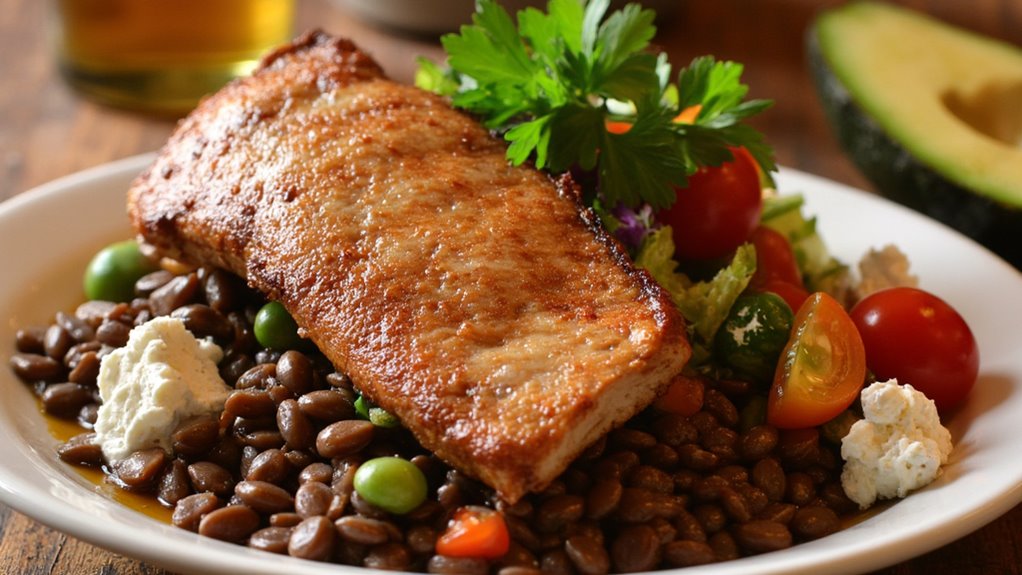
When it comes to French cuisine, duck is a true standout. Its rich flavor and incredible versatility always draw me in. From the classic Duck Confit to the delightful Canard Aux Cerises, each dish offers something special. I’ve found 11 recipes that are not only impressive but also keep me coming back to the kitchen. Ready to discover these culinary treasures?
Duck Confit
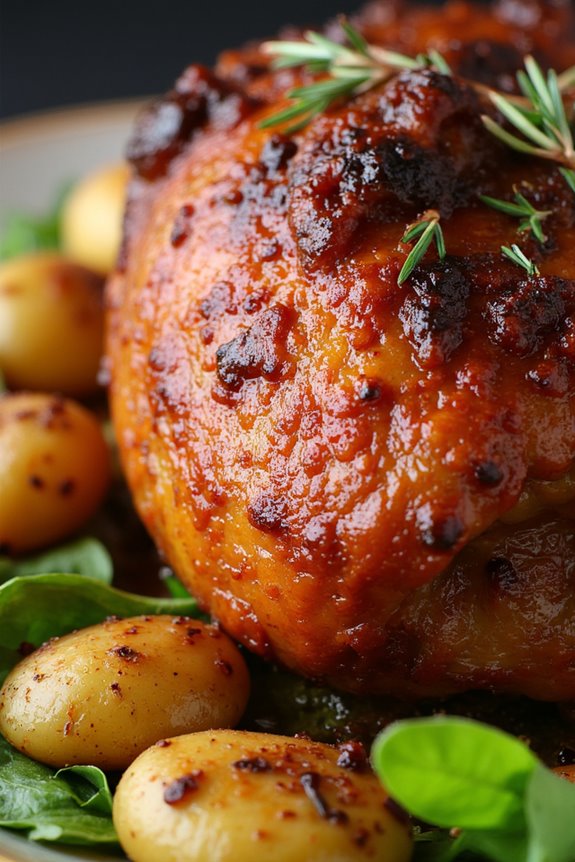
Duck Confit is a classic French dish that epitomizes the art of slow cooking and preservation. This method involves cooking duck legs slowly in their own fat, resulting in tender, flavorful meat that falls off the bone. The process not only enhances the duck’s rich flavor but also allows it to be stored for long periods, making it a staple in French cuisine.
Traditionally, Duck Confit is served with crispy potatoes or a fresh salad, balancing the richness of the duck with lighter flavors.
To make Duck Confit, the duck legs are first cured with a mixture of salt and herbs, which helps to draw out moisture and infuse the meat with flavor. After curing for a day or two, the legs are slowly cooked in duck fat until they’re tender and perfectly seasoned. This dish is perfect for impressing guests at a dinner party or for a cozy family meal.
Once prepared, Duck Confit can be enjoyed right away or stored for later use, making it a versatile addition to your culinary repertoire.
Ingredients (Servings: 4-6)
- 4 duck legs
- 1 cup kosher salt
- 4 cloves garlic, minced
- 2 teaspoons black peppercorns
- 2 teaspoons thyme leaves
- 2 bay leaves, crumbled
- 4 cups duck fat (or enough to cover the duck legs)
- Fresh parsley, for garnish (optional)
Cooking Instructions
- Cure the Duck Legs: In a mixing bowl, combine the kosher salt, minced garlic, black peppercorns, thyme leaves, and crumbled bay leaves. Rub this mixture all over the duck legs, guaranteeing they’re well coated. Place the legs in a dish, cover with plastic wrap, and refrigerate for 24 to 48 hours. This curing process will enhance the flavor and texture of the meat.
- Rinse and Dry: After curing, remove the duck legs from the refrigerator. Rinse them thoroughly under cold water to remove excess salt and spices. Pat them dry with paper towels to make certain that they’ll sear properly when cooked.
- Prepare the Duck Fat: In a large, heavy-bottomed pot or Dutch oven, melt the duck fat over low heat. You want enough fat to fully submerge the duck legs, so adjust the amount of fat as necessary.
- Cook the Duck Legs: Once the duck fat is melted and hot, carefully add the duck legs to the pot. Make sure they’re fully submerged. Cover the pot with a lid and simmer on low heat for about 2 to 3 hours. The low and slow cooking method allows the meat to become tender and flavorful without drying out.
- Crisp the Skin: After cooking, remove the duck legs from the fat and place them on a baking sheet. Preheat your oven to 400°F (200°C). Roast the duck legs in the oven for about 15-20 minutes, or until the skin is crispy and golden brown.
- Serve: Once crispy, remove the duck from the oven and let it rest for a few minutes. Serve the Duck Confit garnished with fresh parsley, alongside your choice of crispy potatoes or a light salad.
Extra Tips
When preparing Duck Confit, it’s essential to use high-quality duck fat for the best flavor and texture. You can often find duck fat at specialty grocery stores or online, but if it’s unavailable, you can substitute with another type of fat, though it may alter the dish’s traditional taste.
Additionally, while the curing process takes time, it’s important for developing the deep flavors that Duck Confit is known for. Feel free to make extra portions, as Duck Confit keeps well in the fridge for several weeks and can be used in various dishes like salads, sandwiches, or even pasta. Enjoy the culinary journey of making this exquisite French delicacy!
Canard Aux Cerises (Duck With Cherries)
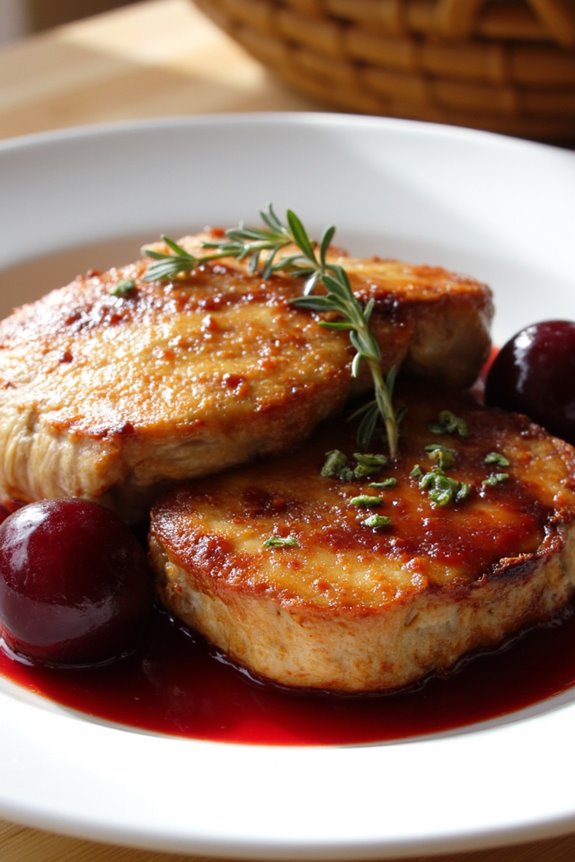
Canard Aux Cerises, or Duck With Cherries, is a classic French dish that perfectly combines the rich, savory flavors of duck with the sweet and tart essence of cherries. This dish isn’t only a feast for the palate but also a visual treat, making it an excellent choice for special occasions or a cozy family dinner.
The balance of flavors, with the luscious cherry sauce complementing the tender duck, creates a memorable dining experience that transports you straight to the heart of France.
Cooking this dish may seem intimidating at first, but with the right preparation and a bit of patience, you can achieve a restaurant-quality meal in your own kitchen. The key to a successful Canard Aux Cerises is to guarantee the duck is cooked to perfection—crispy on the outside and juicy on the inside—while the cherry sauce is rich and flavorful.
With a few simple ingredients and careful attention to detail, you’ll impress your guests and create a dish that’s sure to be a hit.
Ingredients (Serves 4-6):
- 2 duck breasts (about 6-8 ounces each)
- Salt and pepper to taste
- 1 cup fresh or frozen pitted cherries
- 1/2 cup chicken or duck stock
- 1/4 cup red wine
- 1 tablespoon balsamic vinegar
- 2 tablespoons honey
- 1 tablespoon butter
- Fresh thyme for garnish (optional)
Cooking Instructions:
1. Prepare the Duck Breasts: Start by scoring the skin of the duck breasts in a crisscross pattern, being careful not to cut into the meat. Season both sides with salt and pepper. This scoring allows the fat to render out while cooking, resulting in a crispy skin.
2. Sear the Duck: Place the duck breasts, skin side down, in a cold skillet. Turn the heat to medium and cook for about 6-8 minutes or until the skin is golden brown and crispy. As the fat renders, carefully spoon out excess fat as needed.
Flip the duck breasts and cook for an additional 4-5 minutes for medium rare, or longer if you prefer them more well-done. Once cooked, remove them from the skillet and let them rest.
3. Make the Cherry Sauce: In the same skillet, add the pitted cherries and cook for 2-3 minutes until they begin to soften. Stir in the chicken or duck stock, red wine, balsamic vinegar, and honey.
Allow the mixture to simmer for about 5-7 minutes until it reduces slightly and thickens.
4. Finish the Sauce: Once the sauce has thickened, remove it from the heat and stir in the butter until melted and incorporated. This will give the sauce a beautiful sheen and richness.
5. Serve: Slice the rested duck breasts and arrange them on a platter. Spoon the cherry sauce over the top and garnish with fresh thyme if desired. Serve immediately with your choice of sides.
Extra Tips:
When preparing Canard Aux Cerises, consider using fresh cherries when in season for the best flavor. If using frozen cherries, allow them to thaw and drain excess liquid before cooking to prevent the sauce from becoming too watery.
Pair this dish with a side of creamy mashed potatoes or a fresh green salad to complement the rich flavors of the duck and cherries. Additionally, don’t hesitate to adjust the sweetness of the sauce by adding more honey or reducing the wine to suit your taste preferences.
Magret De Canard (Duck Breast)
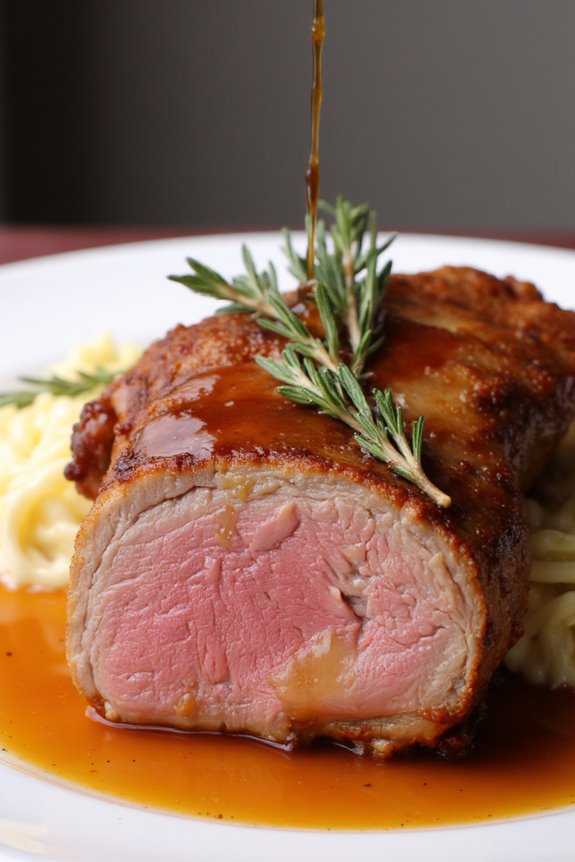
Magret de Canard is a classic French dish that showcases the rich flavor of duck breast, often served with a sweet and tangy sauce. This dish originates from the southwest of France, where duck farming is a tradition. The breast is typically seared to achieve a crispy skin while keeping the meat tender and juicy. It can be paired with a variety of sides, such as roasted vegetables, potatoes, or even a light salad, making it an elegant choice for dinner parties or special occasions.
Preparing Magret de Canard is a straightforward process that highlights the duck’s natural flavors. The cooking technique involves rendering the fat from the skin, which not only enhances the taste but also creates a beautiful golden crust. The dish is often finished with a fruity sauce, such as a cherry or orange reduction, that complements the savory richness of the duck. With the right ingredients and cooking method, you can create a magnificent meal that will impress your guests.
Ingredients (Serves 4-6)
- 4 duck breasts (Magret de Canard)
- Salt, to taste
- Freshly ground black pepper, to taste
- 1 tablespoon honey
- 1 cup chicken broth
- 1 cup red wine (preferably a fruity variety)
- 1 tablespoon balsamic vinegar
- 1 tablespoon unsalted butter
- Fresh thyme sprigs, for garnish (optional)
Cooking Instructions
- Prepare the Duck Breasts: Start by scoring the skin of the duck breasts in a crosshatch pattern, being careful not to cut into the meat. This will help render the fat during cooking and create a crispy skin. Pat the duck breasts dry with paper towels and season both sides generously with salt and freshly ground black pepper.
- Sear the Duck Breasts: Place a skillet (preferably cast iron) over medium heat and let it warm up. Once hot, place the duck breasts skin-side down in the skillet. Allow them to cook for about 6-8 minutes without moving them, so the fat renders out and the skin becomes crispy. You should see the fat pooling in the pan.
- Cook the Other Side: After the skin is golden and crispy, flip the duck breasts over and cook for an additional 4-6 minutes for medium-rare, or longer if you prefer well-done. Use a meat thermometer to check the internal temperature; it should read around 135°F (57°C) for medium-rare. Once cooked, remove the duck from the skillet and let it rest on a cutting board for at least 5 minutes.
- Make the Sauce: In the same skillet, drain off some of the excess fat, leaving about 1 tablespoon. Add the honey and stir to combine. Pour in the red wine, scraping any browned bits from the bottom of the pan to deglaze it. Add the chicken broth and balsamic vinegar, and let the mixture simmer until it reduces by half, about 5-7 minutes.
- Finish the Sauce: Once the sauce has reduced, remove it from heat and whisk in the unsalted butter until melted and incorporated. Taste and adjust seasoning if necessary. You can strain the sauce if desired for a smoother texture.
- Slice and Serve: To serve, slice the duck breasts against the grain into thin slices. Arrange the slices on a plate, drizzle with the sauce, and garnish with fresh thyme sprigs if using. Serve immediately with your choice of sides.
Extra Tips
When cooking Magret de Canard, patience is key! Allowing the duck to render its fat slowly guarantees a crispy skin and tender meat.
It’s also essential to let the meat rest after cooking; this helps redistribute the juices, resulting in a more flavorful dish. Experiment with different sauces or accompaniments to find your perfect pairing, as the versatility of duck allows it to complement a variety of flavors beautifully. Enjoy your culinary adventure into French cuisine!
Duck À L’orange
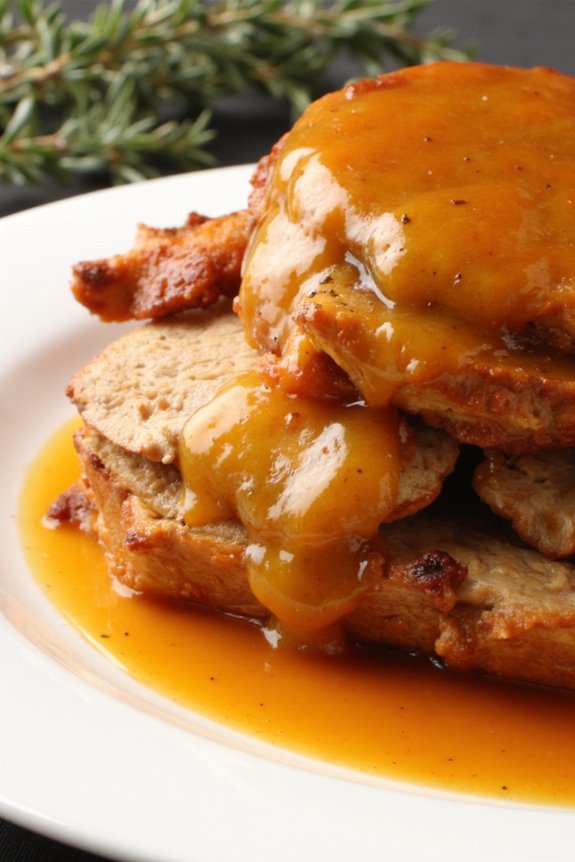
Duck À L’orange is a classic French dish that beautifully marries the rich, savory flavors of duck with the bright, tart notes of orange. Traditionally served as a centerpiece for special occasions, this dish is sure to impress your guests with its elegant presentation and exquisite taste. The duck is roasted to perfection, resulting in crispy skin and tender meat, while the orange sauce adds a delightful sweetness that complements the savory elements of the dish.
To prepare Duck À L’orange, it’s important to choose a high-quality duck, preferably a whole duck that weighs around 4 to 5 pounds. The key to achieving a perfectly roasted duck is to render out the fat slowly, allowing the skin to become crispy while keeping the meat moist and flavorful. The orange sauce, made from fresh orange juice, stock, and a touch of sugar, enhances the dish and ties all the flavors together, creating a gourmet experience right in your home.
Ingredients (Serves 4-6):
- 1 whole duck (4-5 pounds)
- Salt and black pepper, to taste
- 2 oranges (zested and juiced)
- 1 cup chicken or duck stock
- 1/2 cup sugar
- 1/4 cup red wine vinegar
- 1 tablespoon cornstarch (optional, for thickening)
- Fresh thyme sprigs, for garnish
- Olive oil, for drizzling
Cooking Instructions:
- Preheat the Oven: Begin by preheating your oven to 350°F (175°C). This will make sure that your duck cooks evenly and achieves that perfect crispy skin.
- Prepare the Duck: Rinse the duck under cold water and pat it dry with paper towels. Trim excess fat from the cavity and score the skin in a crisscross pattern without cutting into the meat. Season the duck generously with salt and black pepper both inside and out.
- Roast the Duck: Place the duck breast-side up on a roasting rack in a roasting pan. Roast in the preheated oven for approximately 1.5 to 2 hours, or until the internal temperature reaches 165°F (75°C) and the skin is golden and crispy. Baste the duck with its own fat every 30 minutes to enhance the flavor and crispiness.
- Make the Orange Sauce: While the duck is roasting, prepare the orange sauce. In a saucepan over medium heat, combine the sugar and red wine vinegar. Cook until the sugar dissolves and turns a light caramel color. Carefully add the orange juice and zest, stirring to combine. Then, pour in the chicken or duck stock and let it simmer for about 10-15 minutes, allowing the flavors to meld.
- Thicken the Sauce (Optional): If you prefer a thicker sauce, mix the cornstarch with a little cold water to create a slurry, then slowly stir it into the simmering sauce. Cook for an additional 2-3 minutes until thickened.
- Serve: Once the duck is done roasting, remove it from the oven and let it rest for 10-15 minutes before carving. Serve the duck on a large platter, drizzled with the orange sauce, and garnish with fresh thyme sprigs.
Extra Tips:
For the best results, let the duck sit at room temperature for about 30 minutes before roasting to make sure of even cooking. Additionally, you can enhance the flavor of your orange sauce by adding a splash of Grand Marnier or orange liqueur for an extra depth of flavor.
Remember to save the duck fat rendered during roasting, as it can be used for cooking vegetables or potatoes, adding a delicious richness to your side dishes.
Coq Au Vin With Duck
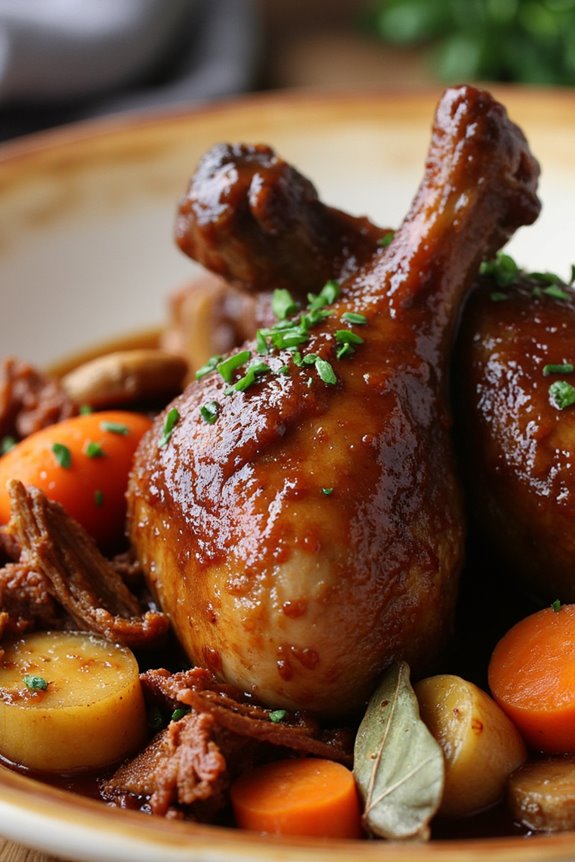
Coq Au Vin is a classic French dish that traditionally features chicken braised with wine, lardons, mushrooms, and garlic. This version substitutes duck for chicken, providing a richer and more robust flavor that elevates the dish to new heights. The duck’s tender meat absorbs the deep, earthy flavors of the wine, herbs, and vegetables, creating a symphony of taste that transports you straight to the heart of France.
Ideal for a cozy dinner or a special occasion, this dish promises both comfort and sophistication.
To achieve the perfect Coq Au Vin with Duck, you’ll want to select a good quality red wine, preferably a Burgundy or a pinot noir, which harmonizes beautifully with the flavors of the duck. The slow-cooking method allows the duck to become tender while the flavors meld together, resulting in a satisfying and delightful meal.
Served alongside crusty bread or creamy mashed potatoes, this dish is sure to impress your family and friends.
Ingredients (Serves 4-6):
- 4 duck legs (thighs and drumsticks)
- 200g lardons or diced bacon
- 1 large onion, chopped
- 2 carrots, sliced
- 3 garlic cloves, minced
- 250g mushrooms, halved
- 750ml red wine (preferably Burgundy or Pinot Noir)
- 500ml chicken or duck stock
- 2 tablespoons tomato paste
- 2 teaspoons dried thyme
- 2 bay leaves
- Salt and pepper to taste
- 2 tablespoons olive oil
- Fresh parsley, chopped (for garnish)
Instructions:
- Prepare the Duck: Season the duck legs generously with salt and pepper. In a large Dutch oven or heavy pot, heat the olive oil over medium-high heat. Add the duck legs, skin side down, and sear them until golden brown, about 5-7 minutes. Flip and brown the other side for another 5 minutes. Remove the duck from the pot and set aside.
- Cook the Lardons: In the same pot, add the lardons or diced bacon. Cook over medium heat until crisp and golden, about 5-7 minutes. Using a slotted spoon, transfer the lardons to a plate and leave the rendered fat in the pot.
- Sauté the Vegetables: Add the chopped onion and sliced carrots to the pot with the bacon fat. Sauté until the onion becomes translucent, about 4-5 minutes. Stir in the minced garlic and cook for another minute until fragrant.
- Add Mushrooms: Toss in the halved mushrooms and cook for 5 minutes until they start to soften.
- Combine Ingredients: Return the duck legs and cooked lardons to the pot. Stir in the tomato paste, thyme, bay leaves, and pour in the red wine and stock. Bring the mixture to a gentle boil.
- Braise the Duck: Reduce the heat to low, cover the pot, and let it simmer for about 1.5 to 2 hours, or until the duck is tender and easily pulls away from the bone. Stir occasionally to prevent sticking.
- Final Touches: Once the duck is cooked, remove it from the pot and set aside. Increase the heat and reduce the sauce until it thickens slightly, about 10-15 minutes. Taste and adjust seasoning with salt and pepper.
- Serve: Return the duck legs to the pot to warm through. Serve the Coq Au Vin with Duck hot, garnished with fresh parsley. Pair it with crusty bread or a side of mashed potatoes.
Extra Tips:
To enhance the flavor of your Coq Au Vin with Duck, consider marinating the duck legs in red wine, herbs, and spices for a few hours or overnight before cooking. This will deepen the flavors even further.
Additionally, serving the dish with a side of sautéed green beans or a fresh salad can provide a nice balance to the richness of the duck. Don’t forget to pair the meal with the same wine you used for cooking for a cohesive dining experience!
Duck Ragu With Pappardelle
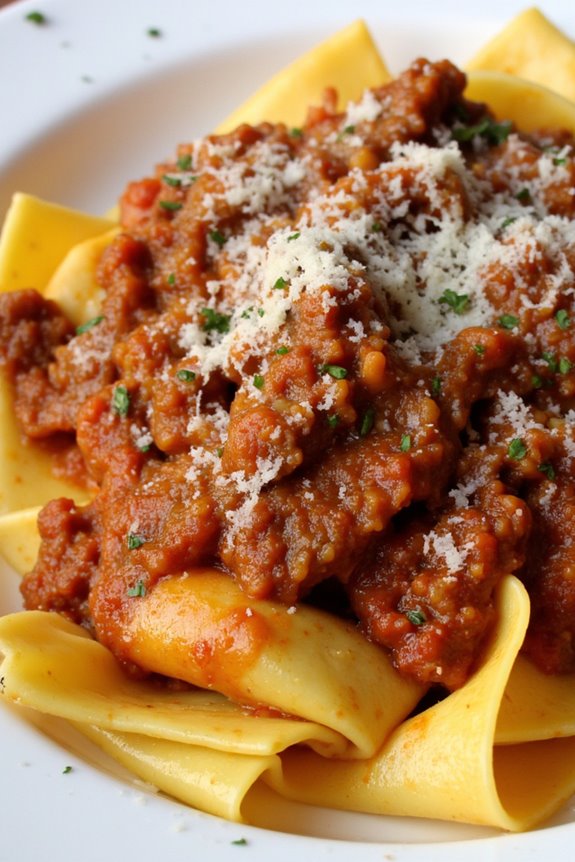
Duck Ragu with Pappardelle is a hearty and comforting dish that perfectly captures the essence of French cuisine. This recipe showcases the rich flavors of duck, slow-cooked to tender perfection, and combined with wide, ribbon-like pasta for a satisfying meal. The ragu is infused with aromatic vegetables, herbs, and a splash of red wine, creating a deeply flavorful sauce that clings beautifully to the pappardelle. Ideal for a special occasion or a cozy family dinner, this dish is sure to impress and warm the hearts of those you serve.
The preparation of Duck Ragu takes a little time, but the end result is well worth the effort. The duck is first seared to develop a rich color and flavor, then braised slowly to guarantee it becomes tender and succulent. Meanwhile, the pappardelle is cooked al dente to provide the perfect base for the ragu. Once combined, the dish is garnished with fresh herbs and grated cheese, bringing it all together for an unforgettable dining experience.
Ingredients (Serves 4-6):
- 2 duck legs (thighs and drumsticks)
- Salt and pepper, to taste
- 2 tablespoons olive oil
- 1 onion, finely chopped
- 2 carrots, finely chopped
- 2 celery stalks, finely chopped
- 4 cloves garlic, minced
- 1 cup red wine
- 1 can (14 ounces) crushed tomatoes
- 1 cup chicken or duck broth
- 2 sprigs fresh thyme
- 1 bay leaf
- 1 pound pappardelle pasta
- Fresh parsley, chopped (for garnish)
- Grated Parmesan cheese (for serving)
Cooking Instructions:
- Prepare the Duck Legs: Season the duck legs generously with salt and pepper. This enhances the flavor of the meat while cooking.
- Sear the Duck: In a large, heavy-bottomed pot or Dutch oven, heat the olive oil over medium-high heat. Add the duck legs skin side down and sear for about 6-8 minutes until the skin is golden brown and crispy. Flip and sear the other side for 3-4 minutes. Remove the duck from the pot and set aside.
- Sauté the Vegetables: In the same pot, add the chopped onion, carrots, and celery. Sauté for about 5-7 minutes until the vegetables are softened and the onion is translucent. Stir in the minced garlic and cook for another minute until fragrant.
- Deglaze with Wine: Pour in the red wine, scraping the bottom of the pot to release any browned bits. This adds depth to the flavor. Allow the wine to simmer for about 3-4 minutes, reducing slightly.
- Add the Tomatoes and Broth: Stir in the crushed tomatoes and broth, mixing well. Return the seared duck legs to the pot, along with the thyme and bay leaf. Bring the mixture to a gentle simmer.
- Braise the Duck: Cover the pot and reduce the heat to low. Let the duck braise for about 1.5 to 2 hours, or until the meat is very tender and falling off the bone. Occasionally check and stir to confirm nothing sticks to the bottom.
- Cook the Pappardelle: About 15 minutes before the duck is done, bring a large pot of salted water to a boil. Cook the pappardelle according to package instructions until al dente. Drain and set aside.
- Shred the Duck: Once the duck is cooked, remove it from the pot and let it cool slightly. Shred the meat off the bones and return it to the ragu, discarding the bones and bay leaf. Stir to combine.
- Combine with Pasta: Toss the cooked pappardelle with the duck ragu until well coated. If needed, add a little more broth to loosen the sauce.
- Serve: Plate the Duck Ragu with Pappardelle, garnishing with freshly chopped parsley and a sprinkle of grated Parmesan cheese.
Extra Tips:
For the best flavor, consider using homemade duck or chicken broth if possible. This enhances the richness of the ragu. Additionally, you can let the ragu sit for a couple of hours before serving; it will taste even better as the flavors meld together. If you have leftovers, they can be stored in the refrigerator for a few days and also freeze well for a convenient meal down the line. Enjoy your culinary journey into French cuisine!
Duck and Mushroom Fricassée
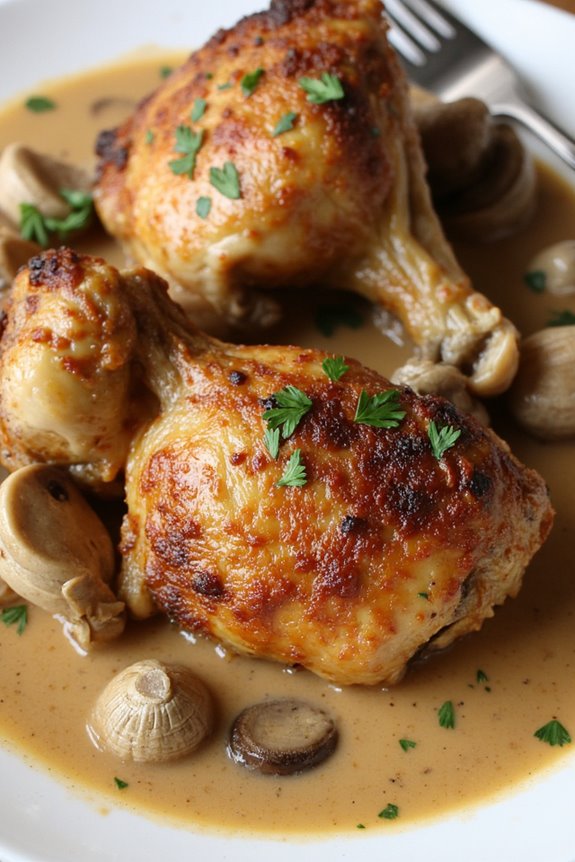
Duck and Mushroom Fricassée is a classic French dish that perfectly marries the rich flavors of tender duck with the earthy notes of mushrooms. This dish showcases the art of fricassée cooking, which involves browning the meat before slowly simmering it with vegetables in a creamy sauce. The result is a comforting and elegant meal that not only satisfies the palate but also warms the heart, making it an ideal choice for special occasions or a cozy family dinner.
The beauty of Duck and Mushroom Fricassée lies in its versatility. You can use various types of mushrooms, from button to shiitake, adding your personal touch to the dish. The combination of duck, mushrooms, and aromatic herbs creates a symphony of flavors, while the creamy sauce brings everything together beautifully. Serve it with a side of crusty bread or over a bed of fluffy rice to soak up the delicious sauce.
Ingredients (Serves 4-6):
- 4 duck legs (or duck breasts)
- Salt and pepper, to taste
- 2 tablespoons olive oil
- 1 medium onion, chopped
- 2 cloves garlic, minced
- 500g mixed mushrooms, sliced (e.g. button, cremini, shiitake)
- 2 cups chicken broth
- 1 cup heavy cream
- 1 tablespoon Dijon mustard
- 1 teaspoon fresh thyme (or ½ teaspoon dried thyme)
- 2 tablespoons fresh parsley, chopped (for garnish)
Cooking Instructions:
- Prepare the Duck: Season the duck legs generously with salt and pepper. Heat the olive oil in a large skillet or Dutch oven over medium-high heat. Once hot, add the duck legs, skin-side down, and sear until the skin is crispy and golden brown, about 6-8 minutes. Flip the duck and cook for another 4-5 minutes. Remove the duck from the skillet and set aside.
- Sauté the Aromatics: In the same skillet, add the chopped onion and minced garlic. Sauté for about 3-4 minutes, or until the onion is translucent and fragrant. Be certain to scrape up any brown bits from the bottom of the skillet as these add flavor to your dish.
- Cook the Mushrooms: Add the sliced mushrooms to the skillet and cook for about 5-7 minutes, or until they release their moisture and begin to brown. Stir occasionally to guarantee even cooking.
- Deglaze and Simmer: Pour in the chicken broth, stirring to deglaze the pan. Add the seared duck legs back into the skillet along with any juices that have collected. Bring the mixture to a gentle simmer. Cover and cook for 30 minutes, allowing the flavors to meld and the duck to become tender.
- Finish the Sauce: After 30 minutes, remove the lid and carefully take out the duck legs. Stir in the heavy cream, Dijon mustard, and thyme into the sauce. Allow it to simmer for an additional 10 minutes, stirring occasionally until the sauce thickens slightly.
- Serve: Return the duck legs to the skillet, coating them in the creamy sauce. Remove from heat and garnish with chopped parsley before serving.
Extra Tips:
When preparing Duck and Mushroom Fricassée, it’s vital to allow enough time for the duck to simmer, which helps to tenderize the meat and infuse flavor. If you want to enhance the dish further, consider adding a splash of white wine after sautéing the mushrooms for an added depth of flavor.
Also, don’t rush the browning process of the duck; achieving a nice crispy skin is essential for both texture and taste. Enjoy your culinary journey into French cuisine!
Duck Cassoulet
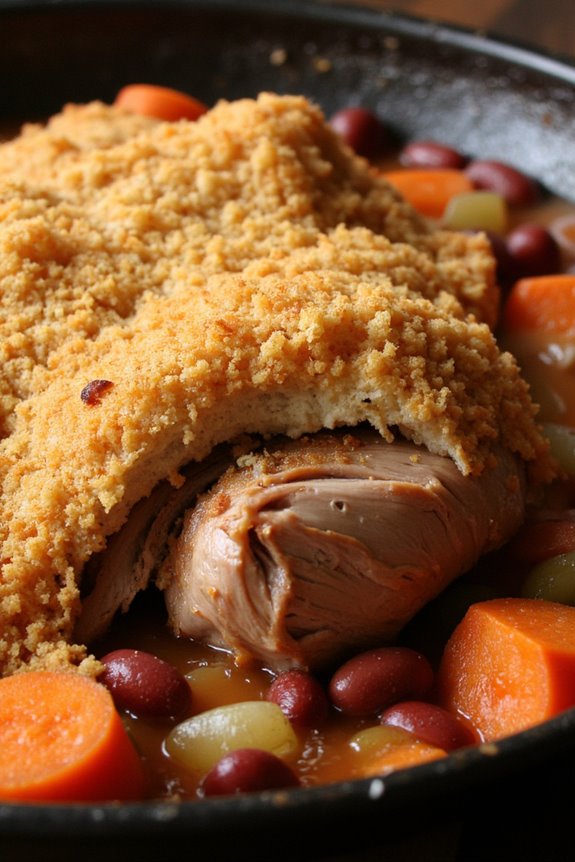
Duck Cassoulet is a classic French dish that warms the soul with its rich flavors and hearty ingredients. This slow-cooked casserole hails from the southwestern region of France, particularly from the town of Castelnaudary. Traditionally made with duck, white beans, and a medley of aromatic vegetables, this dish is perfect for special occasions or a cozy dinner at home. As you prepare this dish, the tantalizing aromas will fill your kitchen, making it an unforgettable culinary experience.
The beauty of Duck Cassoulet lies in its layers of flavor and the comfort it provides. The duck legs are braised to perfection, allowing the meat to become tender and infused with the essence of the ingredients. The white beans soak up the savory broth, creating a satisfying meal that pairs wonderfully with crusty bread and a glass of red wine. Despite its complexity, Duck Cassoulet is a rewarding dish to make, perfect for impressing guests or enjoying a leisurely family meal.
Ingredients (Serves 4-6)
- 4 duck legs
- 1 tablespoon olive oil
- 1 onion, diced
- 2 carrots, diced
- 2 celery stalks, diced
- 4 cloves garlic, minced
- 1 cup diced pancetta or bacon
- 1 cup dry white beans (such as cannellini or great northern), soaked overnight
- 4 cups chicken stock
- 1 cup dry white wine
- 1 tablespoon tomato paste
- 1 teaspoon dried thyme
- 1 bay leaf
- Salt and pepper to taste
- 1 cup breadcrumbs (for topping)
- 2 tablespoons fresh parsley, chopped (for garnish)
Cooking Instructions
- Prepare the Duck Legs: In a large, heavy-bottomed pot or Dutch oven, heat the olive oil over medium-high heat. Season the duck legs with salt and pepper, then add them to the pot, skin side down. Sear the duck legs for about 6-8 minutes until the skin is golden brown and crispy. Flip them over and cook for another 3-4 minutes. Remove the duck legs from the pot and set aside.
- Sauté the Vegetables: In the same pot, add the diced onion, carrots, and celery. Sauté the vegetables in the rendered duck fat for about 5-7 minutes, or until they’re softened. Add the minced garlic and pancetta (or bacon) and continue to cook for an additional 3-4 minutes, stirring occasionally.
- Combine the Ingredients: Stir in the soaked beans, chicken stock, white wine, tomato paste, thyme, and bay leaf. Bring the mixture to a gentle simmer, ensuring everything is well combined. Return the duck legs to the pot, nestling them into the bean mixture.
- Slow Cook the Cassoulet: Cover the pot with a lid and reduce the heat to low. Allow the cassoulet to cook for 2 to 3 hours, stirring occasionally, until the duck is tender and the beans are cooked through. If the mixture becomes too thick, add a bit more chicken stock or water to achieve the desired consistency.
- Finish with Breadcrumb Topping: Preheat your oven to 400°F (200°C). Once the cassoulet is cooked, remove the duck legs and set them aside. Transfer the cassoulet to a baking dish and place the duck legs on top. Sprinkle the breadcrumbs evenly over the dish. Bake in the preheated oven for about 20-25 minutes, or until the top is golden brown and crispy.
- Serve: Remove the cassoulet from the oven and let it cool slightly before serving. Garnish with fresh parsley and enjoy your Duck Cassoulet with crusty bread and a glass of wine.
Extra Tips
When making Duck Cassoulet, feel free to experiment with the ingredients. You can add other meats like sausages or even rabbit for a heartier dish. Additionally, using homemade chicken stock can elevate the flavors even more.
For the best results, allow the cassoulet to sit for a few hours or even overnight; the flavors will deepen and improve as it rests. Reheat gently before serving, and don’t forget to savor each comforting bite!
Spiced Duck Leg With Honey Glaze
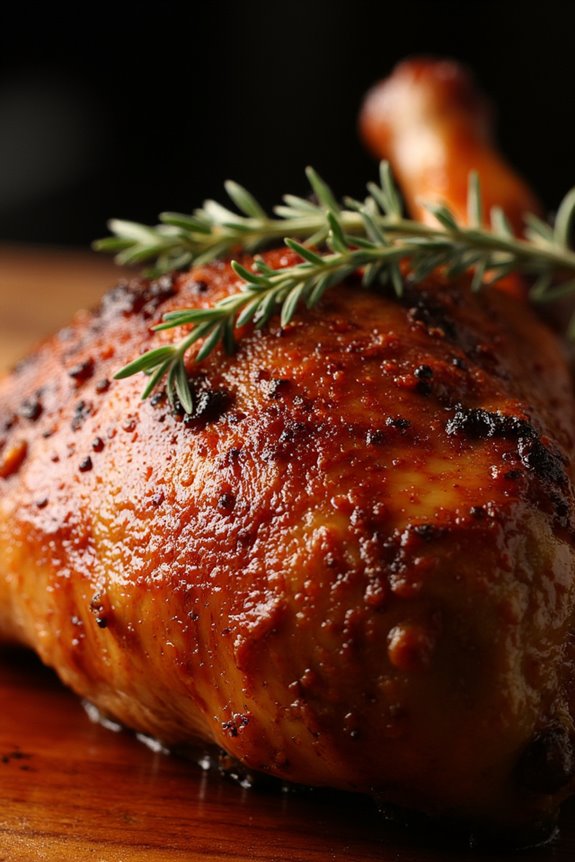
The Spiced Duck Leg With Honey Glaze is a delightful dish that marries the rich flavors of duck with a sweet and aromatic glaze. This recipe is perfect for a special occasion or a cozy dinner at home. The combination of spices enhances the natural flavor of the duck, while the honey glaze adds a touch of sweetness that balances the savory elements beautifully. Serve this dish with a side of roasted vegetables or a fresh salad to complete the meal.
Cooking duck can be intimidating for some, but with the right technique and preparation, you’ll find it to be a rewarding experience. The slow cooking method allows the duck to become tender and juicy, while the skin crisps up to a perfect texture. With this recipe, you’ll impress your family and friends with a culinary experience that feels both elegant and comforting.
Ingredients (Serves 4-6):
- 4-6 duck legs
- 2 tablespoons olive oil
- 1 teaspoon ground cinnamon
- 1 teaspoon ground cumin
- 1 teaspoon smoked paprika
- 1 teaspoon black pepper
- 1 teaspoon salt
- 4 cloves garlic, minced
- 1/4 cup honey
- 1/4 cup soy sauce
- 2 tablespoons apple cider vinegar
- Fresh thyme for garnish
Cooking Instructions:
- Prepare the Duck Legs: Start by patting the duck legs dry with paper towels. This step is important as it helps achieve a crispy skin. Season the duck legs generously with salt and pepper on both sides. Allow them to sit at room temperature for about 30 minutes to guarantee that they cook evenly.
- Mix the Spice Rub: In a small bowl, combine the ground cinnamon, ground cumin, smoked paprika, and black pepper. Mix well to create a spice rub. Rub this mixture all over the duck legs, making sure to coat them evenly. This will infuse the meat with aromatic flavors.
- Sear the Duck Legs: In a large skillet or oven-safe pan, heat the olive oil over medium-high heat. Once hot, place the duck legs skin-side down in the pan. Sear for about 5-7 minutes until the skin is golden brown and crispy. Flip the legs over and cook for an additional 3-4 minutes. This step locks in the moisture and enhances the flavor.
- Prepare the Glaze: In a separate bowl, whisk together the honey, soy sauce, apple cider vinegar, and minced garlic. This mixture will serve as the glaze that adds sweetness and depth to the duck.
- Bake the Duck Legs: Preheat your oven to 350°F (175°C). After searing, pour the honey glaze over the duck legs in the skillet. Transfer the skillet to the preheated oven and bake for 45-60 minutes. Baste the duck legs with the glaze every 15 minutes to make sure they stay moist and flavorful.
- Finish and Serve: Once the duck legs are tender and the internal temperature reaches at least 165°F (75°C), remove them from the oven. Let them rest for about 10 minutes before serving. Garnish with fresh thyme for an added touch of flavor and presentation.
Extra Tips: When cooking duck, it’s important to render out some of the fat for a crispy skin. If there’s excess fat in the pan after searing, you can spoon some out before adding the glaze.
Additionally, feel free to experiment with different spices based on your taste preferences. A touch of chili powder can add a nice kick, or you can use fresh herbs like rosemary for a fragrant twist. Enjoy your culinary adventure with this exquisite dish!
Duck Pâté En Croûte
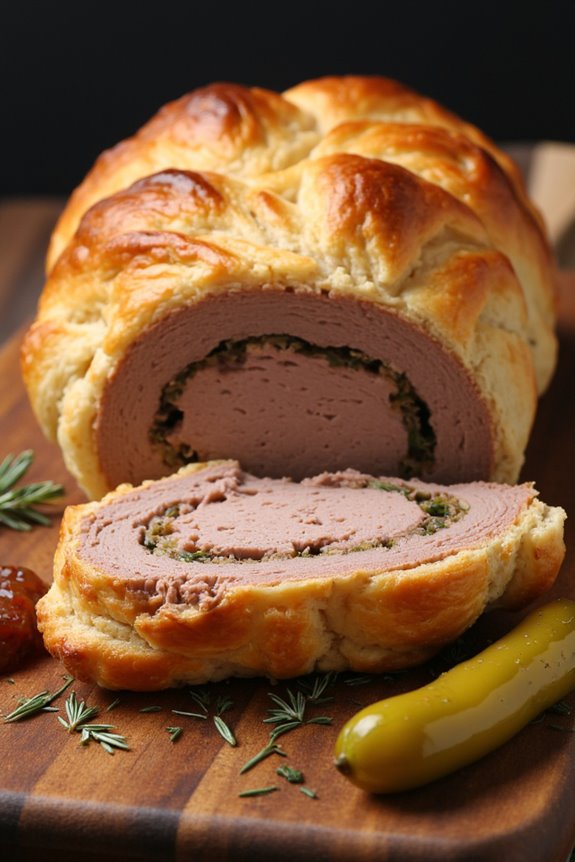
Duck Pâté En Croûte is a classic French dish that beautifully combines the rich flavors of duck with a flaky pastry crust. This dish isn’t only a feast for the palate but also for the eyes, as it presents an elegant centerpiece for any dinner party or special occasion. The pâté is often filled with a mixture of duck meat, spices, and sometimes even foie gras, encased in a savory pastry that crisps up perfectly during baking. This culinary delight is best served chilled, sliced, and accompanied by a tangy chutney or pickles.
Making Duck Pâté En Croûte may seem intimidating at first, but with the right preparation and a little patience, you can create a stunning dish that will impress your guests. The key is to guarantee that the filling is well seasoned and that the pastry is rolled out evenly. Allow yourself enough time to chill the pastry and the filling before assembly, as this will help maintain structure and enhance the flavors. Once you master this recipe, it will become a go-to for your French-inspired dinner gatherings.
Ingredients (serves 4-6):
- 1 pound duck breast, skin-on and boneless
- 1/2 pound ground pork
- 1/4 pound foie gras (optional)
- 1 small onion, finely chopped
- 2 cloves garlic, minced
- 1 tablespoon fresh thyme leaves
- 1 tablespoon brandy or cognac
- 1/2 teaspoon salt
- 1/4 teaspoon black pepper
- 1/4 teaspoon nutmeg
- 1 package puff pastry (two sheets, thawed)
- 1 egg, beaten (for egg wash)
- 1 tablespoon Dijon mustard
Cooking Instructions:
- Prepare the Filling: In a skillet over medium heat, sauté the chopped onion and minced garlic until they become translucent. Remove from heat and let cool. In a mixing bowl, combine the duck breast (cut into small cubes), ground pork, and foie gras if using. Add the sautéed onion and garlic, thyme, brandy, salt, pepper, and nutmeg. Mix until well combined. Cover and refrigerate for at least 1 hour to allow flavors to meld.
- Roll Out the Pastry: On a lightly floured surface, roll out one sheet of puff pastry to fit your loaf pan (usually around 9×5 inches). The pastry should be about 1/8 inch thick. Carefully transfer the pastry to the pan, allowing the excess to hang over the edges.
- Assemble the Pâté: Preheat your oven to 375°F (190°C). Take the chilled filling from the refrigerator and spoon it into the pastry-lined loaf pan. Press down gently to eliminate any air pockets. Fold the excess pastry over the top, sealing the edges well. If desired, you can use a fork to crimp the edges for a decorative touch.
- Add the Egg Wash: Brush the top of the pastry with the beaten egg wash to give it a beautiful golden color when baked. You may also score a few slits in the top of the pastry to allow steam to escape.
- Bake the Pâté: Place the loaf pan in the preheated oven and bake for about 45-50 minutes, or until the pastry is golden brown and cooked through. Use a meat thermometer to verify the internal temperature of the filling reaches 160°F (70°C).
- Cool and Serve: Once baked, remove the pâté from the oven and let it cool in the pan for about 15 minutes. Then, carefully remove it from the pan and let it cool completely on a wire rack. This dish is best served chilled, so cover and refrigerate for at least 2 hours before slicing.
Extra Tips: When making Duck Pâté En Croûte, don’t rush the chilling process; allowing the filling and pastry to cool helps maintain their structure, making assembly much easier. Feel free to experiment with additional herbs and spices in your filling for a unique flavor profile.
If you have leftovers, they can be stored in the refrigerator for several days and are even better the next day, allowing the flavors to further develop. Serve with a side of cornichons or a homemade chutney for a delightful contrast.
Duck and Lentil Salad
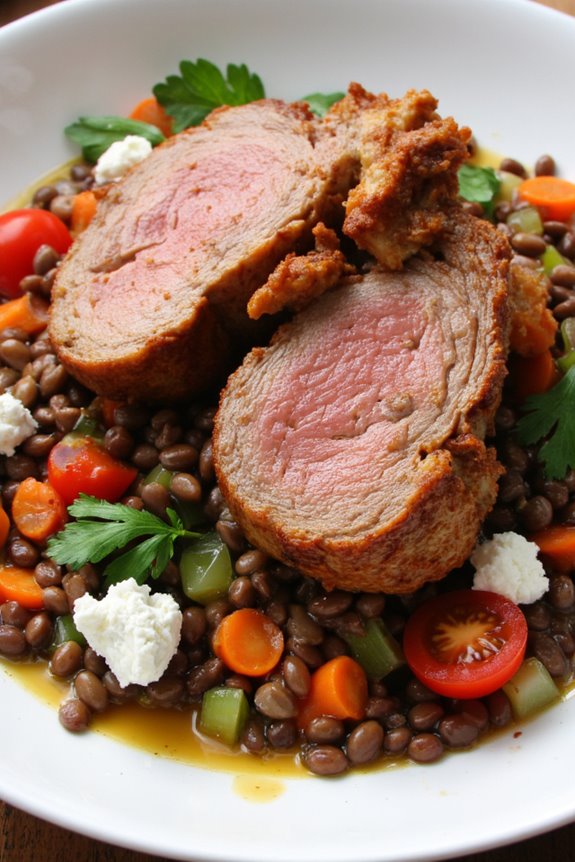
Duck and lentil salad is a delightful and sophisticated dish that beautifully marries the rich flavors of duck with the earthy tones of lentils. This hearty salad not only serves as a fantastic main course but also stands out as a stunning centerpiece for any dinner party. The tender, succulent duck pairs wonderfully with the protein-packed lentils, creating a meal that’s both satisfying and nutritious.
To elevate this dish, you can add seasonal vegetables and a zesty vinaigrette, which will enhance the flavors and add a revitalizing crunch. The combination of textures—from the crispy skin of the duck to the soft lentils—makes this salad a feast for the senses. Perfect for a special occasion or a cozy family dinner, this Duck and Lentil Salad will surely impress your guests and leave them asking for the recipe.
Ingredients (Serves 4-6):
- 4 duck breasts
- 1 cup green or brown lentils, rinsed
- 4 cups chicken or vegetable broth
- 1 medium onion, diced
- 2 cloves garlic, minced
- 1 carrot, diced
- 1 celery stalk, diced
- 1/4 cup fresh parsley, chopped
- 1/4 cup red wine vinegar
- 1/4 cup olive oil
- Salt and pepper to taste
- 1 teaspoon Dijon mustard
- 1 teaspoon honey
- 1 cup cherry tomatoes, halved (optional)
- 1/4 cup goat cheese, crumbled (optional)
Cooking Instructions:
- Prepare the Lentils: In a medium saucepan, combine the rinsed lentils and chicken or vegetable broth. Bring to a boil over medium heat, then reduce to a simmer. Cook for about 20-25 minutes or until the lentils are tender but still hold their shape. Once cooked, drain any excess liquid and set aside to cool.
- Cook the Duck: While the lentils are cooking, score the skin of the duck breasts in a crisscross pattern, being careful not to cut into the meat. Season both sides with salt and pepper. In a large skillet over medium-high heat, place the duck breasts skin-side down. Cook for about 6-8 minutes until the skin is crispy and golden brown. Flip the duck and cook for another 4-6 minutes, or until the internal temperature reaches 135°F for medium-rare. Remove from the skillet and let rest for 5 minutes before slicing.
- Sauté the Vegetables: In the same skillet used to cook the duck, add the diced onion, carrot, celery, and minced garlic. Sauté over medium heat for about 5-7 minutes, or until the vegetables are softened and fragrant. Season with salt and pepper to taste.
- Combine Ingredients: In a large bowl, combine the cooked lentils, sautéed vegetables, and chopped parsley. In a separate small bowl, whisk together the red wine vinegar, olive oil, Dijon mustard, and honey to create a vinaigrette. Pour the vinaigrette over the lentil mixture and toss to combine gently.
- Plate the Salad: To serve, divide the lentil salad among plates and top with slices of the duck breast. If desired, add halved cherry tomatoes and crumbled goat cheese for additional flavor and texture. Drizzle with extra vinaigrette if preferred.
Extra Tips:
For the best flavor, let the duck rest after cooking to allow the juices to redistribute, which will keep the meat moist. Additionally, feel free to customize the salad by incorporating your favorite herbs or vegetables, such as arugula or roasted beets.
This salad can be served warm or at room temperature, making it versatile for various occasions. Enjoy the delightful combination of flavors as you savor each bite!
