


As I’ve been exploring the delightful world of French cuisine, I’ve stumbled upon some scrumptious pork dishes that achieve that perfect crispy edge we all adore. From the savory cochon de lait to the cozy bâton de porc, these recipes each bring a unique touch to your dinner table. You might be surprised at how effortlessly these options can elevate your mealtime routine. These flavorful choices are sure to impress and add a little French flair to your cooking. Let’s uncover the secrets behind these mouthwatering creations.
Cochon De Lait: Whole Roasted Suckling Pig
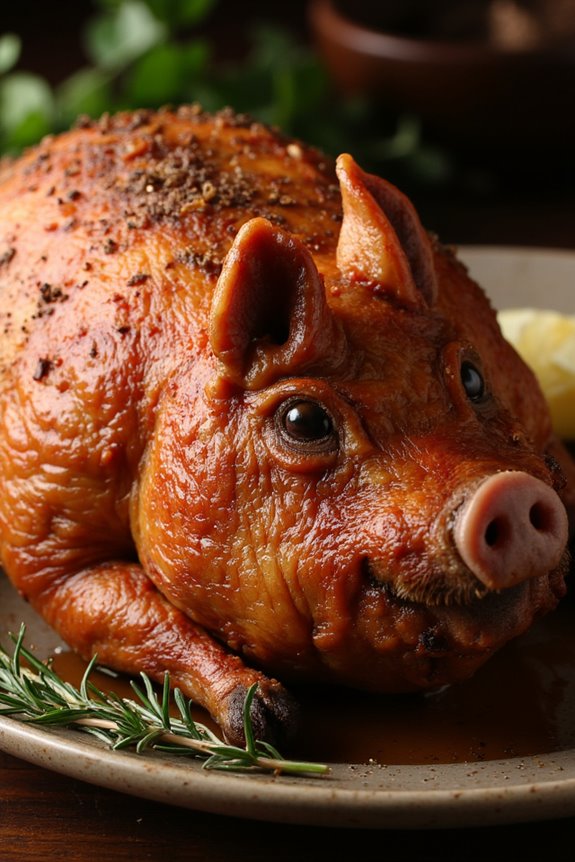
Cochon de lait, or whole roasted suckling pig, is a culinary masterpiece that embodies the essence of French rustic cooking. Traditionally served during festive occasions and family gatherings, this dish features a tender young pig that’s marinated, slow-roasted, and served with crispy skin and succulent meat. The preparation requires some patience, but the result is a show-stopping centerpiece that captivates both the eyes and the palate. This recipe will guide you through the steps to achieve that perfect balance of flavor and texture, making your gathering a memorable one.
When preparing cochon de lait, it’s vital to choose a high-quality suckling pig, typically weighing between 20 to 30 pounds. The pig should be well-cleaned and preferably prepped by a professional butcher to guarantee it’s ready for roasting. The flavor profile often includes garlic, herbs, and a mix of spices, enhancing the natural taste of the meat. Pair this dish with traditional sides like roasted vegetables or a fresh salad to complete your French-inspired dinner.
Ingredients (Serves 4-6)
- 1 whole suckling pig (20-30 pounds)
- 1 cup olive oil
- 10 cloves garlic, minced
- 2 tablespoons fresh rosemary, chopped
- 2 tablespoons fresh thyme, chopped
- 2 tablespoons fresh sage, chopped
- 2 tablespoons kosher salt
- 1 tablespoon black pepper
- 1 lemon, zested and juiced
- 1 cup white wine or chicken broth (for basting)
Cooking Instructions
- Prepare the Pig: Confirm the suckling pig is thoroughly cleaned and prepped. Pat it dry with paper towels and place it on a large roasting rack inside a roasting pan. This will allow for even cooking and proper airflow.
- Make the Marinade: In a bowl, combine olive oil, minced garlic, chopped herbs (rosemary, thyme, and sage), kosher salt, black pepper, lemon zest, and lemon juice. Mix well until it forms a paste.
- Marinate the Pig: Rub the marinade all over the pig, making sure to get it into the cavities and under the skin where possible. Cover the pig with plastic wrap and let it marinate in the refrigerator for at least 6 hours or overnight for the best flavor.
- Preheat the Oven: About 1 hour before cooking, preheat your oven to 250°F (120°C). This low temperature will help render the fat and keep the meat tender.
- Roast the Pig: Remove the pig from the refrigerator and let it come to room temperature for about 30 minutes. Place the pig in the preheated oven and roast for approximately 6-8 hours, basting every hour with white wine or chicken broth to keep it moist.
- Crisp the Skin: To achieve a crispy skin, increase the oven temperature to 425°F (220°C) for the last 30-45 minutes of cooking. Keep a close eye on it to prevent burning.
- Check for Doneness: The pig is done when the internal temperature reaches 160°F (70°C) in the thickest part of the shoulder and the skin is golden brown and crispy.
- Rest and Serve: Once cooked, remove the pig from the oven and let it rest for 30 minutes before carving. Serve it with your choice of sides, and enjoy!
Extra Tips
When preparing cochon de lait, verify that you have enough space in your oven or consider using an outdoor rotisserie if available.
Cooking times can vary based on the size of the pig, so use a meat thermometer to check for doneness accurately.
Additionally, invite friends or family to help with the carving, as this dish is often enjoyed best when shared, creating a festive atmosphere around the dining table.
Porc Aux Pruneaux: Pork With Prunes
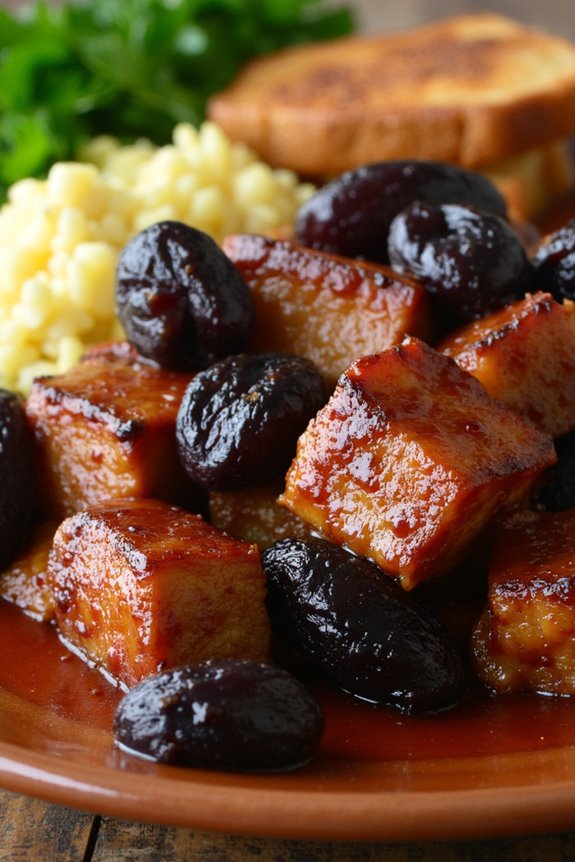
Porc Aux Pruneaux, or Pork With Prunes, is a classic French dish that beautifully marries the savory flavors of pork with the natural sweetness of prunes. This dish isn’t only a delightful representation of French cuisine but also brings warmth and comfort to any dinner table.
The rich, succulent pork combined with the tender, caramelized prunes creates a symphony of flavors that will leave your guests asking for seconds. Whether you’re hosting a dinner party or enjoying a family meal, this dish is bound to impress.
The preparation of Porc Aux Pruneaux is surprisingly simple, making it an accessible dish for both beginner and seasoned cooks. With a few key ingredients and some patience, you can create a flavorful and aromatic meal that showcases the essence of French cooking.
Serve this dish with a side of creamy mashed potatoes or a fresh green salad to round out the meal.
Ingredients (serves 4-6):
- 2 lbs pork shoulder, cut into 1.5-inch cubes
- 1 cup pitted prunes
- 2 tablespoons olive oil
- 1 large onion, finely chopped
- 2 cloves garlic, minced
- 1 cup chicken broth
- 1 cup dry white wine
- 2 tablespoons Dijon mustard
- 1 teaspoon dried thyme
- Salt and pepper to taste
- Fresh parsley for garnish (optional)
Cooking Instructions:
- Prepare the Pork: Begin by patting the pork shoulder cubes dry with paper towels. This will help achieve a nice sear. Season the pork generously with salt and pepper.
- Sear the Meat: In a large, heavy-bottomed pot or Dutch oven, heat the olive oil over medium-high heat. Add the seasoned pork cubes in batches, ensuring not to overcrowd the pot. Sear the meat until browned on all sides, about 3-4 minutes per side. Once browned, remove the pork from the pot and set it aside on a plate.
- Sauté the Aromatics: In the same pot, add the chopped onion and cook until softened and translucent, about 5 minutes. Stir in the minced garlic and cook for an additional minute until fragrant.
- Deglaze the Pot: Pour in the dry white wine, scraping the bottom of the pot with a wooden spoon to release any browned bits. This will add depth of flavor to your dish. Allow the wine to simmer for a couple of minutes until slightly reduced.
- Combine Ingredients: Return the seared pork to the pot. Add the chicken broth, Dijon mustard, dried thyme, and prunes. Stir to combine all the ingredients well.
- Simmer: Bring the mixture to a gentle boil, then reduce the heat to low. Cover the pot and let it simmer for about 1.5 to 2 hours, or until the pork is tender and easily pulls apart with a fork. Stir occasionally and check to ascertain there’s enough liquid; add more broth or water if necessary.
- Finish and Serve: Once the pork is tender, taste and adjust the seasoning with more salt and pepper if needed. Serve hot, garnished with fresh parsley if desired. Enjoy your Porc Aux Pruneaux with mashed potatoes or crusty bread to soak up the delicious sauce.
Extra Tips:
To enhance the flavor of your Porc Aux Pruneaux, consider marinating the pork in the wine and thyme for a few hours or overnight before cooking. This will infuse the meat with additional depth and richness.
Additionally, feel free to experiment with adding other ingredients like carrots or celery for extra texture and flavor. Finally, this dish can be made ahead of time and reheated, as the flavors intensify with time, making it a great option for meal prep or entertaining.
Rôti De Porc: French Roast Pork
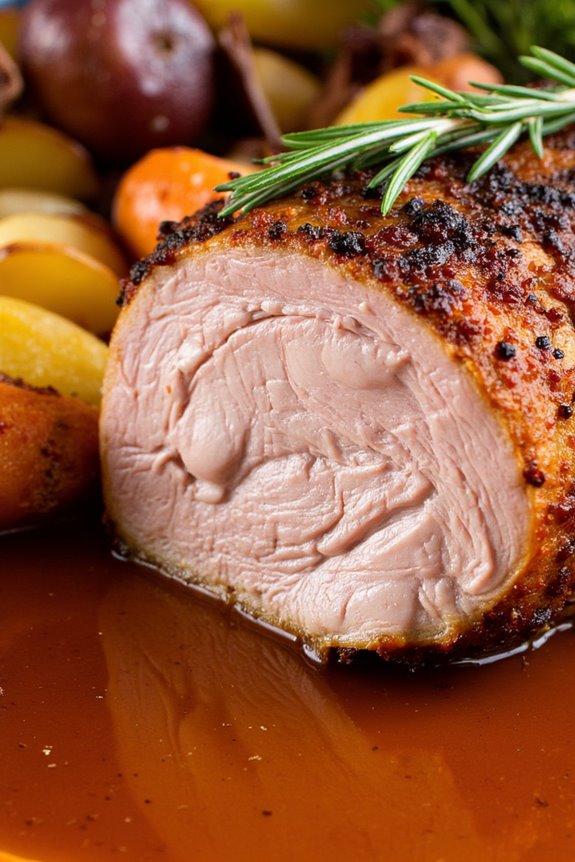
Rôti De Porc, a classic French roast pork dish, embodies the essence of French cuisine with its rich flavors and succulent texture. This dish is typically prepared with a pork loin, seasoned to perfection, and roasted until golden brown. The result is an impressive centerpiece for any dinner table, perfect for gatherings or special occasions. The natural juices from the pork create a delectable sauce that pairs beautifully with roasted vegetables or a creamy potato purée.
The preparation of Rôti De Porc is straightforward, yet it requires attention to detail to guarantee the meat remains tender and flavorful. Marinating the pork in aromatic herbs and spices not only enhances its taste but also infuses the meat with moisture. The slow roasting process allows the flavors to meld together, culminating in a dish that’s both comforting and indulgent.
Whether served with a side of seasonal vegetables or a crusty baguette, Rôti De Porc is sure to impress your guests.
Ingredients (serving size of 4-6 people):
- 3-4 lbs pork loin
- 4 cloves garlic, minced
- 2 tablespoons fresh rosemary, chopped
- 2 tablespoons fresh thyme, chopped
- 1 tablespoon Dijon mustard
- 2 tablespoons olive oil
- Salt and pepper to taste
- 1 cup chicken broth
- 1 cup white wine (optional)
- 2 tablespoons butter
Cooking Instructions:
- Prepare the Marinade: In a small bowl, mix the minced garlic, chopped rosemary, chopped thyme, Dijon mustard, olive oil, salt, and pepper to create a marinade. This mixture will infuse the pork with aromatic flavors.
- Marinate the Pork: Rub the marinade all over the pork loin, guaranteeing it’s evenly coated. For best results, cover the pork and let it marinate in the refrigerator for at least 2 hours, or preferably overnight. This allows the flavors to penetrate the meat.
- Preheat the Oven: Preheat your oven to 375°F (190°C). A properly preheated oven is essential for achieving a crispy exterior while keeping the interior juicy.
- Sear the Pork: In a large oven-safe skillet or roasting pan, heat a tablespoon of olive oil over medium-high heat. Once hot, sear the marinated pork loin on all sides until it’s golden brown. This step locks in the juices and enhances the flavor.
- Add Liquids: After searing, pour the chicken broth and white wine (if using) around the pork in the skillet. This will help keep the pork moist during roasting and create a delicious sauce.
- Roast the Pork: Transfer the skillet to the preheated oven and roast the pork for about 1 hour or until the internal temperature reaches 145°F (63°C). Baste the pork occasionally with the pan juices for added moisture and flavor.
- Rest the Meat: Once cooked, remove the pork from the oven and transfer it to a cutting board. Cover it loosely with aluminum foil and let it rest for 10-15 minutes. This resting period allows the juices to redistribute throughout the meat.
- Make the Sauce: While the pork is resting, place the skillet back over medium heat. Stir in the butter and cook the pan juices until slightly thickened. This will serve as a delicious sauce to drizzle over the sliced pork.
- Slice and Serve: After resting, slice the pork loin into thick pieces. Serve with the pan sauce drizzled over the top, accompanied by your choice of sides.
Extra Tips:
To elevate your Rôti De Porc, consider adding vegetables such as carrots, potatoes, and onions to the roasting pan. They’ll absorb the flavors from the pork and create a complete meal.
Additionally, using a meat thermometer guarantees perfect doneness, preventing overcooking. Finally, don’t shy away from experimenting with different herbs, such as sage or parsley, to find your perfect flavor profile. Enjoy your culinary adventure with this classic French dish!
Sauté De Porc: Pork Sauté With Mustard
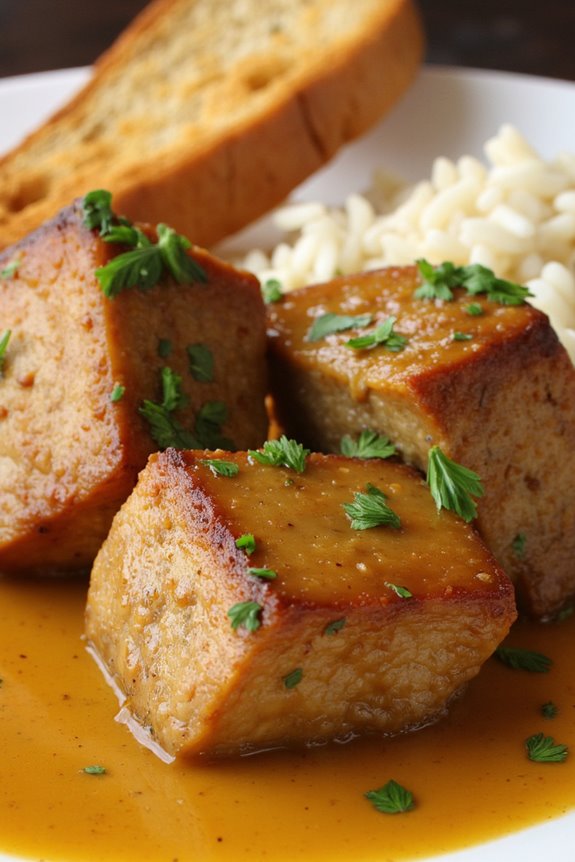
Sauté De Porc, or Pork Sauté With Mustard, is a delightful French dish that brings together tender pieces of pork with the robust flavors of mustard and aromatic herbs. This dish isn’t only simple to prepare but also offers a rich and savory experience that’s certain to impress at any dinner table.
Whether you’re hosting a dinner party or preparing a cozy meal for your family, this recipe is perfect for serving 4-6 people and will transport your taste buds to the heart of France.
The key to a successful Sauté De Porc lies in the quality of the pork and the balance of flavors in the sauce. Using Dijon mustard adds a sharp tang that complements the natural sweetness of the pork, while a splash of white wine brings depth to the dish.
Serve this delightful sauté with crusty bread or over a bed of fluffy rice to soak up the delicious sauce.
Ingredients
- 2 pounds of pork shoulder, cut into 1-inch cubes
- 3 tablespoons of Dijon mustard
- 2 tablespoons of olive oil
- 1 medium onion, chopped
- 3 cloves of garlic, minced
- 1 cup of white wine (such as Sauvignon Blanc)
- 1 cup of chicken broth
- 1 tablespoon of fresh thyme leaves (or 1 teaspoon dried thyme)
- 2 tablespoons of fresh parsley, chopped (for garnish)
- Salt and pepper to taste
Cooking Instructions
- Marinate the Pork: In a large mixing bowl, combine the cubed pork shoulder with the Dijon mustard, salt, and pepper. Ascertain that the pork is evenly coated with the mustard. Let it marinate for at least 30 minutes at room temperature, or up to 2 hours in the refrigerator for a more intense flavor.
- Sear the Pork: Heat the olive oil in a large skillet or Dutch oven over medium-high heat. Once hot, add the marinated pork cubes in batches, ensuring not to overcrowd the pan. Sear the pork for about 4-5 minutes on each side, until it’s golden brown. Remove the pork from the skillet and set aside.
- Sauté the Aromatics: In the same skillet, add the chopped onion and sauté for about 3-4 minutes until it becomes translucent. Then, add the minced garlic and cook for an additional 30 seconds until fragrant.
- Deglaze the Pan: Pour in the white wine, scraping the bottom of the skillet with a wooden spoon to release any browned bits. Allow the wine to simmer for about 2 minutes, reducing slightly.
- Create the Sauce: Add the chicken broth and thyme to the skillet, stirring to combine. Bring the mixture to a gentle boil.
- Cook the Pork: Return the seared pork to the skillet, stirring to coat it in the sauce. Reduce the heat to low, cover, and let it simmer for about 30-40 minutes, or until the pork is tender and cooked through. Stir occasionally and adjust seasoning with salt and pepper as needed.
- Finish and Serve: Once the pork is tender, remove the skillet from heat. Sprinkle with fresh parsley for garnish and serve immediately with your choice of side.
Extra Tips
For an added depth of flavor, consider incorporating a splash of heavy cream at the end of cooking to create a richer sauce.
Additionally, you can substitute the white wine with apple cider for a sweeter twist, or add some sliced mushrooms along with the onions for extra heartiness.
Make sure to taste and adjust the seasoning before serving, as the flavors can develop further during the simmering process. Enjoy your Sauté De Porc with a side of roasted vegetables or a light salad for a complete meal!
Boudin Blanc: White Blood Sausage

Boudin Blanc, a traditional French delicacy, is a rich and savory white blood sausage made primarily from pork, cream, and spices. Originating from the French countryside, this dish has become a beloved staple in many regions, celebrated for its delicate flavor and smooth texture.
It’s often served with a side of sautéed apples or a tangy mustard sauce, which beautifully complements its richness. Preparing Boudin Blanc at home can be a rewarding experience, allowing you to savor the authentic taste of French cuisine right in your kitchen.
Making Boudin Blanc involves a few key steps, including preparing the sausage mixture, filling the casings, and cooking them gently. While the process may seem intricate, with careful attention to detail and a bit of patience, you can create this luxurious dish that will impress your family and friends.
Whether you choose to grill, poach, or pan-fry the sausages, the result will be tender, flavor-packed bites that are perfect for a special occasion or a cozy dinner at home.
Ingredients (serving size: 4-6 people)
- 1 lb (450g) pork shoulder, finely ground
- 1/2 lb (225g) pork fatback, finely ground
- 1 cup (240ml) heavy cream
- 2 large eggs
- 1/2 cup (60g) fresh breadcrumbs
- 1 small onion, finely chopped
- 2 cloves garlic, minced
- 1 teaspoon salt
- 1/2 teaspoon black pepper
- 1/2 teaspoon nutmeg
- 1/2 teaspoon white pepper
- 1/4 cup (60ml) brandy or cognac
- Sausage casings (natural or synthetic)
Cooking Instructions
- Prepare the Sausage Mixture: In a large mixing bowl, combine the finely ground pork shoulder and pork fatback. Add the chopped onion, minced garlic, breadcrumbs, salt, black pepper, nutmeg, and white pepper. Mix the ingredients thoroughly to guarantee even distribution of spices.
- Incorporate Wet Ingredients: In a separate bowl, whisk together the heavy cream and eggs until well combined. Gradually pour the cream and egg mixture into the meat mixture, stirring continuously until everything is blended smoothly. The mixture should be creamy and slightly sticky.
- Add Brand and Adjust Seasoning: Pour in the brandy or cognac and mix well to incorporate. Taste the mixture and adjust seasoning if necessary, adding more salt or pepper according to your preference.
- Prepare Sausage Casings: If using natural casings, rinse them thoroughly under cold water and soak them in water for about 30 minutes to soften. Rinse again before using. If using synthetic casings, follow the package instructions.
- Fill the Casings: Using a sausage stuffer, carefully fill each casing with the sausage mixture, being cautious not to overstuff them. Tie off the ends of the casings securely with butcher twine.
- Cook the Sausages: You can cook the Boudin Blanc by poaching or pan-frying. To poach, gently place the sausages in simmering water (not boiling) for about 20-25 minutes until cooked through. To pan-fry, heat a little oil in a skillet over medium heat and cook the sausages for about 5-7 minutes per side until golden brown and cooked through.
- Rest and Serve: Allow the sausages to rest for a few minutes before slicing. Serve warm with sautéed apples, a drizzle of mustard sauce, or your choice of sides.
Extra Tips
When making Boudin Blanc, verify that all your ingredients are cold, as this will help maintain a smooth texture in the sausage mixture. If you prefer a more pronounced flavor, consider adding herbs like thyme or parsley to the mixture.
Additionally, make sure to keep an eye on the cooking temperature; poaching should be done gently to prevent the sausages from bursting. Finally, consider making a double batch, as Boudin Blanc freezes well and can be enjoyed later on.
Escalope De Porc À La Crème: Creamy Pork Escalopes

Escalope De Porc À La Crème, or Creamy Pork Escalopes, is a classic French dish that brings together tender pork cutlets and a rich, creamy sauce. This dish is perfect for a cozy family dinner or a special occasion. The combination of sautéed pork, fresh herbs, and a luxurious cream sauce creates a delightful flavor profile that pairs wonderfully with rice, mashed potatoes, or crusty bread to soak up the sauce.
This recipe is straightforward yet impressive, making it an excellent choice for both novice and experienced cooks. The key to perfect escalopes lies in the cooking technique: you want to sear the pork quickly to keep it juicy while creating a delicious sauce that enhances the natural flavors of the meat. Let’s explore the ingredients and cooking instructions for this delectable dish, serving 4-6 people.
Ingredients:
- 4-6 pork escalopes (about 150-200g each)
- Salt and pepper, to taste
- 2 tablespoons olive oil
- 2 tablespoons butter
- 1 medium onion, finely chopped
- 2 cloves garlic, minced
- 200ml heavy cream
- 100ml white wine (optional)
- 1 tablespoon Dijon mustard
- 1 tablespoon fresh parsley, chopped (for garnish)
Cooking Instructions:
- Prepare the Pork: Season the pork escalopes with salt and pepper on both sides. Make sure the meat is at room temperature before cooking, as this helps to guarantee even cooking and tenderness.
- Sear the Escalopes: In a large skillet, heat the olive oil and 1 tablespoon of butter over medium-high heat. Once the oil is hot, add the pork escalopes in a single layer. Cook for about 3-4 minutes on each side until they’re golden brown and cooked through. Avoid overcrowding the pan; cook in batches if necessary. Remove the cooked escalopes from the skillet and set them aside on a plate.
- Sauté Onions and Garlic: In the same skillet, add the remaining tablespoon of butter. Once melted, add the chopped onion and sauté until translucent, about 3-4 minutes. Add the minced garlic and cook for an additional minute, stirring continuously to prevent burning.
- Create the Sauce: Pour in the white wine (if using) and let it simmer for about 2 minutes, scraping the bottom of the pan to deglaze and incorporate any browned bits. Then, add the heavy cream and Dijon mustard, stirring well to combine. Allow the sauce to simmer on low heat for a few minutes until it thickens slightly.
- Combine and Serve: Return the pork escalopes to the skillet, coating them well with the creamy sauce. Let them cook together for another 2 minutes to heat through. Taste the sauce and adjust the seasoning if necessary. Garnish with freshly chopped parsley before serving.
Extra Tips:
When making Escalope De Porc À La Crème, make sure that you don’t overcook the pork, as it can become tough and dry. For a deeper flavor, you can marinate the escalopes in a little olive oil, garlic, and herbs for a few hours before cooking.
Additionally, feel free to add mushrooms or spinach to the sauce for an extra layer of flavor and nutrition. Enjoy your homemade French meal with a side of your choice!
Côtelettes De Porc: French Pork Chops
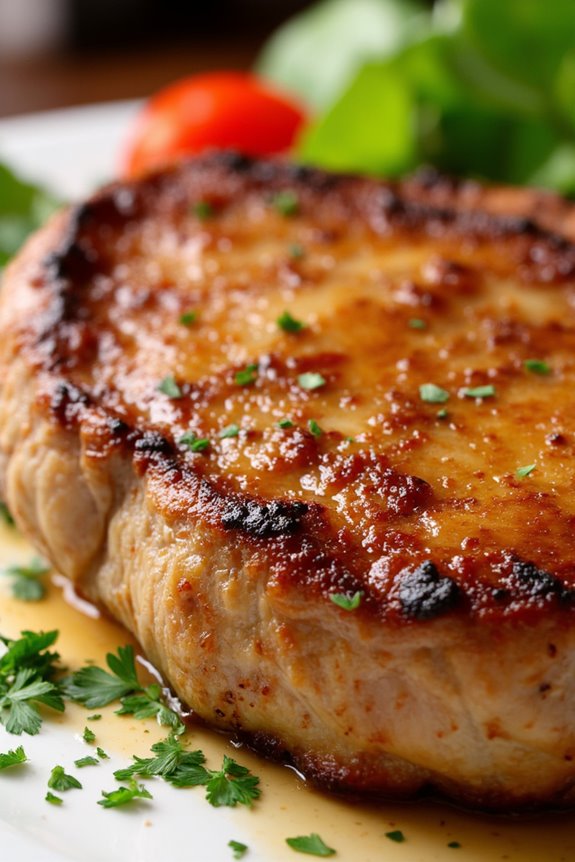
Côtelettes de Porc, or French pork chops, are a delightful dish that showcases the tender, juicy flavor of pork enhanced by aromatic herbs and a savory sauce. This recipe captures the essence of French cuisine, where quality ingredients and careful preparation come together to create a memorable meal.
Perfect for a family dinner or a special occasion, these pork chops are often served with seasonal vegetables or a light salad, making them both satisfying and elegant.
Preparing Côtelettes de Porc is relatively straightforward, even for novice cooks. With a focus on simplicity and taste, this dish emphasizes the importance of properly seasoning the meat and allowing it to rest before serving. The result is a succulent pork chop that pairs wonderfully with a variety of sides, providing a well-rounded dining experience that will impress your guests.
Ingredients (Serves 4-6)
- 4-6 bone-in pork chops (about 1 inch thick)
- 2 tablespoons olive oil
- 2 cloves garlic, minced
- 1 tablespoon fresh thyme leaves (or 1 teaspoon dried thyme)
- 1 tablespoon Dijon mustard
- 1 tablespoon white wine vinegar
- Salt and freshly ground black pepper to taste
- 1 tablespoon butter
- Fresh parsley, chopped (for garnish)
Cooking Instructions
- Prepare the Pork Chops: Start by patting the pork chops dry with paper towels. This step is essential as it helps achieve a nice sear. Season both sides generously with salt and freshly ground black pepper.
- Create the Marinade: In a small bowl, combine the minced garlic, thyme, Dijon mustard, white wine vinegar, and a pinch of salt and pepper. Mix well to create a marinade.
- Marinate the Chops: Rub the marinade all over the pork chops, making sure they’re evenly coated. You can let them marinate for at least 30 minutes at room temperature, or for up to 2 hours in the refrigerator for deeper flavor.
- Heat the Pan: In a large skillet, heat the olive oil over medium-high heat. Once the oil is hot and shimmering, it’s time to add the pork chops.
- Sear the Chops: Carefully place the marinated pork chops in the skillet. Sear them for about 4-5 minutes on each side, or until they develop a golden-brown crust. Use tongs to flip the chops gently.
- Add Butter: In the last minute of cooking, add the butter to the pan. As it melts, spoon the buttery liquid over the chops to baste them, which will add flavor and help keep them moist.
- Rest the Chops: Once cooked through (the internal temperature should reach 145°F), remove the pork chops from the skillet and place them on a plate. Cover with foil and let them rest for 5-10 minutes. This allows the juices to redistribute within the meat.
- Serve: Garnish the pork chops with chopped parsley before serving. Arrange them on a platter alongside your choice of sides.
Extra Tips
For the best flavor, consider using high-quality, bone-in pork chops, which tend to be juicier and more flavorful than their boneless counterparts.
You can also experiment with different herbs such as rosemary or sage to create variations in flavor. If you want to add a touch of sweetness, consider finishing the dish with a drizzle of balsamic glaze or a fruit-based sauce, such as apple or cherry, which pairs beautifully with pork.
Remember to always let your meat rest after cooking to guarantee maximum juiciness!
Filet Mignon De Porc: Pork Tenderloin With Herbs
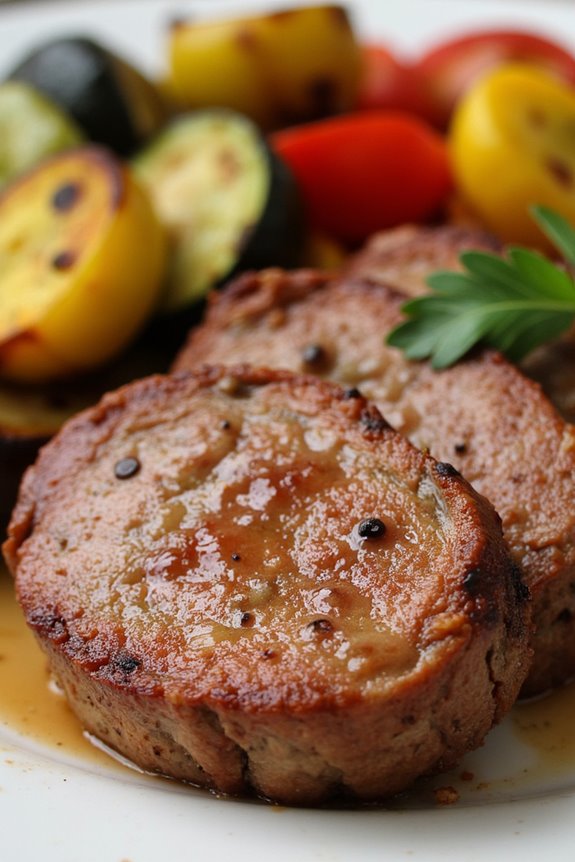
Filet Mignon De Porc is a classic French dish that showcases the tender and succulent qualities of pork tenderloin, elevated by a harmonious blend of fresh herbs. This dish is perfect for a special occasion or a cozy family dinner, as it combines simple ingredients to create a flavorful meal that everyone will love. The tenderloin is seasoned and seared to perfection, then finished in the oven for a juicy and delectable result.
The addition of herbs adds a fragrant element that enhances the natural flavors of the pork, making it a standout dish. To complement the pork, you can serve it with a side of roasted vegetables or creamy mashed potatoes. The beauty of this recipe lies in its versatility; feel free to experiment with different herbs or side dishes to suit your taste. With a little bit of preparation and the right techniques, you’ll impress your guests with this elegant and delicious French pork dinner.
Ingredients (serving size: 4-6 people)
- 2 pounds pork tenderloin
- 3 tablespoons olive oil
- 2 tablespoons fresh rosemary, finely chopped
- 2 tablespoons fresh thyme, finely chopped
- 4 cloves garlic, minced
- Salt and pepper to taste
- 1 tablespoon Dijon mustard
- 1/2 cup white wine (or chicken broth)
- 1 tablespoon balsamic vinegar
- Fresh parsley for garnish (optional)
Cooking Instructions
- Preheat the Oven: Begin by preheating your oven to 400°F (200°C). This guarantees that your pork tenderloin will cook evenly and allows for a nice sear.
- Prepare the Marinade: In a small bowl, combine the olive oil, chopped rosemary, chopped thyme, minced garlic, Dijon mustard, salt, and pepper. Mix these ingredients well to create a fragrant marinade.
- Marinate the Pork: Place the pork tenderloin in a large resealable plastic bag or a shallow dish. Pour the marinade over the pork, making sure it’s evenly coated. Seal the bag or cover the dish and let it marinate in the refrigerator for at least 30 minutes (or up to 4 hours for more intense flavor).
- Sear the Pork: Heat a large oven-safe skillet over medium-high heat. Add a drizzle of olive oil, and once hot, remove the pork from the marinade and place it in the skillet. Sear the pork on all sides until it’s golden brown, about 3-4 minutes per side.
- Deglaze the Pan: Once the pork is nicely browned, carefully pour in the white wine (or chicken broth) and balsamic vinegar. Use a wooden spoon to scrape up any browned bits from the bottom of the skillet, as this adds flavor to the sauce.
- Roast in the Oven: Transfer the skillet to the preheated oven. Roast the pork for 15-20 minutes, or until it reaches an internal temperature of 145°F (63°C). Use a meat thermometer for accuracy.
- Rest and Slice: Once cooked, remove the skillet from the oven and let the pork rest for about 5-10 minutes. This allows the juices to redistribute, guaranteeing a moist tenderloin. After resting, slice the pork into medallions.
- Serve: Arrange the pork slices on a serving platter and drizzle with the pan juices. Garnish with fresh parsley if desired, and serve with your choice of sides.
Extra Tips
When preparing Filet Mignon De Porc, be mindful not to overcook the pork tenderloin, as it can quickly become dry. Using a meat thermometer is the best way to confirm that it remains juicy and tender.
Additionally, consider experimenting with different herbs based on your preference—sage or tarragon can also work beautifully in this dish. Finally, for a more robust flavor, let the pork marinate overnight, allowing the herbs to penetrate the meat fully. Enjoy your culinary adventure in French cuisine!
Quiche Lorraine: Savory Bacon and Pork Pie

Quiche Lorraine is a classic French dish that perfectly marries the rich flavors of bacon and pork with a creamy custard filling nestled within a flaky pastry crust. Originating from the Lorraine region of France, this savory pie has become a beloved staple around the world, known for its versatility and simplicity.
Whether served as a brunch dish, a light lunch, or an elegant dinner option, Quiche Lorraine is sure to impress with its delightful combination of textures and flavors.
The beauty of Quiche Lorraine lies in its adaptability; you can customize the filling to suit your taste by adding ingredients like cheese, herbs, or vegetables. However, the traditional recipe focuses on the key players: crispy bacon or lardons, eggs, cream, and a hint of nutmeg.
This dish not only highlights the savory elements but also offers a wonderful experience of French cuisine that can be enjoyed by many. Now, let’s plunge into the ingredients and cooking instructions to create this delectable dish for 4-6 people.
Ingredients:
- 1 pre-made pie crust (9-inch)
- 6 slices of bacon or lardons, diced
- 1 cup heavy cream
- 3 large eggs
- 1 cup grated Gruyère cheese
- 1 teaspoon salt
- 1/2 teaspoon black pepper
- 1/4 teaspoon ground nutmeg
- 1 tablespoon chopped fresh chives (optional)
Cooking Instructions:
- Preheat the Oven: Begin by preheating your oven to 375°F (190°C). This guarantees that your quiche will cook evenly and achieve a golden-brown crust.
- Prepare the Pie Crust: Place the pre-made pie crust into a 9-inch pie dish, pressing it gently against the sides and bottom. Use a fork to prick the bottom of the crust to prevent it from puffing up during baking.
- Cook the Bacon: In a skillet over medium heat, cook the diced bacon or lardons until crispy, about 5-7 minutes. Use a slotted spoon to transfer the cooked bacon to a paper towel-lined plate to drain any excess fat.
- Mix the Filling: In a large bowl, whisk together the heavy cream, eggs, salt, black pepper, and nutmeg until well combined. The mixture should be smooth and creamy.
- Combine Cheese and Bacon: Stir in the grated Gruyère cheese and the cooked bacon into the egg mixture. If using, add the chopped chives for an extra layer of flavor.
- Fill the Crust: Carefully pour the filling mixture into the prepared pie crust, ensuring that the bacon and cheese are evenly distributed throughout the quiche.
- Bake the Quiche: Bake in the preheated oven for 30-35 minutes, or until the quiche is set in the center and the top is lightly golden. You can check doneness by gently shaking the pie; it shouldn’t jiggle.
- Cool and Serve: Once baked, remove the quiche from the oven and allow it to cool for about 10 minutes before slicing. This cooling time allows the filling to set further and makes it easier to cut clean slices.
Extra Tips:
When making Quiche Lorraine, feel free to experiment with different types of cheese or even add sautéed onions or spinach for a unique twist.
If you have leftover quiche, it can be stored in the refrigerator and enjoyed cold or reheated. To reheat, simply place slices in a 350°F (175°C) oven for about 10-15 minutes.
Additionally, if you prefer a crustless version, you can skip the pie crust altogether and bake the filling in a greased pie dish for a lighter option. Enjoy your culinary adventure in French cuisine!
Cassoulet: Slow-Cooked Pork and Bean Casserole
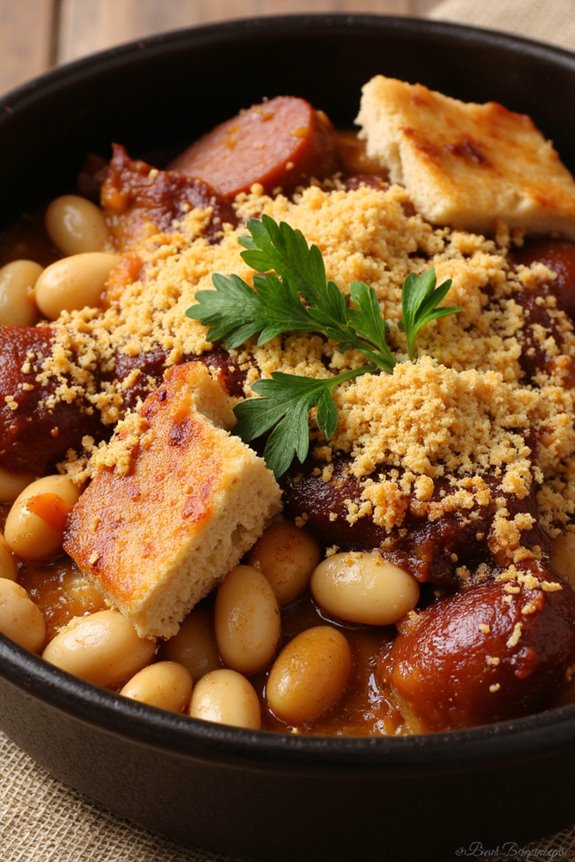
Cassoulet is a traditional French dish that embodies the rustic culinary spirit of the south of France. This hearty casserole is a labor of love, combining tender pieces of pork with creamy white beans and a medley of aromatic herbs and spices. Originating from the region of Languedoc, cassoulet is perfect for a cozy dinner, especially during colder months, as it warms both the body and soul.
While there are many variations, the slow-cooking process allows the flavors to meld beautifully, resulting in a rich and comforting meal that’s sure to impress your family and friends.
To make a classic cassoulet, you can use a variety of meats, but this recipe focuses on pork to create a delightful balance of flavors. The combination of pork belly, sausages, and lean pork shoulder provides a depth of taste that pairs wonderfully with the creamy beans. This dish isn’t only satisfying but also versatile, as it can be served with crusty bread and a simple green salad for a complete French-inspired meal.
Let’s explore the ingredients and cooking process to bring this delicious cassoulet to life.
Ingredients (Serves 4-6):
- 1 lb pork shoulder, cut into 1-inch cubes
- 1 lb pork belly, cut into 1-inch cubes
- 4 pork sausages (e.g., Toulouse or Italian)
- 1 cup dried white beans (e.g., cannellini or Great Northern), soaked overnight
- 1 large onion, chopped
- 3 cloves garlic, minced
- 2 carrots, sliced
- 1 celery stalk, chopped
- 1 bay leaf
- 2 sprigs fresh thyme
- 4 cups chicken or vegetable broth
- 2 tablespoons olive oil
- Salt and pepper to taste
- 1 cup breadcrumbs (optional, for topping)
- Chopped fresh parsley (for garnish)
Cooking Instructions:
- Prepare the Beans: Drain the soaked beans and set aside. If you didn’t soak them overnight, you can use canned beans (rinsed and drained), but the texture and flavor will differ slightly.
- Brown the Meats: In a large, heavy-bottomed pot or Dutch oven, heat the olive oil over medium-high heat. Add the pork shoulder and pork belly cubes, seasoning them with salt and pepper. Brown the meat on all sides for about 5-7 minutes, then remove and set aside.
- Cook the Sausages: In the same pot, add the sausages and cook for 4-5 minutes until they’re browned. Remove them from the pot, slice them into bite-sized pieces, and set aside with the other meats.
- Sauté the Vegetables: In the remaining fat, add the chopped onion, garlic, carrots, and celery. Sauté for about 5 minutes until the vegetables are softened and fragrant.
- Combine Ingredients: Return the browned meats to the pot along with the soaked beans, bay leaf, thyme, and broth. Stir the mixture gently to combine all the ingredients.
- Slow-Cook the Cassoulet: Bring the mixture to a gentle simmer, then cover the pot and reduce the heat to low. Let it cook for 2-3 hours, stirring occasionally, until the meats are tender and the beans are cooked through.
- Final Touches: If you’re using breadcrumbs, sprinkle them over the top of the cassoulet during the last 15 minutes of cooking for a crunchy topping. Meanwhile, preheat your oven to 375°F (190°C) if you want to finish the dish in the oven for a crispy finish.
- Serve: Once done, remove the bay leaf and thyme sprigs. Garnish with chopped parsley before serving. Enjoy the cassoulet warm, accompanied by crusty bread and a salad.
Extra Tips:
For the best flavor, consider preparing your cassoulet a day in advance and allowing it to rest in the refrigerator overnight. This resting period helps the flavors to deepen and meld together.
When reheating, simply warm it gently on the stove or in the oven. Additionally, you can customize the meats used in the dish; feel free to add duck confit or other types of sausages for a unique twist.
Don’t forget to taste and adjust seasoning as you go, ensuring that every layer of flavor shines through in this classic French comfort food.
Porc Mapo: Spicy Pork Stir-Fry
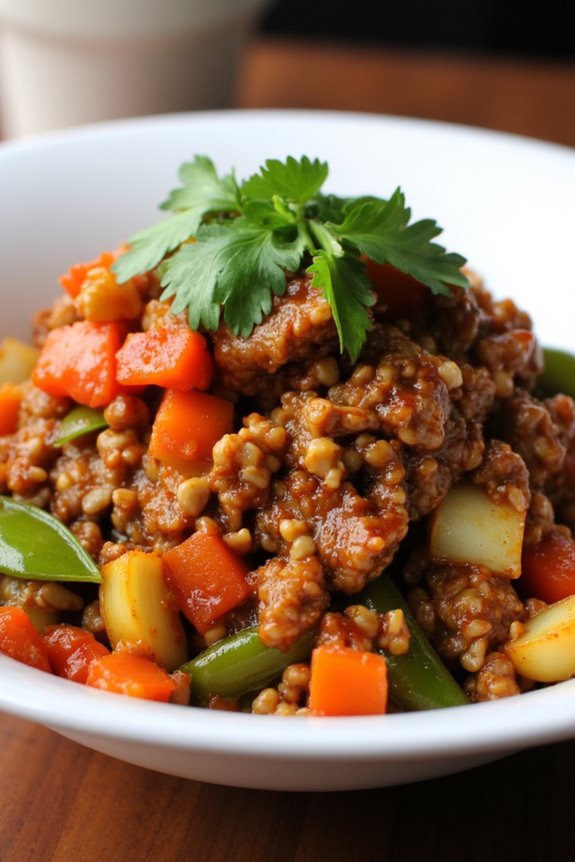
Porc Mapo, a delightful fusion of French and Chinese culinary traditions, is a dish that brings a spicy kick to the table. This stir-fry features tender pork, vibrant vegetables, and a rich, flavorful sauce that showcases the best of both cuisines. Perfect for a family dinner or a gathering with friends, this dish is certain to impress with its bold flavors and colorful presentation. The balance of heat from the spices and the umami from the pork creates a truly unforgettable meal.
To make Porc Mapo, you’ll need to gather a variety of ingredients that come together to create a harmonious blend of flavors. The key to this dish lies in the quality of the pork and the freshness of the vegetables. Whether you’re a seasoned chef or a novice in the kitchen, this recipe is straightforward and achievable, allowing you to enjoy a taste of culinary adventure right at home.
Ingredients (serves 4-6):
- 1 lb (450g) ground pork
- 2 tablespoons vegetable oil
- 1 onion, finely chopped
- 3 cloves garlic, minced
- 1 inch ginger, grated
- 1 bell pepper, diced (any color)
- 1 carrot, julienned
- 1 cup snap peas, trimmed
- 2-3 tablespoons Doubanjiang (spicy bean paste)
- 2 tablespoons soy sauce
- 1 tablespoon rice vinegar
- 1 tablespoon sugar
- ½ cup chicken broth
- 2 tablespoons cornstarch mixed with 2 tablespoons water
- Salt and pepper to taste
- Fresh cilantro, for garnish
- Cooked rice, for serving
Cooking Instructions:
- Prep the Ingredients: Begin by preparing all the vegetables and aromatics. Finely chop the onion, mince the garlic, and grate the ginger. Dice the bell pepper, julienne the carrot, and trim the snap peas. Having everything ready will make the cooking process smoother.
- Cook the Pork: In a large skillet or wok, heat the vegetable oil over medium-high heat. Add the ground pork and cook until browned, breaking it apart with a spatula as it cooks. This should take about 5-7 minutes. Confirm the pork is cooked through and nicely caramelized for maximum flavor.
- Add Aromatics: Once the pork is browned, add the chopped onion, minced garlic, and grated ginger to the skillet. Stir-fry everything together for about 2-3 minutes until the onions are translucent and fragrant. This step builds the base flavor of the dish.
- Incorporate Vegetables: Next, add the diced bell pepper, julienned carrot, and snap peas to the mix. Stir-fry for an additional 3-4 minutes until the vegetables are tender but still crisp. The vibrant colors of the vegetables will enhance the visual appeal of the dish.
- Create the Sauce: Stir in the Doubanjiang (spicy bean paste), soy sauce, rice vinegar, and sugar. Mix well to confirm the pork and vegetables are evenly coated. Pour in the chicken broth and bring the mixture to a simmer.
- Thicken the Sauce: Once the mixture is simmering, add the cornstarch slurry (cornstarch mixed with water) to the skillet. Stir continuously for a couple of minutes until the sauce thickens to your desired consistency. Taste and adjust seasoning with salt and pepper if needed.
- Serve: Remove the skillet from heat and garnish the dish with fresh cilantro. Serve the Porc Mapo hot over cooked rice, allowing the flavors to meld beautifully with the grains.
Extra Tips:
For those looking to adjust the spice level, feel free to add more or less Doubanjiang according to your taste preference. If you can’t find Doubanjiang, a combination of chili paste and miso can be a good substitute.
Additionally, you can add other vegetables like mushrooms or zucchini for variety. This dish also keeps well in the refrigerator, making it a great option for meal prep or leftovers!
Choucroute Garnie: Sauerkraut With Sausages and Pork

Choucroute Garnie is a delightful dish that hails from the Alsace region of France, where the culinary influences of Germany are strongly felt. This hearty meal combines the tangy flavors of sauerkraut with an array of savory sausages and tender cuts of pork, making it a comforting choice for any occasion.
Perfect for a family gathering or a cozy dinner, this dish showcases the richness of traditional French cooking while being relatively simple to prepare. The star ingredient, sauerkraut, is fermented cabbage that provides a unique tartness, which perfectly complements the salty and smoky flavors of the various meats.
The combination of flavors melds beautifully during cooking, creating a dish that isn’t only satisfying but also steeped in history. Serve Choucroute Garnie with crusty bread and a glass of Alsatian white wine for an authentic experience.
Ingredients (Serves 4-6):
- 1 large jar (about 1.5 kg) of sauerkraut, rinsed and drained
- 1 onion, thinly sliced
- 2 cloves of garlic, minced
- 500 g pork shoulder, cut into large chunks
- 400 g smoked sausage (like kielbasa or bratwurst), sliced
- 250 g of fresh sausages (like Toulouse or Italian), pricked with a fork
- 200 g bacon or pancetta, diced
- 1 cup dry white wine (preferably Alsatian)
- 1 cup chicken or vegetable broth
- 2 bay leaves
- 1 teaspoon black peppercorns
- 1 teaspoon caraway seeds (optional)
- Salt to taste
- Fresh parsley, chopped (for garnish)
Cooking Instructions:
- Prepare the Base: In a large heavy-bottomed pot or Dutch oven, add the diced bacon or pancetta. Cook over medium heat until crispy and the fat has rendered, about 5-7 minutes. Remove the bacon with a slotted spoon and set aside, leaving the fat in the pot.
- Sauté Aromatics: In the same pot, add the sliced onion and cook until translucent, about 5 minutes. Add the minced garlic and cook for an additional minute, stirring often to prevent burning.
- Layer the Sauerkraut: Add the rinsed and drained sauerkraut to the pot, spreading it evenly over the onions. Top the sauerkraut with the bay leaves, black peppercorns, and caraway seeds if using. Pour in the dry white wine and broth, ensuring the sauerkraut is mostly submerged.
- Add the Meats: Nestle the pork shoulder chunks into the sauerkraut, followed by the sliced smoked sausage and fresh sausages. Return the cooked bacon to the pot, and season with salt to taste.
- Simmer the Dish: Cover the pot with a lid and bring it to a gentle simmer over medium heat. Once simmering, reduce the heat to low and let it cook for 1.5 to 2 hours. This slow cooking will tenderize the pork and infuse the flavors throughout the dish.
- Final Touches: After the cooking time, check the seasoning and adjust salt as needed. Remove the bay leaves and serve the Choucroute Garnie hot, garnished with fresh parsley.
Extra Tips:
For an even richer flavor, consider adding a splash of apple brandy or a few juniper berries to the pot while it simmers.
Additionally, if you prefer a slightly sweeter flavor profile, you can add a few thinly sliced apples or a tablespoon of honey into the sauerkraut. This dish is excellent for leftovers, as the flavors deepen and improve the next day. Enjoy it with a side of mashed potatoes or crusty bread for a complete meal.
Gigot D’agneau: Leg of Lamb With Crispy Pork Cracklings
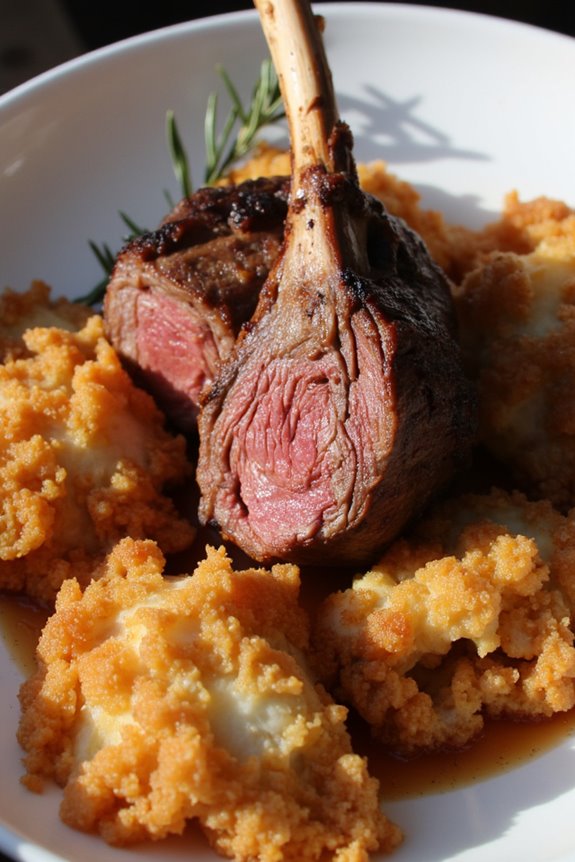
Gigot D’agneau, or leg of lamb, is a classic French dish that embodies the rich flavors and culinary traditions of French cuisine. This dish is perfect for special occasions or family gatherings, featuring a tender, succulent roast lamb paired with a delightful crunch of crispy pork cracklings. The combination of these two proteins creates a unique dining experience, with the lamb offering a savory depth and the cracklings adding an unexpected textural contrast.
To achieve the best flavor, it’s vital to marinate the lamb ahead of time, allowing the herbs and spices to infuse the meat. A slow roast will guarantee the lamb remains juicy and flavorful, while the cracklings can be prepared simultaneously for a delightful finish. This recipe serves 4-6 people, making it a great choice for a festive meal or a cozy family dinner.
Ingredients:
- 1 leg of lamb (about 4-5 pounds)
- 4 cloves garlic, minced
- 2 tablespoons fresh rosemary, chopped
- 2 tablespoons fresh thyme, chopped
- 1 tablespoon Dijon mustard
- 1/4 cup olive oil
- Salt and pepper, to taste
- 1 cup pork skin (for cracklings)
- 1 teaspoon paprika
- 1 teaspoon garlic powder
- 1 tablespoon apple cider vinegar
Cooking Instructions:
- Prepare the Marinade: In a bowl, mix together minced garlic, chopped rosemary, chopped thyme, Dijon mustard, olive oil, salt, and pepper. This marinade will infuse the leg of lamb with aromatic flavors.
- Marinate the Lamb: Rub the marinade generously all over the leg of lamb, making sure it’s well-coated. Cover with plastic wrap and refrigerate for at least 4 hours, preferably overnight, to allow the flavors to penetrate the meat.
- Preheat the Oven: Preheat your oven to 325°F (165°C). A lower cooking temperature will help cook the lamb evenly and retain its moisture.
- Prepare the Pork Cracklings: While the oven is heating, cut the pork skin into small pieces. In a bowl, toss the pork skin with paprika, garlic powder, salt, and a drizzle of apple cider vinegar. Set this aside.
- Roast the Lamb: Place the marinated leg of lamb in a roasting pan. Insert a meat thermometer into the thickest part of the meat, making sure it doesn’t touch the bone. Roast in the preheated oven for about 1.5 to 2 hours or until the internal temperature reaches 145°F (63°C) for medium-rare.
- Add the Cracklings: About 30 minutes before the lamb is done, spread the prepared pork cracklings around the lamb in the roasting pan. This will allow them to become crispy and flavorful as the lamb roasts.
- Rest the Meat: Once the lamb is cooked to your desired doneness, remove it from the oven and cover it loosely with aluminum foil. Let the lamb rest for 15-20 minutes before carving. This step helps retain the juices within the meat.
- Serve: Carve the lamb into slices and serve it alongside the crispy pork cracklings. Enjoy your Gigot D’agneau with a side of seasonal vegetables or a light salad.
Extra Tips:
For the best results, consider using a quality cut of lamb and fresh herbs for the marinade. If you want to enhance the flavors even further, add a splash of red wine to the roasting pan to create a delicious gravy.
Additionally, make sure to monitor the pork cracklings closely during the last part of the roasting process, as they can go from perfectly crispy to burnt quite quickly. Enjoy this dish with a nice French red wine to elevate the dining experience!
Croque Monsieur: French Ham and Cheese Sandwich With Pork

The Croque Monsieur is a classic French sandwich that combines the delightful flavors of ham and cheese with a crispy, golden exterior. Originating in Paris in the early 20th century, this delectable dish is often served in bistros and cafés throughout France. Its rich flavor profile comes from the use of Gruyère cheese, which melts beautifully, and the addition of béchamel sauce, giving the sandwich an indulgent creaminess that’s simply irresistible.
This dish isn’t only a crowd-pleaser but also a versatile option for various occasions. Whether you’re looking for a quick lunch, a satisfying dinner, or a tasty snack for a gathering, the Croque Monsieur fits the bill perfectly. Pair it with a simple green salad or some crispy fries for a complete meal that will leave everyone coming back for more.
Ingredients: (Serves 4-6 people)
- 8 slices of white bread (preferably pain de mie)
- 8 slices of ham (preferably French Jambon de Paris)
- 8 slices of Gruyère cheese
- 4 tablespoons of unsalted butter (softened)
- 1 cup of béchamel sauce (homemade or store-bought)
- Salt and black pepper to taste
- Optional: Dijon mustard for spreading
Cooking Instructions:
- Prepare the Béchamel Sauce: If you’re making béchamel from scratch, melt 2 tablespoons of butter in a saucepan over medium heat. Stir in 2 tablespoons of all-purpose flour and cook for about 1-2 minutes until it forms a roux. Gradually whisk in 1 cup of milk, continuing to stir until thickened. Season with salt and pepper. Remove from heat and set aside.
- Assemble the Sandwiches: Take 4 slices of bread and spread a thin layer of Dijon mustard on each slice if desired. Layer 2 slices of ham and 2 slices of Gruyère cheese on each of the 4 slices. Top with the remaining slices of bread to create sandwiches.
- Butter the Bread: Spread the softened butter generously on the outside of each sandwich. This will help create a beautifully golden crust when grilling.
- Cook the Sandwiches: Heat a large skillet or griddle over medium heat. Place the sandwiches in the skillet (you may need to do this in batches) and cook for about 3-4 minutes on one side until golden brown. Carefully flip the sandwiches and cook for another 3-4 minutes on the other side.
- Add Béchamel and Cheese: Once the sandwiches are golden and crispy, remove them from the skillet. Place them on a baking sheet and spoon béchamel sauce generously over the top of each sandwich. Top with additional Gruyère cheese.
- Broil the Sandwiches: Preheat your broiler. Place the baking sheet under the broiler for about 2-3 minutes, or until the cheese on top is bubbly and golden. Keep a close eye as it can burn quickly.
- Serve: Remove from the oven and let cool for a minute before cutting the sandwiches in half. Serve warm and enjoy!
Extra Tips: For the best flavor, use high-quality ingredients, especially the ham and cheese. Gruyère cheese can be substituted with Emmental cheese if desired, but the traditional choice is Gruyère for its nutty flavor. Feel free to experiment by adding fresh herbs like thyme or a slice of tomato for added freshness. If you want a more indulgent version, consider making a Croque Madame by adding a fried or poached egg on top of the sandwich before serving.
