

As the leaves turn golden and the air takes on a chill, my mind wanders to cozy meals that make autumn so special. French cuisine is filled with recipes that perfectly capture the essence of the season. From the aromatic Coq Au Vin to the comforting Pumpkin Soup with Sage, each dish brings warmth and joy. These golden recipes not only satisfy the appetite but also uplift the spirit. Let’s start with a classic that’s sure to impress and embrace the flavors of fall.
Coq Au Vin

Coq Au Vin, a classic French dish, translates to “rooster in wine.” Traditionally, this hearty meal was made with rooster slow-cooked in red wine, but modern renditions often substitute chicken for convenience. This dish is particularly delightful in the fall when the weather turns cooler, making it the perfect comfort food.
The rich flavors of wine, mushrooms, onions, and herbs meld beautifully with the tender chicken, creating a warming and satisfying meal that’s sure to impress your family and friends.
Preparing Coq Au Vin may take some time, but the results are well worth the effort. The slow cooking process allows the flavors to deepen and develop, resulting in a dish that’s deeply aromatic and flavorful.
Whether served with crusty bread or creamy mashed potatoes, this dish will surely become a favorite in your fall dinner repertoire.
Ingredients (Serves 4-6)
- 4-6 pieces of chicken (thighs and drumsticks preferred)
- Salt and pepper to taste
- 2 tablespoons olive oil
- 4 ounces of bacon or pancetta, diced
- 1 medium onion, diced
- 2 carrots, sliced
- 2 cloves garlic, minced
- 2 cups of red wine (preferably Burgundy or Pinot Noir)
- 1 cup chicken broth
- 2 tablespoons tomato paste
- 1 bouquet garni (a bundle of herbs such as thyme, bay leaf, and parsley)
- 8 ounces of mushrooms, quartered
- 2 tablespoons butter
- Fresh parsley, chopped (for garnish)
Cooking Instructions
1. Prepare the Chicken: Season the chicken pieces generously with salt and pepper. This step is essential as it enhances the flavor of the chicken during cooking.
2. Sear the Bacon: In a large Dutch oven or heavy pot, heat the olive oil over medium heat. Add the diced bacon or pancetta and cook until crispy. This not only adds flavor but also provides fat for cooking the chicken and vegetables.
3. Brown the Chicken: Remove the bacon with a slotted spoon and set aside, leaving the fat in the pot. In the same pot, add the chicken pieces skin-side down and brown them for about 5-7 minutes per side. This step locks in moisture and flavor.
Once browned, set the chicken aside.
4. Sauté the Vegetables: In the same pot, add the diced onion, sliced carrots, and minced garlic. Sauté until the onions are translucent, about 5 minutes. This step builds the flavor base for the dish.
5. Deglaze the Pot: Pour in the red wine and scrape the bottom of the pot to release any browned bits. This adds depth to the sauce. Let the wine simmer for a few minutes to reduce slightly.
6. Add Chicken and Broth: Return the chicken and bacon to the pot. Stir in the chicken broth, tomato paste, and bouquet garni. The liquid should cover the chicken about halfway. Bring to a gentle simmer.
7. Slow Cook: Cover the pot and reduce the heat to low. Let it simmer for about 1 to 1.5 hours, or until the chicken is tender and cooked through. Check occasionally and adjust the heat as needed to maintain a gentle simmer.
8. Cook the Mushrooms: In a separate pan, melt the butter and sauté the quartered mushrooms until golden brown. This step adds another layer of flavor and texture to the dish.
9. Combine and Serve: Once the chicken is tender, remove the bouquet garni and stir in the sautéed mushrooms. Taste and adjust seasoning if necessary. Serve hot, garnished with fresh parsley.
Extra Tips
When making Coq Au Vin, consider using a good quality wine, as it greatly affects the dish’s flavor. Additionally, allowing the dish to sit for a few hours or overnight can enhance the flavors even further, making it an excellent make-ahead option for gatherings.
Serve with crusty bread to soak up the rich sauce or over egg noodles or mashed potatoes for a comforting meal. Enjoy your culinary journey into this classic French dish!
Pumpkin Soup With Sage
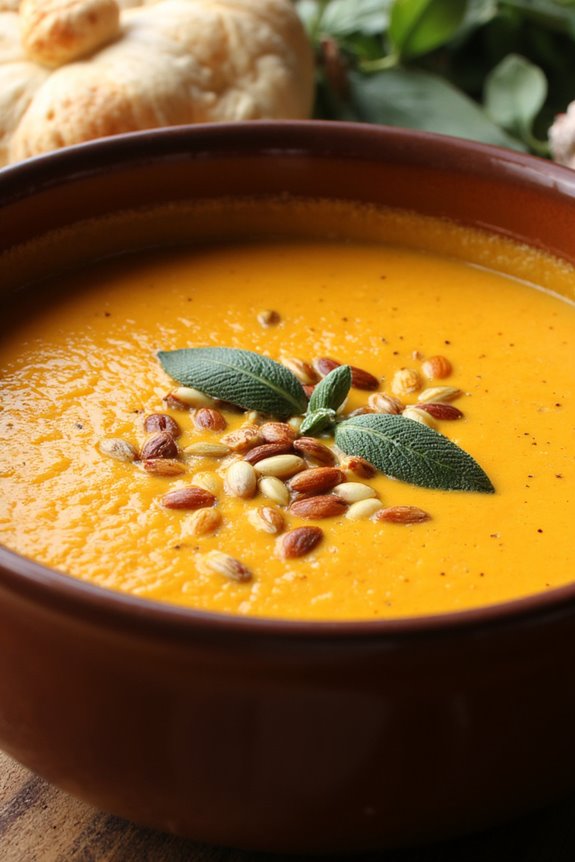
As the leaves change color and the air turns crisp, there’s nothing quite like a warm bowl of pumpkin soup to embrace the flavors of fall. This Pumpkin Soup With Sage is a comforting dish that highlights the natural sweetness of pumpkin, complemented by the earthy, aromatic notes of fresh sage. Perfect for cozy dinners, this soup not only warms you up but also brings a touch of autumn to your table.
Whether you’re serving it as a starter or a main dish, it’s sure to be a hit with family and friends. This recipe is simple yet elegant, making it an ideal choice for both weeknight meals and special occasions. With its creamy texture and rich flavor profile, Pumpkin Soup With Sage isn’t just about nourishment, but also about the experience of cooking and sharing a delightful meal.
Pair it with crusty bread or a light salad for a complete fall dinner that will leave everyone satisfied.
Ingredients (Serves 4-6):
- 2 tablespoons olive oil
- 1 medium onion, chopped
- 2 garlic cloves, minced
- 4 cups pumpkin puree (fresh or canned)
- 4 cups vegetable broth
- 1 cup heavy cream
- 1 tablespoon fresh sage, chopped (or 1 teaspoon dried sage)
- Salt and pepper to taste
- Optional: toasted pumpkin seeds for garnish
Cooking Instructions:
- Sauté the Aromatics: In a large pot, heat the olive oil over medium heat. Add the chopped onion and sauté for about 5-7 minutes until it becomes translucent. Then, add the minced garlic and cook for another minute until fragrant. This step builds a flavorful base for the soup.
- Incorporate the Pumpkin: Stir in the pumpkin puree and mix well with the sautéed onion and garlic. Cook for about 2-3 minutes, allowing the flavors to meld together. If using fresh pumpkin, verify it’s pre-cooked and pureed before adding it to the pot.
- Add the Broth: Gradually pour in the vegetable broth, stirring continuously to combine. Bring the mixture to a simmer and let it cook for about 15-20 minutes. This will help the flavors develop and the soup to thicken slightly.
- Blend the Soup: Once simmered, use an immersion blender to puree the soup until smooth. If you don’t have an immersion blender, carefully transfer the soup in batches to a countertop blender. Make sure to blend it until completely smooth for the best texture.
- Finish with Cream and Sage: Return the blended soup to the pot if needed, then stir in the heavy cream and chopped sage. Season with salt and pepper to taste. Let it cook for another 5 minutes on low heat to warm through and allow the flavors to marry.
- Serve and Garnish: Ladle the soup into bowls and garnish with toasted pumpkin seeds if desired. Serve hot with crusty bread for a heartwarming meal.
Extra Tips:
For a deeper flavor, consider roasting the pumpkin before pureeing it. Simply cut the pumpkin into halves, remove the seeds, and roast in a 400°F (200°C) oven for about 30-40 minutes until tender.
Additionally, you can enhance the soup with spices like nutmeg or cinnamon for an extra warm note. If you prefer a lighter version, substitute the heavy cream with coconut milk for a dairy-free alternative. Enjoy your delicious fall creation!
Ratatouille
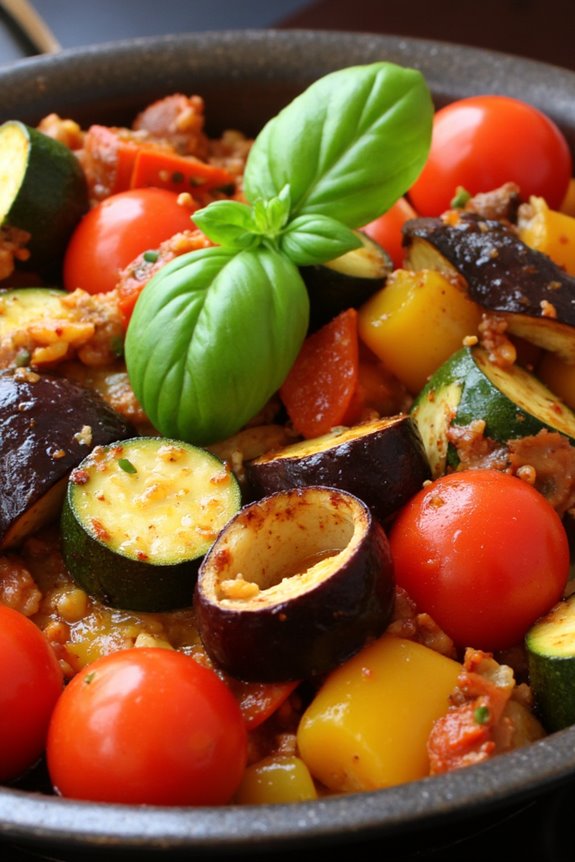
Ratatouille is a classic Provençal dish that showcases the vibrant flavors and colors of fresh vegetables. This rustic French stew isn’t only hearty and comforting, but it also celebrates the bounty of the autumn harvest. Traditionally made with eggplant, zucchini, bell peppers, tomatoes, and herbs, ratatouille can be enjoyed as a main dish or a side, and it’s perfect for a fall dinner gathering. Its versatility allows you to serve it warm or at room temperature, making it an excellent option for entertaining.
Preparing ratatouille can seem intimidating due to the variety of vegetables involved, but it’s a straightforward process that rewards you with a beautiful and delicious dish. The key to a successful ratatouille lies in the quality of the ingredients and the cooking technique. By sautéing the vegetables separately before combining them, you make certain each one retains its unique flavor and texture, creating a harmonious blend in the final dish.
Let’s plunge into this delightful recipe that serves 4-6 people.
Ingredients:
- 1 medium eggplant, diced
- 2 medium zucchinis, sliced
- 1 bell pepper (any color), chopped
- 1 large onion, diced
- 3 cloves of garlic, minced
- 4 medium ripe tomatoes, chopped (or 1 can of diced tomatoes)
- 1 teaspoon dried thyme
- 1 teaspoon dried basil
- 2 tablespoons olive oil
- Salt and pepper to taste
- Fresh basil leaves for garnish (optional)
Cooking Instructions:
- Prepare the Vegetables: Begin by washing and chopping all the vegetables. Dice the eggplant, slice the zucchinis, chop the bell pepper, and dice the onion. Mince the garlic and chop the tomatoes if using fresh. Having everything prepped will streamline the cooking process.
- Salt the Eggplant: Place the diced eggplant in a colander, sprinkle with salt, and let it sit for about 15-20 minutes. This step helps to draw out excess moisture and bitterness from the eggplant. Rinse and pat dry with paper towels before cooking.
- Sauté the Onion and Garlic: In a large skillet or Dutch oven, heat 1 tablespoon of olive oil over medium heat. Add the diced onion and sauté for about 5 minutes until softened. Add the minced garlic and cook for an additional 1-2 minutes, stirring frequently to avoid burning.
- Cook the Eggplant: Add the prepared eggplant to the skillet and another tablespoon of olive oil. Cook for about 5-7 minutes until the eggplant begins to soften and brown slightly. Stir occasionally to make certain even cooking.
- Add Remaining Vegetables: Incorporate the chopped bell pepper, zucchini, and tomatoes into the skillet. Stir well to combine all the ingredients, then add the dried thyme, dried basil, salt, and pepper. Mix everything together.
- Simmer the Ratatouille: Reduce the heat to low, cover the skillet, and let the ratatouille simmer for about 20-30 minutes. Stir occasionally to prevent sticking. The vegetables should become tender, and the flavors will meld beautifully.
- Taste and Adjust Seasoning: After simmering, taste the ratatouille and adjust seasoning if necessary. You can add more salt, pepper, or herbs according to your preference.
- Serve: Remove from heat and let it sit for a few minutes before serving. Garnish with fresh basil leaves if desired. Enjoy your ratatouille warm or at room temperature!
Extra Tips: When making ratatouille, feel free to customize the recipe by adding or substituting other vegetables such as mushrooms, carrots, or even squash. For a richer flavor, consider adding a splash of balsamic vinegar or a sprinkle of cheese before serving.
Ratatouille can also be made ahead of time, as its flavors deepen and improve after a day in the refrigerator, making it a convenient option for meal prep. Store leftovers in an airtight container for up to three days.
Beef Bourguignon
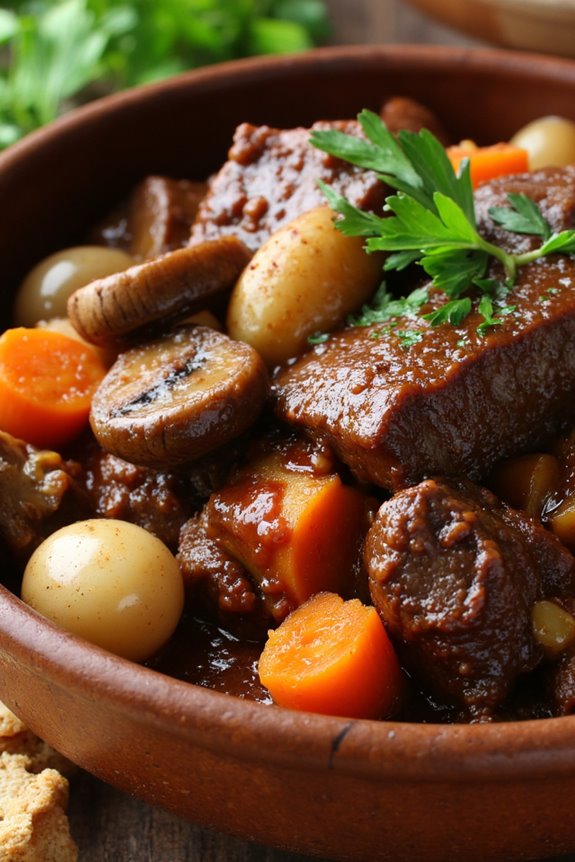
Beef Bourguignon, a classic French dish, is a rich and flavorful stew that showcases the culinary beauty of slow-cooked beef braised in red wine, typically from the Burgundy region. This dish is perfect for fall dinners, providing warmth and comfort, while the deep flavors develop over hours of cooking. The combination of tender beef, aromatic vegetables, and a robust sauce makes it a perfect centerpiece for a cozy gathering or family meal.
To create a truly authentic Beef Bourguignon, you’ll want to use quality ingredients and take your time. The key to this dish lies in the slow cooking process, allowing the flavors to meld beautifully. Traditionally served with crusty bread or buttery mashed potatoes, this hearty dish is sure to impress your guests and satisfy their appetites.
Ingredients (Serves 4-6)
- 2 pounds beef chuck, cut into 2-inch cubes
- Salt and black pepper, to taste
- 3 tablespoons olive oil
- 4 ounces bacon, diced
- 1 large onion, chopped
- 2 carrots, sliced
- 2 cloves garlic, minced
- 2 tablespoons all-purpose flour
- 3 cups red wine (preferably Burgundy)
- 2 cups beef broth
- 1 tablespoon tomato paste
- 1 bouquet garni (a bundle of herbs, typically thyme, bay leaf, and parsley)
- 8 ounces pearl onions, peeled
- 8 ounces mushrooms, quartered
- Fresh parsley, for garnish
Cooking Instructions
- Prepare the Beef: Season the beef cubes generously with salt and black pepper. This step is essential as it enhances the flavor of the meat during cooking.
- Brown the Bacon: In a large Dutch oven or heavy pot, heat 1 tablespoon of olive oil over medium heat. Add the diced bacon and cook until crispy. Remove the bacon with a slotted spoon and set it aside, leaving the fat in the pot.
- Sear the Beef: Increase the heat to medium-high and add the beef cubes in batches, being careful not to overcrowd the pot. Sear the beef on all sides until browned, about 4-5 minutes. Remove the beef and set aside with the bacon.
- Sauté the Vegetables: In the same pot, add the remaining olive oil, followed by the chopped onion and sliced carrots. Cook for about 5-7 minutes, stirring occasionally, until the onions are translucent. Add the minced garlic and cook for an additional minute until fragrant.
- Create the Base: Sprinkle the flour over the sautéed vegetables and stir well to combine. This will help thicken the sauce later. Cook for another minute to get rid of the raw flour taste.
- Deglaze the Pot: Pour in the red wine, scraping any brown bits off the bottom of the pot. This adds depth of flavor to your dish. Bring the mixture to a simmer.
- Add the Remaining Ingredients: Return the browned beef and bacon to the pot. Add the beef broth, tomato paste, and bouquet garni. Stir to combine, making sure the beef is submerged in the liquid. Bring it to a gentle simmer.
- Slow Cook: Reduce the heat to low, cover the pot, and let it cook for about 2 to 3 hours, stirring occasionally until the beef is fork-tender.
- Add Pearl Onions and Mushrooms: In the last 30 minutes of cooking, add the pearl onions and quartered mushrooms to the pot. This will guarantee they retain their texture and flavor without becoming mushy.
- Serve: Once the beef is tender and the sauce has thickened to your liking, remove the bouquet garni. Serve the Beef Bourguignon hot, garnished with fresh parsley, alongside crusty bread or mashed potatoes.
Extra Tips
To elevate your Beef Bourguignon, choose a good quality red wine that you’d enjoy drinking. The flavor of the wine greatly influences the final dish, so avoid cooking wines.
If you have time, consider marinating the beef overnight in the wine to enhance its flavor further. This dish also tastes even better the next day, so feel free to make it ahead of time and reheat before serving.
Enjoy the process and the delightful aroma that fills your kitchen as it simmers!
French Onion Soup
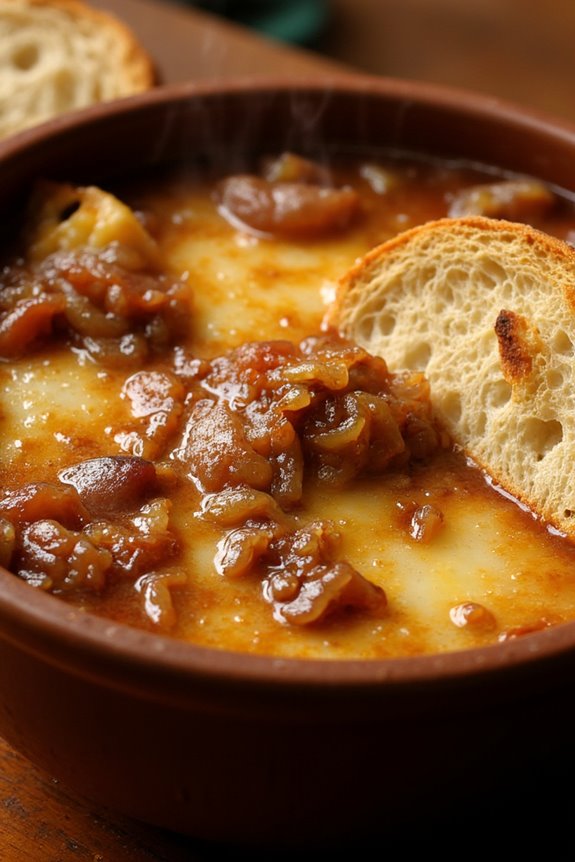
As the leaves change and the weather turns crisp, there’s nothing quite like a warm, comforting bowl of French onion soup to welcome the fall season. This classic dish is rich with the flavors of caramelized onions, a hint of sweetness, and a robust broth. Topped with melty cheese and crusty bread, French onion soup is perfect for cozy evenings spent indoors.
Whether served as an appetizer or a hearty main course, this recipe will surely become a seasonal favorite. The key to a delicious French onion soup lies in the patience of caramelizing the onions to develop their natural sweetness. The balance of flavors creates a depth that’s simply irresistible.
With a few basic ingredients and a little time, you can recreate this restaurant-quality dish in your own kitchen. Gather your ingredients and prepare to enjoy a timeless classic that embodies the essence of fall dining.
Ingredients (Serves 4-6):
- 6 large yellow onions, thinly sliced
- 4 tablespoons unsalted butter
- 1 tablespoon olive oil
- 2 cloves garlic, minced
- 1 teaspoon sugar
- 8 cups beef broth (or vegetable broth for a vegetarian option)
- 1/2 cup dry white wine (optional)
- 1 tablespoon fresh thyme leaves (or 1 teaspoon dried thyme)
- Salt and pepper to taste
- 8 slices of French baguette or crusty bread
- 2 cups grated Gruyère cheese (or Swiss cheese)
Cooking Instructions:
- Caramelize the Onions: In a large, heavy-bottomed pot, melt the butter and olive oil over medium heat. Add the thinly sliced onions and a pinch of salt. Stir occasionally, allowing the onions to cook slowly. After about 15 minutes, sprinkle in the sugar to help with caramelization. Continue cooking for 30-40 minutes, stirring frequently until the onions are deeply golden brown and caramelized.
- Add Garlic and Broth: Once the onions are caramelized, add the minced garlic and cook for an additional minute until fragrant. Pour in the beef broth and white wine (if using), and add the thyme. Bring the mixture to a simmer, then reduce the heat and let it cook for about 20 minutes to allow the flavors to meld. Taste and adjust seasoning with salt and pepper as desired.
- Prepare the Bread: While the soup is simmering, preheat your oven to 350°F (175°C). Place the slices of baguette on a baking sheet and toast them in the oven for about 10 minutes, or until they’re golden and crispy.
- Assemble the Soup: Once the soup is ready, ladle it into oven-safe bowls. Place one or two toasted bread slices on top of each bowl of soup, then generously sprinkle the grated Gruyère cheese over the bread.
- Broil the Cheese: Preheat your broiler. Place the bowls on a baking sheet and broil them in the oven for 3-5 minutes, or until the cheese is bubbly and golden. Keep a close eye on them to prevent burning.
- Serve: Carefully remove the bowls from the oven (they will be hot!) and let them cool slightly before serving. Enjoy your homemade French onion soup warm, garnished with extra thyme if desired.
Extra Tips:
For a richer flavor, consider using a combination of beef and chicken broth. If you prefer a vegetarian version, vegetable broth works wonderfully as well.
To enhance the depth of flavor, you can also add a splash of balsamic vinegar or Worcestershire sauce during the simmering process. Finally, don’t rush the caramelization of the onions; the longer they cook, the sweeter and more flavorful your soup will be! Enjoy your fall dining experience with this heartwarming dish.
Duck Confit With Autumn Vegetables
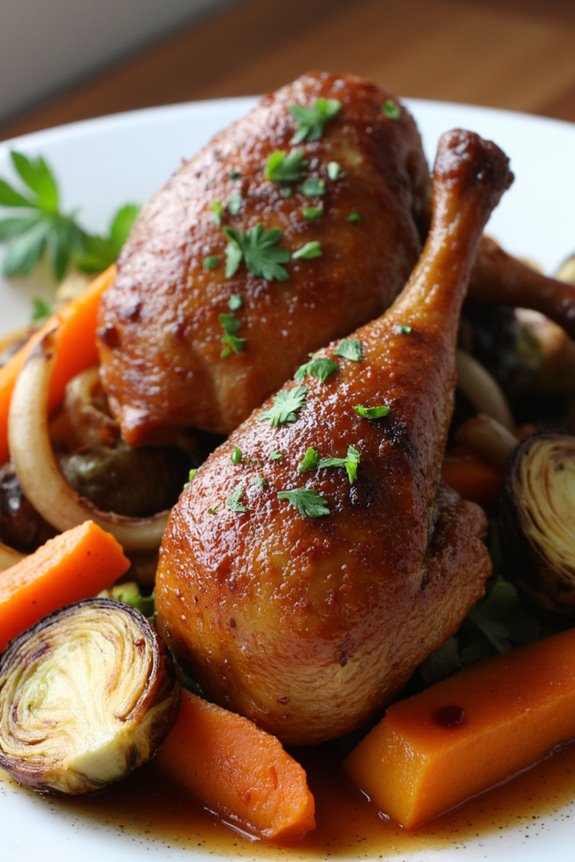
Duck confit is a classic French dish that showcases the rich, savory flavors of duck, slow-cooked to perfection until tender and succulent. This dish is particularly well-suited for the fall season, as it pairs beautifully with a medley of autumn vegetables such as root vegetables, Brussels sprouts, and squash.
The process of making duck confit involves preserving the duck in its own fat, creating a dish that’s both flavorful and indulgent. Serving it alongside seasonal vegetables not only adds color and texture but also enhances the overall dining experience.
To prepare Duck Confit with Autumn Vegetables, you’ll want to set aside some time for the confit process, as it requires slow cooking. However, the result is well worth the wait. The duck becomes meltingly tender, while the vegetables are roasted to bring out their natural sweetness, making this dish a perfect centerpiece for your fall dinner table.
Ingredients (Serves 4-6):
- 4 duck legs
- 4 cups duck fat (or enough to cover the duck legs)
- 2 teaspoons salt
- 1 teaspoon black pepper
- 1 teaspoon thyme
- 1 teaspoon garlic powder
- 2 cups butternut squash, diced
- 2 cups carrots, chopped
- 2 cups Brussels sprouts, halved
- 1 onion, sliced
- 2 tablespoons olive oil
- 1 tablespoon balsamic vinegar
- Fresh parsley, for garnish (optional)
Cooking Instructions:
1. Prepare the Duck Legs: In a mixing bowl, combine salt, black pepper, thyme, and garlic powder. Rub this mixture all over the duck legs, making sure they’re evenly coated.
Cover the bowl with plastic wrap and refrigerate for at least 12 hours or overnight. This step helps to season the duck and draw out excess moisture.
2. Cook the Duck Legs: Preheat your oven to 225°F (107°C). Rinse the duck legs under cold water to remove excess salt and pat dry with paper towels.
Place the duck legs in a large Dutch oven or oven-safe pot and cover them with duck fat. If you don’t have enough duck fat, you can supplement with olive oil.
Cook the duck in the oven for 4-5 hours, or until the meat is tender and can be easily pulled apart with a fork.
3. Prepare the Autumn Vegetables: About 30 minutes before the duck is done, preheat your oven to 400°F (200°C).
In a large bowl, combine the diced butternut squash, chopped carrots, halved Brussels sprouts, and sliced onion. Drizzle with olive oil and balsamic vinegar, then toss to coat the vegetables evenly.
4. Roast the Vegetables: Spread the vegetables out on a baking sheet in a single layer.
Roast in the preheated oven for about 20-25 minutes, or until they’re golden brown and tender, stirring halfway through for even cooking.
5. Crisp the Duck Skin: Once the duck legs are finished cooking, carefully remove them from the fat and place them on a baking sheet.
Increase the oven temperature to 425°F (220°C) and roast the duck legs for an additional 10-15 minutes, or until the skin is crispy and golden.
6. Serve: Plate the duck confit alongside the roasted autumn vegetables.
Garnish with fresh parsley if desired and enjoy your delicious fall dinner!
Extra Tips:
When preparing Duck Confit, verify that the duck legs are fully submerged in fat to achieve ideal tenderness.
You can save any leftover duck fat for future use; it adds wonderful flavor to sautéed vegetables or can be used for frying.
Additionally, if you prefer a quicker version, consider using store-bought duck confit and simply roasting the vegetables for a simpler yet equally delicious dish.
Enjoy your culinary creation!
Chestnut and Mushroom Risotto
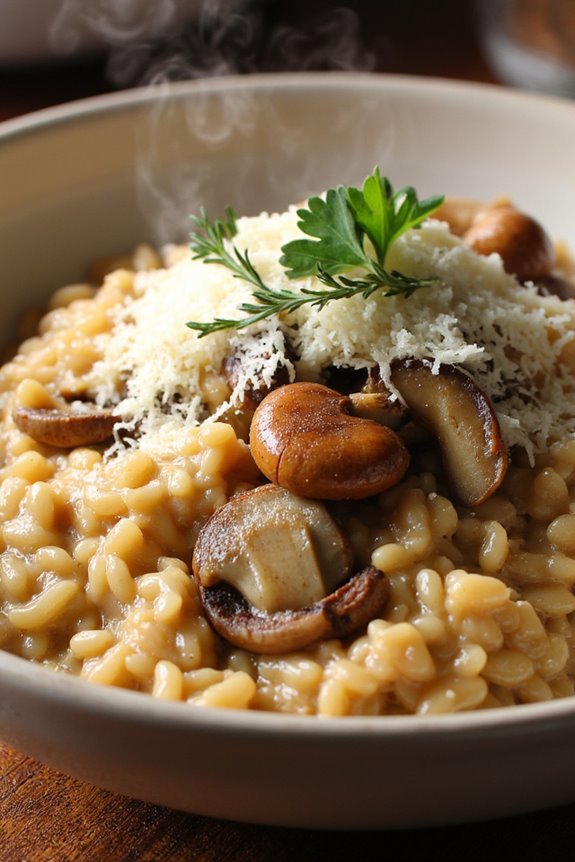
As the cooler months approach, nothing warms the soul quite like a creamy risotto, especially one that incorporates the earthy flavors of chestnuts and mushrooms. This Chestnut and Mushroom Risotto is a perfect dish to serve during fall dinner gatherings, combining the nutty sweetness of roasted chestnuts with the umami richness of sautéed mushrooms.
The risotto isn’t only comforting but also has a luxurious texture that can impress guests and family alike. Cooking risotto may seem intimidating, but it’s quite straightforward when you follow the steps closely. The key is to use good quality Arborio rice, which has a high starch content that gives the dish its classic creamy consistency.
With a bit of patience and love, you can create a beautiful and hearty risotto that embodies the essence of fall.
Ingredients (serves 4-6):
- 1 cup Arborio rice
- 4 cups vegetable or chicken broth
- 1 cup chestnuts, roasted and chopped
- 1 cup mushrooms, sliced (cremini or button)
- 1 medium onion, finely chopped
- 2 cloves garlic, minced
- 1/2 cup dry white wine
- 1/2 cup grated Parmesan cheese
- 2 tablespoons olive oil
- 2 tablespoons unsalted butter
- Salt and pepper, to taste
- Fresh parsley or thyme, for garnish
Cooking Instructions:
1. Prepare the Broth: In a medium saucepan, heat the vegetable or chicken broth over low heat. Keep it warm but not boiling, as this will help the rice cook evenly when you add it to the risotto.
2. Sauté the Aromatics: In a large skillet or saucepan, heat the olive oil and 1 tablespoon of butter over medium heat. Add the chopped onion and sauté for about 5 minutes until translucent.
Then, add the minced garlic and cook for an additional minute, being careful not to let it burn.
3. Cook the Mushrooms: Add the sliced mushrooms to the pan with the onions and garlic. Sauté for about 5-7 minutes, or until the mushrooms are tender and have released their moisture.
Season with a pinch of salt and pepper. Once cooked, remove half of the mushroom mixture and set it aside for later.
4. Add the Rice: Stir in the Arborio rice to the remaining mushroom mixture in the pan. Toast the rice for about 2 minutes, stirring frequently until the grains are slightly translucent around the edges.
5. Deglaze with Wine: Pour in the dry white wine and stir continuously until the wine is mostly absorbed by the rice. This step adds depth of flavor to the dish.
6. Incorporate the Broth Gradually: Begin ladling in the warm broth, one cup at a time, stirring frequently. Allow the rice to absorb most of the broth before adding the next cup.
This process takes about 20 minutes, and you may not need all the broth.
7. Add Chestnuts and Finish: When the rice is al dente and creamy, stir in the chopped chestnuts, the reserved mushroom mixture, and the remaining tablespoon of butter.
Mix well, then remove from heat and add the grated Parmesan cheese. Stir until everything is combined and creamy. Adjust seasoning with salt and pepper as needed.
8. Garnish and Serve: Spoon the risotto onto plates or into bowls and garnish with fresh parsley or thyme. Serve immediately while hot.
Extra Tips:
For a richer flavor, consider adding a splash of truffle oil just before serving. Additionally, feel free to customize the risotto by incorporating other seasonal ingredients like spinach or peas for added color and nutrition.
Remember that the key to a perfect risotto is patience; stir gently and frequently for the best creamy texture. Enjoy your fall dinner with this delightful dish!
Quiche Lorraine With Seasonal Greens

Quiche Lorraine is a classic French dish that combines the rich flavors of eggs, cream, and cheese with the savory goodness of crispy bacon. This dish isn’t only delicious but also versatile, making it perfect for any occasion, especially a cozy fall dinner.
When paired with seasonal greens, it brings a wonderful balance of flavors and textures to your meal. The seasonal greens offer a fresh and vibrant contrast to the creamy quiche, making it a delightful centerpiece for your table.
Cooking a quiche might seem intimidating, but with this straightforward recipe, you’ll find it easy to whip up a delicious dish that’s sure to impress your family or guests. By utilizing a pre-made pastry crust, you can save time while still achieving that homemade taste.
Let’s explore the ingredients and instructions to create this delectable Quiche Lorraine with Seasonal Greens.
Ingredients (Serves 4-6)
- 1 pre-made pie crust (9-inch)
- 6 large eggs
- 1 cup heavy cream
- 1 cup whole milk
- 1 cup shredded Gruyère cheese
- 6 slices of bacon, cooked and crumbled
- 1 small onion, finely chopped
- 1 tablespoon olive oil
- Salt and pepper, to taste
- 2 cups mixed seasonal greens (such as arugula, spinach, or kale)
- Fresh herbs for garnish (optional, such as chives or parsley)
Cooking Instructions
- Preheat the Oven: Begin by preheating your oven to 375°F (190°C). This guarantees that your quiche cooks evenly and develops a nice golden crust.
- Prepare the Pie Crust: Place the pre-made pie crust in a 9-inch pie dish. Press it gently into the dish and trim any excess dough hanging over the edges. Prick the bottom of the crust with a fork to allow steam to escape during baking. Bake the crust for about 10 minutes until lightly golden. Remove it from the oven and set it aside to cool slightly.
- Cook the Bacon and Onion: In a skillet over medium heat, add the olive oil and chopped onion. Sauté for about 5 minutes until the onions are translucent. Add the crumbled bacon to the skillet and cook for an additional 2-3 minutes until heated through. Remove from heat and let it cool slightly.
- Mix the Egg Mixture: In a large mixing bowl, whisk together the eggs, heavy cream, and whole milk until fully combined. Season with salt and pepper to taste. Stir in the shredded Gruyère cheese, cooked bacon, and sautéed onions.
- Combine with Seasonal Greens: Gently fold in the seasonal greens into the egg mixture until they’re evenly distributed. This will add a fresh flavor and texture to your quiche.
- Fill the Pie Crust: Pour the egg and greens mixture into the prepared pie crust, making sure it’s evenly distributed. Spread it out gently with a spatula if needed.
- Bake the Quiche: Place the filled quiche into the preheated oven and bake for 35-40 minutes, or until the center is set and the top is lightly browned. You can check for doneness by inserting a knife in the middle; it should come out clean.
- Cool and Serve: Once baked, remove the quiche from the oven and let it cool for about 10 minutes before slicing. This allows the filling to set a bit more for easier serving. Garnish with fresh herbs if desired and enjoy warm or at room temperature.
Extra Tips
To enhance the flavor of your Quiche Lorraine, consider experimenting with different types of cheese, such as cheddar or feta, for a unique twist.
Additionally, if you want to add more veggies, try incorporating sautéed mushrooms or bell peppers. This dish can also be made ahead of time and stored in the refrigerator; simply reheat it in the oven before serving. Enjoy your delicious fall dinner!
Apple Tarte Tatin

Apple Tarte Tatin is a delightful French dessert that transforms simple ingredients into a stunningly elegant dish. The beauty of this upside-down caramelized apple tart lies in its simplicity, making it a perfect choice for fall dinners when apples are at their peak. The buttery, flaky pastry pairs wonderfully with the sweet, caramelized apples, creating a rich and satisfying dessert that’s sure to impress your guests.
To make a classic Apple Tarte Tatin, you’ll want to choose the right variety of apples. Firm apples like Granny Smith or Honeycrisp work best, as they hold their shape well during cooking and provide a nice tartness that balances the sweetness of the caramel. This dessert isn’t only visually appealing but also incredibly satisfying, especially when served warm with a dollop of whipped cream or a scoop of vanilla ice cream.
Ingredients (Serves 4-6):
- 6 medium apples (e.g., Granny Smith or Honeycrisp)
- 1 cup granulated sugar
- 1/2 cup unsalted butter (1 stick)
- 1 teaspoon vanilla extract
- 1/2 teaspoon ground cinnamon
- 1 sheet of puff pastry (thawed if frozen)
- A pinch of salt
- Optional: Whipped cream or vanilla ice cream for serving
Cooking Instructions:
1. Prepare the Apples: Begin by peeling, coring, and slicing the apples into quarters. This will help them cook evenly and fit nicely in the skillet. Set the prepared apples aside.
2. Make the Caramel: In a large, oven-safe skillet over medium heat, add the granulated sugar. Allow it to melt, stirring gently until it turns a deep amber color. Be careful not to let it burn.
Once the sugar is caramelized, immediately add the butter, vanilla extract, ground cinnamon, and a pinch of salt. Stir until the butter is melted and everything is well combined.
3. Add the Apples: Carefully arrange the apple quarters in the skillet, packing them tightly together. They’ll shrink as they cook, so it’s important to fill the pan as much as possible.
Cook the apples in the caramel for about 10-15 minutes, occasionally spooning the caramel over them, until they start to soften and become golden.
4. Prepare the Puff Pastry: While the apples are cooking, preheat your oven to 375°F (190°C). Roll out the thawed puff pastry on a lightly floured surface to fit over the skillet. If necessary, trim the edges to fit.
5. Assemble and Bake: Once the apples are ready, carefully lay the puff pastry over the apples in the skillet, tucking the edges down inside the skillet. This will create a “lid” for the tart.
Transfer the skillet to the preheated oven and bake for 25-30 minutes or until the pastry is golden brown and puffed.
6. Invert the Tarte Tatin: After baking, remove the skillet from the oven and let it cool for a few minutes. To invert the tart, place a large serving plate over the skillet and carefully flip it over, allowing the tart to slide out.
Be cautious as the caramel can be very hot.
7. Serve: Allow the tart to cool slightly before slicing. Serve warm, optionally with whipped cream or vanilla ice cream on the side.
Extra Tips:
For the best results, make sure to keep a close eye on your caramel as it cooks, as it can quickly go from perfect to burnt.
If you find the caramel is too dark, you can add a tablespoon of water to loosen it up before adding the apples. Additionally, feel free to experiment with spices, such as nutmeg or cardamom, to add a unique twist to the flavors.
Enjoy your Apple Tarte Tatin warm for the best experience!
BœUf En Croûte
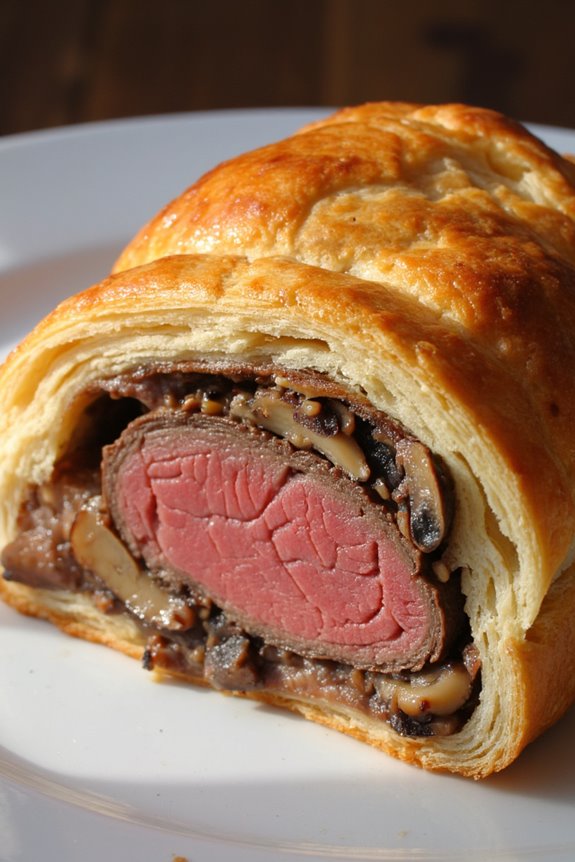
BœUf En Croûte, often referred to as Beef Wellington, is a classic French dish that combines tender beef fillet with a rich mushroom duxelles and a layer of prosciutto, all wrapped in flaky puff pastry.
This elegant dish is perfect for fall dinner gatherings, showcasing a beautiful balance of flavors and textures that will impress your guests. The preparation may seem intricate, but with the right steps, you can create a stunning centerpiece for any occasion.
To prepare BœUf En Croûte, it’s vital to start with high-quality ingredients, as the flavor of the beef and the freshness of the herbs play a significant role in the dish.
Once you have everything prepped, the assembly and baking process will bring this gourmet dish to life. Serve it with a side of seasonal vegetables or a rich red wine sauce to complete the meal.
Ingredients (Serves 4-6):
- 2 lbs beef tenderloin
- Salt and pepper, to taste
- 2 tablespoons olive oil
- 8 oz cremini or button mushrooms, finely chopped
- 3 tablespoons Dijon mustard
- 6 slices of prosciutto
- 1 tablespoon fresh thyme leaves
- 1 sheet of puff pastry (thawed if frozen)
- 1 egg, beaten (for egg wash)
Cooking Instructions:
- Prepare the Beef: Season the beef tenderloin generously with salt and pepper. Heat olive oil in a skillet over high heat and sear the beef on all sides until browned, about 2-3 minutes per side. Remove from the skillet and let it cool. Once cooled, brush the beef with Dijon mustard.
- Make the Duxelles: In the same skillet, add the finely chopped mushrooms and cook over medium heat until they release their moisture and become dry, approximately 10-12 minutes. Stir in the fresh thyme leaves and season with salt and pepper. Allow the mixture to cool.
- Assemble the Dish: Lay the prosciutto slices on a sheet of plastic wrap, slightly overlapping them. Spread the cooled mushroom duxelles evenly over the prosciutto. Place the beef in the center and roll it tightly using the plastic wrap. Twist the ends of the plastic wrap to secure it, and refrigerate for 15-30 minutes to set.
- Wrap in Puff Pastry: Preheat your oven to 400°F (200°C). Roll out the puff pastry on a floured surface into a rectangle large enough to encase the beef. Remove the beef from the plastic wrap and place it in the center of the pastry. Fold the pastry over the beef, sealing the edges with egg wash, and trim any excess pastry. Place seam-side down on a baking sheet.
- Bake: Brush the entire pastry with the beaten egg for a golden finish. Make a few small slits on the top to allow steam to escape. Bake in the preheated oven for 25-30 minutes or until the pastry is golden brown and the internal temperature of the beef reaches 130°F (54°C) for medium-rare.
- Rest and Serve: Once baked, let the BœUf En Croûte rest for 10-15 minutes before slicing. This allows the juices to redistribute and makes for a cleaner cut. Serve with your choice of sides and enjoy!
Extra Tips:
When preparing BœUf En Croûte, it’s paramount to verify that your beef is at room temperature before searing for an even cook.
Additionally, using a meat thermometer will help you achieve the perfect doneness. If you wish to make this dish ahead of time, you can prepare the assembly and refrigerate it for a few hours before baking.
This allows the flavors to meld beautifully and makes for a stress-free dinner party. Enjoy the process and the delicious results!
Choucroute Garnie

Choucroute Garnie is a classic Alsatian dish that celebrates the flavors of France and Germany through its hearty combination of sauerkraut and various meats. This comforting dish is perfect for a fall dinner, as it brings warmth and richness to the table. Traditionally made with fermented cabbage, Choucroute Garnie is typically served with a variety of sausages, pork, and sometimes even duck or bacon, making it a true feast for meat lovers.
The slow-cooked flavors meld beautifully, creating a dish that’s both satisfying and delicious. To prepare Choucroute Garnie, you’ll want to gather all your ingredients and allow them to blend together over time. This dish is ideal for serving 4-6 people, making it perfect for family gatherings or cozy dinner parties. The combination of savory meats, tangy sauerkraut, and aromatic herbs makes for a delightful meal that will leave your guests asking for seconds.
With the right approach, you can easily recreate this classic dish in your own kitchen.
Ingredients (serves 4-6):
- 2 pounds sauerkraut, drained and rinsed
- 1 tablespoon olive oil
- 1 onion, chopped
- 3 cloves garlic, minced
- 1 apple, peeled and diced
- 1 cup dry white wine
- 1 cup chicken or vegetable broth
- 1 bay leaf
- 1 teaspoon caraway seeds
- 1 pound smoked sausages (such as kielbasa or bratwurst)
- 1 pound pork shoulder or pork belly, cut into chunks
- 1/2 pound bacon, chopped
- Salt and pepper to taste
- Fresh parsley, chopped (for garnish)
Cooking Instructions:
- Prepare the Sauerkraut: In a large pot or Dutch oven, heat the olive oil over medium heat. Add the chopped onion and sauté until translucent, about 5 minutes. Stir in the minced garlic and diced apple, cooking for an additional 2-3 minutes until fragrant.
- Combine Ingredients: Add the drained sauerkraut to the pot, along with the dry white wine, chicken or vegetable broth, bay leaf, and caraway seeds. Stir to combine all the ingredients thoroughly.
- Add the Meats: Nestle the smoked sausages, pork shoulder or belly, and chopped bacon into the sauerkraut mixture. Confirm the meats are partially submerged in the liquid for even cooking.
- Simmer the Dish: Bring the mixture to a gentle simmer over medium heat. Once it starts to bubble, reduce the heat to low, cover the pot, and let it cook for about 1.5 to 2 hours. This slow cooking allows the flavors to meld and the meats to become tender.
- Check and Adjust: After 1.5 hours, check the dish for seasoning. Add salt and pepper to taste, and if necessary, adjust the liquid by adding more broth or wine if it appears too dry.
- Serve: Once the meats are tender and the flavors have melded, remove the bay leaf and transfer the Choucroute Garnie to a serving platter. Garnish with fresh parsley before serving.
Extra Tips:
When preparing Choucroute Garnie, feel free to customize the meats based on your preferences. You can include other types of sausages or meats, such as duck or veal, to enhance the dish’s flavor profile.
Additionally, using homemade sauerkraut can elevate the taste even further. If you’re short on time, you can prepare the dish a day in advance and reheat it gently before serving, as the flavors will deepen overnight. Enjoy this delicious and hearty meal with crusty bread and a glass of white wine for the perfect fall dining experience!
Pear and Gorgonzola Salad
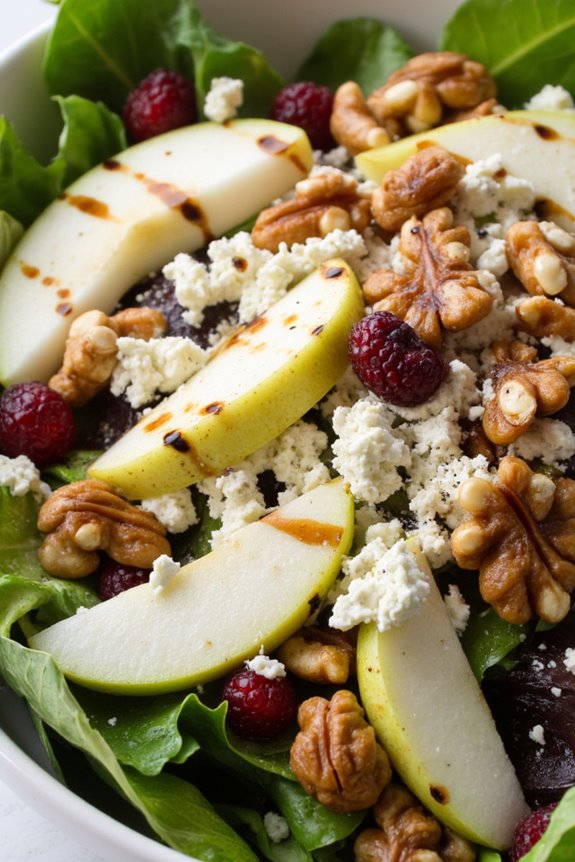
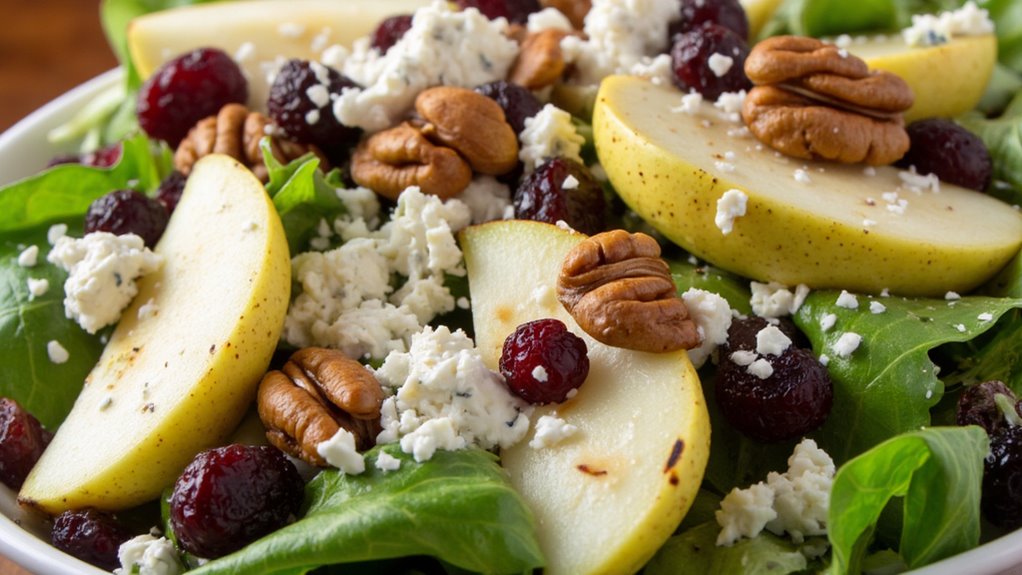
As the leaves begin to change and the air turns crisp, a delightful Pear and Gorgonzola Salad makes for a perfect fall dish. This salad combines the sweetness of ripe pears with the tangy creaminess of Gorgonzola cheese, creating a harmonious balance that’s both invigorating and indulgent. Tossed with mixed greens and a light vinaigrette, it can serve as an elegant starter or a flavorful side dish for your fall dinner gatherings.
This Pear and Gorgonzola Salad isn’t only visually stunning with its vibrant colors, but it also packs a punch of flavor that will impress your family and guests. The incorporation of walnuts adds a satisfying crunch, while dried cranberries provide a burst of sweetness. Whether you’re celebrating a special occasion or simply enjoying a cozy dinner at home, this salad will surely elevate your meal.
Ingredients (serves 4-6):
- 4 cups mixed salad greens (such as arugula, spinach, and romaine)
- 2 ripe pears, thinly sliced
- 1 cup crumbled Gorgonzola cheese
- 1/2 cup walnuts, chopped and toasted
- 1/2 cup dried cranberries
- 1/4 cup balsamic vinaigrette
- Salt and pepper to taste
Cooking Instructions:
- Prepare the Salad Greens: Start by rinsing the mixed salad greens under cold water to remove any dirt or impurities. Shake off excess water or use a salad spinner to dry them. Place the greens in a large salad bowl as the base of your salad.
- Slice the Pears: Take the ripe pears and carefully slice them thinly. You can choose to peel them or leave the skin on for added texture and nutrition. Arrange the pear slices on top of the salad greens, making sure to distribute them evenly for aesthetic appeal.
- Add the Gorgonzola Cheese: Crumble the Gorgonzola cheese over the salad. This cheese is flavorful, so sprinkle it generously to guarantee each bite has that creamy tanginess.
- Toast the Walnuts: In a dry skillet over medium heat, add the chopped walnuts. Toast them for about 3-5 minutes, stirring frequently to prevent burning. Once they’re golden and fragrant, remove them from the heat and allow them to cool slightly before adding them to the salad.
- Incorporate Dried Cranberries: Sprinkle the dried cranberries over the salad for a pop of sweetness and color. This ingredient complements the flavors of the pears and cheese beautifully.
- Dress the Salad: Drizzle the balsamic vinaigrette over the salad, ensuring that it’s evenly coated. If you prefer, you can serve the dressing on the side to allow guests to add their desired amount.
- Season and Toss: Season the salad with salt and pepper to taste. Gently toss the ingredients together, being careful not to bruise the pears or crumble the cheese too much. Serve immediately for the best texture and flavor.
Extra Tips:
For an added layer of flavor, you may consider substituting the balsamic vinaigrette with a honey mustard dressing, which pairs exceptionally well with the Gorgonzola cheese.
Additionally, you can make the salad ahead of time by prepping the ingredients separately and combining them just before serving to maintain the freshness of the greens and the crunch of the walnuts.
