

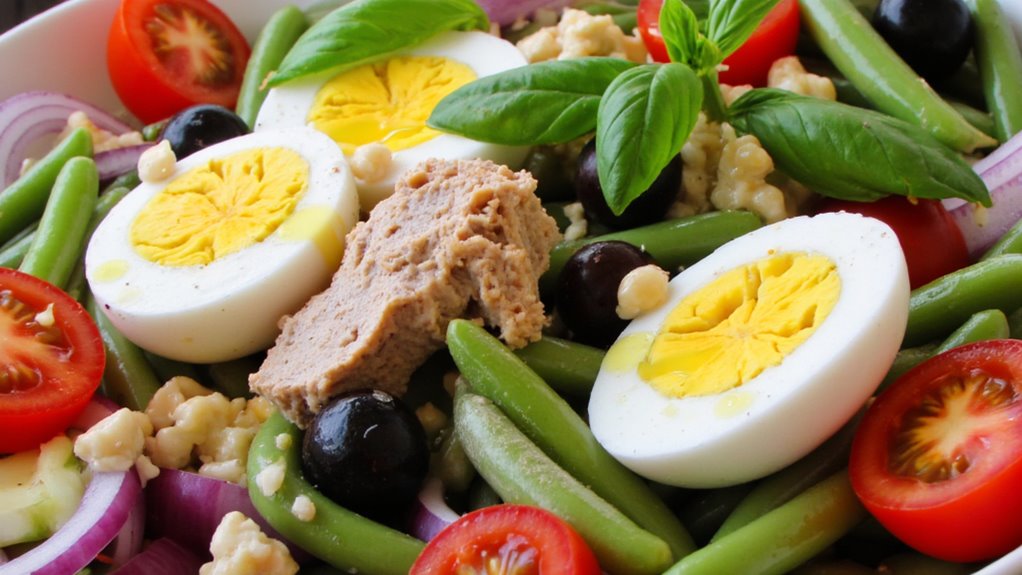
French cuisine always brings to mind rich flavors paired perfectly with wine. From Coq Au Vin to Ratatouille, these dishes are steeped in tradition and passion. And let’s not forget the wine pairings—they enhance the entire experience. I’m thrilled to share my favorite recipes that celebrate these classics. They also offer guidance on selecting the perfect wine to complement them.
Coq Au Vin With Pinot Noir
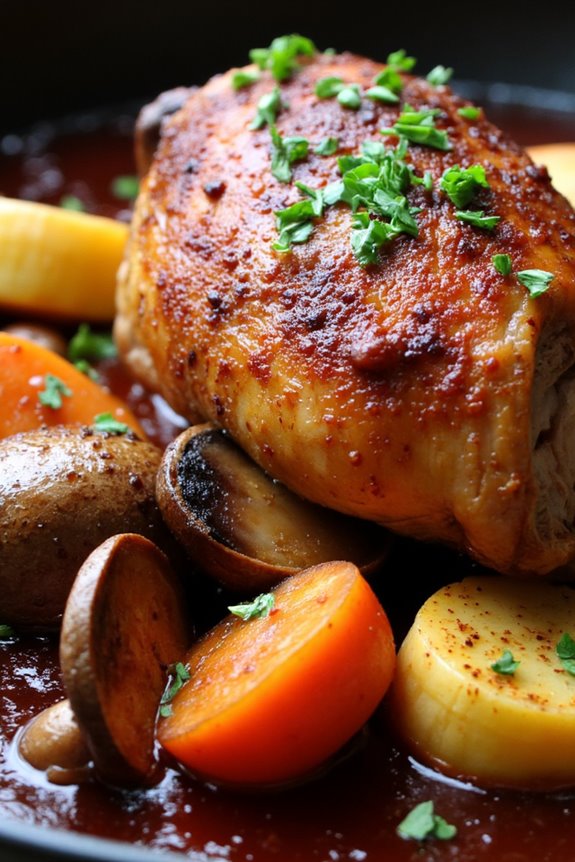
Coq Au Vin is a classic French dish that celebrates the rich and bold flavors of chicken braised in red wine, typically Pinot Noir. This traditional recipe hails from the Burgundy region, where wine is an integral part of the culinary culture.
The dish combines tender chicken, aromatic herbs, and earthy vegetables, melding together to create a sumptuous feast that warms the heart and delights the palate. Pair it with a glass of Pinot Noir to enhance the flavors and elevate your dining experience.
Preparing Coq Au Vin requires some patience, but the results are well worth the effort. As the chicken simmers in the wine, it absorbs the flavors of the ingredients, resulting in a dish that’s both comforting and elegant.
Perfect for a family gathering or a cozy dinner with friends, this culinary masterpiece is sure to impress. Follow the steps below for a delightful cooking experience that culminates in a delicious meal.
Ingredients (Serves 4-6)
- 4-6 chicken thighs and drumsticks, skin-on
- Salt and pepper, to taste
- 2 tablespoons olive oil
- 4 ounces bacon or lardons, diced
- 1 medium onion, chopped
- 3 cloves garlic, minced
- 2 cups mushrooms, quartered
- 2 cups carrots, sliced
- 2 cups Pinot Noir
- 1 cup chicken broth
- 2 tablespoons tomato paste
- 2 tablespoons all-purpose flour
- 2 teaspoons fresh thyme leaves
- 2 bay leaves
- Fresh parsley, chopped (for garnish)
Cooking Instructions
- Prepare the Chicken: Season the chicken pieces generously with salt and pepper. In a large, heavy-bottomed pot or Dutch oven, heat the olive oil over medium-high heat. Add the chicken pieces, skin-side down, and sear them until they’re golden brown on all sides, about 5-7 minutes. Remove the chicken from the pot and set aside.
- Cook the Bacon: In the same pot, add the diced bacon or lardons. Cook for about 4-5 minutes until crispy. This will infuse the dish with a smoky flavor. Once cooked, remove the bacon from the pot and set aside, leaving the rendered fat in the pot.
- Sauté the Vegetables: Add the chopped onion to the pot and sauté for about 3-4 minutes until softened. Stir in the minced garlic and cook for another minute until fragrant. Then, add the quartered mushrooms and sliced carrots, cooking for an additional 5 minutes until they start to soften.
- Deglaze the Pot: Sprinkle the flour over the sautéed vegetables and stir well to combine. This will help thicken the sauce later. Pour in the Pinot Noir, scraping the bottom of the pot to release any brown bits. Allow it to simmer for about 5 minutes to reduce slightly.
- Add the Chicken and Simmer: Return the chicken and cooked bacon to the pot. Add the chicken broth, tomato paste, thyme, and bay leaves. Stir to combine, ensuring the chicken is submerged in the liquid. Bring the mixture to a gentle boil, then reduce the heat to low, cover, and let it simmer for about 45 minutes to 1 hour, or until the chicken is tender and cooked through.
- Finish and Serve: Once the chicken is tender, taste the sauce and adjust the seasoning with salt and pepper as needed. Remove the bay leaves before serving. Garnish with freshly chopped parsley and serve hot, paired with a glass of Pinot Noir.
Extra Tips
For the best flavor, consider marinating the chicken in the Pinot Noir overnight before cooking. This allows the meat to absorb more of the wine’s rich flavor.
Additionally, you can customize the vegetable mix by adding pearl onions or parsnips for extra depth. Serve the Coq Au Vin with crusty bread or mashed potatoes to soak up the delicious sauce, making your dining experience even more enjoyable. Enjoy your culinary journey through France!
Ratatouille With Rosé
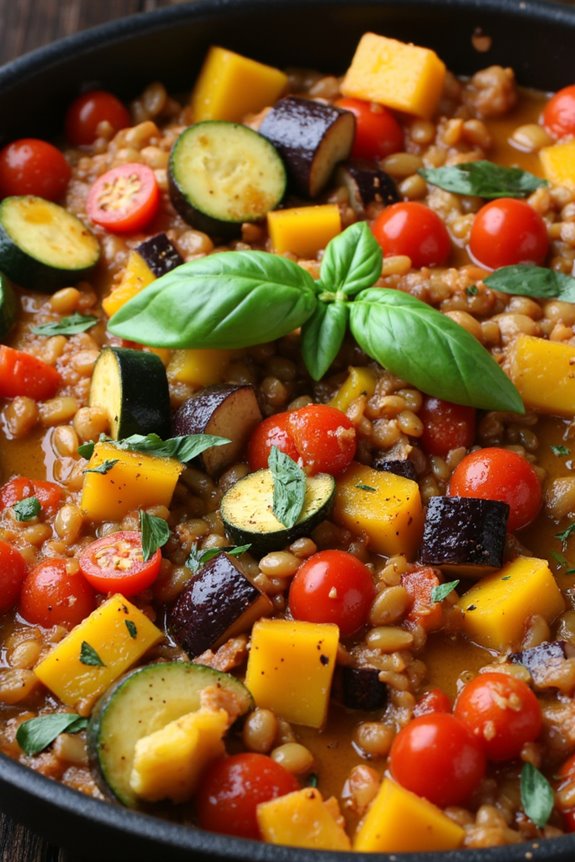
Ratatouille is a classic French dish that embodies the essence of Provence, celebrating the bounty of summer vegetables. This vibrant and hearty dish combines eggplant, zucchini, bell peppers, tomatoes, and aromatic herbs, all simmered together to create a medley of flavors. It’s not just a feast for the eyes but also a wholesome delight that captures the spirit of rustic French cooking.
Pairing it with a chilled glass of rosé enhances the dish’s flavors, making it a perfect accompaniment for a warm evening.
To prepare this dish, you’ll want to guarantee that your vegetables are fresh and of high quality, as they’re the stars of the recipe. Ratatouille can be served warm or at room temperature, making it incredibly versatile for any occasion, whether it’s a cozy family dinner or an elegant dinner party.
The key is to give each vegetable the attention it deserves while allowing the flavors to meld beautifully in the pot.
Ingredients (serving size: 4-6 people):
- 1 medium eggplant, diced
- 2 medium zucchini, sliced
- 1 bell pepper (red or yellow), diced
- 1 onion, chopped
- 3 cloves garlic, minced
- 4 medium tomatoes, diced (or 1 can of diced tomatoes)
- 1/4 cup extra virgin olive oil
- 1 teaspoon dried thyme
- 1 teaspoon dried basil
- Salt and pepper to taste
- Fresh basil leaves (for garnish)
- 1 bottle of chilled rosé wine
Cooking Instructions:
- Prepare the Vegetables: Start by washing and chopping all the vegetables. Dice the eggplant, zucchini, and bell pepper into bite-sized pieces, chop the onion, and mince the garlic. If using fresh tomatoes, dice them as well. This preparation will guarantee that everything cooks evenly and allows for a seamless cooking process.
- Sauté the Onion and Garlic: In a large skillet or Dutch oven, heat the olive oil over medium heat. Add the chopped onion and sauté for about 5 minutes until it becomes translucent. Then, add the minced garlic and cook for an additional 1-2 minutes until fragrant. This step builds the foundation of flavor for your ratatouille.
- Cook the Eggplant: Add the diced eggplant to the skillet and stir well. Cook for about 5-7 minutes, allowing the eggplant to soften and absorb the olive oil. If the eggplant starts to stick, add a splash of water or more oil as needed. This will help prevent burning and promote even cooking.
- Incorporate the Remaining Vegetables: Once the eggplant is tender, add the zucchini and bell pepper to the skillet. Stir to combine and cook for another 5 minutes until they begin to soften. This step layers the flavors and guarantees all the vegetables are cooked through but not mushy.
- Add Tomatoes and Seasoning: Stir in the diced tomatoes along with thyme, basil, salt, and pepper. Bring the mixture to a gentle simmer, then reduce the heat to low and cover the skillet. Allow the ratatouille to cook for about 20-25 minutes, stirring occasionally. This slow cooking allows the flavors to meld beautifully.
- Final Adjustments: Taste the ratatouille and adjust seasoning if necessary. If you prefer a thicker consistency, remove the lid and let it simmer for an additional 5-10 minutes. Once satisfied with the flavors and texture, take it off the heat.
- Serve: Garnish the ratatouille with fresh basil leaves before serving. Pair it with a chilled glass of rosé wine and enjoy this delightful French dish!
Extra Tips: When making ratatouille, feel free to customize the vegetables based on what you have on hand or what’s in season. Herbs like rosemary or parsley can also be added for extra flavor.
For a heartier version, consider adding some cooked lentils or chickpeas. Ratatouille can also be made ahead of time and tastes even better the next day as the flavors continue to develop.
Beef Bourguignon With Cabernet Sauvignon
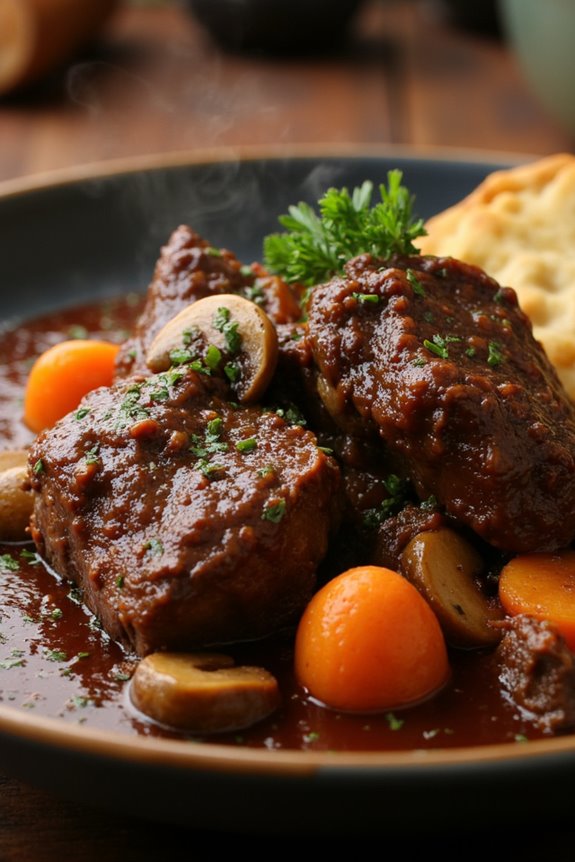
Beef Bourguignon is a classic French dish that beautifully showcases the art of slow cooking, resulting in tender chunks of beef simmered in a rich and hearty sauce. This dish hails from the Burgundy region of France, where the use of local red wines, particularly Cabernet Sauvignon, elevates the flavors to new heights. The wine not only tenderizes the meat but also infuses it with deep, complex flavors that are simply irresistible.
Served with crusty bread or creamy mashed potatoes, this dish is perfect for a cozy dinner with family or friends.
The process of making Beef Bourguignon involves several steps, but the end result is well worth the effort. As the beef cooks slowly, it absorbs the flavors of the aromatic vegetables, herbs, and wine, creating a comforting and satisfying meal. Pair this delicious dish with a glass of Cabernet Sauvignon, and you have a perfect match that enhances the dining experience. The robust character of the wine complements the rich sauce, making for a delightful culinary experience.
Ingredients (serving size: 4-6 people)
- 2 lbs beef chuck, cut into 1.5-inch cubes
- 4 slices of bacon, chopped
- 2 tablespoons olive oil
- 1 large onion, chopped
- 2 carrots, sliced
- 3 cloves garlic, minced
- 2 tablespoons tomato paste
- 4 cups Cabernet Sauvignon
- 2 cups beef broth
- 1 bouquet garni (thyme, bay leaf, and parsley tied together)
- 1 lb mushrooms, quartered
- 2 tablespoons all-purpose flour
- Salt and pepper to taste
- Fresh parsley, chopped (for garnish)
Cooking Instructions
- Prepare the Ingredients: Start by cutting the beef chuck into 1.5-inch cubes and seasoning it generously with salt and pepper. Chop the bacon, onion, and carrots, and quarter the mushrooms. Mince the garlic and set aside.
- Sear the Bacon: In a large Dutch oven or heavy pot, heat the olive oil over medium heat. Add the chopped bacon and cook until crispy and golden brown. Remove the bacon with a slotted spoon and set it aside, leaving the rendered fat in the pot.
- Brown the Beef: In the same pot, add the beef cubes in batches, making sure not to overcrowd the pan. Sear the beef on all sides until browned, about 3-4 minutes per side. Remove the beef and set it aside with the bacon.
- Sauté the Vegetables: Add the chopped onion and carrots to the pot, sautéing for about 5 minutes until softened. Add the minced garlic and cook for an additional minute until fragrant.
- Incorporate the Tomato Paste: Stir in the tomato paste, allowing it to cook for a couple of minutes to deepen the flavor before adding the wine.
- Deglaze and Simmer: Pour in the Cabernet Sauvignon, scraping the bottom of the pot to release any browned bits. Bring the mixture to a simmer, then return the beef and bacon to the pot.
- Add Broth and Herbs: Add the beef broth and bouquet garni to the pot. Stir to combine, then bring to a gentle boil.
- Slow Cook: Reduce the heat to low, cover the pot, and let it simmer for 2-3 hours, or until the beef is tender and the flavors have melded together. Stir occasionally to make certain nothing sticks to the bottom.
- Cook the Mushrooms: About 30 minutes before serving, sauté the quartered mushrooms in a separate pan with a little olive oil until golden brown. Add them to the pot with the stew.
- Thicken the Sauce: If desired, mix the flour with a few tablespoons of water to create a slurry. Stir this mixture into the pot to thicken the sauce, cooking for an additional 10 minutes.
- Garnish and Serve: Remove the bouquet garni before serving. Ladle the Beef Bourguignon into bowls, garnish with chopped fresh parsley, and serve hot with crusty bread or mashed potatoes.
Extra Tips
For the best flavor, use a good-quality Cabernet Sauvignon that you’d enjoy drinking. The better the wine, the better the dish will taste.
Additionally, for an even richer sauce, consider letting the Beef Bourguignon sit overnight in the refrigerator after cooking; the flavors will deepen, and it will be even more delicious when reheated.
Don’t rush the simmering process; low and slow is key to achieving tender beef and a luscious sauce. Enjoy your cooking adventure!
Duck Confit With Merlot
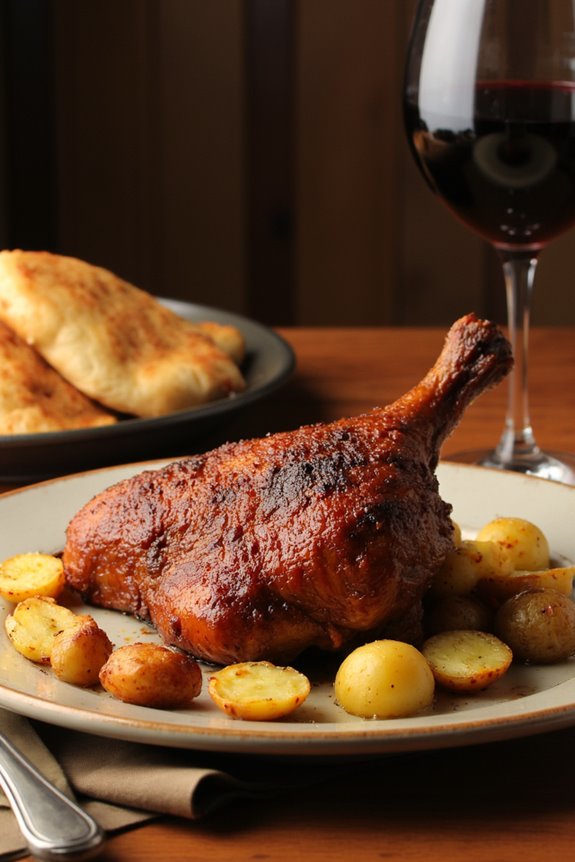
Duck confit is a classic French dish that showcases the rich, tender flavors of duck leg cooked slowly in its own fat. This preparation method not only preserves the meat but also infuses it with a deep, savory flavor that pairs beautifully with a robust Merlot.
When prepared correctly, duck confit can become the star of your dinner table, impressing guests with its succulent texture and aromatic qualities. The dish is typically served with crispy potatoes or a fresh salad, making it a versatile option for any occasion.
To achieve the perfect duck confit, patience is key. The duck legs must be cured with salt and herbs before being cooked slowly to create that melt-in-your-mouth texture. The Merlot wine pairing enhances the overall experience, offering a fruity yet tannic balance to the richness of the duck.
As you begin this culinary journey, make sure you have the right ingredients and follow the steps closely for a delightful French dining experience.
Ingredients (Serves 4-6):
- 4 duck legs
- 1 cup kosher salt
- 4 cloves garlic, minced
- 2 sprigs fresh thyme
- 1 sprig fresh rosemary
- 4 cups duck fat (or enough to cover the duck legs)
- Freshly ground black pepper, to taste
- 1 bottle Merlot (for pairing)
Cooking Instructions:
- Cure the Duck Legs: In a large bowl, combine the kosher salt, minced garlic, thyme, and rosemary. Rub this mixture generously over the duck legs, making sure they’re well-coated. Cover the bowl with plastic wrap and refrigerate for at least 24 hours, allowing the flavors to penetrate the meat and draw out excess moisture.
- Rinse and Dry: After curing, remove the duck legs from the refrigerator and rinse them under cold water to remove excess salt and herbs. Pat them dry with paper towels to make certain they’re as dry as possible. This step is essential for achieving crispy skin later on.
- Cook the Duck: Preheat your oven to 225°F (107°C). In a large, heavy-bottomed pot or Dutch oven, melt the duck fat over low heat. Once melted, carefully place the duck legs into the pot, ensuring they’re fully submerged in the fat. Cook in the oven for 2 to 3 hours or until the duck is tender and the meat easily pulls away from the bone.
- Cool and Crisp: Once cooked, remove the duck legs from the oven and let them cool in the fat. You can store the duck legs in the fat in the refrigerator for several days, which helps to preserve them. When ready to serve, preheat a skillet over medium-high heat and place the duck legs skin-side down. Sear until the skin is golden brown and crispy, about 5-7 minutes.
- Serve: Plate the crispy duck confit alongside your choice of sides, such as roasted potatoes or a simple salad. Pour a glass of Merlot to complement the dish and enjoy your French culinary masterpiece.
Extra Tips:
For the best results, consider using high-quality duck legs and duck fat, as these will greatly enhance the flavor of your dish. If you can’t find duck fat, you can substitute with a blend of olive oil and butter, though the authentic taste may vary.
Additionally, feel free to experiment with different herbs according to your taste preferences, as this can add a unique twist to your duck confit. Remember to allow the duck to rest briefly after cooking to retain its juices, making certain a moist and flavorful bite. Enjoy your meal!
Bouillabaisse With White Rhône
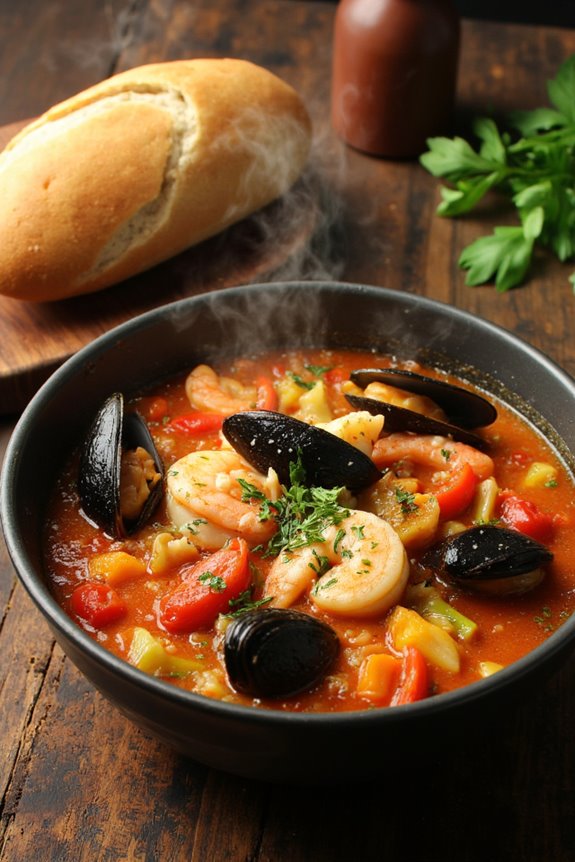
Bouillabaisse is a classic Provençal fish stew that embodies the essence of the Mediterranean. This dish is a fragrant and hearty mixture of various types of fish and shellfish, simmered with aromatic vegetables and herbs. The origins of bouillabaisse date back to the fishermen of Marseille, who’d use their catch of the day to create a satisfying and nutritious meal.
This delightful stew isn’t only a feast for the senses but also a wonderful way to enjoy the flavors of the sea.
When paired with a crisp White Rhône wine, bouillabaisse transforms into an elevated dining experience. The wine’s subtle fruitiness and minerality complement the rich flavors of the seafood, enhancing the overall taste of the dish. Serve this bouillabaisse with crusty bread or a side of rouille, a garlicky mayonnaise often served with the stew, for a truly authentic experience.
Ingredients (serves 4-6):
- 1 pound firm white fish (such as cod or halibut), cut into chunks
- 1 pound mussels, cleaned and debearded
- 1 pound shrimp, peeled and deveined
- 1 onion, chopped
- 2 leeks, sliced
- 3 cloves garlic, minced
- 1 can (14 oz) diced tomatoes
- 4 cups fish stock
- 1 cup dry white wine (preferably a White Rhône)
- 1 teaspoon saffron threads
- 1 teaspoon dried thyme
- 1 bay leaf
- Salt and pepper, to taste
- 1/4 cup olive oil
- Fresh parsley, chopped (for garnish)
- Crusty bread, for serving
Cooking Instructions:
- Prepare the Aromatics: In a large, heavy pot or Dutch oven, heat the olive oil over medium heat. Add the chopped onion and leeks, cooking until they’re soft and translucent, about 5-7 minutes. Stir in the minced garlic and cook for an additional minute until fragrant.
- Create the Base: Add the diced tomatoes, fish stock, white wine, saffron threads, thyme, bay leaf, salt, and pepper to the pot. Stir the mixture well and bring it to a gentle simmer. Allow it to cook for about 10-15 minutes to let the flavors meld together.
- Add the Seafood: Once the base is simmering, carefully add the fish chunks, mussels, and shrimp to the pot. Gently stir the seafood into the broth. Cover the pot and let it simmer for another 5-10 minutes, or until the mussels open and the shrimp turn pink. Discard any mussels that don’t open.
- Finish and Serve: Taste the bouillabaisse and adjust the seasoning with additional salt and pepper, if necessary. Remove the bay leaf before serving. Ladle the stew into bowls, garnish with fresh parsley, and serve hot with crusty bread and a glass of chilled White Rhône.
Extra Tips:
To enhance the flavor of your bouillabaisse, consider making your own fish stock using fish bones and vegetable scraps. This will add depth to the stew.
Additionally, ascertain that your seafood is fresh for the best taste. You can customize the types of fish and shellfish based on your preferences or what’s available at your local market.
Bouillabaisse is also a versatile dish; feel free to adjust the spices and herbs to suit your palate, making it a delightful centerpiece for any dinner gathering.
Tarte Tatin With Sauternes
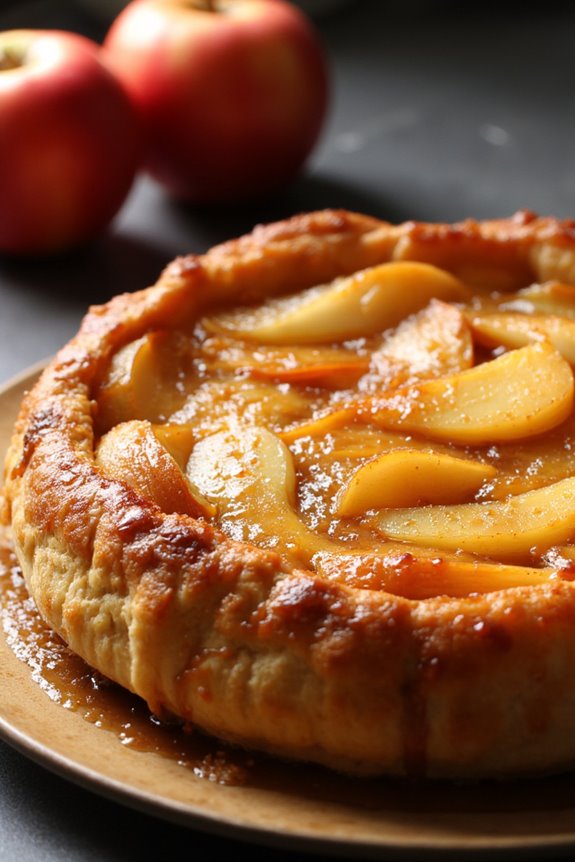
Tarte Tatin is a classic French dessert that features caramelized apples baked under a layer of flaky pastry. The origins of this delectable upside-down tart can be traced back to the Tatin sisters, who accidentally created the dish in their hotel in Lamotte-Beuvron, France. The sweetness of the caramelized apples combined with the buttery crust makes it a delightful end to any meal.
Pairing this dessert with Sauternes, a sweet white wine from the Bordeaux region, enhances the rich flavors and creates a harmonious balance.
In this recipe, we’ll guide you through the process of making Tarte Tatin and suggest how to best enjoy it with a glass of Sauternes. The wine’s honeyed notes and acidity complement the tart’s sweetness, making it an ideal match for this iconic French dessert. Whether you’re hosting a dinner party or simply treating yourself, Tarte Tatin is sure to impress your guests and satisfy your sweet tooth.
Ingredients (Serves 4-6)
- 6-8 medium-sized apples (preferably Granny Smith or Golden Delicious)
- 1 cup granulated sugar
- 1/2 cup unsalted butter (1 stick)
- 1 teaspoon vanilla extract
- 1 sheet of puff pastry (thawed if frozen)
- 1 tablespoon lemon juice
- Pinch of salt
Cooking Instructions
- Prepare the Apples: Begin by peeling, coring, and quartering the apples. Toss them with lemon juice to prevent browning and to add a hint of acidity that balances the sweetness.
- Make the Caramel: In a large oven-safe skillet or cast-iron pan, melt the butter over medium heat. Add the sugar and cook, stirring gently until it dissolves and turns a light golden color. This should take about 5-7 minutes. Be careful not to burn the caramel.
- Add the Apples: Once the caramel is ready, carefully arrange the apple quarters in the skillet, rounded side down. Cook the apples for about 10-15 minutes, allowing them to caramelize and soften slightly. You may need to spoon the caramel over the apples occasionally to guarantee even coverage.
- Add Vanilla and Salt: Stir in the vanilla extract and a pinch of salt into the caramelized apples, ensuring that the flavors meld together beautifully.
- Top with Puff Pastry: Preheat your oven to 375°F (190°C). Roll out the puff pastry to fit over the apples in the skillet. Place the pastry over the apples, tucking the edges down around the fruit. This will create a lovely crust when baked.
- Bake the Tart: Transfer the skillet to the preheated oven and bake for 25-30 minutes or until the pastry is golden brown and puffed up. Keep an eye on it to prevent over-browning.
- Cool and Invert: Once baked, remove the skillet from the oven and let it cool for about 5-10 minutes. Carefully invert the tart onto a serving plate, allowing the caramelized apples to rest on top of the pastry.
- Serve: Slice the Tarte Tatin and serve warm, ideally with a scoop of vanilla ice cream or a dollop of crème fraîche, alongside a glass of Sauternes.
Extra Tips
To elevate your Tarte Tatin, consider adding spices such as cinnamon or nutmeg to the caramel for a warm, aromatic flavor.
Additionally, if you wish to experiment, try using a mix of apple varieties for a more complex taste.
Finally, always let the tart cool slightly before inverting it to guarantee the caramel doesn’t run too much, giving you a beautifully presented dessert. Enjoy your culinary creation with a sweet glass of Sauternes for the perfect finish!
Quiche Lorraine With Chardonnay

Quiche Lorraine is a classic French dish that embodies the elegance of French cuisine while being surprisingly simple to prepare. This savory pie, with its buttery crust and rich filling of eggs, cream, cheese, and bacon, makes for an exquisite entrée suitable for any dinner occasion.
When paired with a chilled Chardonnay, the flavors harmonize beautifully; the wine’s crisp acidity cuts through the richness of the quiche, enhancing the overall dining experience.
Making Quiche Lorraine allows for creativity in the kitchen, as you can add your own twist to the traditional recipe. Whether you’re hosting a dinner party or enjoying a cozy family meal, this dish will impress your guests and leave them wanting more.
The process is straightforward, and with the right ingredients, you can have a delicious quiche fresh out of the oven in no time.
Ingredients (Serves 4-6):
- 1 pre-made pie crust (9-inch)
- 6 slices of bacon, chopped
- 1 cup shredded Gruyère cheese
- 4 large eggs
- 1 cup heavy cream
- 1 cup whole milk
- 1/2 teaspoon salt
- 1/4 teaspoon black pepper
- 1/4 teaspoon ground nutmeg
- 2 tablespoons finely chopped fresh chives (optional)
Cooking Instructions:
- Preheat the Oven: Begin by preheating your oven to 375°F (190°C). This guarantees that your quiche will cook evenly and achieve a golden-brown crust.
- Cook the Bacon: In a skillet over medium heat, cook the chopped bacon until it’s crispy, about 6-8 minutes. Use a slotted spoon to transfer the bacon to a paper towel-lined plate to drain excess fat. This step adds a savory flavor to your quiche and provides a nice texture.
- Prepare the Pie Crust: Place the pre-made pie crust into a 9-inch pie dish. If using a frozen crust, verify it’s thawed. Press the crust firmly to fit the dish and prick the bottom with a fork to prevent bubbling during baking.
- Whisk the Egg Mixture: In a large bowl, whisk together the eggs, heavy cream, whole milk, salt, pepper, and nutmeg until well combined. This mixture will create the custardy filling of your quiche.
- Layer the Ingredients: Sprinkle the cooked bacon and shredded Gruyère cheese evenly over the bottom of the pie crust. Then, carefully pour the egg mixture over the top, ensuring that the ingredients are well distributed.
- Bake the Quiche: Place the quiche in the preheated oven and bake for 35-40 minutes, or until the filling is set and the top is lightly golden. Check for doneness by inserting a knife into the center; it should come out clean.
- Cool and Serve: Once baked, remove the quiche from the oven and allow it to cool for about 10 minutes before slicing. This cooling period helps the filling set further, making it easier to cut neat slices.
Extra Tips:
For an added depth of flavor, consider incorporating sautéed onions or spinach into your quiche filling. Additionally, you can experiment with different cheeses such as cheddar or feta for a unique twist.
If you’re serving this dish for brunch, it pairs wonderfully with a fresh salad or a side of roasted vegetables. Don’t forget to chill your Chardonnay before serving; its crispness will elevate the dining experience!
Crepes Suzette With Grand Marnier

Crepes Suzette is a classic French dessert that combines delicate crepes with a luscious orange sauce, flambéed with Grand Marnier, a French orange liqueur. This dish isn’t only a feast for the taste buds but also a visual treat, as the flambéing process adds a dramatic flair to the presentation. Perfect for impressing guests at a dinner party or for a special occasion, Crepes Suzette brings a touch of elegance to any meal.
Preparing Crepes Suzette requires a bit of technique, but the result is undeniably worth the effort. The crepes are thin and tender, served warm and bathed in a fragrant sauce of orange juice, zest, butter, sugar, and Grand Marnier. When paired with a sweet dessert wine, such as a late-harvest Sauternes or a sparkling Moscato, this dish becomes a memorable finale to your French dinner experience.
Ingredients (Serves 4-6):
- For the crepes:
- 1 cup all-purpose flour
- 2 large eggs
- 1 1/4 cups milk
- 2 tablespoons sugar
- 1/4 teaspoon salt
- 2 tablespoons melted butter
- For the sauce:
- 1/2 cup unsalted butter
- 1/2 cup granulated sugar
- Zest of 1 orange
- 1/2 cup freshly squeezed orange juice
- 1/4 cup Grand Marnier
- Additional zest for garnish (optional)
Cooking Instructions:
- Prepare the crepe batter: In a mixing bowl, combine the flour, eggs, milk, sugar, and salt. Whisk the mixture until smooth and well combined, making certain there are no lumps. Stir in the melted butter. Let the batter rest for at least 30 minutes at room temperature to allow the gluten to relax, which will yield tender crepes.
- Cook the crepes: Heat a non-stick skillet or crepe pan over medium heat. Lightly grease the pan with butter. Pour about 1/4 cup of the batter into the center of the pan and quickly swirl it around to spread it evenly. Cook for about 1-2 minutes, or until the edges begin to lift and the bottom is lightly golden. Flip the crepe using a spatula and cook for an additional 1 minute. Transfer the cooked crepe to a plate and cover with a kitchen towel. Repeat with the remaining batter, stacking the crepes as you go.
- Make the sauce: In a large skillet, melt the butter over medium heat. Add the sugar and stir until it dissolves completely. Incorporate the orange zest and orange juice, stirring well to combine. Cook the mixture for about 5 minutes, allowing it to bubble and thicken slightly.
- Add the Grand Marnier: Carefully pour in the Grand Marnier and stir to combine. If you wish to flambé, tilt the pan slightly to ignite the liqueur using a long lighter or match (be cautious and make sure there are no flammable materials nearby). Allow the flames to subside, then reduce the heat.
- Serve the crepes: Fold each crepe into quarters and place them in the skillet with the sauce, making certain they’re well coated. Heat them for a minute or two until warmed through. Remove from heat and serve immediately, garnished with additional orange zest if desired.
Extra Tips:
When making Crepes Suzette, it’s crucial to keep the crepes warm while you prepare the sauce. You can do this by covering them with a kitchen towel or keeping them in a warm oven (set to low heat).
If you’re not comfortable flambéing, simply skip that step and serve the crepes with the sauce drizzled over them. For a more intense orange flavor, feel free to add a splash more of Grand Marnier to the sauce just before serving. Enjoy your Crepes Suzette with a glass of sweet dessert wine for the perfect dining experience!
Cassoulet With Syrah
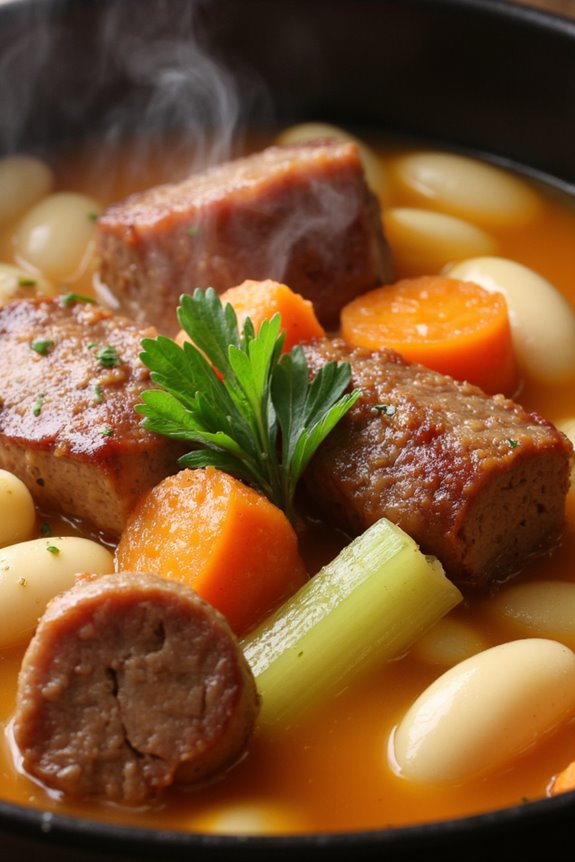
Cassoulet is a hearty and traditional French dish that originates from the southwest of France. This slow-cooked casserole is a delightful combination of meats, beans, and aromatic herbs, making it a perfect comfort food for chilly evenings. The dish typically includes duck, sausage, and pork, all simmered together with white beans and a medley of vegetables, creating a rich and flavorful experience. Pairing this dish with a bold Syrah enhances its depth and complements the savory flavors beautifully.
Cooking cassoulet is a labor of love, but the results are well worth the effort. The secret to a great cassoulet lies in the slow cooking process, allowing the flavors to meld together. As the dish cooks, the aroma fills your kitchen, inviting everyone to gather around the table. With its rustic roots and rich flavors, cassoulet is sure to impress at any dinner gathering, especially when paired with a glass of Syrah.
Ingredients for Cassoulet With Syrah (Serves 4-6):
- 1 pound dried white beans (such as Great Northern or Cannellini)
- 4 ounces pancetta or bacon, diced
- 1 pound duck legs or duck confit
- 1 pound pork shoulder, cut into 1-inch cubes
- 1 pound Toulouse sausage or any hearty sausage, cut into chunks
- 1 medium onion, chopped
- 2 carrots, diced
- 2 celery stalks, diced
- 4 cloves garlic, minced
- 1 teaspoon dried thyme
- 1 bay leaf
- 1 cup diced tomatoes (canned or fresh)
- 4 cups chicken or duck broth
- Salt and pepper to taste
- 1 tablespoon olive oil
- Fresh parsley, for garnish
- 1 bottle of Syrah, for pairing
Cooking Instructions:
- Prepare the Beans: Start by rinsing the dried white beans under cold water. Soak them in a large bowl with enough water to cover them by several inches. Allow them to soak overnight or for at least 8 hours. Drain and set aside.
- Brown the Meats: In a large Dutch oven or heavy pot, heat the olive oil over medium heat. Add the diced pancetta or bacon and cook until crispy and browned. Remove with a slotted spoon and set aside. In the same pot, add the duck legs and pork shoulder. Sear them on all sides until browned. Remove the meat and set aside.
- Sauté the Vegetables: In the same pot, add the chopped onion, carrots, celery, and garlic. Sauté for about 5-7 minutes until the vegetables are softened and fragrant. Season with salt and pepper.
- Combine Ingredients: Return the pancetta, browned meats, and soaked beans to the pot. Add the thyme, bay leaf, diced tomatoes, and broth. Stir everything together to combine the flavors.
- Slow Cook the Cassoulet: Bring the mixture to a gentle simmer, then cover the pot and reduce the heat to low. Let it cook for about 2 to 3 hours, stirring occasionally, until the beans are tender and the meats are falling apart.
- Final Touches: Taste and adjust seasoning with salt and pepper as needed. Once cooked, remove the duck legs and shred the meat, discarding the bones. Return the shredded duck to the pot and stir to combine with the other ingredients.
- Serve: Ladle the cassoulet into bowls, garnishing with fresh parsley. Serve hot alongside a glass of Syrah, allowing the wine to elevate the dish’s flavors.
Extra Tips:
When preparing cassoulet, feel free to customize the meats based on your preferences. Adding lamb or changing the sausage type can bring a new dimension to the dish. For a crispy topping, consider broiling the cassoulet for a few minutes before serving to achieve a golden crust.
Finally, remember that cassoulet tastes even better the next day, so make it ahead of time for a delightful meal that improves with time!
Salade Niçoise With Sauvignon Blanc
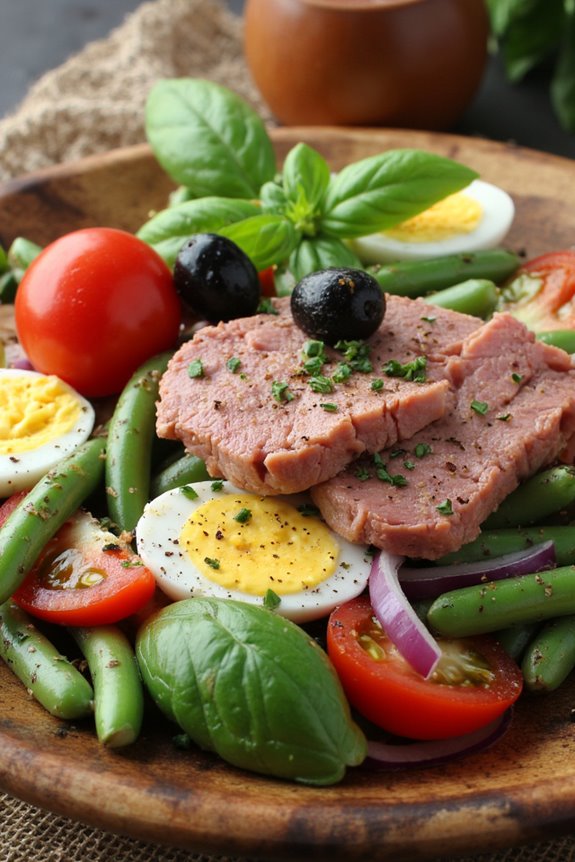
Salade Niçoise is a classic French salad that hails from the sunny region of Nice. This vibrant dish is a celebration of fresh Mediterranean ingredients, combining crisp vegetables, tender proteins, and a drizzle of olive oil. It isn’t only visually appealing but also packed with flavors that evoke the essence of summer.
Traditionally, the salad features tuna, green beans, tomatoes, olives, and hard-boiled eggs, all arranged beautifully on a platter. The addition of a crisp Sauvignon Blanc wine enhances the flavors of the dish, making it a perfect pairing for a delightful dining experience.
This salad is incredibly versatile and can be adapted according to your preferences or the seasonal availability of ingredients. The use of quality tuna, either fresh or canned, is essential, as it provides a rich, savory base. The dressing, a simple vinaigrette made from olive oil and vinegar, ties all the elements together.
Whether served as an appetizer or a light main course, Salade Niçoise is an elegant yet easy dish that brings a touch of French flair to your table.
Ingredients (Serves 4-6):
- 1 lb green beans, trimmed
- 4 medium ripe tomatoes, quartered
- 1 cup black olives, preferably Niçoise or Kalamata
- 1 small red onion, thinly sliced
- 4 hard-boiled eggs, peeled and quartered
- 1 lb canned tuna in olive oil, drained and flaked
- 1/4 cup extra virgin olive oil
- 2 tablespoons red wine vinegar
- Salt and pepper to taste
- Fresh basil leaves for garnish
Cooking Instructions:
- Prepare the Green Beans: In a large pot of salted boiling water, blanch the green beans for about 3-4 minutes until they’re bright green and tender-crisp. Immediately transfer them to an ice bath to stop the cooking process. Once cooled, drain and set aside.
- Hard-Boil the Eggs: Place the eggs in a pot and cover with water. Bring to a boil, then cover and remove from heat, letting the eggs sit for about 10-12 minutes. After that, transfer the eggs to an ice bath to cool. Once cooled, peel and quarter the eggs.
- Assemble the Salad: On a large platter, start by arranging the quartered tomatoes, olives, and sliced red onion in sections. Then, add the blanched green beans and flaked tuna. Finally, place the quartered hard-boiled eggs around the salad for a beautiful presentation.
- Make the Dressing: In a small bowl, whisk together the olive oil, red wine vinegar, salt, and pepper until emulsified. Drizzle this dressing over the salad just before serving.
- Garnish and Serve: Finish the salad with a sprinkle of freshly torn basil leaves for added aroma and flavor. Serve immediately with chilled Sauvignon Blanc to complement the dish.
Extra Tips:
When preparing Salade Niçoise, try to use the freshest ingredients available, as the quality will greatly impact the final dish. If you’re looking for added flavor, consider marinating the tuna in a bit of lemon juice and herbs before using it.
Additionally, you can customize the salad by adding other ingredients such as artichoke hearts or capers for an extra punch. This dish can also be made ahead of time; just keep the dressing separate until you’re ready to serve to maintain the crispness of the vegetables.
Enjoy your culinary journey through the French Riviera!
