

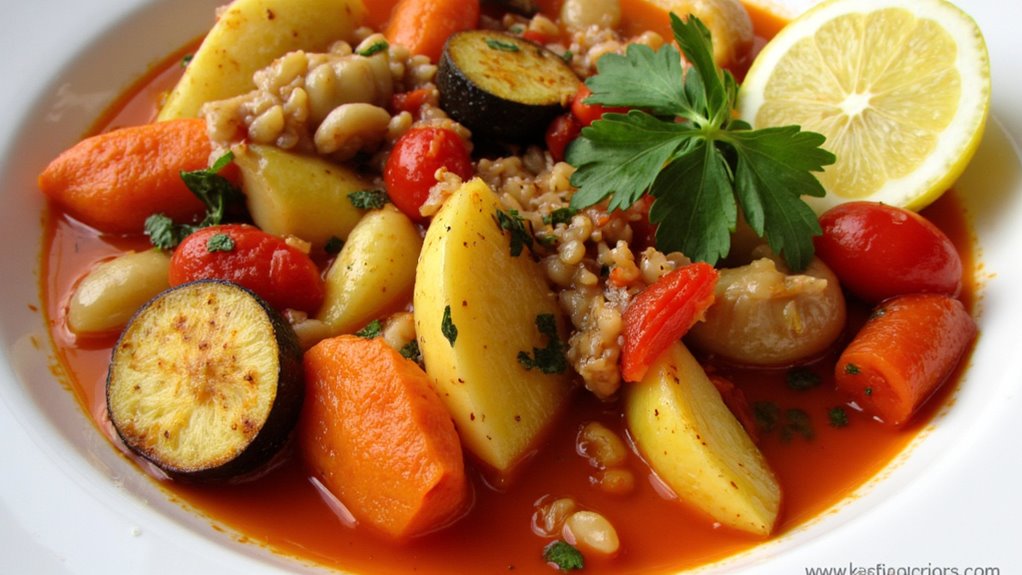
As I strolled through the picturesque fields of Provence, the air was fragrant with lavender and rosemary. The essence of Provençal cooking is pure magic, where each dish is steeped in tradition and vibrant flavors. From comforting ratatouille to crispy zucchini fritters, these vegetarian recipes bring the heart of the French countryside to your kitchen. Are you ready to savor the rustic charm of Provence with me? Let’s explore these delightful recipes together.
Ratatouille: A Classic Vegetable Medley
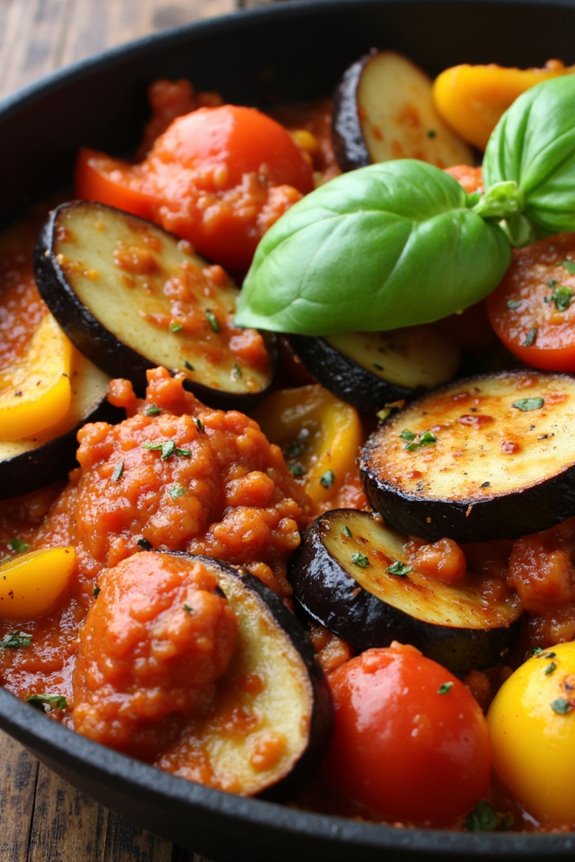
Ratatouille is a quintessential Provençal dish that beautifully showcases the vibrant flavors and colors of summer vegetables. This classic vegetable medley is a celebration of the bounty of the garden, incorporating eggplant, zucchini, bell peppers, tomatoes, and herbs into a harmonious and savory blend.
Traditionally, ratatouille is slow-cooked to allow the flavors to meld together, resulting in a comforting yet elegant dish that can be served as a main course or a side dish. Its versatility and earthy taste make it a favorite among vegetarians and a delightful addition to any meal.
The beauty of ratatouille lies in its simplicity and the quality of its ingredients. Using fresh, ripe vegetables and a bouquet of fragrant herbs is key to achieving the dish’s signature depth of flavor. While there are various ways to prepare ratatouille, this recipe focuses on a classic stovetop method that guarantees each vegetable retains its character while contributing to a unified and delicious whole.
This recipe serves 4-6 people.
Ingredients:
- 1 medium eggplant, diced
- 2 medium zucchinis, sliced
- 1 red bell pepper, chopped
- 1 yellow bell pepper, chopped
- 1 large onion, diced
- 4 cloves of garlic, minced
- 6 ripe tomatoes, peeled and diced
- 1/4 cup olive oil
- 1 teaspoon dried thyme
- 1 teaspoon dried oregano
- 1 bay leaf
- Salt and pepper to taste
- Fresh basil leaves for garnish
Cooking Instructions:
- Prepare the Vegetables: Start by dicing the eggplant and placing it in a colander. Sprinkle it with a little salt and let it sit for about 20 minutes to draw out any bitterness. Rinse and pat dry. Meanwhile, slice the zucchinis, chop the bell peppers, and dice the onion.
- Sauté the Vegetables: In a large pot or Dutch oven, heat the olive oil over medium heat. Add the onion and garlic, and sauté until the onion is translucent and aromatic, about 5 minutes.
- Cook the Eggplant: Add the eggplant to the pot and cook for another 5 minutes, stirring occasionally, until slightly softened.
- Add Remaining Vegetables: Add the zucchini, red and yellow bell peppers to the pot. Stir well to combine the vegetables.
- Incorporate Tomatoes and Seasoning: Add the diced tomatoes, thyme, oregano, and bay leaf. Season with salt and pepper to taste. Stir everything together to guarantee the vegetables are well coated with seasoning.
- Simmer the Ratatouille: Reduce the heat to low, cover the pot, and let the ratatouille simmer for about 30-40 minutes. Stir occasionally to prevent sticking, and cook until the vegetables are tender and the flavors have melded.
- Adjust Seasoning and Serve: Taste and adjust the seasoning if necessary. Remove the bay leaf before serving. Garnish with fresh basil leaves and serve hot, warm, or at room temperature.
Extra Tips:
To bring out the best flavors in your ratatouille, always use the freshest vegetables you can find. If you prefer a smoother texture, you can cook the dish longer, allowing the vegetables to break down more.
Ratatouille can also be made a day in advance, as the flavors tend to develop and improve overnight. For added depth, consider adding a splash of good quality balsamic vinegar or a sprinkle of parmesan cheese before serving. This dish is excellent when paired with crusty bread or served over rice or pasta.
Pissaladière: Delicious Onion Tart
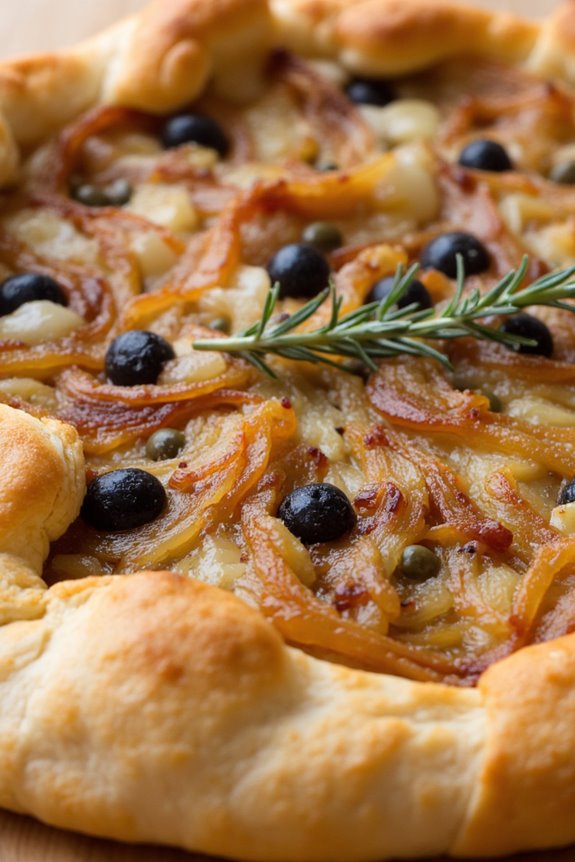
Pissaladière, a delicious onion tart from the Provence region of France, is a savory delight that combines the rich flavors of caramelized onions, olives, and anchovies on a crisp pastry base. This vegetarian version retains the essence of traditional Provençal cuisine while omitting the anchovies, making it suitable for those who prefer plant-based dishes.
The key to a perfect Pissaladière lies in slowly caramelizing the onions to bring out their natural sweetness, which pairs beautifully with the briny olives and the herby aroma of thyme. This dish is perfect for serving as an appetizer or a light meal, and it’s ideal for sharing with friends or family. The Pissaladière can be enjoyed warm or at room temperature, making it a versatile addition to any gathering.
The following recipe serves 4-6 people, providing a delightful taste of Provence with every bite.
Ingredients:
- 1 sheet of puff pastry or pizza dough
- 4 large onions, thinly sliced
- 2 tablespoons olive oil
- 1 tablespoon butter
- 1 teaspoon fresh thyme leaves
- Salt and pepper to taste
- 20 black olives, pitted and halved
- 2 tablespoons capers, rinsed
- 1 tablespoon Dijon mustard
Cooking Instructions:
- Prepare the Dough: If using frozen puff pastry, allow it to thaw according to package instructions. Preheat your oven to 400°F (200°C). Roll out the pastry or dough on a floured surface to fit a baking sheet.
- Caramelize the Onions: In a large skillet, heat olive oil and butter over medium heat. Add the sliced onions and cook, stirring occasionally, until they become soft and golden brown. This should take about 30-40 minutes. Add thyme, salt, and pepper, and stir to combine.
- Assemble the Tart: Spread the Dijon mustard evenly over the rolled-out pastry, leaving a small border around the edges. Spread the caramelized onions over the mustard layer.
- Add Toppings: Arrange the halved olives and capers evenly over the onions.
- Bake the Tart: Transfer the assembled tart to a baking sheet. Bake in the preheated oven for 20-25 minutes, or until the pastry is golden and crisp.
- Serve: Allow the tart to cool slightly before slicing. Serve warm or at room temperature.
Extra Tips:
For added flavor, consider using a mixture of green and black olives, or experiment with different types of olives to find your favorite combination.
If you prefer a slightly spicier version, add a pinch of red pepper flakes to the caramelized onions. To save time, you can prepare the onions in advance and store them in the refrigerator until you’re ready to assemble the tart.
Finally, make sure to keep an eye on the onions as they caramelize to prevent them from burning, stirring frequently for even cooking.
Provençal Stuffed Tomatoes
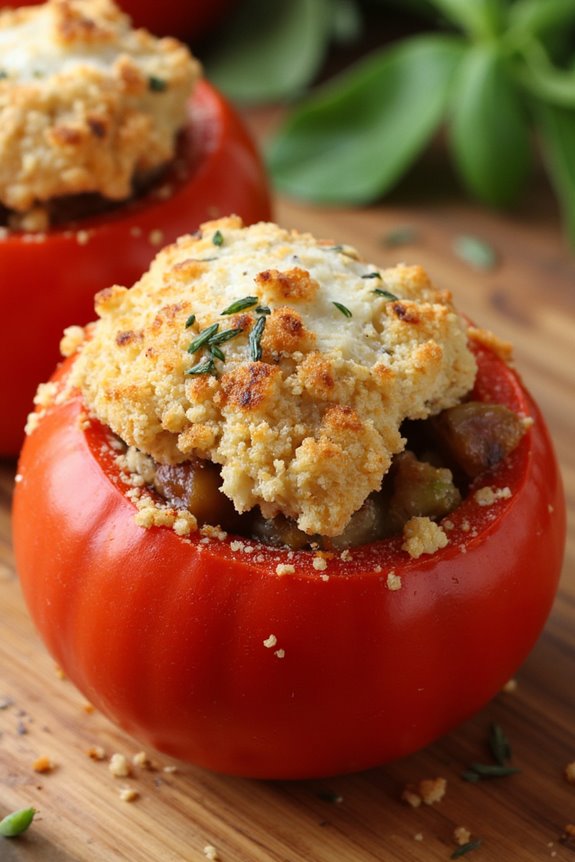
Provençal Stuffed Tomatoes are a delightful vegetarian dish that showcases the flavors of the Provence region in France. These tomatoes are hollowed out and filled with a savory mixture of breadcrumbs, herbs, and vegetables, creating a perfect balance of textures and tastes. This dish is a wonderful option for a light lunch or a side dish, and it brings a touch of Mediterranean sunshine to your table.
The stuffing is versatile and can be adjusted to suit your taste, making it a great way to use up any vegetables you have on hand. The beauty of Provençal Stuffed Tomatoes lies in their simplicity and the freshness of their ingredients. Ripe, juicy tomatoes serve as the vessel for a fragrant filling that includes aromatic herbs like thyme and basil, along with garlic and onions for depth of flavor.
The use of olive oil ties everything together with its rich, fruity character, while breadcrumbs provide a satisfying crunch. This recipe is designed to serve 4-6 people, making it perfect for a family meal or a gathering with friends.
Ingredients (Serves 4-6):
- 6 large ripe tomatoes
- 1 cup breadcrumbs
- 1 small onion, finely chopped
- 2 cloves garlic, minced
- 1/2 cup chopped fresh basil
- 2 tablespoons chopped fresh thyme
- 1/4 cup grated Parmesan cheese
- 1/4 cup olive oil
- Salt and pepper to taste
Cooking Instructions:
- Preheat the Oven: Start by preheating your oven to 375°F (190°C) to guarantee it’s hot enough to cook the tomatoes evenly.
- Prepare the Tomatoes: Wash the tomatoes thoroughly. Slice off the tops and scoop out the seeds and pulp with a spoon, being careful not to pierce the skin. Set the hollowed tomatoes aside and reserve the tops for later use.
- Make the Stuffing: In a mixing bowl, combine the breadcrumbs, chopped onion, minced garlic, basil, thyme, and Parmesan cheese. Add salt and pepper to taste, and mix everything well.
- Combine with Olive Oil: Slowly drizzle olive oil into the breadcrumb mixture while stirring to guarantee even distribution. The mixture should be moist but not soggy.
- Stuff the Tomatoes: Fill each hollowed tomato with the stuffing mixture, pressing down gently to pack it in. Place the filled tomatoes in a baking dish.
- Bake the Tomatoes: Cover the dish with foil and bake in the preheated oven for 20 minutes. Remove the foil and place the reserved tomato tops over the stuffed tomatoes. Continue baking for another 15-20 minutes, or until the tops are golden and the tomatoes are tender.
- Serve: Allow the tomatoes to cool slightly before serving. They can be served warm or at room temperature.
Extra Tips:
For an added dimension of flavor, consider adding chopped olives or capers to the stuffing mixture. If you prefer a gluten-free version, substitute breadcrumbs with gluten-free breadcrumbs or cooked quinoa.
It’s important to choose tomatoes that are firm but ripe to guarantee they hold their shape during baking. If the tomatoes are too soft, they might collapse in the oven. Finally, feel free to experiment with different herbs according to your taste preference, such as adding a pinch of oregano or rosemary for a more robust flavor.
Socca: Chickpea Flour Pancake
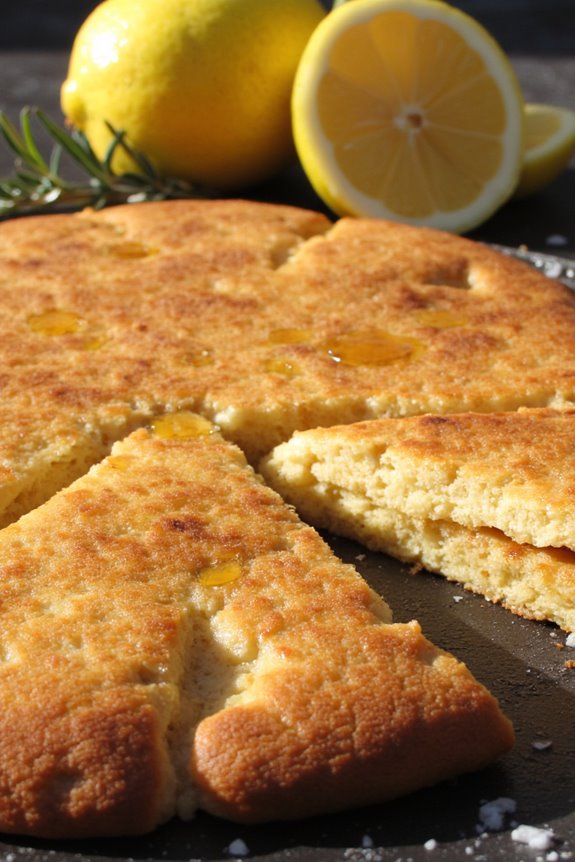
Socca, a traditional dish from the Provence region in France, is a simple yet delicious chickpea flour pancake. It’s naturally gluten-free and vegan, making it a versatile choice for various dietary preferences.
Socca is typically cooked in a wood-fired oven, resulting in a crispy exterior and soft, tender interior. It’s served as a snack or appetizer, often accompanied by a sprinkle of sea salt and a drizzle of olive oil.
The beauty of Socca lies in its simplicity and the use of minimal ingredients, yet it offers a rich, nutty flavor that pairs well with fresh herbs and a squeeze of lemon. This recipe is perfect for serving 4-6 people and can be easily prepared on a stovetop griddle or in a conventional oven. Enjoy Socca as a standalone appetizer or as a delicious accompaniment to a variety of dips and spreads.
Ingredients:
- 1 cup chickpea flour
- 1 cup water
- 3 tablespoons olive oil, plus more for the pan
- 1 teaspoon salt
- 1 teaspoon freshly ground black pepper
- 1 teaspoon dried rosemary or thyme (optional)
- Sea salt, for serving
- Lemon wedges, for serving
Instructions:
- Prepare the Batter: In a large mixing bowl, whisk together the chickpea flour and water until smooth and free of lumps. Add in 3 tablespoons of olive oil, salt, pepper, and dried herbs, if using. Whisk the mixture until well combined. Let the batter rest at room temperature for at least 30 minutes to allow the flour to absorb the water.
- Preheat the Oven: Preheat your oven to 450°F (230°C) or heat a stovetop griddle over medium-high heat. If using an oven, place a heavy-bottomed oven-safe skillet or pizza stone in the oven while it preheats.
- Cook the Socca: Once the resting period is over and your cooking surface is hot, lightly oil the skillet or griddle. Pour the batter into the pan, swirling it around to form an even, thin layer. Cook for about 5-8 minutes, or until the edges are crisp and the top is lightly golden.
- Broil for Crispiness: If using an oven, switch to broil mode for an additional 2-3 minutes to achieve extra crispiness on the top. If cooking on a stovetop, you might need to carefully flip the Socca after the initial cooking to brown the other side, or alternatively, you can cover the pan with a lid to help cook the top.
- Serve: Remove the Socca from the oven or griddle and let it cool slightly. Cut into wedges or squares, sprinkle with sea salt, and serve with lemon wedges on the side for drizzling.
Extra Tips: For the best results, use a well-seasoned cast-iron skillet or a non-stick pan to prevent the Socca from sticking. If you prefer a thinner or thicker Socca, adjust the amount of batter you pour into the pan.
Socca can be customized with various herbs and spices to your liking. Consider adding minced garlic or paprika for an extra flavor punch. Serve immediately for the best texture and enjoy the crispy, warm Socca right out of the oven or off the griddle.
Tian De Légumes: Layered Vegetable Gratin
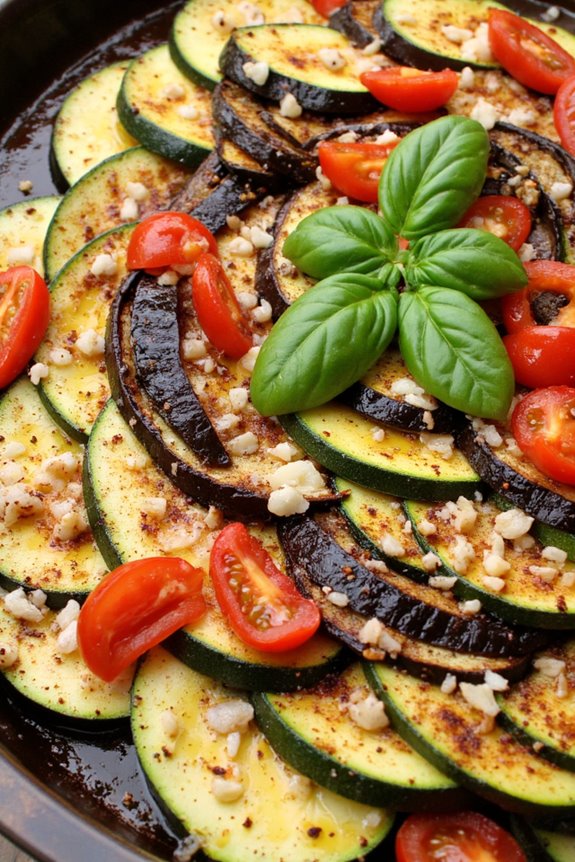
The Tian De Légumes, a traditional Provençal dish, embodies the essence of southern France with its vibrant layers of fresh vegetables baked to perfection. This vegetarian gratin is both a feast for the eyes and the palate, presenting an explosion of flavors as the vegetables roast and meld together.
The term “tian” refers to both the earthenware dish in which the vegetables are traditionally baked and the dish itself, highlighting the simplicity and rustic charm inherent in Provençal cuisine. This recipe combines zucchini, eggplant, tomatoes, and bell peppers, seasoned with fresh herbs and olive oil, resulting in a colorful and aromatic dish that’s perfect as a main course or a side.
Ideal for serving 4-6 people, Tian De Légumes is straightforward to prepare yet delivers impressive results. The vegetables are thinly sliced and layered meticulously, creating a beautiful tapestry of colors. As the dish bakes, the natural juices from the vegetables are released, blending with the olive oil and herbs to create a savory and fragrant sauce.
The gratin is best enjoyed warm, allowing the flavors to shine through and providing a comforting and healthy meal option. Let’s plunge into the preparation of this delightful dish.
Ingredients for 4-6 servings:
- 2 medium zucchinis
- 1 medium eggplant
- 4 medium tomatoes
- 2 red bell peppers
- 1 large onion
- 3 cloves of garlic
- 3 tablespoons olive oil
- 1 teaspoon salt
- 1/2 teaspoon black pepper
- 1 teaspoon dried thyme
- 1 teaspoon dried oregano
- 1/4 cup grated Parmesan cheese (optional)
- Fresh basil for garnish
Cooking Instructions:
- Preheat the Oven: Start by preheating your oven to 375°F (190°C). This guarantees that the oven is hot enough to cook the vegetables evenly and bring out their natural sweetness.
- Prepare the Vegetables: Wash all the vegetables thoroughly. Slice the zucchinis, eggplant, and tomatoes into 1/4-inch thick rounds. Cut the bell peppers into strips and finely chop the onion. Mince the garlic cloves.
- Layer the Vegetables: In a baking dish, drizzle some olive oil to lightly coat the bottom. Begin layering the vegetables: arrange slices of zucchini, eggplant, and tomato in a standing position, alternating them to create a pattern. Place strips of bell pepper and sprinkle chopped onions and minced garlic between layers.
- Season the Dish: Once the vegetables are arranged, drizzle with the remaining olive oil. Sprinkle salt, black pepper, thyme, and oregano evenly over the top to season the vegetables.
- Bake the Gratin: Cover the dish with aluminum foil and place it in the preheated oven. Bake for about 30 minutes. Remove the foil and bake for an additional 15-20 minutes until the vegetables are tender and slightly caramelized.
- Add Parmesan Cheese: If using, sprinkle grated Parmesan cheese over the top of the vegetables in the last 5 minutes of baking, allowing it to melt and form a light crust.
- Garnish and Serve: Once done, remove from the oven and let it cool slightly. Garnish with fresh basil leaves before serving. Enjoy the Tian De Légumes warm, either as a main dish or alongside your favorite protein.
Extra Tips:
For the best results, try using vegetables that are similar in size to guarantee even cooking. Feel free to experiment with additional herbs like rosemary or herbes de Provence to suit your taste preferences.
If you prefer a vegan version, simply omit the Parmesan cheese or substitute it with a plant-based alternative. To enhance the flavor, let the dish rest for a few minutes before serving, allowing the flavors to meld together beautifully.
Tapenade: Olive Spread Delight
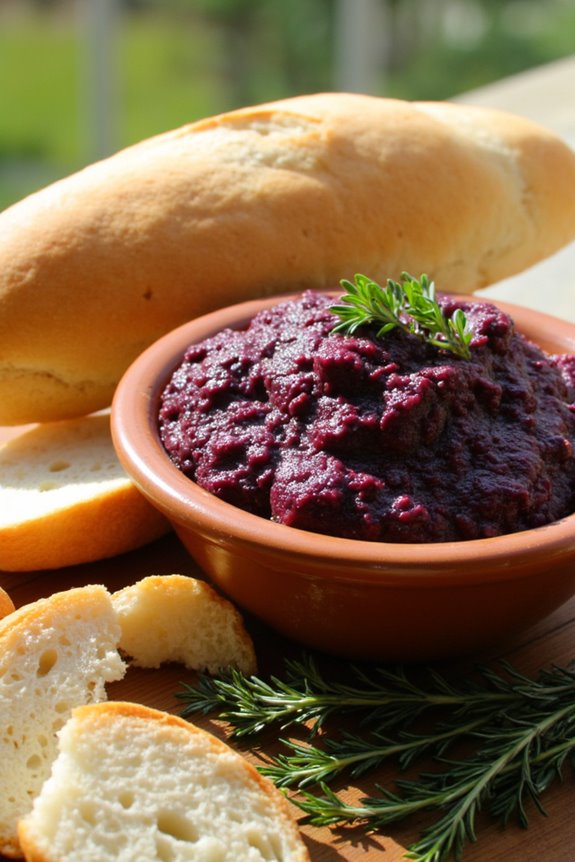
Tapenade is a classic Provençal dish that brings the vibrant flavors of the Mediterranean to your table. This delicious olive spread is perfect for those seeking a vegetarian option that doesn’t skimp on taste. Traditionally made with black olives, capers, and anchovies, this version of tapenade offers a delightful vegetarian twist by omitting the anchovies, yet retaining the deep, rich flavors through the addition of herbs and quality olive oil.
Whether you’re spreading it on crusty bread or serving it as a dip with fresh vegetables, tapenade is bound to be a hit at any gathering. The beauty of tapenade lies in its simplicity and adaptability. With its robust flavors and smooth texture, it serves as an excellent appetizer or a flavorful addition to any meal.
The key to a perfect tapenade is using fresh, high-quality ingredients. This recipe is designed to serve 4-6 people, making it ideal for a small dinner party or a family meal. With just a few simple steps, you can create a delicious spread that will transport your taste buds to the sunny coasts of Provence.
Ingredients for 4-6 servings:
- 2 cups pitted black olives (such as Kalamata)
- 2 tablespoons capers, drained
- 2 cloves garlic, peeled
- 1 tablespoon fresh lemon juice
- 1 tablespoon fresh thyme leaves
- 1 tablespoon fresh parsley, chopped
- 1/4 cup extra virgin olive oil
- Salt and pepper to taste
Cooking Instructions:
- Prepare the Olives: Begin by rinsing the pitted black olives under cold water to remove excess brine. Pat them dry with a paper towel to make sure they aren’t too moist when blending. This step helps maintain the balance of flavors without overly diluting them.
- Blend Ingredients: In a food processor, combine the olives, capers, garlic, lemon juice, thyme, and parsley. Pulse the mixture a few times to begin breaking down the ingredients. This initial blending stage helps to evenly distribute the flavors.
- Add Olive Oil: With the food processor running, slowly drizzle in the olive oil. Continue processing until the mixture reaches your desired consistency. Some prefer a chunkier texture, while others like it smooth and spreadable. Adjust as per your preference.
- Season and Taste: Once blended, taste the tapenade and season with salt and pepper as needed. The olives and capers already contribute a salty flavor, so add salt sparingly. Pulse briefly to incorporate the seasoning.
- Chill and Serve: Transfer the tapenade to a serving bowl, cover, and chill in the refrigerator for at least 30 minutes before serving. This resting period allows the flavors to meld together beautifully. Serve with slices of crusty bread or as a dip with fresh vegetables.
Extra Tips:
When making tapenade, the quality of your olives greatly impacts the final flavor. Opt for high-quality, jarred olives over canned ones for the best results. If you prefer a more intense flavor, consider adding a few sun-dried tomatoes or a splash of balsamic vinegar to the mix.
If the tapenade seems too thick, you can adjust the consistency by adding a little more olive oil. This dish can be stored in the refrigerator for up to a week, making it a convenient option for meal prep or spontaneous guests.
Pan Bagnat: Provençal Sandwich
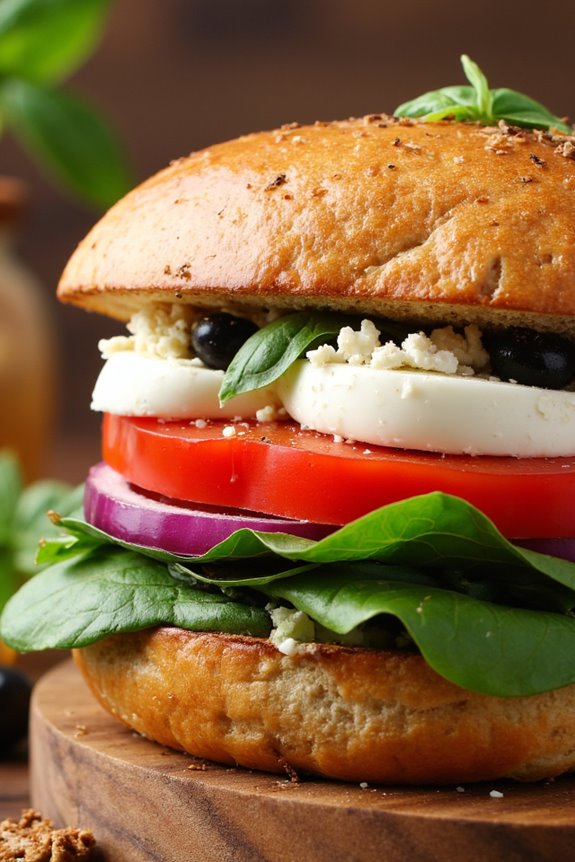
Pan Bagnat is a traditional Provençal sandwich that’s perfect for picnics or a simple lunch. Originating from the Nice region of France, this sandwich is fundamentally a salade niçoise in a bun, featuring fresh vegetables, olives, and a flavorful dressing packed into a crusty roll. The name “Pan Bagnat” translates to “bathed bread,” reflecting the way the bread soaks up the delicious juices of the ingredients, making every bite a burst of Provençal flavors.
This vegetarian version of Pan Bagnat is both hearty and invigorating, filled with a variety of colorful vegetables, creamy cheese, and aromatic herbs. It’s a versatile recipe that can be prepared in advance, allowing the flavors to meld beautifully. Perfect for serving 4-6 people, this sandwich is an excellent choice for those looking to enjoy a taste of Provence in a vegetarian format.
Ingredients:
- 4 crusty rolls or small baguettes
- 1/2 cup black olives, pitted and sliced
- 1 red bell pepper, thinly sliced
- 1 small red onion, thinly sliced
- 1 cucumber, thinly sliced
- 2 ripe tomatoes, thinly sliced
- 4 hard-boiled eggs, sliced
- 1 cup fresh spinach leaves
- 1/2 cup crumbled feta cheese
- 1/4 cup fresh basil leaves
- 1/4 cup extra virgin olive oil
- 2 tablespoons red wine vinegar
- 1 tablespoon Dijon mustard
- Salt and pepper to taste
Cooking Instructions:
- Prepare the Dressing: In a small bowl, whisk together the olive oil, red wine vinegar, Dijon mustard, salt, and pepper. Adjust seasoning to taste. Set aside for later use.
- Assemble the Vegetables: Prepare all your vegetables by washing and slicing the red bell pepper, red onion, cucumber, and tomatoes. Arrange them neatly on a platter for easy assembly.
- Prepare the Bread: Slice the crusty rolls or baguettes in half lengthwise. If desired, remove some of the excess bread from the center to make room for the filling.
- Layer the Ingredients: Begin by spreading a thin layer of the prepared dressing on both halves of the bread. Then, start layering the ingredients: place a handful of spinach leaves, followed by slices of cucumber, tomatoes, red onion, and bell pepper.
- Add Protein and Cheese: Place the sliced hard-boiled eggs over the vegetables. Sprinkle the crumbled feta cheese generously over the eggs.
- Finish with Herbs and Olives: Scatter the sliced black olives and fresh basil leaves over the top of the cheese and vegetables.
- Final Touch: Drizzle the remaining dressing over the assembled ingredients to guarantee the flavors soak into the bread.
- Press and Wrap: Carefully close the sandwich and press down gently to compact the filling. Wrap each sandwich tightly in plastic wrap or parchment paper. Let them sit for at least 30 minutes to an hour, allowing the bread to absorb the flavors.
Extra Tips:
For the best flavor, prepare the Pan Bagnat a few hours ahead of serving. This resting time allows the bread to soak up the dressing and the flavors to meld beautifully.
You can also add variations like artichoke hearts or roasted red peppers to enhance the flavor profile. If you prefer a bit more spice, consider adding a pinch of red pepper flakes to the dressing.
Make sure to use high-quality crusty bread that can hold up to the moisture of the ingredients without becoming too soggy. Enjoy your taste of Provence!
Aïoli: Garlic Mayonnaise Dip
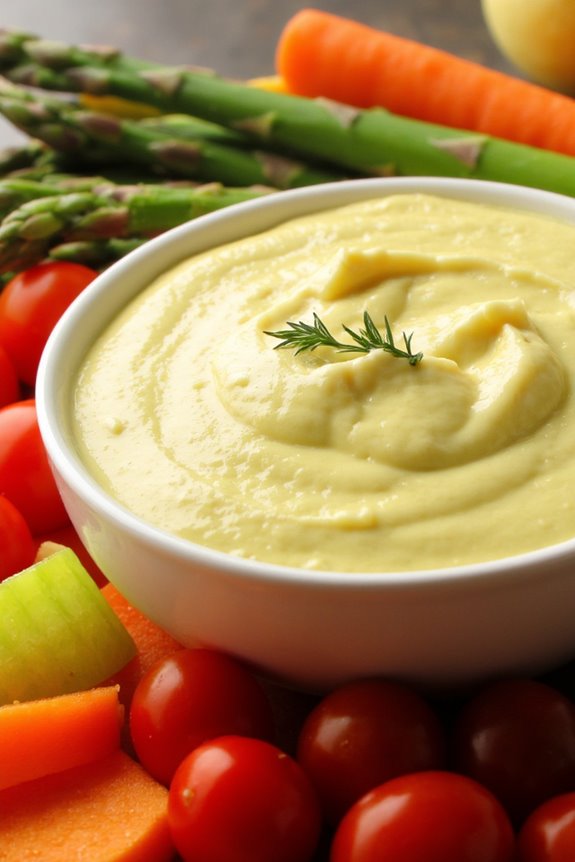
Aïoli, a quintessential Provençal dish, is a garlic-infused mayonnaise that serves as a versatile and flavorful dip. Traditionally served with various vegetables, fish, or meats, this vegetarian version focuses on elevating fresh seasonal vegetables. This creamy dip, characterized by its robust garlic flavor, is an excellent accompaniment for roasted or grilled vegetables, offering a rich and tangy element that complements the natural sweetness of the produce.
Creating the perfect Aïoli requires a balance between the sharpness of garlic and the smoothness of the mayonnaise. The key to this recipe lies in the emulsification process, which guarantees a creamy, homogeneous texture. By slowly incorporating the oil into the garlic and egg base, you achieve a luscious consistency that defines an authentic Aïoli. This recipe is designed to serve 4-6 people, making it ideal for a family gathering or a small party.
Ingredients (serving size: 4-6 people):
- 4 cloves of garlic, peeled
- 2 large egg yolks
- 1 tablespoon Dijon mustard
- 1 tablespoon fresh lemon juice
- 1 cup extra virgin olive oil
- Salt to taste
- Freshly ground black pepper to taste
Cooking Instructions:
- Prepare the Garlic Base: Begin by crushing the garlic cloves with a pinch of salt in a mortar and pestle until they form a smooth paste. This step is vital to release the garlic’s natural oils and flavor.
- Create the Emulsion: In a medium mixing bowl, combine the garlic paste with the egg yolks, Dijon mustard, and lemon juice. Whisk these ingredients together until fully blended.
- Incorporate the Oil Slowly: Gradually add the olive oil in a slow, steady stream while continuously whisking the mixture. This slow addition is fundamental to creating the emulsion, which gives Aïoli its creamy texture. Confirm each addition of oil is fully incorporated before adding more.
- Season to Taste: Once all the oil is incorporated and the mixture is thick and creamy, season the Aïoli with salt and freshly ground black pepper. Taste and adjust the seasoning as necessary.
- Chill Before Serving: Transfer the Aïoli to a serving bowl and refrigerate it for at least 30 minutes before serving. This allows the flavors to meld together beautifully.
Extra Tips:
For a smoother texture, make sure all your ingredients are at room temperature before starting the process. If your Aïoli starts to separate, don’t worry. You can fix it by whisking in a little cold water or a spare egg yolk to bring it back together.
For a twist on the classic flavor, consider adding herbs such as parsley or tarragon to the mix. Remember, the quality of olive oil you use will greatly influence the final taste, so opt for a good quality extra virgin olive oil. Enjoy your Aïoli with a selection of fresh, colorful vegetables for a delightful Provençal experience.
Soupe Au Pistou: Hearty Vegetable Soup
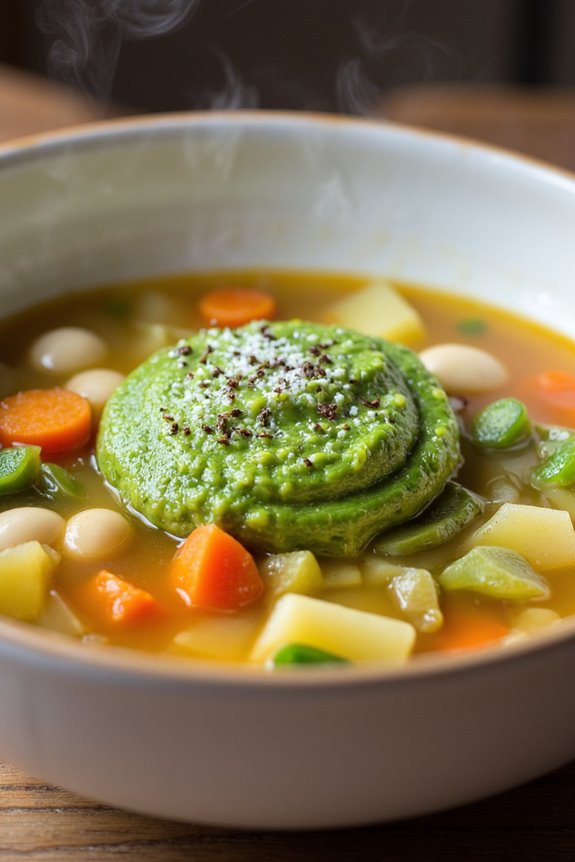
Soupe Au Pistou is a quintessential Provençal vegetable soup that’s both hearty and invigorating. This traditional French dish is packed with a variety of colorful vegetables and infused with the aromatic flavors of fresh basil, garlic, and olive oil. It’s a beautiful celebration of seasonal produce, making it a perfect choice for a light yet satisfying meal.
The soup is traditionally served with a dollop of pistou, a Provençal sauce similar to pesto, which adds a vibrant burst of flavor and ties all the ingredients together.
This recipe for Soupe Au Pistou is designed to serve 4-6 people, making it a great option for family dinners or gatherings with friends. The preparation is straightforward, allowing the natural flavors of the vegetables to shine through. As you simmer the ingredients together, the aroma will transport you to the sun-soaked fields of Provence.
Whether you’re an experienced cook or a novice in the kitchen, this recipe is easy to follow and will result in a delicious and nutritious meal.
Ingredients for Soupe Au Pistou (serves 4-6):
- 2 tablespoons olive oil
- 1 large onion, diced
- 2 cloves garlic, minced
- 2 carrots, sliced
- 2 zucchini, diced
- 1 potato, peeled and diced
- 1 cup green beans, cut into 1-inch pieces
- 1 can (14 oz) diced tomatoes
- 6 cups vegetable broth
- 1 cup canned white beans, drained and rinsed
- 1/2 cup small pasta (such as ditalini or elbows)
- Salt and pepper to taste
- 1 cup fresh basil leaves
- 1/4 cup grated Parmesan cheese
- 3 tablespoons olive oil (for pistou)
- 2 cloves garlic (for pistou)
Cooking Instructions:
- Sauté Aromatics: In a large pot, heat 2 tablespoons of olive oil over medium heat. Add the diced onion and sauté for about 5 minutes until translucent. Add the minced garlic and cook for another minute until fragrant.
- Add Vegetables: Stir in the sliced carrots, diced zucchini, and potato. Cook the vegetables for about 5 minutes, stirring occasionally, until they start to soften.
- Simmer the Soup: Add the green beans, canned diced tomatoes, and vegetable broth to the pot. Bring the mixture to a boil, then reduce the heat to low and let it simmer for 20 minutes, or until the vegetables are tender.
- Incorporate Beans and Pasta: Add the white beans and pasta to the pot. Continue to simmer the soup for another 10 minutes, or until the pasta is cooked al dente. Season with salt and pepper to taste.
- Prepare the Pistou: While the soup is simmering, prepare the pistou. In a food processor, combine the fresh basil leaves, grated Parmesan cheese, 3 tablespoons of olive oil, and 2 cloves of garlic. Blend until smooth.
- Serve: Ladle the soup into bowls and top each with a generous spoonful of pistou. Stir the pistou into the soup just before eating to release its full flavor.
Extra Tips:
For a richer flavor, you can make your own vegetable broth by simmering vegetable scraps like onion skins, carrot tops, and celery leaves.
Additionally, feel free to experiment with different vegetables based on what’s in season or available in your pantry. If you prefer a creamier texture, blend a portion of the soup before adding the pasta and beans.
Finally, if you have any leftover pistou, it can be stored in the refrigerator for up to a week and used as a delicious spread on bread or as a pasta sauce.
Salade Niçoise: Vegetarian Twist
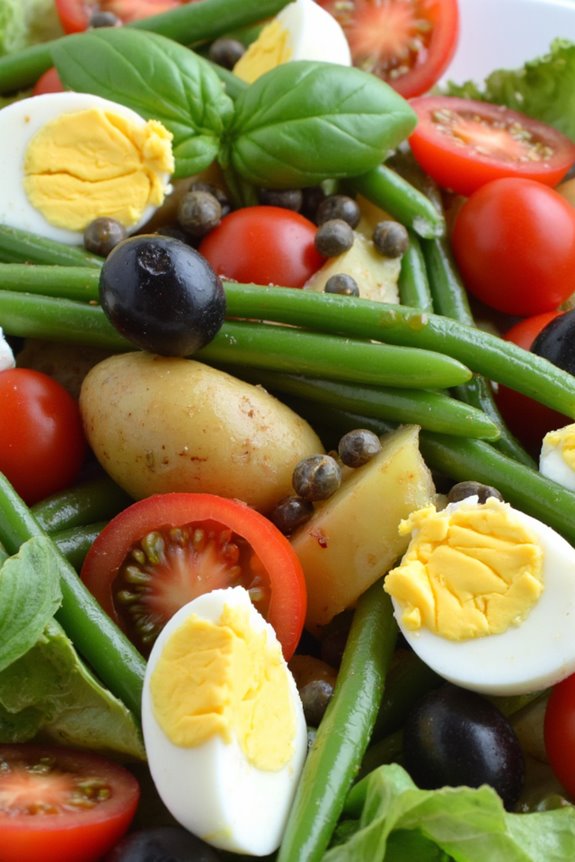
The traditional Salade Niçoise is a beloved dish hailing from the French Riviera, typically featuring fresh vegetables, hard-boiled eggs, olives, and tuna. This vegetarian twist on the classic maintains the vibrant colors and flavors, replacing the fish with heartier, plant-based ingredients that still capture the essence of the Mediterranean.
It’s a rejuvenating and satisfying meal, perfect for a light lunch or a sophisticated starter to a larger dinner. This vegetarian version not only respects the Provençal tradition but also embraces a modern approach to healthy dining.
This recipe serves 4-6 people and is ideal for those who want to enjoy a wholesome and colorful salad without compromising on taste. The combination of crisp vegetables, creamy potatoes, and savory olives, all dressed in a tangy Dijon vinaigrette, guarantees that every bite is as delightful as the last.
Whether you’re hosting a dinner party or simply enjoying a family meal, this Salade Niçoise will surely impress your guests and provide a burst of Mediterranean sunshine on your plate.
Ingredients:
- 8 small new potatoes
- 200g green beans, trimmed
- 4 large eggs
- 1 cup cherry tomatoes, halved
- 1 red bell pepper, sliced thin
- 1 small red onion, thinly sliced
- 1/2 cup Niçoise olives or Kalamata olives
- 1 can artichoke hearts, drained and quartered
- 1 head butter lettuce, torn into pieces
- 2 tablespoons capers, drained
- Fresh basil leaves for garnish
For the Dijon Vinaigrette:
- 1/4 cup olive oil
- 2 tablespoons red wine vinegar
- 1 tablespoon Dijon mustard
- 1 clove garlic, minced
- Salt and freshly ground black pepper to taste
Cooking Instructions:
- Prepare the Potatoes: Start by boiling the new potatoes in salted water for about 15 minutes or until they’re tender but still firm. Drain them and set aside to cool slightly, then halve them.
- Cook the Green Beans: While the potatoes are cooking, bring another pot of salted water to a boil. Add the green beans and cook for 3-4 minutes until they’re tender-crisp. Drain and immediately plunge them into ice water to preserve their vibrant color.
- Boil the Eggs: In another pot, place the eggs and cover them with water. Bring to a boil, then reduce the heat to a simmer for 9 minutes. Drain and cool the eggs under cold running water, then peel and quarter them.
- Prepare the Vinaigrette: In a small bowl, whisk together the olive oil, red wine vinegar, Dijon mustard, minced garlic, salt, and pepper until emulsified. Adjust seasoning to taste.
- Assemble the Salad: On a large platter or individual plates, arrange the butter lettuce as a base. Evenly distribute the halved potatoes, green beans, cherry tomatoes, red bell pepper, red onion, olives, artichoke hearts, and capers over the lettuce.
- Dress the Salad: Drizzle the Dijon vinaigrette over the assembled salad. Gently toss to combine, ensuring each ingredient is coated with the dressing.
- Finish and Serve: Top the salad with the quartered eggs. Garnish with fresh basil leaves and serve immediately for the best flavor and texture.
Extra Tips:
For a more intense flavor, consider marinating the artichoke hearts in a bit of the vinaigrette for about 15 minutes before adding them to the salad. If you prefer a bit of crunch, toasted pine nuts or walnuts can be an excellent addition.
Additionally, if you have access to heirloom tomatoes, they can add a delightful burst of flavor and color. Remember, the key to a great Salade Niçoise is using the freshest ingredients available, so don’t hesitate to visit your local farmer’s market for the best produce.
Provençal Vegetable Tart
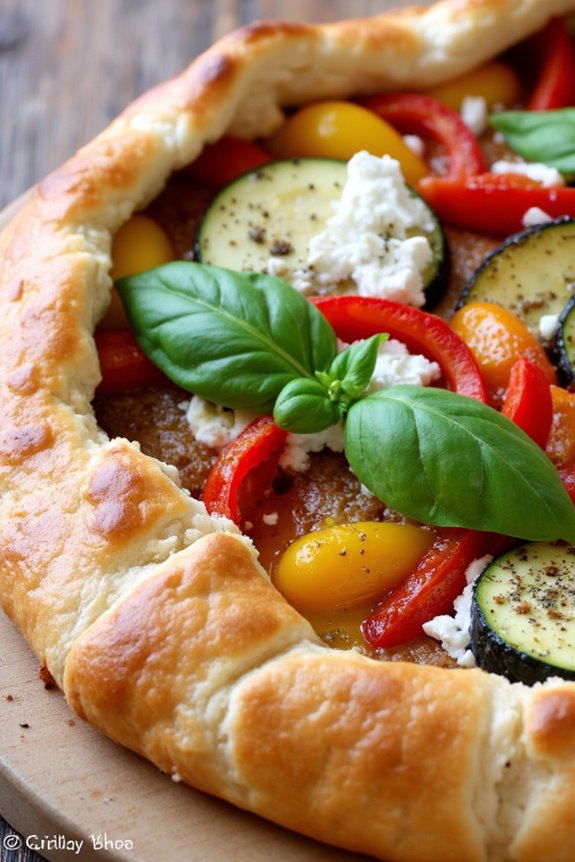
The Provençal Vegetable Tart is a delightful and flavorful dish that encapsulates the essence of Southern France. This dish is a vibrant medley of fresh vegetables nestled in a flaky, buttery crust, seasoned with the aromatic herbs that are a hallmark of Provençal cuisine. Ideal for a light lunch or a colorful addition to a dinner spread, this vegetarian tart is both satisfying and relatively easy to prepare. Its rich flavors are perfect for showcasing the bounty of seasonal produce, and it can be adapted to include your favorite vegetables.
The beauty of this tart lies in its simplicity and versatility. While this recipe includes a classic selection of vegetables like zucchini, bell peppers, and tomatoes, feel free to experiment with other seasonal vegetables such as eggplant or asparagus. The tart is elevated by a touch of creamy goat cheese, which adds a tangy richness that complements the sweetness of the roasted vegetables. A hint of garlic and a sprinkle of Herbes de Provence tie the flavors together, making this Provençal Vegetable Tart a true celebration of the region’s culinary style.
Ingredients for 4-6 servings:
- 1 sheet of puff pastry, thawed
- 1 medium zucchini, thinly sliced
- 1 red bell pepper, thinly sliced
- 1 yellow bell pepper, thinly sliced
- 2 medium tomatoes, sliced
- 1 small red onion, thinly sliced
- 3 cloves garlic, minced
- 100g (about 3.5 oz) goat cheese, crumbled
- 2 tablespoons olive oil
- 1 tablespoon Herbes de Provence
- Salt and freshly ground black pepper, to taste
- 1 egg, beaten (optional, for egg wash)
- Fresh basil leaves, for garnish
Cooking Instructions:
- Preheat and Prepare: Preheat your oven to 200°C (400°F). Roll out the thawed puff pastry on a lightly floured surface to fit a 9×13-inch baking sheet. Place the pastry on the sheet and use a fork to prick the surface lightly, preventing it from puffing up too much during baking.
- Prepare the Vegetables: In a large bowl, combine the sliced zucchini, bell peppers, tomatoes, and red onion. Add the minced garlic, olive oil, Herbes de Provence, salt, and pepper. Toss everything together until the vegetables are evenly coated with the seasoning.
- Assemble the Tart: Evenly distribute the seasoned vegetables over the puff pastry, leaving a small border around the edges. Sprinkle the crumbled goat cheese over the top.
- Optional Egg Wash: If desired, brush the border of the puff pastry with a beaten egg to achieve a golden-brown finish.
- Bake: Place the tart in the preheated oven and bake for about 25-30 minutes, or until the pastry is golden brown and the vegetables are tender.
- Garnish and Serve: Remove the tart from the oven and let it cool slightly. Garnish with fresh basil leaves before slicing and serving.
Extra Tips:
For the best results, use fresh, in-season vegetables to enhance the flavor of the tart. If you prefer a more robust cheese flavor, substitute the goat cheese with feta or add a sprinkle of Parmesan before baking.
Be sure to keep an eye on the tart as it bakes to prevent the edges from burning; if necessary, cover them with aluminum foil midway through baking. This tart can be served warm or at room temperature, making it a versatile dish for any occasion.
Beignets De Courgettes: Zucchini Fritters

Beignets De Courgettes, or Zucchini Fritters, are a delightful Provençal dish that brings the fresh, vibrant flavors of the Mediterranean to your table. Perfect as an appetizer, side dish, or even a light main course, these fritters are a fantastic way to make use of the abundant summer zucchini.
The dish combines grated zucchini with a simple batter, which is then fried to golden perfection. Crisp on the outside and tender on the inside, these fritters capture the essence of Provençal cuisine with their simplicity and taste.
This recipe serves 4-6 people, making it an ideal choice for family dinners or casual gatherings with friends. The ingredients are straightforward and can often be found in your pantry or local grocery store. The process is equally uncomplicated, guaranteeing that even novice cooks can achieve excellent results. With just a few steps, you’ll have a plate of warm, savory fritters ready to enjoy.
Ingredients for 4-6 servings:
- 4 medium zucchinis
- 2 large eggs
- 1 cup all-purpose flour
- 1/4 cup grated Parmesan cheese
- 2 cloves garlic, minced
- 1/2 teaspoon salt
- 1/4 teaspoon black pepper
- 1/4 teaspoon baking powder
- 1/4 cup chopped fresh parsley
- Vegetable oil, for frying
- Lemon wedges, for serving
Cooking Instructions:
- Prepare the Zucchini: Begin by washing the zucchinis thoroughly. Grate them using a box grater or a food processor. Place the grated zucchini in a clean kitchen towel, and squeeze out as much moisture as possible. This step is essential to guarantee the fritters remain crisp and not soggy.
- Mix the Batter: In a large bowl, whisk together the eggs until well beaten. Add in the flour, Parmesan cheese, minced garlic, salt, pepper, and baking powder. Stir until you have a smooth batter.
- Combine Ingredients: Add the grated zucchini and chopped parsley to the batter. Gently fold everything together until the zucchini is evenly distributed throughout the mixture.
- Heat the Oil: Pour enough vegetable oil into a large skillet to cover the bottom by about 1/4 inch. Heat the oil over medium-high heat until it shimmers but isn’t smoking.
- Fry the Fritters: Using a tablespoon, drop heaping spoonfuls of the zucchini mixture into the hot oil. Flatten each fritter slightly with the back of the spoon. Fry for about 3-4 minutes on each side, or until golden brown and crisp. Avoid overcrowding the pan; fry in batches if necessary.
- Drain and Serve: Once cooked, transfer the fritters to a plate lined with paper towels to drain any excess oil. Serve immediately with lemon wedges on the side for squeezing over the fritters.
Extra Tips:
For the best results, make sure your oil is at the right temperature before frying. If the oil is too cool, the fritters will absorb more oil and become greasy. Conversely, if it’s too hot, the outside will brown too quickly while the inside remains undercooked.
You can test the oil by dropping a small amount of batter into it; the batter should sizzle and start to brown gently. Also, feel free to experiment with other herbs such as dill or chives to add a different flavor profile to your Beignets De Courgettes.
Gratin Dauphinois: Creamy Potato Bake
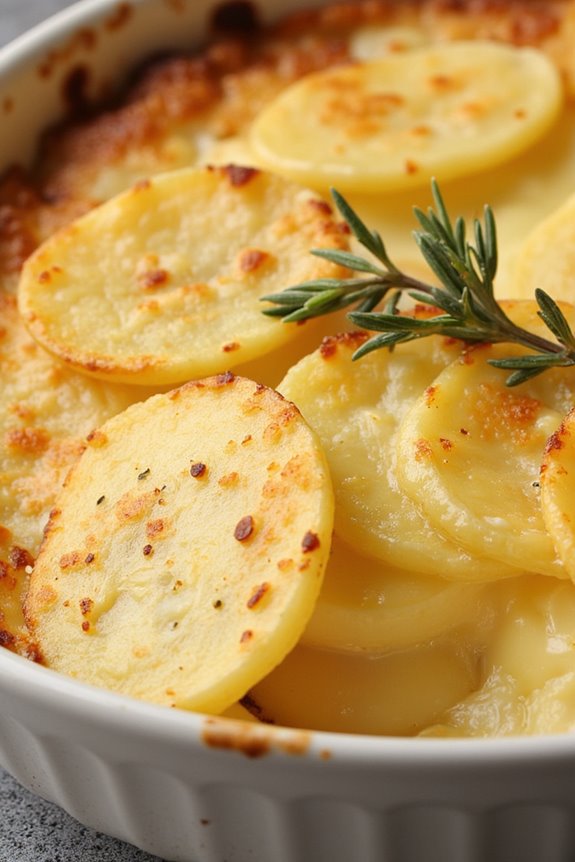
Gratin Dauphinois is a classic French dish that embodies comfort and elegance in a creamy potato bake. Originating from the Dauphiné region in southeastern France, this vegetarian staple is renowned for its rich texture and subtle flavors. The dish harmoniously combines thinly sliced potatoes with a luscious mixture of cream, garlic, and a hint of nutmeg, all baked to golden perfection. Perfect as a side dish or a stand-alone offering, Gratin Dauphinois is a crowd-pleaser that will delight your taste buds and warm your soul.
The beauty of Gratin Dauphinois lies in its simplicity and the quality of its ingredients. For this recipe, we focus on using fresh potatoes and high-quality cream, guaranteeing each bite offers a melt-in-the-mouth experience. Although traditionally made with cream, some variations allow for a mixture of milk and cream to lighten the dish slightly. However, to maintain the authentic decadence of the dish, sticking to full cream is highly recommended. This recipe will serve 4-6 people, making it perfect for a family dinner or a small gathering with friends.
Ingredients for 4-6 Servings:
- 2 pounds of potatoes (preferably Yukon Gold or Russet)
- 2 cups heavy cream
- 2 cloves garlic, minced
- 1/2 teaspoon salt
- 1/4 teaspoon freshly ground black pepper
- 1/4 teaspoon freshly grated nutmeg
- 2 tablespoons unsalted butter
- 1 cup grated Gruyère cheese (optional)
- Fresh thyme leaves for garnish (optional)
Cooking Instructions:
- Preheat the oven to 350°F (175°C). Grease a 9×13-inch baking dish with one tablespoon of the unsalted butter to prevent sticking.
- Prepare the potatoes by peeling and washing them. Using a sharp knife or a mandoline, slice the potatoes evenly into thin rounds, approximately 1/8 inch thick. Uniform slices guarantee even cooking.
- Infuse the cream by heating the heavy cream in a saucepan over medium heat. Add the minced garlic, salt, pepper, and nutmeg. Stir occasionally until the mixture is warm and the garlic is fragrant, but don’t bring it to a boil.
- Layer the potatoes in the prepared baking dish, arranging them in slightly overlapping rows. Pour half of the warm cream mixture over the first layer of potatoes, then sprinkle half of the Gruyère cheese if using.
- Repeat the layers by adding another layer of potatoes, followed by the remaining cream mixture and Gruyère cheese. Dot the top with the remaining butter.
- Bake the gratin uncovered for 60-75 minutes, or until the top is golden brown and the potatoes are tender when pierced with a fork.
- Rest the dish for about 10 minutes after removing it from the oven. This allows the flavors to meld and the cream to thicken slightly. Garnish with fresh thyme leaves if desired before serving.
Extra Tips:
For the best results, choose potatoes with a high starch content, like Yukon Gold or Russet, as they create the creamiest texture. If you’re in a hurry, you can parboil the potato slices for a few minutes before assembling the dish to reduce baking time.
Additionally, if Gruyère cheese isn’t available, you can substitute it with other cheeses like Emmental or Comté, which will offer a similar nutty flavor. Remember, letting the gratin rest before serving is essential as it allows the dish to set and makes serving easier.
Provençal Eggplant Caviar
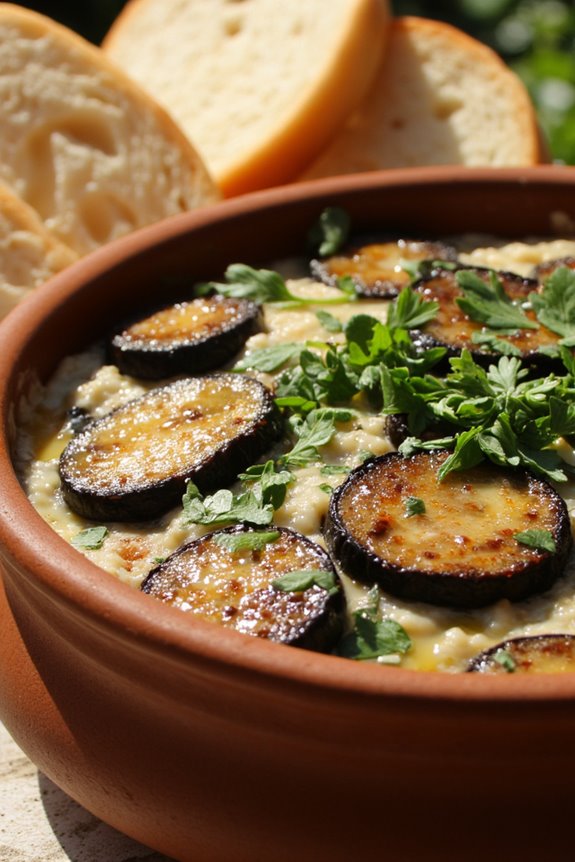
Provençal Eggplant Caviar, also known as “caviar d’aubergine,” is a delightful vegetarian dish from the Provence region of France. This dish is renowned for its rich, smoky flavor and smooth, creamy texture, making it an excellent appetizer or a spread for crusty bread.
The dish is traditionally made by roasting eggplants until tender and blending them with aromatic ingredients like garlic, lemon juice, and olive oil. The result is a savory dip that captures the essence of Provence with every bite.
Ideal for serving at gatherings or as a satisfying snack, Provençal Eggplant Caviar brings together the earthiness of eggplant with the bright flavors of fresh herbs and citrus. Its versatility allows it to be used as a dip, a spread, or even a side dish.
Whether you’re hosting a dinner party or looking for a healthy yet flavorful addition to your meal, this recipe will surely impress your guests and transport them to the sun-drenched landscapes of southern France.
Ingredients for 4-6 servings:
- 3 medium eggplants
- 3 cloves of garlic, minced
- 1/4 cup extra-virgin olive oil
- Juice of 1 lemon
- 2 tablespoons fresh parsley, chopped
- 1 tablespoon fresh basil, chopped
- Salt and pepper to taste
- Baguette slices or crackers, for serving
Cooking Instructions:
- Preheat the Oven: Begin by preheating your oven to 400°F (200°C). This temperature will allow the eggplants to roast properly, developing a deep, smoky flavor.
- Prepare the Eggplants: Prick the eggplants all over with a fork to allow steam to escape during roasting. Place them on a baking sheet lined with parchment paper.
- Roast the Eggplants: Roast the eggplants in the preheated oven for about 30-40 minutes, turning them halfway through. They should become soft and the skin should be slightly charred.
- Cool and Peel: Once roasted, remove the eggplants from the oven and let them cool slightly. Once cool enough to handle, peel off the skin and discard it. Transfer the flesh to a bowl.
- Mix Ingredients: Add the minced garlic, olive oil, lemon juice, parsley, basil, salt, and pepper to the eggplant flesh. Use a fork or an immersion blender to mash the mixture until it reaches your desired consistency.
- Adjust Seasoning: Taste the mixture and adjust the seasoning if needed, adding more salt, pepper, or lemon juice according to your preference.
- Serve: Transfer the eggplant caviar to a serving bowl and drizzle a little extra olive oil on top. Serve it with slices of baguette or crackers.
Extra Tips:
When making Provençal Eggplant Caviar, selecting the right eggplants is essential. Choose ones that are firm with smooth, shiny skin. This guarantees that they’re fresh and not overly ripe.
If you prefer a smokier flavor, you can also grill the eggplants instead of roasting them. Additionally, letting the mixture sit for an hour or so before serving allows the flavors to meld together beautifully.
This dish can be made in advance and stored in the refrigerator for up to two days, making it a convenient option for entertaining.
Bouillabaisse De Légumes: Vegetable Stew
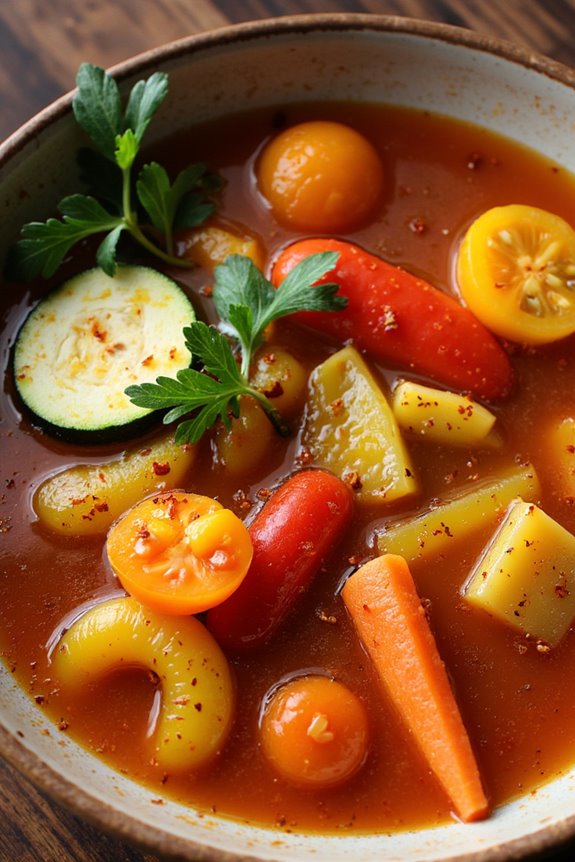
Bouillabaisse De Légumes, a tantalizing vegetable stew, is a vegetarian spin on the classic Provençal seafood dish. This aromatic and hearty stew brings together a vibrant medley of vegetables with the rich flavors of the Mediterranean. Perfect for a cozy dinner, it combines simplicity with sophistication, making it an ideal choice for both weeknight meals and special gatherings.
The stew’s essence lies in its fragrant broth, which is infused with herbs and spices, enveloping the vegetables in a comforting embrace. The dish pays homage to its Provençal roots by showcasing fresh, seasonal produce, ensuring that each spoonful bursts with flavor.
The vegetables simmer gently, allowing their natural sweetness to meld with the savory broth. As the stew cooks, the aromas waft through the kitchen, creating an inviting atmosphere that tantalizes the senses. Bouillabaisse De Légumes isn’t just a dish; it’s a culinary journey to the sun-drenched coasts of southern France, all within the comfort of your own home.
Ingredients (Serves 4-6)
- 2 tablespoons olive oil
- 1 large onion, finely chopped
- 3 cloves garlic, minced
- 2 carrots, sliced
- 2 zucchinis, sliced
- 1 fennel bulb, sliced
- 1 red bell pepper, diced
- 1 yellow bell pepper, diced
- 4 large tomatoes, peeled and chopped
- 1 cup vegetable broth
- 1/2 cup dry white wine
- 1 teaspoon saffron threads
- 1 teaspoon dried thyme
- 1 bay leaf
- Salt and pepper to taste
- 2 tablespoons fresh parsley, chopped
- 1 lemon, cut into wedges for serving
Instructions
- Prepare the Base: In a large pot, heat the olive oil over medium heat. Add the chopped onion and garlic, sautéing until the onion becomes translucent and fragrant, about 5 minutes.
- Add the Vegetables: Stir in the carrots, zucchinis, fennel, and bell peppers. Cook the vegetables for about 10 minutes, stirring occasionally, until they start to soften.
- Incorporate the Tomatoes: Add the chopped tomatoes to the pot, mixing them in with the other vegetables. Allow them to cook for another 5 minutes, so they begin to break down and release their juices.
- Create the Broth: Pour in the vegetable broth and white wine. Stir in the saffron threads, thyme, and bay leaf, and season with salt and pepper to taste.
- Simmer the Stew: Bring the mixture to a gentle simmer, cover the pot, and let it cook for about 30 minutes. This allows the flavors to meld beautifully, and the vegetables to become tender.
- Finish and Serve: Remove the bay leaf, stir in the fresh parsley, and adjust seasoning if necessary. Serve hot with lemon wedges on the side for a zesty finish.
Extra Tips
For an even more robust flavor, consider roasting the bell peppers before adding them to the stew, which adds a delightful smokiness. Additionally, if you prefer a heartier stew, you can add potatoes or chickpeas for extra substance.
Remember to let the saffron steep in a small amount of warm water before adding it to the stew to fully release its flavor and vibrant color. Enjoy your Bouillabaisse De Légumes with a slice of crusty bread to soak up the delicious broth.
