

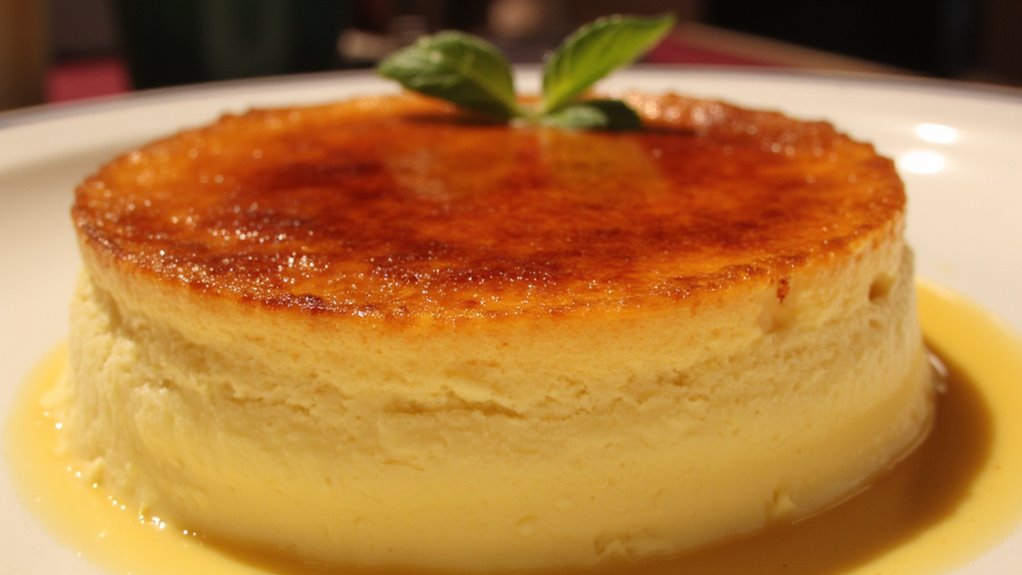
Wandering through the charming streets of Paris, I was captivated by the aromas drifting from cozy bistros. Each dish, from Coq Au Vin to Crème Brûlée, is a delicious taste of French culture. I’m excited to share these dreamy recipes with you. Each one is like a little journey to a Parisian café. Let’s discover the magic behind these dishes together.
Coq Au Vin
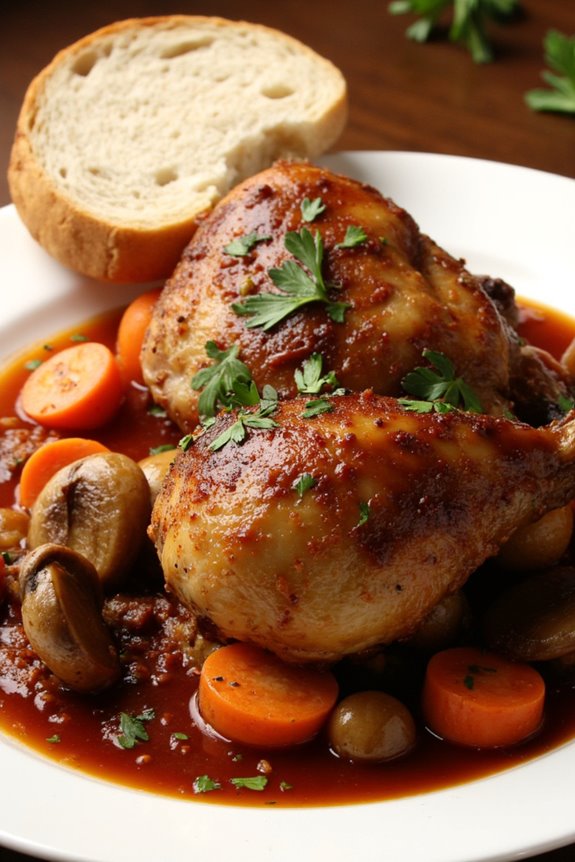
Coq Au Vin, a classic French dish, hails from the Burgundy region and is celebrated for its rich flavors and tender chicken. Traditionally made with rooster, this dish has become popular for its use of chicken braised slowly in red wine, accompanied by aromatic vegetables, herbs, and sometimes bacon. The slow cooking process allows the meat to absorb the deep flavors of the wine and herbs, resulting in a hearty and comforting meal perfect for a family dinner or special occasion.
The name “Coq Au Vin” translates to “rooster in wine,” but modern recipes typically use chicken as a more accessible alternative. The dish can be served with crusty bread, mashed potatoes, or even over egg noodles to soak up the luscious sauce. With its rustic charm and satisfying taste, Coq Au Vin is sure to impress your guests and leave them wanting more.
Ingredients (Serves 4-6):
- 4-6 chicken thighs and drumsticks, bone-in and skin-on
- 1 cup red wine (preferably Burgundy)
- 1 cup chicken broth
- 4 strips of bacon, diced
- 1 large onion, chopped
- 2-3 cloves garlic, minced
- 2 cups mushrooms, quartered
- 2-3 carrots, sliced
- 2 tablespoons tomato paste
- 2 tablespoons all-purpose flour
- 2-3 sprigs of fresh thyme
- 1 bay leaf
- Salt and pepper, to taste
- 2 tablespoons olive oil
- Chopped parsley, for garnish
Cooking Instructions:
- Marinate the Chicken: In a large bowl, combine the chicken pieces with the red wine, a pinch of salt, and pepper. Cover and let marinate in the refrigerator for at least 2 hours, or preferably overnight. This step enhances the flavor of the chicken and tenderizes the meat.
- Cook the Bacon: In a large Dutch oven or heavy pot, cook the diced bacon over medium heat until crispy. Remove the bacon with a slotted spoon and set aside, leaving the rendered fat in the pot. This fat adds flavor to the dish.
- Brown the Chicken: Remove the chicken from the marinade (reserve the marinade) and pat it dry with paper towels. Season the chicken with salt and pepper. In the same pot, add olive oil if needed, then brown the chicken pieces on all sides in the bacon fat, working in batches if necessary. Remove the browned chicken and set it aside.
- Sauté the Vegetables: In the same pot, add the chopped onion, garlic, carrots, and mushrooms. Sauté until the onions are translucent and the mushrooms have released their moisture, about 5-7 minutes. This step builds the base flavor for the sauce.
- Add Flour and Tomato Paste: Stir in the tomato paste and flour, cooking for another 2 minutes. This will help thicken the sauce and add depth of flavor.
- Combine Ingredients: Return the chicken and cooked bacon to the pot. Pour in the reserved marinade and chicken broth, scraping up any browned bits from the bottom of the pot. Add thyme and bay leaf, and stir to combine.
- Simmer: Bring the mixture to a simmer, then cover and reduce the heat to low. Allow it to cook for about 1.5 to 2 hours, or until the chicken is tender and the sauce has thickened. Stir occasionally to prevent sticking.
- Serve: Once cooked, remove the bay leaf and thyme sprigs. Taste and adjust seasoning with salt and pepper if needed. Serve the Coq Au Vin hot, garnished with chopped parsley, alongside crusty bread or your choice of side.
Extra Tips:
When preparing Coq Au Vin, consider using a good-quality red wine, as this will greatly influence the flavor of the dish. Additionally, feel free to customize the recipe by adding other vegetables, such as pearl onions or potatoes, to enhance the meal.
If you want a deeper flavor, you can also let the dish sit overnight in the refrigerator and reheat it the next day, as the flavors will continue to meld beautifully. Don’t forget to pair your dinner with a glass of the same red wine used in cooking for a delightful dining experience!
Beef Bourguignon
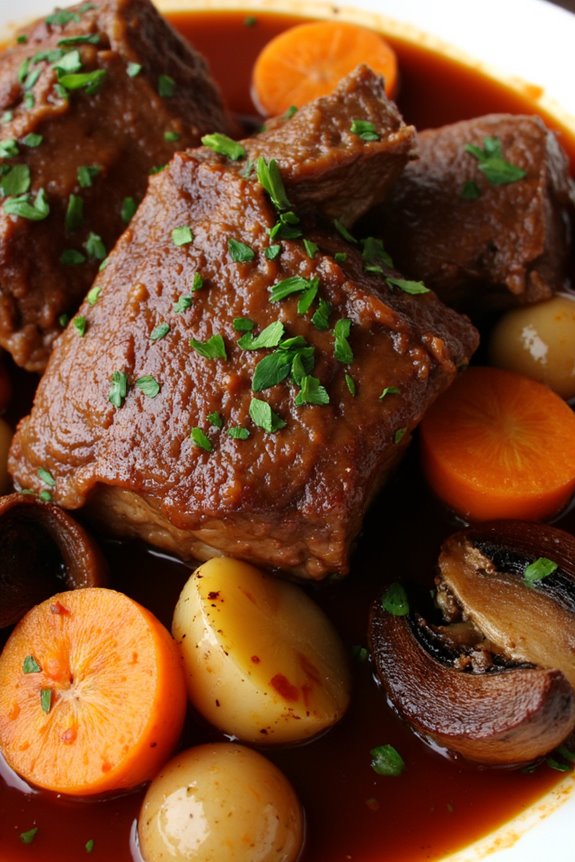
Beef Bourguignon, a classic French dish, is a hearty stew that originates from the Burgundy region of France. This rich and flavorful recipe combines tender chunks of beef, slow-cooked in red wine, with aromatic vegetables, herbs, and spices. Traditionally served with crusty bread or over a bed of creamy mashed potatoes, Beef Bourguignon is perfect for a cozy dinner or special occasion.
The slow-cooking process allows the flavors to meld beautifully, resulting in a comforting dish that warms the soul. To make Beef Bourguignon, it’s vital to use high-quality ingredients, particularly a robust red wine that can stand up to the richness of the beef. While the recipe may take some time to prepare, the end result is well worth the effort.
The tender beef, infused with the deep flavors of the wine and herbs, creates a dish that isn’t only delicious but also aromatic and inviting. Whether you’re impressing guests or enjoying a family meal, this recipe is sure to delight.
Ingredients (Serves 4-6)
- 2 pounds beef chuck, cut into 2-inch cubes
- 4 slices of bacon, diced
- 2 tablespoons olive oil
- 1 medium onion, chopped
- 2 carrots, sliced
- 2 cloves garlic, minced
- 2 cups red wine (preferably Burgundy)
- 2 cups beef broth
- 2 tablespoons tomato paste
- 1 teaspoon dried thyme
- 2 bay leaves
- Salt and pepper to taste
- 8 ounces pearl onions, peeled
- 8 ounces mushrooms, quartered
- Fresh parsley, chopped (for garnish)
Cooking Instructions
- Prepare the Beef: Start by patting the beef cubes dry with paper towels. This step is vital as it helps to achieve a nice sear. Season the beef generously with salt and pepper.
- Cook the Bacon: In a large Dutch oven or heavy pot, cook the diced bacon over medium heat until crispy. This will take about 5-7 minutes. Once done, remove the bacon and set it aside, leaving the rendered fat in the pot.
- Brown the Beef: In the same pot, increase the heat to medium-high and add the beef cubes in batches to avoid overcrowding. Brown the beef on all sides, about 3-4 minutes per side. Remove the browned beef and set it aside.
- Sauté the Vegetables: In the same pot, add the chopped onion and sliced carrots. Sauté for about 5 minutes until they begin to soften. Add the minced garlic and cook for an additional minute until fragrant.
- Deglaze the Pot: Pour in the red wine, scraping the bottom of the pot with a wooden spoon to loosen any browned bits. This step adds depth to the flavor of the stew.
- Add Remaining Ingredients: Return the bacon and browned beef to the pot. Stir in the beef broth, tomato paste, thyme, bay leaves, and additional salt and pepper. Bring the mixture to a simmer.
- Slow Cook: Cover the pot with a lid and reduce the heat to low. Allow it to simmer gently for about 2 to 3 hours, or until the beef is fork-tender. If using a slow cooker, transfer the ingredients and cook on low for 6-8 hours.
- Add Pearl Onions and Mushrooms: About 30 minutes before serving, stir in the pearl onions and quartered mushrooms. Continue to cook until the vegetables are tender.
- Final Seasoning: Once the beef is tender and the sauce has thickened, taste and adjust the seasoning if necessary. Remove the bay leaves before serving.
- Serve: Ladle the Beef Bourguignon into bowls and garnish with freshly chopped parsley. Serve with crusty bread or over mashed potatoes for a complete meal.
Extra Tips
For best results, allow the Beef Bourguignon to rest for a few hours or even overnight in the refrigerator before reheating and serving. This allows the flavors to develop even further.
When reheating, do so gently over low heat to prevent the meat from becoming tough. Additionally, using a good quality wine will enhance the flavor of the dish, so choose one that you’d enjoy drinking.
Ratatouille
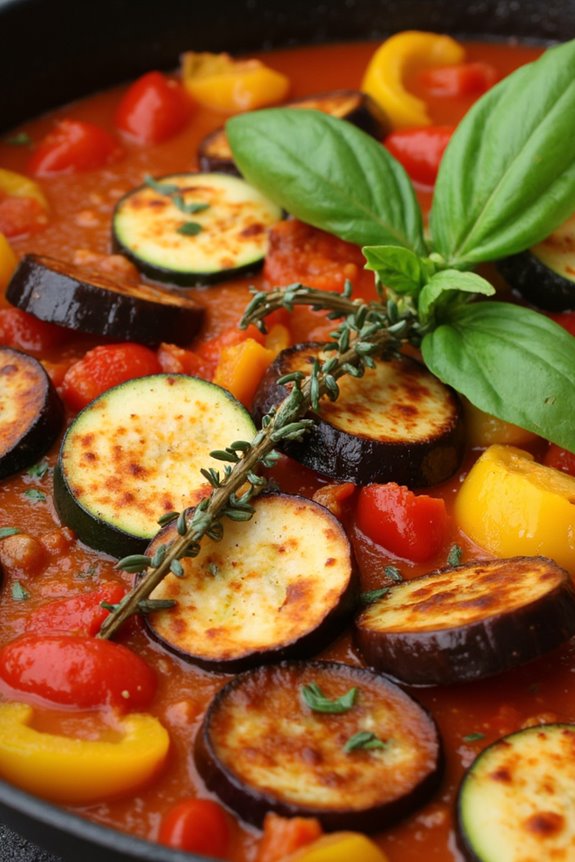
Ratatouille is a classic French dish that beautifully showcases the vibrant flavors of summer vegetables. Originating from the Provence region, this rustic vegetable stew isn’t only a feast for the eyes but also a celebration of fresh produce. Traditionally, it’s made with a medley of eggplant, zucchini, bell peppers, and tomatoes, all enhanced with aromatic herbs such as thyme and basil.
This dish can be served warm or at room temperature, making it a versatile option for any gathering, whether it’s a casual family dinner or an elegant bistro-style meal.
The beauty of ratatouille lies in its simplicity and the ability to adapt it to your taste. While the traditional preparation involves cooking the vegetables separately to enhance their individual flavors, many modern recipes combine them for a quicker approach. Either way, the result is a hearty and flavorful dish that pairs well with crusty bread, grilled meats, or as a filling for crepes or savory tarts.
Ingredients (Serves 4-6):
- 1 medium eggplant, diced
- 2 medium zucchinis, sliced
- 1 bell pepper (red or yellow), diced
- 1 large onion, chopped
- 2-3 cloves garlic, minced
- 4 medium ripe tomatoes, chopped (or 1 can of diced tomatoes)
- 1/4 cup olive oil
- 1 tablespoon fresh thyme leaves (or 1 teaspoon dried thyme)
- 1 tablespoon fresh basil, chopped (or 1 teaspoon dried basil)
- Salt and pepper to taste
Cooking Instructions:
- Prepare the Vegetables: Begin by washing and cutting all the vegetables. Dice the eggplant, zucchini, bell pepper, and onion; chop the tomatoes; and mince the garlic. This step guarantees that all ingredients are ready for cooking, which makes the process smoother and more efficient.
- Sauté the Eggplant: In a large skillet or pot, heat 2 tablespoons of olive oil over medium heat. Add the diced eggplant and a pinch of salt. Cook for about 5-7 minutes, stirring occasionally, until the eggplant is tender and lightly browned. This step is essential since eggplant can absorb a lot of oil, and sautéing it first helps to reduce its bitterness.
- Cook the Onions and Garlic: Add the chopped onions and minced garlic to the skillet with the eggplant. Sauté for another 5 minutes until the onions become translucent and fragrant. This combination of ingredients provides a flavorful base for the ratatouille.
- Add Remaining Vegetables: Stir in the zucchini, bell pepper, and tomatoes. Mix well to combine all the vegetables. Allow this mixture to cook for about 10 minutes, stirring occasionally. This step allows the vegetables to soften and release their juices, which will help create a rich sauce.
- Season and Simmer: Add the thyme, basil, salt, and pepper to the skillet. Reduce the heat to low, cover the pot, and let the ratatouille simmer for about 20-30 minutes. This slow cooking process allows the flavors to meld together beautifully, resulting in a harmonious dish.
- Adjust Seasoning and Serve: Taste the ratatouille and adjust the seasoning if necessary. Once cooked, remove from heat and let it sit for a few minutes before serving. This resting time enhances the flavors even further. Serve warm, at room temperature, or chilled.
Extra Tips:
When making ratatouille, feel free to experiment with different vegetables based on what’s in season or what you have on hand. You can also add a splash of balsamic vinegar or a sprinkle of Parmesan cheese for an extra layer of flavor.
For a more visually appealing dish, consider arranging the vegetables in a spiral pattern before baking them in the oven. Finally, ratatouille can be stored in the refrigerator for up to three days, and its flavors improve with time, making it a perfect make-ahead dish!
Duck Confit
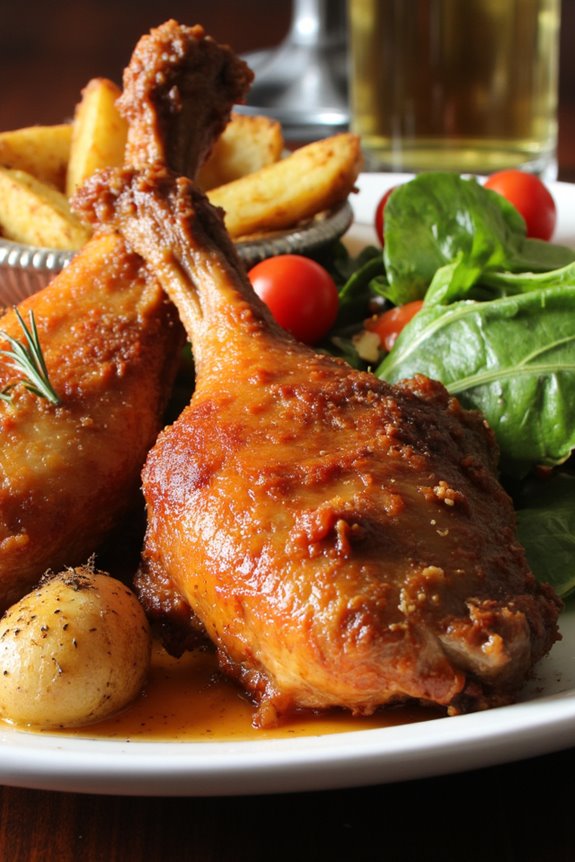
Duck Confit is a classic French dish that speaks to the heart of bistro cuisine. Originating from the Gascony region, this preparation method involves slowly cooking duck legs in their own fat, resulting in tender, flavorful meat with a crispy skin. The process may take some time, but the end result is well worth the wait.
Once you master this dish, you’ll find it’s perfect for special occasions or cozy dinners at home, allowing you to impress your guests with a taste of traditional French cooking.
The key to a successful Duck Confit lies in the seasoning and the slow cooking process. By curing the duck legs with salt and aromatics, you enhance the flavors and guarantee the meat remains succulent.
After the curing phase, the duck is submerged in fat and cooked low and slow until it’s fall-off-the-bone tender. This dish pairs beautifully with sides like crispy potatoes, a simple salad, or sautéed vegetables, making for a well-rounded meal.
Ingredients (serves 4-6):
- 4 duck legs
- 1 cup kosher salt
- 4 cloves garlic, crushed
- 2 sprigs fresh thyme
- 1 bay leaf
- 4 cups duck fat (or enough to cover the duck legs)
- Freshly ground black pepper to taste
Cooking Instructions:
- Cure the Duck Legs: In a bowl, mix the kosher salt, crushed garlic, thyme, and bay leaf. Rub this mixture all over the duck legs, making sure they’re well-coated. Place the legs in a dish, cover with plastic wrap, and refrigerate for 24-48 hours. This curing process helps to tenderize the meat and infuse it with flavor.
- Rinse and Dry: After curing, remove the duck legs from the refrigerator. Rinse them under cold water to remove excess salt and aromatics, then pat them dry with paper towels. This step is vital as it prevents the duck from becoming overly salty and helps achieve a crispy skin during cooking.
- Prepare the Duck Fat: In a large, heavy-bottom pot or Dutch oven, melt the duck fat over low heat. If using solid fat, it will take some time to liquefy. You want enough fat to completely submerge the duck legs for even cooking.
- Cook the Duck Legs: Once the fat is melted, carefully add the duck legs to the pot. The fat should be warm but not boiling. Cook the duck legs on low heat for about 2 to 3 hours, or until the meat is tender and easily pulls away from the bone. Stir occasionally, making sure the legs are evenly submerged.
- Crisp the Skin: Preheat your oven broiler. Once the duck legs are cooked, carefully remove them from the fat and place them on a baking sheet. Pat the skin dry with paper towels. Broil the duck legs in the oven for about 5-7 minutes, or until the skin is crispy and golden brown. Keep a close eye on them to prevent burning.
- Serve: Remove the duck legs from the oven and let them rest for a few minutes before serving. Serve hot, with your choice of sides. The crispy skin combined with the tender meat makes for a truly delightful dish.
Extra Tips:
When making Duck Confit, using high-quality duck fat is essential for the best flavor and texture. You can often find it at specialty grocery stores or online.
Additionally, you can prepare the duck legs in advance and store them in the fat in the refrigerator for up to a month. This not only enhances the flavors but also allows the duck to develop a deeper richness.
Finally, don’t discard the remaining duck fat; it can be strained and used for frying or sautéing other dishes, adding a delightful flavor to your cooking.
French Onion Soup
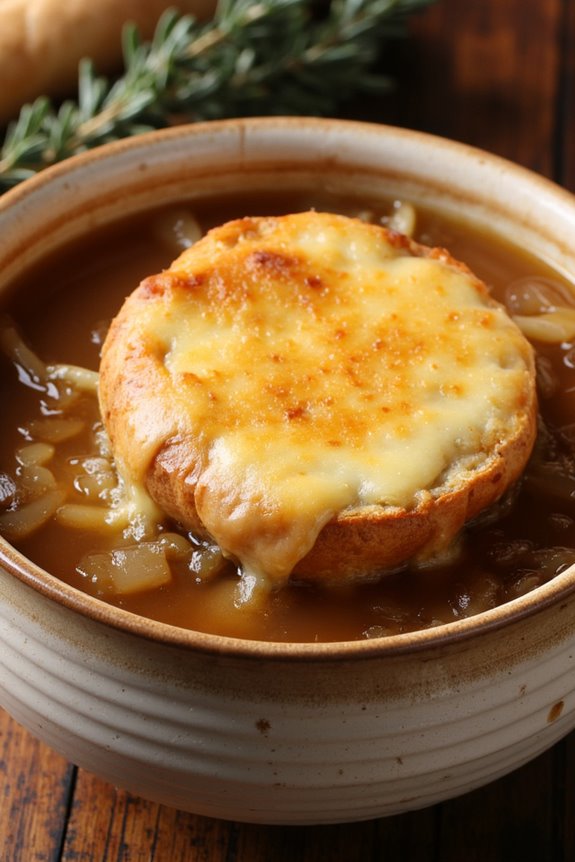
French Onion Soup is a classic dish that embodies the essence of French bistro cuisine. With its rich, savory broth, caramelized onions, and a glorious layer of melted cheese, this soup is both comforting and elegant. Traditionally served as an appetizer, it can easily become a meal on its own, perfect for a cozy dinner or special occasion.
The key to an exceptional French Onion Soup is in the caramelization of the onions. This process brings out their natural sweetness, creating a depth of flavor that forms the foundation of the soup. Topped with crusty bread and bubbly cheese, this dish is sure to warm your heart and delight your taste buds.
Ingredients (Serves 4-6)
- 4 large yellow onions, thinly sliced
- 4 tablespoons unsalted butter
- 1 tablespoon olive oil
- 1 teaspoon sugar
- 4 cups beef broth (preferably low-sodium)
- 1 cup dry white wine
- 2 tablespoons all-purpose flour
- 1 teaspoon fresh thyme leaves (or ½ teaspoon dried thyme)
- Salt and pepper to taste
- 1 baguette, sliced into rounds
- 1 ½ cups grated Gruyère cheese
- ½ cup grated Parmesan cheese (optional)
Cooking Instructions
- Caramelize the Onions: In a large Dutch oven or heavy-bottomed pot, melt the butter and olive oil over medium heat. Add the sliced onions and sugar, stirring to coat. Cook the onions slowly, stirring occasionally, for about 30-40 minutes until they’re deeply caramelized and golden brown. Be patient; this step is essential for developing flavor.
- Add Flour: Once the onions are caramelized, sprinkle the flour over them and stir well to combine. Cook for an additional 2-3 minutes to eliminate the raw flour taste, ensuring the mixture is well combined and slightly thickened.
- Deglaze the Pot: Pour in the white wine, scraping the bottom of the pot to release any flavorful bits stuck to the bottom. Allow the wine to simmer for about 5 minutes, reducing slightly.
- Add Broth and Herbs: Stir in the beef broth and thyme. Season with salt and pepper to taste. Bring the soup to a gentle simmer and let it cook for about 30 minutes, allowing the flavors to meld together.
- Prepare the Bread Toppings: While the soup simmers, preheat your oven to 400°F (200°C). Arrange the baguette slices on a baking sheet and toast them in the oven for about 5-7 minutes until golden and crisp.
- Assemble the Soup: Once the soup is ready, ladle it into oven-safe bowls. Place a toasted baguette slice on top of each bowl, then generously sprinkle with the grated Gruyère and Parmesan cheese.
- Broil the Cheese: Place the bowls on a baking sheet and broil in the oven for 3-5 minutes, or until the cheese is bubbly and golden brown. Watch closely to avoid burning.
Extra Tips
For an added layer of flavor, consider using a combination of beef and chicken broth, or adding a splash of sherry or cognac during the deglazing step. If you prefer a vegetarian version, substitute vegetable broth and omit the cheese or use a plant-based alternative.
Additionally, experiment with different types of cheese, such as Comté or Emmental, for a unique twist on this classic dish. Enjoy your French Onion Soup with a side salad for a well-rounded meal!
Quiche Lorraine

Quiche Lorraine is a classic French dish that embodies the comfort and elegance of bistro cuisine. This savory pie, hailing from the Lorraine region of France, features a rich custard filling made with eggs, cream, and crispy lardons or bacon, all encased in a buttery, flaky pastry crust. Perfect as a main dish for brunch, lunch, or dinner, Quiche Lorraine can be served warm or at room temperature, making it a versatile addition to any meal.
It’s simple enough for home cooks to master yet impressive enough to serve at gatherings, showcasing the beautiful flavors of French cooking. To prepare this delightful dish, it’s crucial to use quality ingredients and follow the steps carefully. The key to a perfect Quiche Lorraine lies in the balance of flavors and the texture of the filling. The creamy custard pairs beautifully with the salty, savory bacon, while the crust provides a satisfying crunch that complements the softness of the filling.
Whether you’re hosting a special occasion or simply enjoying a cozy meal at home, Quiche Lorraine is sure to impress your guests and tantalize your taste buds.
Ingredients (Serves 4-6):
- 1 pre-made pie crust (9-inch)
- 6 slices of bacon, diced
- 1 cup heavy cream
- 3 large eggs
- 1 cup grated Gruyère cheese
- 1/2 teaspoon salt
- 1/4 teaspoon black pepper
- 1/4 teaspoon nutmeg
- Chopped fresh parsley (for garnish, optional)
Cooking Instructions:
- Preheat the Oven: Begin by preheating your oven to 375°F (190°C). A hot oven is crucial for achieving a golden, flaky crust and properly cooking the filling.
- Prepare the Pie Crust: Roll out the pre-made pie crust and transfer it to a 9-inch pie dish. Press the crust into the dish and trim any excess, leaving a little overhang. Prick the bottom with a fork to prevent it from puffing up during baking.
- Cook the Bacon: In a skillet over medium heat, cook the diced bacon until crispy, about 5-7 minutes. Stir occasionally to guarantee even cooking. Once done, remove the bacon from the skillet and place it on a paper towel to drain excess fat.
- Mix the Custard: In a mixing bowl, whisk together the heavy cream, eggs, salt, black pepper, and nutmeg until well combined. This mixture will form the creamy filling of your quiche.
- Assemble the Quiche: Spread the cooked bacon evenly over the bottom of the pie crust. Then, sprinkle the grated Gruyère cheese on top of the bacon. Finally, pour the custard mixture over the cheese and bacon, ensuring it’s evenly distributed.
- Bake: Place the assembled quiche in the preheated oven and bake for 30-35 minutes, or until the filling is set and the top is golden brown. You can check for doneness by inserting a knife into the center; it should come out clean.
- Cool and Serve: Once baked, remove the quiche from the oven and let it cool for about 10 minutes. This resting time allows the filling to set further, making it easier to slice. Garnish with chopped fresh parsley if desired, then cut into wedges and serve.
Extra Tips:
When making Quiche Lorraine, feel free to experiment with the type of cheese or add other ingredients like sautéed onions or fresh herbs for added flavor.
If you’re short on time, using a store-bought pie crust is perfectly acceptable, but for a more homemade touch, consider making your own crust. Additionally, for a lighter version, you can substitute half-and-half for heavy cream or use a mixture of eggs and egg whites.
Confirm the quiche is fully cooled before storing leftovers in the refrigerator, where it can last for up to three days. Enjoy your culinary adventure in French gastronomy!
Bouillabaisse
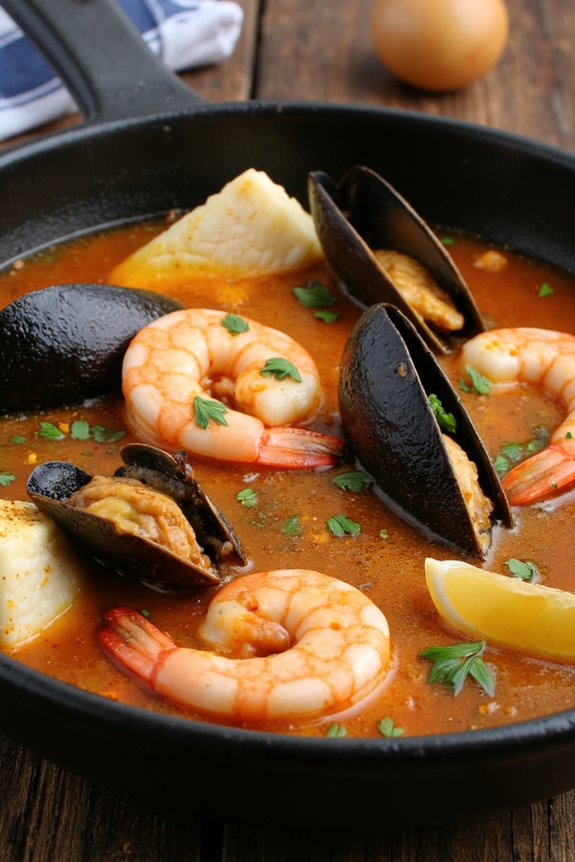
Bouillabaisse is a traditional Provençal fish stew that originates from the port city of Marseille, France. This flavorful dish combines a variety of fish and shellfish with aromatic herbs and spices, creating a rich broth that’s both hearty and comforting.
The origins of bouillabaisse can be traced back to fishermen who’d use leftover catch to create a simple stew, but over time it has evolved into a beloved culinary specialty enjoyed by many. Often served with a side of rouille—a garlic mayonnaise with a hint of saffron—bouillabaisse is perfect for a cozy dinner with friends or family.
This dish isn’t only a feast for the palate but also a feast for the eyes, as the vibrant colors of the seafood and herbs come together beautifully in a bowl. While it may seem complex, making bouillabaisse at home can be a rewarding experience, allowing you to customize the ingredients based on your preferences and what’s available in your area.
The key to a successful bouillabaisse is the quality of the seafood and the broth, which should be flavorful and aromatic.
Ingredients (serving size: 4-6 people)
- 2 tablespoons olive oil
- 1 onion, finely chopped
- 2 leeks, white and light green parts only, sliced
- 2 cloves garlic, minced
- 1 teaspoon saffron threads
- 1 teaspoon fennel seeds
- 1 bay leaf
- 1 (14-ounce) can diced tomatoes, with juices
- 6 cups fish stock or broth
- 1 pound firm white fish fillets (such as cod or halibut), cut into chunks
- 1 pound mussels, cleaned and debearded
- 1 pound shrimp, peeled and deveined
- Salt and pepper to taste
- Fresh parsley, chopped (for garnish)
- Rouille (for serving)
Cooking Instructions
- Sauté the Aromatics: In a large pot or Dutch oven, heat the olive oil over medium heat. Add the chopped onion and leeks, and sauté until they’re soft and translucent, about 5-7 minutes. Add the minced garlic, saffron threads, fennel seeds, and bay leaf, cooking for an additional minute until fragrant.
- Add Tomatoes and Stock: Stir in the diced tomatoes with their juices, followed by the fish stock. Bring the mixture to a simmer and let it cook for about 10-15 minutes to allow the flavors to meld together.
- Cook the Fish: Carefully add the chunks of firm white fish to the pot and simmer for about 5 minutes. This will allow the fish to cook through without becoming tough.
- Add Shellfish: Next, add the cleaned mussels and shrimp to the pot. Cover and cook for an additional 5-7 minutes, or until the mussels have opened and the shrimp are pink and opaque. Discard any mussels that don’t open.
- Season and Serve: Taste the broth and season with salt and pepper as needed. Remove the bay leaf and ladle the bouillabaisse into bowls. Garnish with fresh parsley and serve with a side of rouille for added flavor.
Extra Tips
When preparing bouillabaisse, the choice of seafood is essential for achieving the best flavor. Feel free to mix and match different types of fish and shellfish based on what’s fresh and available.
For an even richer broth, consider adding a splash of white wine before introducing the fish stock. Additionally, take care to simmer the stew gently to guarantee that the fish remains tender.
Bouillabaisse is traditionally served with crusty bread, making it perfect for soaking up the delicious broth. Enjoy your culinary journey to the south of France!
Tarte Tatin
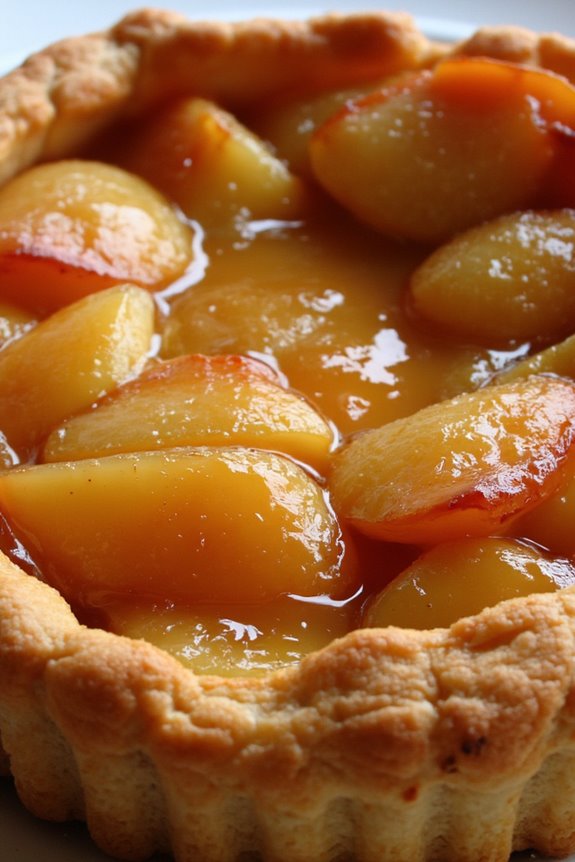
Tarte Tatin is a classic French dessert that beautifully showcases the rich flavors of caramelized apples. Originating from the Loire Valley, this upside-down tart is both simple and elegant, making it a perfect choice for any bistro-style dinner. The dish involves a delicious combination of sweet apples, buttery pastry, and rich caramel, creating a mouthwatering experience that’s sure to impress your guests. The contrast of the warm tart with a scoop of vanilla ice cream or a dollop of crème fraîche is simply divine.
The beauty of Tarte Tatin lies in its rustic charm and the ease of preparation. This dessert can be made ahead of time and served warm or at room temperature, allowing you to spend more time with your guests. The key to a successful Tarte Tatin is to choose the right apples—firm varieties like Granny Smith or Honeycrisp work best for their balance of sweetness and tartness. Follow this recipe for a delightful dessert that will transport you to a Parisian bistro right from your kitchen.
Ingredients (Serves 4-6):
- 6 medium-sized firm apples (like Granny Smith or Honeycrisp)
- 1 cup granulated sugar
- 1/2 cup unsalted butter (1 stick)
- 1 teaspoon vanilla extract
- 1/2 teaspoon ground cinnamon (optional)
- 1 sheet of puff pastry (thawed if frozen)
- Flour (for dusting)
- Pinch of salt
Cooking Instructions:
- Preheat the Oven: Begin by preheating your oven to 375°F (190°C). This will guarantee that your Tarte Tatin cooks evenly and develops a beautiful golden color.
- Prepare the Apples: Peel, core, and halve the apples. Choose apples that are firm to hold their shape during cooking. Set the prepared apples aside while you prepare the caramel.
- Make the Caramel: In an oven-safe skillet (preferably cast iron), melt the butter over medium heat. Once melted, add the sugar and stir continuously until it begins to dissolve and turn a golden brown color, about 5-7 minutes. Be careful not to let it burn. Add the vanilla extract and cinnamon, stirring to combine.
- Arrange the Apples: Carefully place the halved apples cut-side down in the skillet, packing them tightly together. Cook the apples in the caramel for about 15 minutes, occasionally spooning the caramel over the apples, until they start to soften and caramelize.
- Add the Pastry: Roll out the puff pastry on a floured surface to fit over the apples. Gently place the pastry over the apples, tucking the edges down around the apples. This will create a nice crust that will hold everything together.
- Bake the Tart: Transfer the skillet to the preheated oven and bake for 25-30 minutes, or until the pastry is golden brown and puffed up. Keep an eye on it to make sure it doesn’t over-brown.
- Invert the Tart: Once baked, remove the skillet from the oven and let it cool for a few minutes. Carefully invert the tart onto a serving platter. Be cautious, as the caramel will be hot and can drip.
- Serve: Let the tart cool slightly before slicing. Serve warm with vanilla ice cream or crème fraîche for a delightful finish.
Extra Tips:
When making Tarte Tatin, it’s essential to keep an eye on the caramel to prevent it from burning. Additionally, if you want to enhance the flavor, consider adding a splash of Calvados or apple brandy to the caramel for an adult twist.
Finally, if you have leftover tart, store it covered in the refrigerator and reheat it gently in the oven before serving again to maintain its delicious texture and flavor. Enjoy your culinary journey to France!
Salade Niçoise
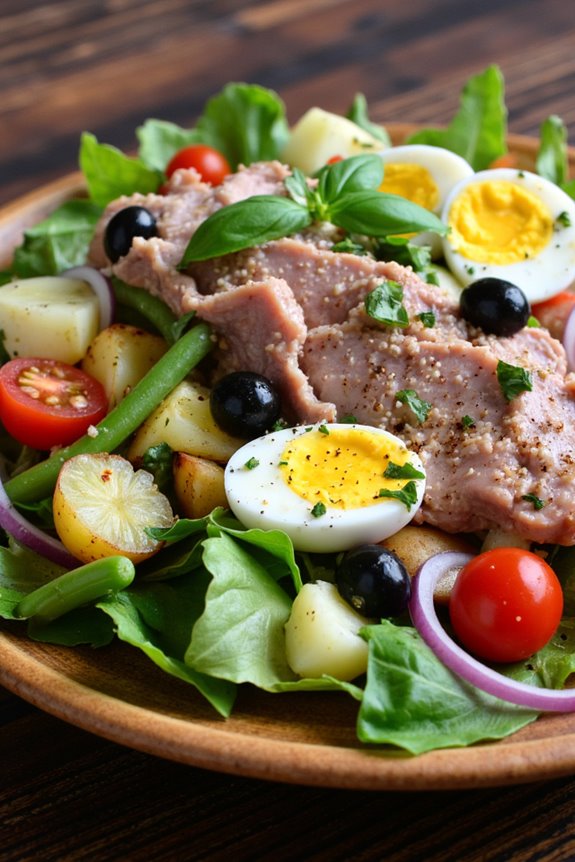
Salade Niçoise is a classic French dish that captures the essence of summer with its vibrant colors and fresh ingredients. Originating from the sunny region of Nice, this salad is a delightful combination of flavors, featuring crisp vegetables, protein-packed tuna, and hard-boiled eggs, all dressed in a light vinaigrette. It isn’t only a feast for the eyes but also a nutritious meal that can be served as a starter or a main course. Perfect for gatherings or a simple family dinner, Salade Niçoise brings a taste of the French Riviera to your table.
This salad is versatile and can be adjusted according to personal preferences or seasonal ingredients. While the traditional recipe typically includes ingredients such as green beans and olives, feel free to add your favorite vegetables or substitute the tuna with grilled chicken or chickpeas for a vegetarian option. The key to a great Salade Niçoise lies in using high-quality ingredients and presenting them beautifully, making it a true showstopper for any French bistro dinner.
Ingredients (Serves 4-6):
- 4 cups mixed salad greens (e.g., arugula, romaine)
- 1 cup green beans, trimmed
- 1 cup cherry tomatoes, halved
- 1 cup cooked and cooled potatoes, diced
- 1 can (5 oz) tuna, preferably packed in olive oil, drained
- 4 hard-boiled eggs, peeled and quartered
- ½ cup black olives (e.g., Niçoise or Kalamata)
- ¼ cup red onion, thinly sliced
- ¼ cup fresh basil leaves
- ¼ cup extra virgin olive oil
- 2 tablespoons red wine vinegar
- 1 teaspoon Dijon mustard
- Salt and pepper to taste
Cooking Instructions:
- Prepare the green beans: Bring a pot of salted water to a boil. Add the trimmed green beans and cook for about 3-5 minutes, or until they’re bright green and tender-crisp. Drain and immediately plunge them into a bowl of ice water to stop the cooking process. This will help retain their vibrant color and crunch.
- Cook the potatoes: In the same pot, add diced potatoes and cook until fork-tender, approximately 10-15 minutes. Drain the potatoes and allow them to cool slightly before incorporating them into the salad.
- Make the vinaigrette: In a small bowl, whisk together the olive oil, red wine vinegar, Dijon mustard, and a pinch of salt and pepper until emulsified. Taste and adjust seasoning if necessary.
- Assemble the salad: In a large salad bowl or platter, layer the mixed greens as the base. Arrange the cooked potatoes, green beans, cherry tomatoes, tuna, and quartered hard-boiled eggs over the greens. Scatter the sliced red onion, olives, and fresh basil on top.
- Dress the salad: Drizzle the prepared vinaigrette over the salad just before serving. Toss gently to combine, ensuring that the ingredients are evenly coated without breaking apart the tuna and eggs.
- Serve: Present the salad immediately, offering additional dressing on the side if desired. This dish is best enjoyed fresh, so try to serve it right after preparation.
Extra Tips:
When making Salade Niçoise, it’s important to use the freshest ingredients possible to enhance the flavors of this dish. Consider using high-quality tuna packed in olive oil for a richer taste.
If you have time, let the salad sit for about 10-15 minutes before serving to allow the flavors to meld. Additionally, for a more filling meal, you can serve it with crusty French bread or a side of ratatouille. Enjoy!
Crème Brûlée
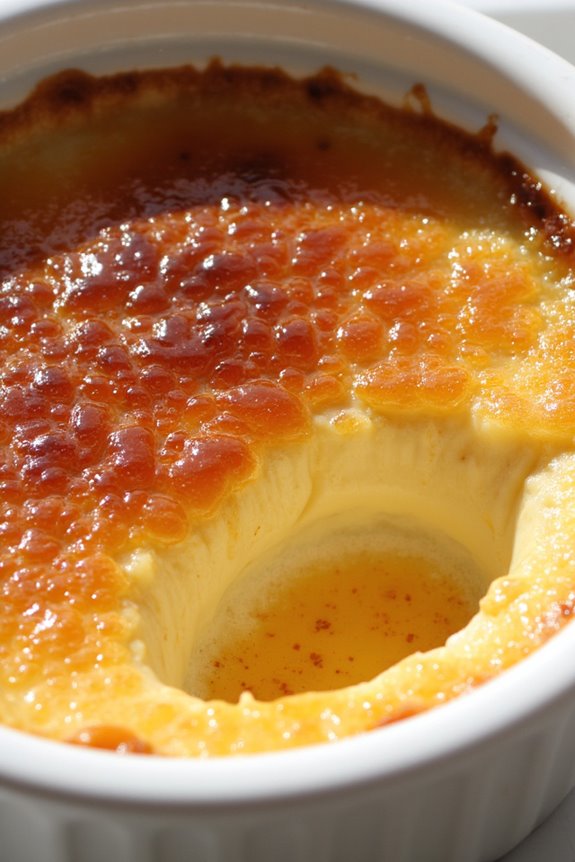
Crème Brûlée is a classic French dessert that translates to “burnt cream.” This elegant dish features a rich custard base, typically made with cream, vanilla, and egg yolks, which is then topped with a layer of hard caramelized sugar. The contrast between the smooth, creamy custard and the crispy sugar crust makes it a favorite among dessert lovers.
While it may seem intimidating to prepare, this recipe simplifies the process and allows home cooks to impress their guests with a delightful French bistro experience right in their own kitchen.
To achieve the perfect Crème Brûlée, it’s vital to focus on the quality of your ingredients, particularly the cream and vanilla. Using fresh, high-quality ingredients will yield a more flavorful and satisfying dessert. The process involves gently heating the cream, whisking together the egg yolks and sugar, and then carefully combining the two to create a velvety custard.
The final touch is the caramelization of sugar on top, which is best achieved with a kitchen torch for that signature crackle.
Ingredients (Serves 4-6)
- 2 cups heavy cream
- 1 teaspoon pure vanilla extract
- 5 large egg yolks
- 1/2 cup granulated sugar (plus extra for caramelizing)
- A pinch of salt
Cooking Instructions
- Preheat the Oven: Begin by preheating your oven to 325°F (160°C). This guarantees that your custards cook evenly and gently.
- Heat the Cream: In a medium saucepan, combine the heavy cream and vanilla extract. Heat the mixture over medium heat until it’s hot but not boiling, stirring occasionally. Remove from heat once you see steam rising, and let it sit for a few minutes to infuse the vanilla flavor.
- Whisk Egg Yolks and Sugar: In a mixing bowl, whisk together the egg yolks, granulated sugar, and salt until the mixture is pale and slightly thickened. This step helps to incorporate air into the yolks, which leads to a lighter custard.
- Combine Cream and Egg Mixture: Gradually pour the hot cream into the egg yolk mixture while whisking continuously. This technique, known as tempering, prevents the eggs from scrambling. Once fully combined, strain the mixture through a fine-mesh sieve into a clean bowl to guarantee a smooth custard.
- Pour into Ramekins: Divide the custard mixture evenly among 4 to 6 ramekins. Place the ramekins in a deep baking dish, and carefully fill the dish with hot water until it reaches about halfway up the sides of the ramekins. This water bath helps regulate the temperature while baking.
- Bake: Bake in the preheated oven for about 30-35 minutes or until the custards are set around the edges but still slightly jiggly in the center. Remove the ramekins from the water bath and allow them to cool to room temperature, then refrigerate for at least 2 hours or until completely chilled.
- Caramelize the Sugar: Once chilled, sprinkle a thin, even layer of granulated sugar over each custard. Using a kitchen torch, caramelize the sugar until it melts and forms a crispy layer. If you don’t have a torch, you can place the ramekins under a broiler for a few minutes, keeping a close eye to prevent burning.
- Serve: Allow the Crème Brûlée to sit for a minute or two after caramelizing the sugar to let it harden. Serve immediately and enjoy the delightful contrast of textures.
Extra Tips
For the best results, consider using fresh vanilla beans instead of extract for a more intense flavor. Simply split the bean, scrape out the seeds, and add both the seeds and pod to the cream while heating.
Additionally, be careful not to over-bake the custards, as this can lead to a grainy texture. If you’re looking to add a twist, experiment with flavors such as citrus zest or coffee by infusing them into the cream.
With practice, you’ll master this stunning dessert that always impresses!
