

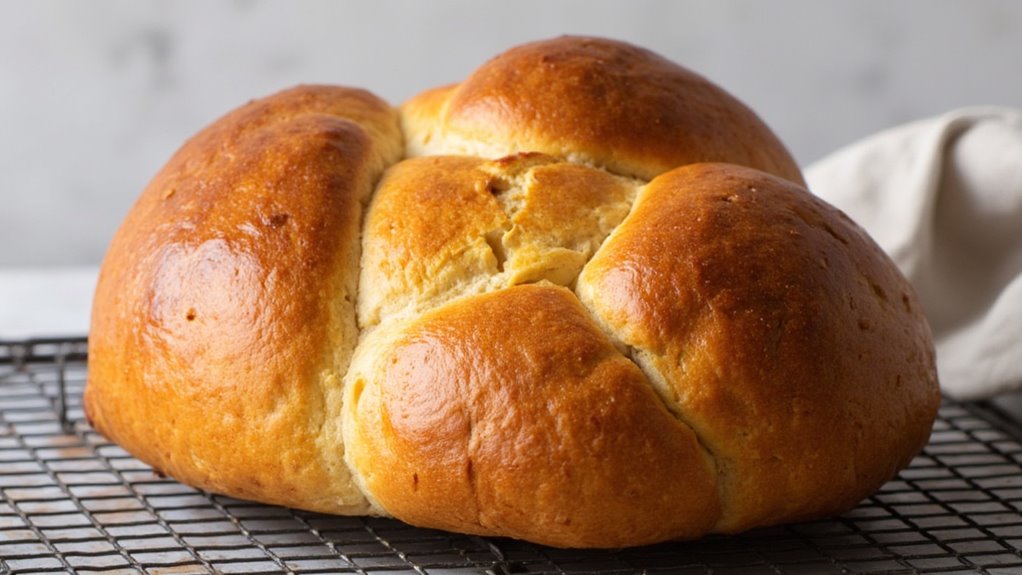
Baking French pastries might seem intimidating at first, but with the right recipes, anyone can achieve delicious results. Each treat, from buttery croissants to delicate macarons, brings its own unique charm and challenge. I remember how nerve-wracking my first attempt at éclairs was, but mastering each step boosted my confidence tremendously. If you’re ready to welcome the art of French baking into your kitchen, these 14 recipes are perfect to start with. Let’s explore these delightful treats that can transform your baking experience.
Classic Croissants
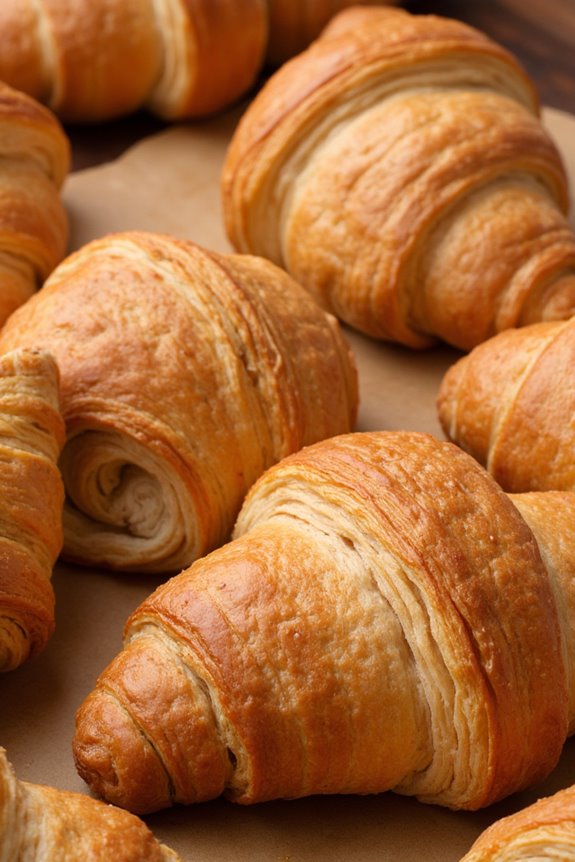
Croissants are a beloved staple of French baking, known for their flaky, buttery layers and crescent shape. The process of making croissants is labor-intensive but extraordinarily rewarding, as the result is a pastry that’s both light and indulgent.
Originating from Austria and popularized in France, these delightful pastries have become synonymous with breakfast and brunch. Perfect with a cup of coffee or tea, croissants can be enjoyed plain or filled with chocolate, almond paste, or ham and cheese for a savory variation.
To achieve the perfect croissant, it’s crucial to understand the techniques involved in lamination, which is the process of folding butter into dough to create layers. This recipe requires patience and care, but the end result will impress anyone lucky enough to taste your homemade croissants.
Whether you’re a seasoned baker or trying your hand at French pastries for the first time, this classic croissant recipe will guide you through every step of the process.
Ingredients (Serves 4-6)
- 4 cups all-purpose flour
- 1/4 cup granulated sugar
- 2 teaspoons salt
- 1 tablespoon instant yeast
- 1 1/4 cups whole milk, lukewarm
- 3 tablespoons unsalted butter, melted
- 1 1/4 cups unsalted butter, cold (for lamination)
- 1 egg (for egg wash)
Cooking Instructions
1. Prepare the Dough: In a large mixing bowl, combine the all-purpose flour, granulated sugar, salt, and instant yeast. Whisk together until evenly mixed. Add the lukewarm milk and melted butter to the dry ingredients. Mix until a rough dough forms.
Knead the dough on a lightly floured surface for about 5-7 minutes until smooth and elastic. Shape it into a ball, place it in a lightly greased bowl, cover with plastic wrap, and let it rise in a warm place for about 1-2 hours or until doubled in size.
2. Prepare the Butter Block****: While the dough is rising, prepare the butter for lamination. Place the cold unsalted butter between two pieces of parchment paper. Using a rolling pin, pound and roll the butter into a rectangle about 1/2-inch thick and roughly 8×10 inches in size.
Chill the butter block in the refrigerator while the dough continues to rise.
3. Laminate the Dough: Once the dough has doubled in size, punch it down to release the air. On a lightly floured surface, roll the dough into a rectangle about 16×10 inches.
Place the chilled butter block in the center of the dough, folding the sides of the dough over the butter to encase it completely. Pinch the seams to seal. Roll the dough into a long rectangle, about 24×10 inches, then fold it into thirds (like a letter). Wrap in plastic wrap and refrigerate for 30 minutes.
4. Repeat the Folding: Remove the dough from the refrigerator and repeat the rolling and folding process two more times, chilling the dough for 30 minutes between each fold. This creates the layers necessary for flaky croissants.
5. Shape the Croissants: After the final fold and chill, roll the dough into a large rectangle about 1/4-inch thick. Cut the dough into triangles with a base of about 4 inches.
Starting from the base of each triangle, roll the dough tightly towards the tip to form the croissant shape. Place the rolled croissants on a baking sheet lined with parchment paper, leaving space between each one.
6. Proof the Croissants: Cover the shaped croissants with a clean kitchen towel and let them rise in a warm place for about 1-2 hours, or until they’ve puffed up considerably.
7. Bake the Croissants: Preheat the oven to 400°F (200°C). Beat the egg and brush it over the tops of the croissants for a golden finish.
Bake for 15-20 minutes or until they’re golden brown and puffed. Remove from the oven and let cool on a wire rack before serving.
Extra Tips
When making croissants, it’s important to keep the butter cold to achieve the layers that create the flaky texture. If your kitchen is warm, consider chilling the dough and butter more frequently.
Additionally, be patient during the proofing stages; letting the croissants rise sufficiently will guarantee they’re light and airy. For added flavor, you can experiment with fillings such as chocolate, almond paste, or savory ingredients like cheese and ham.
Enjoy your freshly baked croissants with a touch of jam or simply on their own!
Flaky Pain Au Chocolat
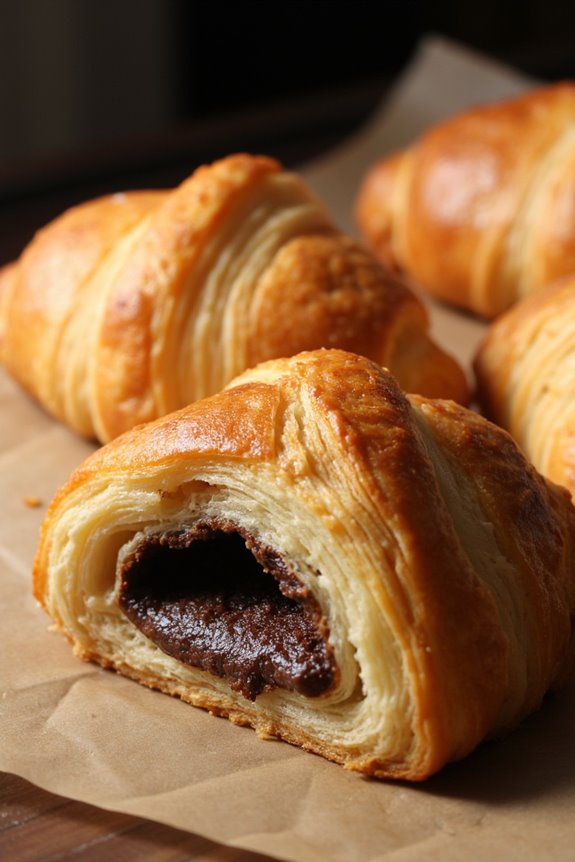
Flaky Pain Au Chocolat is a quintessential French pastry that combines the buttery, layered goodness of puff pastry with rich, dark chocolate. This delightful treat is perfect for breakfast, brunch, or an indulgent snack. The process of making Pain Au Chocolat may seem intimidating at first, but with patience and a little practice, you can create these delicious pastries right at home.
The key to achieving the perfect flaky texture lies in the lamination of the dough, which involves folding layers of butter into the dough to create that signature flakiness. This recipe serves 4-6 people and requires some time for preparation and resting, but your efforts will be rewarded with warm, chocolate-filled pastries that are crispy on the outside and soft on the inside.
Pair your Pain Au Chocolat with a cup of coffee or tea for a delightful experience that transports you straight to a Parisian café.
Ingredients:
- 2 cups all-purpose flour
- 1/2 teaspoon salt
- 2 tablespoons granulated sugar
- 1 cup unsalted butter (cold, cut into small pieces)
- 1/2 cup cold water
- 1 1/2 teaspoons active dry yeast
- 1/4 cup milk (warm)
- 1/2 cup dark chocolate (chopped into small pieces)
- 1 egg (beaten, for egg wash)
Cooking Instructions:
- Prepare the Dough: In a large mixing bowl, combine the flour, salt, and sugar. In a separate small bowl, dissolve the yeast in the warm milk and let it sit for about 5 minutes until foamy. Pour the yeast mixture and the cold water into the flour mixture, then mix until a rough dough forms.
- Knead the Dough: Transfer the dough onto a lightly floured surface and knead it gently for about 5 minutes until smooth. Shape the dough into a rectangle, wrap it in plastic wrap, and refrigerate for at least 30 minutes.
- Prepare the Butter Block: While the dough is chilling, create the butter block by placing the cold, cubed butter between two sheets of parchment paper. Use a rolling pin to pound the butter into a rectangle about 1/2 inch thick. Make sure the butter remains cold and pliable. Once shaped, place it in the refrigerator to firm up.
- Incorporate the Butter: Remove the dough from the refrigerator and roll it out into a rectangle roughly twice the size of the butter block. Place the butter in the center of the dough, folding the dough over the butter to encase it. Seal the edges by pressing them together.
- Roll and Fold: Roll the dough out into a long rectangle, then fold it into thirds like a letter (this is the first turn). Wrap it in plastic and refrigerate for 30 minutes. Repeat this rolling and folding process three more times, chilling the dough between each turn.
- Shape the Pain Au Chocolat: After the final fold, roll the dough out into a long rectangle about 1/4 inch thick. Cut the dough into smaller rectangles, approximately 4 inches by 6 inches. Place a few pieces of chopped chocolate on the lower half of each rectangle, then fold the top half over the chocolate and seal the edges.
- Proof the Pastries: Place the shaped pastries on a baking sheet lined with parchment paper, leaving space between each one. Cover them with a kitchen towel and let them rise in a warm place for about 1 hour, or until they’ve puffed up.
- Preheat the Oven: Preheat your oven to 400°F (200°C).
- Egg Wash and Bake: Brush the tops of the pastries with the beaten egg to give them a beautiful golden color when baked. Bake for 15-20 minutes or until they’re puffed and golden brown.
- Cool and Serve: Remove the Pain Au Chocolat from the oven and let them cool slightly on a wire rack before serving. Enjoy warm for the best experience.
Extra Tips: When making Flaky Pain Au Chocolat, it’s important to keep the butter and dough cold throughout the process to achieve the best flakiness. If you’re short on time, you can use store-bought puff pastry instead, but homemade is worth the effort if you’re aiming for that authentic French flavor.
Also, feel free to experiment with different types of chocolate or even add a sprinkle of sea salt on top before baking for an elevated taste.
Creamy Éclairs
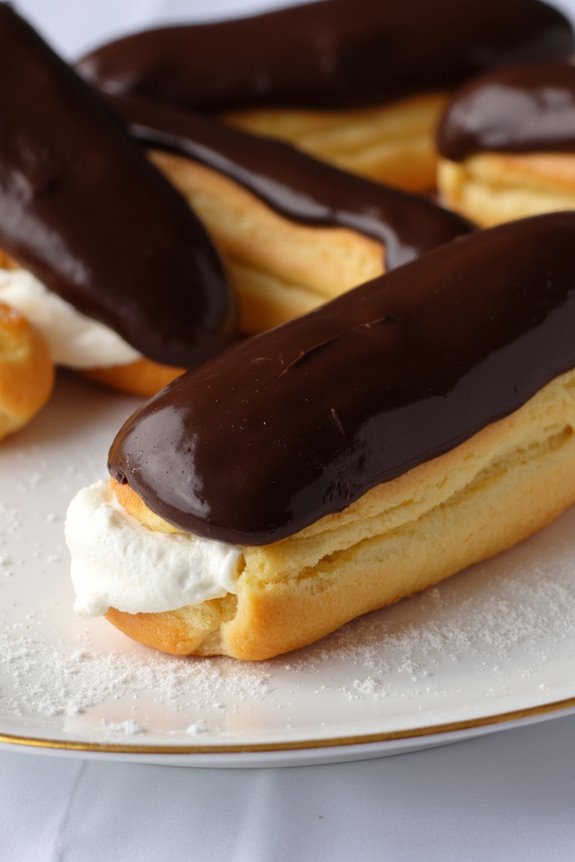
Éclairs are a classic French pastry that combines a light and airy choux pastry with a rich and creamy filling, often topped with a glossy chocolate glaze.
These delightful treats are perfect for special occasions or simply to indulge in a moment of culinary bliss. The combination of textures—the crisp outer shell and the luscious interior—makes éclairs a favorite among dessert lovers and bakers alike.
While they may seem intimidating to make, with a bit of patience and practice, you can create these stunning pastries at home. The key to achieving the perfect éclair lies in the preparation of the choux pastry, which requires precise measurements and cooking techniques.
Once you master the basic recipe, feel free to experiment with different fillings and toppings to create your own unique variations.
Ingredients (serves 4-6 people):
- 1 cup water
- 1/2 cup unsalted butter
- 1 cup all-purpose flour
- 1 teaspoon sugar
- 1/4 teaspoon salt
- 4 large eggs
- 1 cup heavy cream
- 1/4 cup powdered sugar
- 1 teaspoon vanilla extract
- 4 ounces dark chocolate (for glazing)
Cooking Instructions:
1. Prepare the Choux Pastry: In a medium saucepan, combine 1 cup of water, 1/2 cup of unsalted butter, sugar, and salt. Bring this mixture to a boil over medium heat.
Once boiling, remove the pan from the heat and quickly stir in 1 cup of all-purpose flour until the mixture forms a dough ball that pulls away from the sides of the pan.
2. Incorporate the Eggs: Allow the dough to cool slightly for about 5 minutes. Then, add the eggs one at a time, stirring vigorously after each addition until the dough is smooth and glossy.
You may need to use a mixer or a whisk to achieve the right consistency.
3. Pipe the Éclairs: Preheat your oven to 425°F (220°C). Line a baking sheet with parchment paper. Transfer the choux pastry into a piping bag fitted with a large round tip.
Pipe long strips (about 4 inches) onto the prepared baking sheet, leaving space between each éclair.
4. Bake the Pastries: Place the baking sheet in the preheated oven and bake for 20-25 minutes, or until the éclairs are puffed and golden brown.
Avoid opening the oven door during the first 15 minutes of baking, as this can cause the pastries to deflate.
5. Prepare the Cream Filling: While the éclairs are baking, whip 1 cup of heavy cream in a large bowl until soft peaks form. Gradually add 1/4 cup of powdered sugar and 1 teaspoon of vanilla extract, continuing to whip until stiff peaks form.
6. Fill the Éclairs: Once the éclairs are cool, use a small knife to make a slit in the side of each éclair. Fill a piping bag with the whipped cream and gently pipe the cream into each éclair until filled.
7. Make the Chocolate Glaze: In a microwave-safe bowl, melt 4 ounces of dark chocolate in the microwave in 30-second intervals, stirring in between until smooth.
Dip the tops of each filled éclair into the melted chocolate, allowing any excess to drip off.
8. Chill and Serve: Allow the chocolate glaze to set for a few minutes before serving. For best results, refrigerate the éclairs for at least 30 minutes before enjoying.
Extra Tips:
When making éclairs, verify all ingredients are at room temperature for better incorporation, especially the eggs.
For added flavor, consider infusing the cream with different extracts or zests, such as orange or almond. You can also experiment with different toppings, such as caramel or white chocolate, to personalize your éclairs.
Light and Airy Macarons

Macarons are delicate French confections that have gained popularity around the world for their unique texture and delightful flavors. These colorful meringue-based cookies are made with almond flour and filled with a variety of fillings, ranging from buttercream to ganache. The key to achieving that signature light and airy texture lies in the technique used while whipping the egg whites and folding in the dry ingredients.
With practice, you can master the art of macaron-making and impress your friends and family with these beautiful treats. Making macarons can be a bit of a challenge, but don’t let that deter you! The satisfaction of creating these dainty desserts is well worth the effort.
In this recipe, we’ll guide you through the steps of making approximately 20 macarons, which will serve 4-6 people. Whether you choose to fill them with a classic chocolate ganache or a fruity buttercream, these macarons will surely delight anyone who takes a bite.
Ingredients:
- 1 cup (100g) almond flour
- 1 3/4 cups (200g) powdered sugar
- 3 large egg whites (room temperature)
- 1/4 cup (50g) granulated sugar
- 1/4 teaspoon cream of tartar
- Food coloring (optional)
- Filling of choice (e.g., chocolate ganache, buttercream)
Instructions:
- Prepare the Baking Sheets: Line two baking sheets with parchment paper. You can use a template under the parchment to help achieve uniform sizes and shapes for your macarons. This will guarantee they bake evenly and look appealing.
- Sift the Dry Ingredients: In a medium bowl, sift together the almond flour and powdered sugar. This process is essential as it helps to remove any lumps and guarantees a smooth macaron shell. Sifting also aerates the mixture, which contributes to the light texture.
- Whip the Egg Whites: In a clean mixing bowl, use a stand mixer or handheld mixer to beat the egg whites on medium speed until they become frothy. Gradually add the granulated sugar and cream of tartar, then increase the speed to high. Whip until stiff peaks form and the meringue is glossy. If desired, add food coloring at this stage to tint your macarons.
- Fold in the Dry Ingredients: Gently fold the sifted almond flour and powdered sugar mixture into the whipped egg whites using a spatula. Be careful not to deflate the meringue; the goal is to combine the ingredients until you achieve a smooth batter that flows like lava. This process is called macaronage and is critical for the correct texture.
- Pipe the Macarons: Transfer the macaron batter to a piping bag fitted with a round tip. Pipe small circles (about 1.5 inches in diameter) onto the prepared baking sheets, leaving space between each one. Tap the baking sheets firmly on the counter to release air bubbles.
- Rest the Macarons: Allow the piped macarons to sit at room temperature for 30-60 minutes, or until a skin forms on the surface. This step is essential for creating the signature “feet” that macarons are known for.
- Bake the Macarons: Preheat your oven to 300°F (150°C). Bake the macarons one tray at a time for 15-20 minutes, or until they’re firm and can be lifted off the parchment without sticking. Let them cool completely on the baking sheets before removing.
- Fill the Macarons: Once the shells are completely cool, pair them up based on size. Pipe your chosen filling onto the flat side of one shell and gently press the other shell on top to create a sandwich.
- Mature the Macarons: For the best flavor and texture, let the filled macarons rest in the fridge for at least 24 hours before serving. This allows the flavors to meld and the filling to soften the shells slightly.
Extra Tips: When making macarons, precision is key, so investing in a kitchen scale for measuring ingredients will yield the best results. Additionally, verify your mixing bowls and tools are completely grease-free, as any residue can affect the meringue’s ability to whip properly.
Experimenting with different fillings and flavors can also add a personal touch to your macarons, making them even more enjoyable. Finally, practice makes perfect—don’t be discouraged by initial setbacks; with time, you’ll achieve macarons that are light, airy, and full of delightful flavor!
Rich Chocolate Mousse
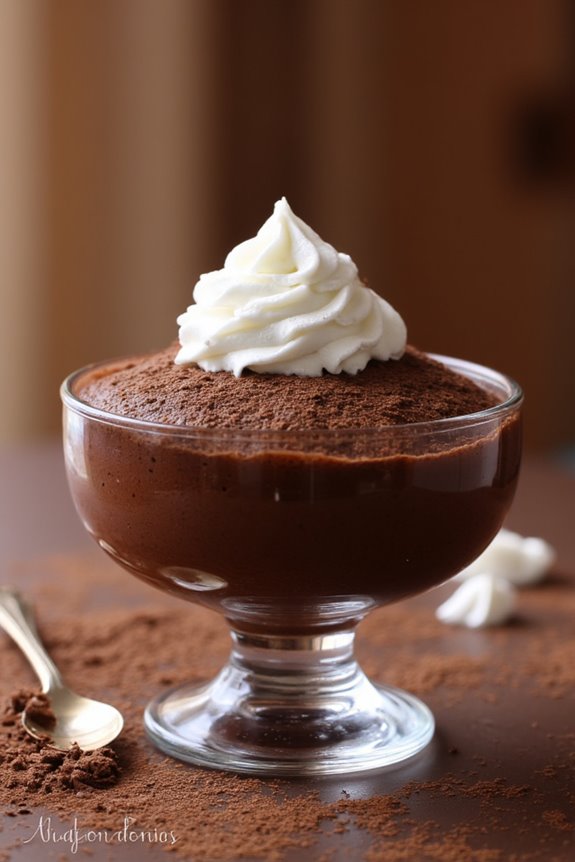
Rich Chocolate Mousse is a classic French dessert that combines the decadence of chocolate with the lightness of whipped cream and egg whites, resulting in a delightful treat that melts in your mouth. This dessert is perfect for special occasions or whenever you want to indulge in something truly luxurious. The elegant presentation and rich flavor make it a favorite among chocolate lovers.
Making Rich Chocolate Mousse may seem intimidating, but with a few simple ingredients and steps, you can create a restaurant-quality dessert right in your own kitchen. The key to achieving the perfect mousse lies in the technique of folding the whipped cream and egg whites into the melted chocolate, allowing the mixture to maintain its airy texture. Follow this recipe to impress your friends and family with your culinary skills.
Ingredients (Serves 4-6):
- 200g dark chocolate (70% cocoa)
- 3 large eggs, separated
- 3 tablespoons sugar
- 1 teaspoon vanilla extract
- 300ml heavy cream
- A pinch of salt
- Optional: chocolate shavings or berries for garnish
Cooking Instructions:
- Melt the Chocolate: Begin by breaking the dark chocolate into small pieces and placing it in a heatproof bowl. Set the bowl over a pot of simmering water (double boiler method) and allow the chocolate to melt gently, stirring occasionally until smooth. Remove from heat and let it cool slightly.
- Whip the Egg Yolks: In a separate bowl, whisk the egg yolks and sugar together until the mixture is pale and creamy. This should take about 3-5 minutes. Once the chocolate has cooled slightly, slowly add it to the egg yolk mixture, stirring continuously to combine. Add the vanilla extract and mix until fully incorporated.
- Whip the Cream: In another bowl, pour the heavy cream and whip it until it forms soft peaks. Be careful not to over-whip it; you want it to be smooth and creamy, not stiff.
- Beat the Egg Whites: In a clean bowl, whisk the egg whites with a pinch of salt until they form stiff peaks. This will help give your mousse its light and airy texture.
- Fold the Mixtures: Gently fold in one-third of the whipped cream into the chocolate mixture to lighten it. Then, carefully fold in the remaining whipped cream until just combined. Finally, fold in the beaten egg whites in two additions, being careful not to deflate the mixture.
- Chill the Mousse: Spoon the mousse into individual serving dishes or a large bowl. Cover with plastic wrap and refrigerate for at least 2 hours, or until set.
- Serve: Once the mousse has chilled and set, serve it chilled. You can garnish with chocolate shavings, fresh berries, or a dollop of whipped cream for an added touch.
Extra Tips: When making Rich Chocolate Mousse, use high-quality dark chocolate for the best flavor. Make sure all your bowls and utensils are clean and dry, especially when whipping egg whites, as any fat can prevent them from reaching their full volume.
If you’re short on time, you can prepare the mousse a day in advance; it actually tastes better after sitting in the fridge for a while, allowing the flavors to meld beautifully. Enjoy your delicious creation!
Tarte Tatin
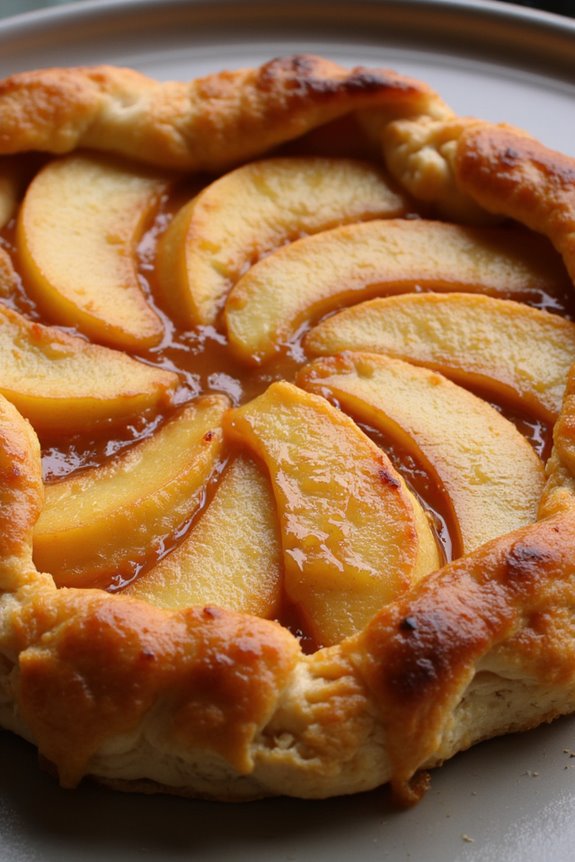
Tarte Tatin is a classic French dessert that features caramelized apples atop a buttery pastry crust, served upside down for a delightful presentation. Originating from the Loire Valley, this upside-down tart was created by the Tatin sisters in the late 19th century and has since become a beloved dessert in French cuisine.
The combination of sweet, tender apples and rich caramel, complemented by the flaky pastry, makes it a perfect treat for any occasion—be it a family gathering, dinner party, or simply an indulgent dessert at home.
Making Tarte Tatin may seem challenging at first, but with a little patience and care, you can master this delicious recipe. The key is to allow the apples to caramelize properly before baking, which creates that signature rich flavor.
Whether you choose to use store-bought pastry or make your own from scratch, this dessert is sure to impress and satisfy all who taste it.
Ingredients (serves 4-6):
- 6 medium-sized apples (such as Granny Smith or Honeycrisp)
- 100g (1/2 cup) unsalted butter
- 150g (3/4 cup) granulated sugar
- 1 teaspoon vanilla extract
- 1 sheet of puff pastry (store-bought or homemade)
- A pinch of salt
- Optional: whipped cream or vanilla ice cream for serving
Cooking Instructions:
- Prepare the Apples: Begin by peeling, coring, and halving the apples. Choose apples that hold their shape well during cooking to prevent them from becoming mushy. Set the prepared apples aside.
- Make the Caramel: In a large, oven-safe skillet, melt the butter over medium heat. Once melted, add the granulated sugar and a pinch of salt. Stir the mixture gently until it begins to bubble and turn a golden brown color, taking care not to let it burn. This will take about 5-7 minutes.
- Add the Apples: Once the caramel is ready, carefully place the apple halves cut-side down into the skillet. Arrange them in a circular pattern, packing them snugly. Cook the apples in the caramel for about 10 minutes, allowing them to soften and absorb the caramel flavor.
- Add Vanilla: After the apples have cooked, drizzle the vanilla extract evenly over the apples. This adds a layer of flavor that complements the sweetness of the caramel.
- Prepare the Pastry: Roll out the puff pastry on a lightly floured surface to fit the size of your skillet. Place the pastry over the apples, tucking the edges down around the apples to enclose them completely. This will create a lovely crust once baked.
- Bake the Tart: Preheat your oven to 190°C (375°F). Place the skillet in the oven and bake for about 25-30 minutes, or until the pastry is golden brown and puffed up. Keep an eye on it to avoid burning.
- Invert the Tart: Once baked, remove the skillet from the oven and let it cool for a few minutes. Carefully place a large plate over the skillet and, using oven mitts, flip the skillet upside down to release the tart onto the plate. Be cautious, as hot caramel may spill out.
- Serve: Allow the Tarte Tatin to cool slightly before slicing. Serve warm with a dollop of whipped cream or a scoop of vanilla ice cream if desired.
Extra Tips:
When making Tarte Tatin, choose apples that are firm and tart for the best results. Granny Smith and Honeycrisp are excellent choices.
To enhance the flavor, you can add a sprinkle of cinnamon or nutmeg to the caramel before adding the apples. If you prefer a more complex taste, consider adding a splash of Calvados (apple brandy) or rum to the caramel.
Finally, remember that the tart is best enjoyed the same day it’s made, as the pastry can lose its crispness over time.
Sweet Madeleines
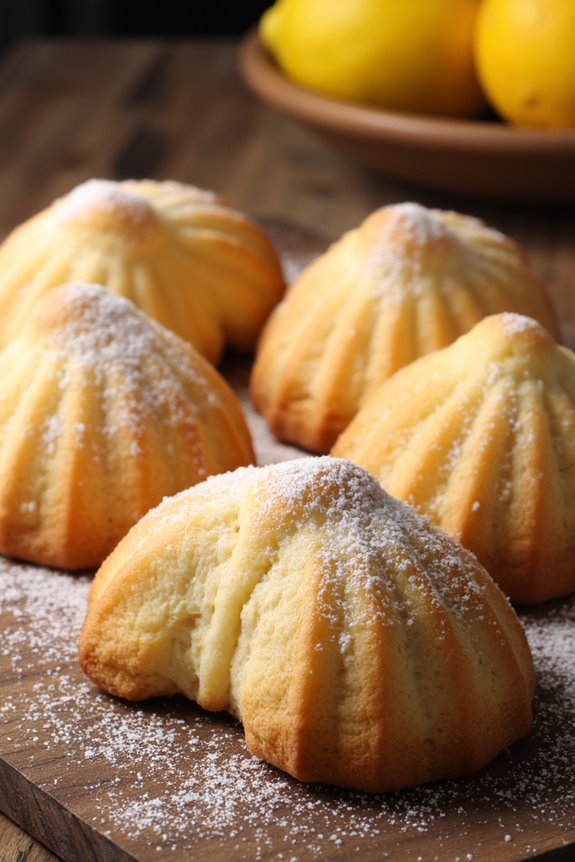
Sweet madeleines are delicate, shell-shaped sponge cakes that are a classic of French baking. They’re known for their light and airy texture, often flavored with lemon or almond, and are perfect for enjoying with tea or coffee.
The charm of madeleines lies not only in their delightful taste but also in their beautiful appearance, making them a favorite among bakers and dessert lovers alike.
Making sweet madeleines at home can be a delightful experience, as the process is relatively simple and the results are incredibly rewarding. With a few basic ingredients and a madeleine pan, you can recreate these lovely treats that are certain to impress your family and friends.
They’re best enjoyed fresh out of the oven, with a slight dusting of powdered sugar for an added touch of sweetness.
Ingredients (Serves 4-6):
- 1 cup (120g) all-purpose flour
- 1/2 teaspoon baking powder
- 1/4 teaspoon salt
- 1/2 cup (115g) unsalted butter, melted and cooled slightly
- 3/4 cup (150g) granulated sugar
- 2 large eggs
- 1 teaspoon vanilla extract
- Zest of 1 lemon (optional)
- Powdered sugar for dusting (optional)
Cooking Instructions:
- Prepare the Madeleine Pan: Preheat your oven to 375°F (190°C). Generously grease the madeleine pan with butter and dust it lightly with flour. This step is vital to guarantee the madeleines release easily after baking and maintain their beautiful shape.
- Mix Dry Ingredients: In a medium bowl, whisk together the all-purpose flour, baking powder, and salt until well combined. This guarantees that the baking powder is evenly distributed, which is essential for achieving the right rise in your madeleines.
- Combine Wet Ingredients: In a large mixing bowl, whisk together the melted butter, granulated sugar, eggs, and vanilla extract until the mixture is smooth and creamy. If you’re using lemon zest, add it at this stage to infuse a fresh citrus flavor into the batter.
- Combine Ingredients: Gradually add the dry ingredient mixture into the wet ingredients, folding gently with a spatula until just combined. Be careful not to overmix, as this can lead to dense madeleines. The batter should be thick yet smooth.
- Fill the Pan: Using a spoon or a piping bag, fill each madeleine mold about three-quarters full with the batter. This allows room for the madeleines to rise and form their characteristic shape.
- Bake: Place the filled pan in the preheated oven and bake for 10-12 minutes, or until the edges are golden brown and the centers spring back when lightly touched. The baking time may vary slightly depending on your oven, so keep an eye on them.
- Cool and Serve: Once baked, remove the madeleine pan from the oven and let it cool for about 5 minutes. Gently tap the pan to release the madeleines onto a wire rack to cool completely. Serve warm or at room temperature, dusted with powdered sugar if desired.
Extra Tips:
For the best flavor and texture, let the batter rest in the refrigerator for at least 30 minutes before baking. This allows the flour to fully hydrate and helps create that signature hump on top of the madeleines.
Additionally, experimenting with different flavorings such as orange zest or almond extract can add a unique twist to your madeleines. Enjoy your baking adventure!
Perfect Pâte À Choux
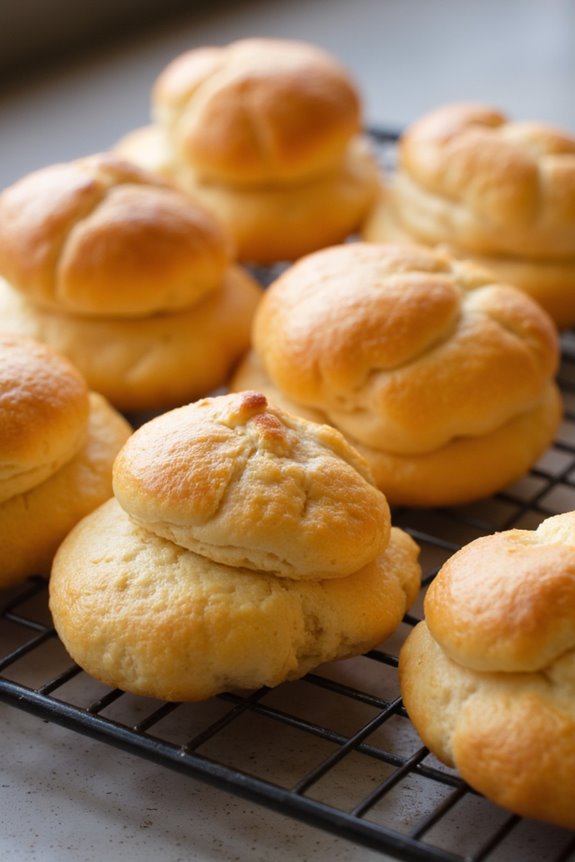
Pâte à choux, a versatile French pastry dough, is the foundation for many beloved desserts, such as éclairs, cream puffs, and profiteroles. Its unique preparation method involves cooking the dough on the stovetop before baking, which creates a light and airy texture. The resulting pastry is hollow inside, allowing for delightful fillings like whipped cream, pastry cream, or ice cream.
Mastering pâte à choux is vital for any aspiring baker, as it opens the door to a world of delicious French confections. The beauty of pâte à choux lies in its simplicity and the ability to customize it with various flavors and fillings.
It’s made with just a few staple ingredients: flour, butter, water, eggs, and a pinch of salt. While it may seem tricky at first, with practice, you’ll be able to whip up this delightful dough with ease, impressing your family and friends with your baking prowess.
Let’s explore the ingredients and method for making the perfect pâte à choux for 4-6 people.
Ingredients
- 1 cup (240 ml) water
- 1/2 cup (115 g) unsalted butter, cut into pieces
- 1 cup (125 g) all-purpose flour
- 1/4 teaspoon salt
- 4 large eggs
- Optional: 1 tablespoon sugar (for sweet applications)
Cooking Instructions
- Prepare the saucepan: In a medium saucepan, combine the water, butter, and salt (and sugar if using). Heat the mixture over medium heat until the butter is fully melted and the liquid comes to a gentle boil.
- Add the flour: Once the butter has melted and the mixture is boiling, remove the saucepan from the heat. Quickly add the flour all at once, stirring vigorously with a wooden spoon or spatula. Continue to stir until the dough forms a ball and pulls away from the sides of the saucepan, which should take about 1-2 minutes.
- Cook the dough: Return the saucepan to low heat and continue cooking the dough for another 1-2 minutes. This step helps to dry out the dough slightly, which is fundamental for achieving the right consistency. You’ll know it’s ready when a thin film forms on the bottom of the pan.
- Cool the dough: Transfer the dough to a mixing bowl and allow it to cool for about 5 minutes. This step is important to prevent the eggs from cooking when they’re added.
- Incorporate the eggs: Once the dough is cool, add the eggs one at a time, mixing well after each addition. The dough should become smooth and glossy. If the mixture is thick, you may want to use an electric mixer for easier incorporation.
- Pipe the dough: Preheat your oven to 400°F (200°C). Line a baking sheet with parchment paper. Using a piping bag fitted with a round tip, pipe small mounds (about 1 inch in diameter) of dough onto the prepared baking sheet, leaving space between each mound.
- Bake: Bake the pâte à choux in the preheated oven for 25-30 minutes or until they’re golden brown and puffed up. Avoid opening the oven door during baking, as this can cause them to deflate.
- Cool and serve: Once baked, remove the pâte à choux from the oven and let them cool on a wire rack. They can be filled once completely cooled with your choice of filling.
Extra Tips
When making pâte à choux, be sure to use fresh eggs, as they provide the necessary moisture and structure to the dough. If you’re unsure about the consistency of the dough after adding the eggs, remember that it should be thick enough to hold its shape but still smooth enough to pipe.
For best results, avoid opening the oven door during baking, as the sudden temperature change can cause the pastries to collapse. Finally, experiment with different flavors by adding vanilla extract, orange zest, or even cocoa powder to the dough for a unique twist!
Decadent Crème Brûlée
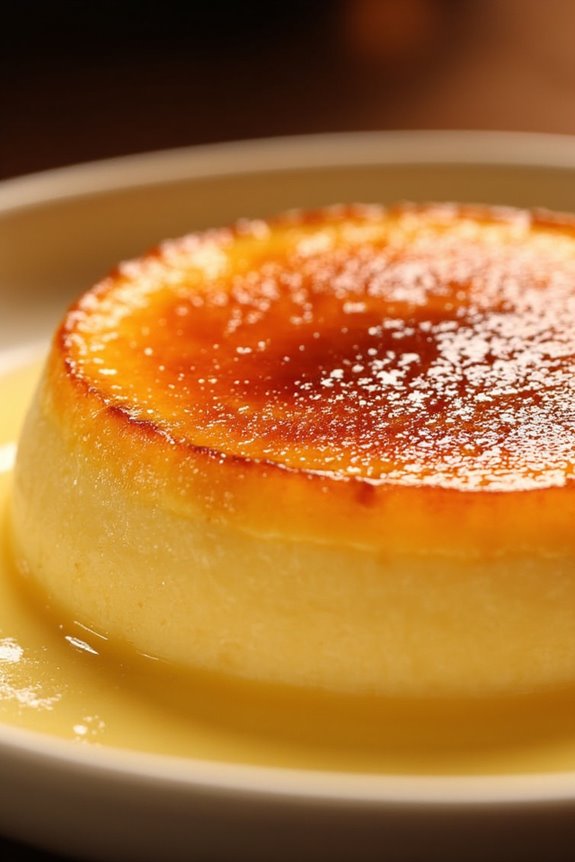
Crème brûlée is a classic French dessert that’s beloved for its rich custard base and the satisfying crunch of a caramelized sugar topping. This indulgent treat is perfect for special occasions or when you simply want to impress your guests with a touch of elegance. The combination of creamy vanilla custard and the contrasting layer of crispy sugar creates a wonderful texture and flavor experience that’s hard to resist.
Making a crème brûlée might seem intimidating at first, but with a few simple ingredients and steps, you can master this dessert in your own kitchen. The key to achieving that perfect, silky custard lies in the careful cooking of the egg yolks and cream, while the topping requires just the right technique to achieve that satisfying crack when you dig in. Follow this recipe, and you’ll be well on your way to serving up a show-stopping dessert.
Ingredients (Serves 4-6):
- 2 cups heavy cream
- 1 vanilla bean (or 1 teaspoon vanilla extract)
- 5 large egg yolks
- 1/2 cup granulated sugar (plus extra for caramelizing)
- A pinch of salt
Cooking Instructions:
- Preheat the Oven: Start by preheating your oven to 325°F (160°C). This will guarantee that your custard cooks evenly and gently.
- Prepare the Cream: In a saucepan over medium heat, combine the heavy cream and the vanilla bean (if using). If you’re using vanilla extract instead, wait to add it until after heating. Bring the cream to a simmer, stirring occasionally. Once it simmers, remove it from the heat and let it steep for about 15 minutes to infuse the vanilla flavor.
- Whisk the Egg Yolks: In a separate mixing bowl, whisk together the egg yolks, granulated sugar, and a pinch of salt until the mixture is pale and slightly thickened. This process helps to incorporate air and will give your custard a light texture.
- Combine Mixtures: Slowly pour the warm cream into the egg yolk mixture while continuously whisking. If you used a vanilla bean, remember to scrape the seeds into the mixture for added flavor. If you used vanilla extract, add it now. This step is essential to prevent the eggs from curdling.
- Strain the Mixture: To achieve a silky smooth custard, strain the mixture through a fine-mesh sieve into a large measuring cup or bowl. This removes any solids or cooked egg bits.
- Fill Ramekins: Place your ramekins in a large baking dish. Pour the custard mixture evenly into the ramekins, filling them about three-quarters full.
- Bake in a Water Bath: Carefully pour hot water into the baking dish around the ramekins until it reaches halfway up the sides. This water bath helps to regulate the temperature as the custard bakes, guaranteeing a creamy texture. Bake for 30-35 minutes or until the edges are set but the center still has a slight jiggle.
- Cool and Refrigerate: Remove the ramekins from the water bath and let them cool to room temperature. Cover them with plastic wrap and refrigerate for at least 4 hours, or overnight to set completely.
- Caramelize the Sugar: Before serving, sprinkle a thin layer of granulated sugar over the top of each custard. Using a kitchen torch, caramelize the sugar until it forms a crisp, golden layer. If you don’t have a torch, you can place the ramekins under a broiler for a few minutes, but watch them closely to prevent burning.
- Serve: Allow the caramelized sugar to cool for a minute or two until it hardens, then serve the crème brûlée immediately.
Extra Tips:
For the best results, use high-quality ingredients, especially when it comes to the cream and vanilla. A vanilla bean will impart a more complex flavor than extract, but either will work.
Experiment with different flavors by infusing the cream with citrus zest, coffee, or spices. When caramelizing the sugar, aim for an even layer to achieve a consistent texture.
Finally, allow the crème brûlée to chill completely before serving for the best flavor and texture. Enjoy your decadent dessert!
Savory Quiche Lorraine

Quiche Lorraine is a classic French dish that combines a flaky pastry crust with a rich and creamy filling of eggs, cream, cheese, and savory bacon.
This savory tart hails from the Lorraine region of France and is perfect for brunch, lunch, or even a light dinner. Its versatility allows it to be enjoyed warm or at room temperature, making it a fantastic choice for gatherings or picnics.
The beauty of Quiche Lorraine lies in its simplicity and the ease with which it can be prepared. While the traditional recipe calls for lardons or bacon, you can easily customize the filling by adding vegetables, herbs, or different cheeses to suit your taste.
This dish isn’t only delicious but also aesthetically pleasing, showcasing a golden-brown crust that encases a luscious filling.
Ingredients (Serves 4-6):
- 1 pre-made pie crust (9-inch)
- 6 large eggs
- 1 cup heavy cream
- 1 cup whole milk
- 1 cup grated Gruyère cheese
- 1 cup cooked and crumbled bacon (or lardons)
- 1 teaspoon salt
- ½ teaspoon black pepper
- ¼ teaspoon nutmeg (optional)
- Fresh parsley for garnish (optional)
Cooking Instructions:
1. Preheat the Oven: Begin by preheating your oven to 375°F (190°C). This guarantees that the quiche will cook evenly and the crust will become perfectly golden and flaky.
2. Prepare the Pie Crust: Place the pre-made pie crust into a 9-inch pie dish. Gently press it into the dish and trim any excess dough hanging over the edges. Use a fork to prick holes in the bottom of the crust to prevent bubbling during baking.
3. Blind Bake the Crust: To achieve a crisp crust, blind bake it by placing parchment paper over the crust and filling it with pie weights or dried beans. Bake in the preheated oven for about 15 minutes.
Then, remove the weights and parchment paper and bake for an additional 5-7 minutes until lightly golden. Remove from the oven and set aside.
4. Prepare the Filling: In a large mixing bowl, whisk together the eggs, heavy cream, whole milk, salt, black pepper, and nutmeg (if using). Make sure the mixture is well combined and frothy, as this will give your quiche a light texture.
5. Add Bacon and Cheese: Stir in the crumbled bacon and grated Gruyère cheese into the egg mixture. Confirm that the bacon and cheese are evenly distributed throughout the filling.
6. Combine and Pour: Carefully pour the egg mixture into the pre-baked pie crust, making sure not to overfill. Leave a little space at the top, as the quiche will puff up slightly during baking.
7. Bake the Quiche: Place the quiche in the oven and bake for 30-35 minutes or until the filling is set and the top is golden brown. You can check for doneness by inserting a knife into the center; it should come out clean.
8. Cool and Serve: Once baked, remove the quiche from the oven and let it cool for about 10 minutes. This allows the filling to firm up a bit more.
Slice into wedges and serve warm or at room temperature, garnished with fresh parsley if desired.
Extra Tips:
For an added depth of flavor, consider sautéing some finely chopped onions or leeks and incorporating them into the filling along with the bacon.
You can also experiment with different cheese varieties, such as cheddar or feta, to give your Quiche Lorraine a unique twist. If you have leftovers, it keeps well in the refrigerator and can be easily reheated for a quick meal or snack.
Enjoy your cooking!
Almond Tarts
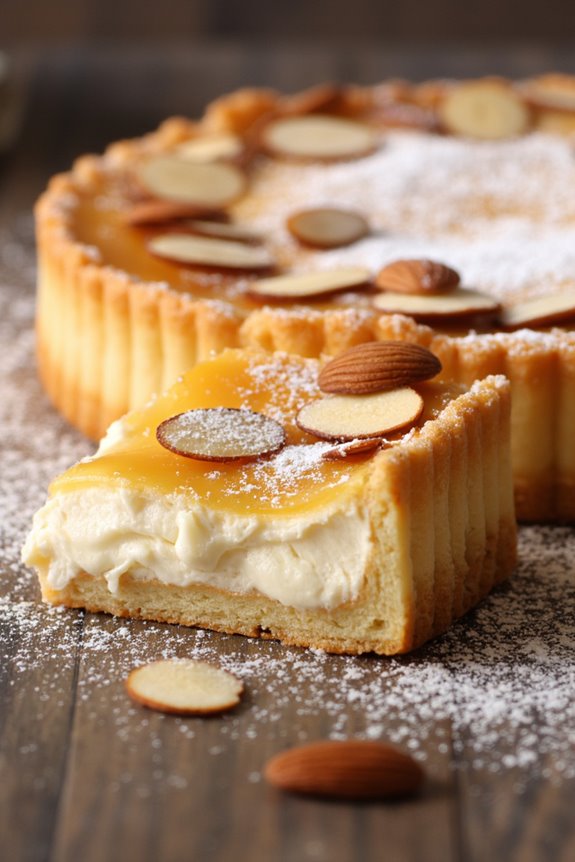
Almond tarts, or “tarte aux amandes,” are a classic French pastry that combines a flaky crust with a rich almond filling. The flavors are delicate yet rich, with a hint of sweetness that makes them perfect for dessert or a delightful afternoon tea treat. This tart isn’t only delicious but also visually appealing, making it an impressive dish to serve at gatherings or special occasions.
Making almond tarts at home is a rewarding experience, especially when you see the smiles on your guests’ faces as they enjoy this delightful pastry. The combination of buttery crust, creamy almond filling, and a subtle fragrance of almond extract creates a perfect balance that’s simply irresistible. With this recipe, you’ll be able to craft a stunning almond tart that serves 4-6 people, guaranteeing everyone can indulge in its deliciousness.
Ingredients (Serves 4-6):
- 1 ½ cups all-purpose flour
- ½ cup unsalted butter, cold and cubed
- ¼ cup granulated sugar
- 1 large egg yolk
- 3-4 tablespoons cold water
- 1 cup almond meal or finely ground almonds
- ½ cup granulated sugar (for filling)
- 2 large eggs
- 1 teaspoon almond extract
- 2 tablespoons all-purpose flour (for filling)
- Sliced almonds (for topping)
- Powdered sugar (for dusting, optional)
Cooking Instructions:
1. Prepare the Tart Crust****: In a large mixing bowl, combine the flour and sugar. Add the cold, cubed butter and use a pastry cutter or your fingers to blend until the mixture resembles coarse crumbs. Incorporate the egg yolk and cold water, mixing until the dough just comes together.
Form the dough into a disc, wrap in plastic wrap, and refrigerate for at least 30 minutes.
2. Preheat the Oven: While the dough is chilling, preheat your oven to 375°F (190°C). This guarantees that the tart will bake evenly and develop a lovely golden color.
3. Roll Out the Dough: Once the dough has chilled, lightly flour a clean surface and roll out the dough into a circle about 1/8 inch thick. Carefully transfer the dough to a 9-inch tart pan, pressing it into the edges and trimming any excess.
Prick the bottom with a fork to prevent bubbling during baking.
4. Blind Bake the Crust: To guarantee a crisp crust, line the tart shell with parchment paper and fill it with pie weights or dried beans. Bake in the preheated oven for 15 minutes, then remove the weights and parchment and bake for an additional 5-10 minutes until lightly golden.
Remove from the oven and let cool.
5. Make the Almond Filling: In a mixing bowl, whisk together the almond meal, sugar, eggs, almond extract, and flour until smooth. Confirm there are no lumps and the mixture is well combined.
6. Assemble and Bake the Tart: Pour the almond filling into the cooled tart shell, smoothing the top with a spatula. Sprinkle sliced almonds on top for added texture and decoration.
Bake in the preheated oven for 25-30 minutes, or until the filling is set and lightly browned.
7. Cool and Serve: Allow the tart to cool in the pan for about 10 minutes, then carefully remove it from the pan. Let it cool completely on a wire rack before dusting with powdered sugar, if desired.
Slice and serve at room temperature or slightly chilled.
Extra Tips:
For a deeper almond flavor, consider toasting the almond meal lightly in a dry skillet before incorporating it into the filling. This adds a wonderful nuttiness to the tart.
Additionally, feel free to experiment with different toppings, such as fresh fruits or a drizzle of chocolate, to complement the almond flavor. Make sure to store any leftovers in an airtight container at room temperature for up to three days.
Enjoy your homemade almond tarts with a cup of tea or coffee for a truly delightful experience!
Fruit Clafoutis
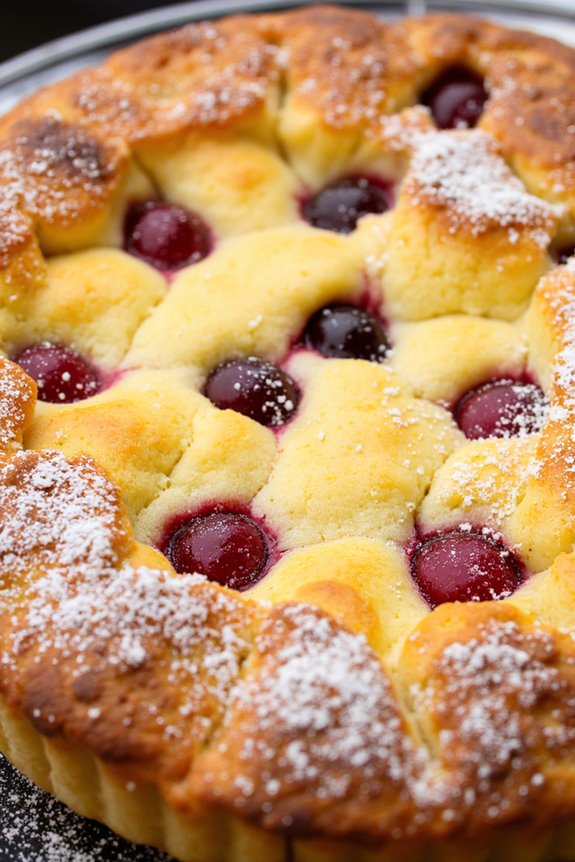
Fruit Clafoutis is a delightful French dessert that originated in the Limousin region. Traditionally made with black cherries, this custard-like dish can be adapted with various fruits, making it a versatile sweet treat perfect for any occasion.
The batter is simple to prepare, combining eggs, milk, flour, and sugar, resulting in a rich and flavorful base that complements the fruit beautifully. Whether served warm or at room temperature, Fruit Clafoutis offers a satisfying texture and a subtle sweetness that will impress your guests.
Making Fruit Clafoutis isn’t only easy but also a fun way to showcase seasonal fruits. You can experiment with different flavors, such as using peaches, plums, or berries. The key to achieving the perfect Clafoutis is to guarantee that the batter is well-blended and that the fruit is evenly distributed throughout.
This dish is best enjoyed fresh out of the oven, but leftovers can be stored in the refrigerator and enjoyed the next day.
Ingredients (Serves 4-6)
- 2 cups pitted cherries (or other fruit of your choice)
- 3 large eggs
- 1 cup whole milk
- 1 cup all-purpose flour
- 2/3 cup granulated sugar
- 1 teaspoon vanilla extract
- 1/4 teaspoon salt
- 2 tablespoons unsalted butter (for greasing the pan)
- Powdered sugar (for dusting, optional)
Cooking Instructions
1. Preheat the Oven: Start by preheating your oven to 350°F (175°C). This guarantees that your Clafoutis will bake evenly and develop a lovely golden top.
2. Prepare the Baking Dish****: Grease a 9-inch pie dish or a similar-sized baking dish with the 2 tablespoons of unsalted butter. Make sure to cover the bottom and sides thoroughly to prevent sticking.
3. Arrange the Fruit: Spread the pitted cherries (or your choice of fruit) evenly across the bottom of the greased baking dish. If using larger fruits, cut them into smaller pieces to guarantee an even distribution.
4. Mix the Batter: In a mixing bowl, whisk together the eggs, granulated sugar, and salt until well combined. Gradually add the flour, continuing to whisk until the mixture is smooth.
Then, slowly pour in the milk and vanilla extract, whisking until everything is fully incorporated.
5. Combine and Pour: Once the batter is ready, gently pour it over the arranged fruit in the baking dish. The batter will cover the fruit, but some pieces may float during baking, which is perfectly normal.
6. Bake the Clafoutis: Place the baking dish in the preheated oven and bake for 35-40 minutes, or until the top is puffed and golden brown. A toothpick inserted into the center should come out clean.
7. Cool and Serve: Once baked, remove the Clafoutis from the oven and allow it to cool for a few minutes. Dust with powdered sugar if desired before slicing and serving warm or at room temperature.
Extra Tips
For the best results, use ripe, fresh fruits, as they’ll enhance the flavor of your Clafoutis. If you prefer a more traditional taste, stick with cherries, but feel free to experiment with whatever fruits are in season.
Additionally, you can add a splash of almond extract for an extra layer of flavor or serve the Clafoutis with a dollop of whipped cream or a scoop of vanilla ice cream for a more indulgent dessert. Enjoy your delicious creation!
Pain Perdu (French Toast)
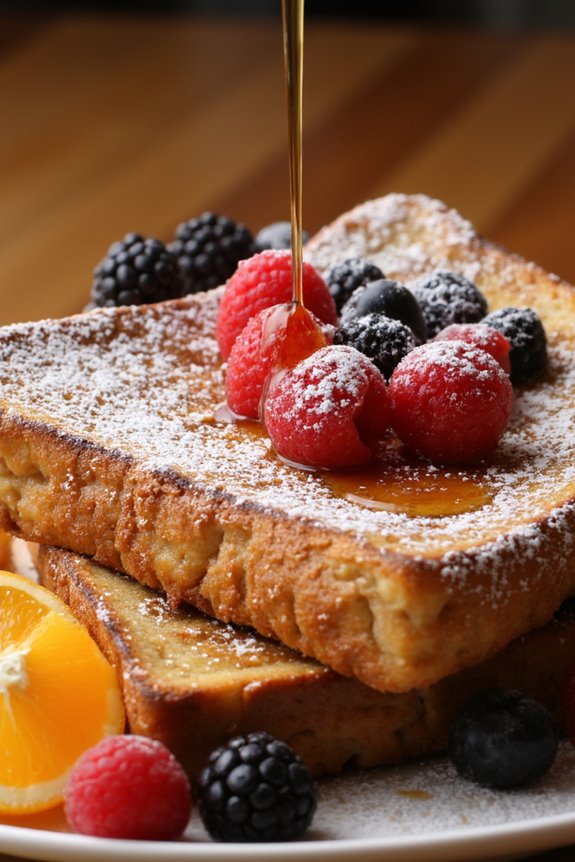
Pain Perdu, which translates to “lost bread,” is a classic French dish that originated as a way to use stale bread. This delightful recipe transforms leftover bread into a sweet and indulgent breakfast or dessert that’s perfect for any occasion.
Traditionally, day-old baguettes or brioche are preferred for their texture, which allows them to soak up the custard mixture beautifully without falling apart. The result is a rich, custardy interior with a lightly crisp exterior, often served with a dusting of powdered sugar, fresh fruits, or a drizzle of maple syrup.
Making Pain Perdu is simple and requires minimal ingredients, making it an accessible yet impressive dish to whip up. Whether you enjoy it with a sprinkle of cinnamon, a touch of vanilla, or topped with berries, this French toast recipe is sure to impress family and friends alike.
It’s ideal for leisurely weekend brunches or as a sweet treat for breakfast any day of the week.
Ingredients (serving size of 4-6 people):
- 6-8 slices of day-old bread (such as brioche or baguette)
- 4 large eggs
- 1 cup whole milk
- 1/4 cup heavy cream
- 1/4 cup granulated sugar
- 1 teaspoon vanilla extract
- 1 teaspoon ground cinnamon
- Pinch of salt
- 4 tablespoons unsalted butter (for cooking)
- Powdered sugar (for serving)
- Fresh fruit or maple syrup (optional, for serving)
Cooking Instructions:
- Prepare the Custard Mixture: In a large mixing bowl, whisk together the eggs, whole milk, heavy cream, granulated sugar, vanilla extract, ground cinnamon, and a pinch of salt until the mixture is fully combined and slightly frothy. This custard will be the base for soaking the bread, so guarantee all ingredients are well blended.
- Soak the Bread: Lay the slices of bread in a shallow dish or baking tray. Pour the custard mixture evenly over the bread, making sure each slice is thoroughly soaked. Allow the bread to soak for about 10 minutes on each side, or until the bread has absorbed most of the liquid. If using thicker slices, you may need to soak them a bit longer.
- Heat the Pan: In a large skillet or griddle, melt 1 tablespoon of unsalted butter over medium heat. Make sure the butter is bubbly but not browned, which indicates the pan is properly heated and ready for cooking.
- Cook the French Toast: Carefully place the soaked bread slices in the skillet (you may need to do this in batches). Cook for about 3-4 minutes on each side, or until golden brown and slightly crisp. Avoid overcrowding the pan to guarantee even cooking.
- Serve: Once cooked, transfer the Pain Perdu to a warm plate. Dust with powdered sugar and serve immediately with fresh fruit or maple syrup, if desired. Enjoy your delicious French toast while warm!
Extra Tips:
For the best results, use thick slices of bread to prevent them from falling apart during the soaking process.
Brioche or challah are excellent choices due to their richness. If you want to add a little extra flavor, try infusing the custard with orange zest or a splash of your favorite liqueur.
Additionally, consider cooking the Pain Perdu in a cast-iron skillet for even heat distribution. Leftovers can be stored in the fridge and reheated in a toaster or oven for a quick breakfast on the go!
Brioche Bread
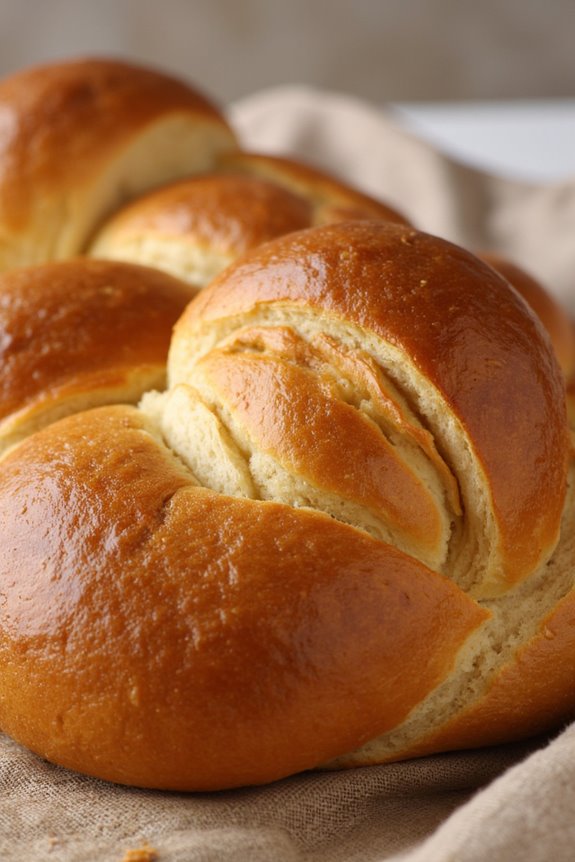
Brioche is a rich, soft, and buttery bread that’s a staple in French baking. Its unique texture and flavor come from the high fat content, primarily due to the generous use of butter and eggs. This delightful bread is perfect for breakfast, as it pairs wonderfully with jams, spreads, or simply a dusting of powdered sugar.
Additionally, brioche can be used to create decadent French toast or served alongside soups and salads for a touch of elegance.
Making brioche may seem intimidating, but with a little patience and practice, you can achieve that perfect golden loaf that’s bound to impress family and friends. The dough requires some resting and rising time, but the end result is a beautifully fluffy bread with a slightly sweet flavor.
Follow this recipe to create your own brioche bread at home, and enjoy the delicious aroma filling your kitchen.
Ingredients (Serves 4-6)
- 4 cups all-purpose flour
- 1/4 cup granulated sugar
- 1 teaspoon salt
- 1 packet (2 1/4 teaspoons) active dry yeast
- 1/2 cup whole milk, warmed
- 4 large eggs, room temperature
- 1 cup unsalted butter, softened and cut into pieces
- 1 egg (for egg wash)
Cooking Instructions
- Activate the yeast: In a small bowl, combine the warm milk and active dry yeast. Let it sit for about 5-10 minutes until it becomes frothy. This step guarantees that the yeast is alive and ready to help the dough rise.
- Mix dry ingredients: In a large mixing bowl, whisk together the flour, sugar, and salt. Make sure the dry ingredients are well combined before adding the wet ones.
- Combine wet ingredients: Create a well in the center of the dry ingredients, and add the activated yeast mixture and eggs. Use a spatula or wooden spoon to mix until the dough starts to come together.
- Knead the dough: Transfer the dough onto a lightly floured surface and knead it for about 10-15 minutes until it becomes smooth and elastic. If the dough is too sticky, sprinkle a little more flour as needed.
- Incorporate the butter: Gradually add the softened butter to the dough, a few pieces at a time. Knead the dough until the butter is fully incorporated and the dough is shiny and smooth, about another 5-10 minutes.
- First rise: Place the dough in a greased bowl, cover it with plastic wrap or a damp cloth, and let it rise in a warm place until it doubles in size, about 1-2 hours.
- Shape the dough: Once the dough has risen, punch it down to release excess air. Turn it out onto a lightly floured surface and divide it into three equal pieces. Roll each piece into a long rope and braid them together, pinching the ends to seal.
- Second rise: Place the braided dough into a greased loaf pan. Cover it again and let it rise for another hour or until it puffs up considerably.
- Preheat the oven: While the dough is rising, preheat your oven to 375°F (190°C).
- Egg wash: Beat the additional egg in a small bowl and brush it over the top of the risen dough to give it a beautiful golden color when baked.
- Bake the brioche: Place the loaf in the preheated oven and bake for 25-30 minutes, or until the top is golden brown and the bread sounds hollow when tapped on the bottom.
- Cool and serve: Remove the brioche from the oven and let it cool in the pan for 10 minutes before transferring it to a wire rack. Allow it to cool completely before slicing.
Extra Tips
When making brioche, make certain your ingredients are at room temperature for better integration and rising. If you want to add a unique flavor, consider incorporating citrus zest or vanilla extract into the dough.
Additionally, brioche can be stored in an airtight container at room temperature for a couple of days or frozen for longer preservation. For the best texture and flavor, enjoy it fresh, or lightly toast slices before serving!
