


Embarking on a journey through the flavors of the French countryside can be as simple as stepping into your kitchen. The comforting aroma of a simmering coq au vin or the rustic charm of a bubbling cassoulet can transform any evening into something special. These cozy, rustic French recipes offer a taste of tradition and heartwarming comfort. With each dish, you’ll find yourself surrounded by rich and inviting flavors, perfect for sharing with loved ones. Let these favorites inspire your own French culinary adventure at home.
Classic Coq Au Vin
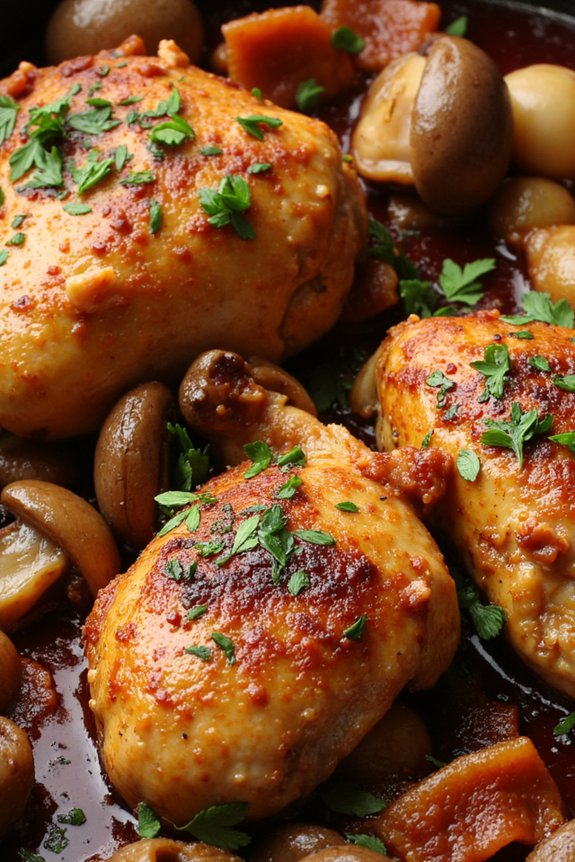
Classic Coq Au Vin is a quintessential French dish that embodies the heart and soul of rustic French cooking. This dish, which translates to “rooster in wine,” traditionally uses a rooster simmered in red wine with mushrooms, onions, and herbs to create a rich and savory stew. While roosters aren’t commonly found in modern kitchens, chicken serves as a perfect substitute, absorbing the deep flavors of the wine and aromatics.
Coq Au Vin is a perfect dish for a cozy dinner, presenting a harmonious blend of robust flavors that develop beautifully over a long, slow cooking process. Preparing Classic Coq Au Vin requires a bit of time and patience, but the end result is well worth it. This dish is perfect for a Sunday dinner or a special occasion, and it’s best enjoyed with a side of crusty bread or buttery mashed potatoes.
The deep, complex flavors are the hallmark of this dish, and they intensify when left to meld overnight, making leftovers just as delightful. The recipe below serves 4-6 people, allowing for generous portions or enough for a small gathering.
Ingredients for Classic Coq Au Vin (Serves 4-6):
- 1 whole chicken, cut into pieces
- Salt and pepper, to taste
- 2 tablespoons olive oil
- 8 ounces bacon, diced
- 1 large onion, chopped
- 2 cloves garlic, minced
- 2 tablespoons flour
- 2 cups red wine (preferably Burgundy or Pinot Noir)
- 1 cup chicken stock
- 2 tablespoons tomato paste
- 2 bay leaves
- 4 sprigs fresh thyme
- 1 pound mushrooms, quartered
- 20 pearl onions, peeled
- 2 tablespoons butter
- Chopped fresh parsley, for garnish
Cooking Instructions:
- Prepare the Chicken: Season the chicken pieces with salt and pepper. In a large Dutch oven or heavy pot, heat olive oil over medium-high heat. Add the chicken pieces in batches and brown on all sides. Remove the chicken and set aside.
- Cook the Bacon: In the same pot, add the diced bacon and cook until crispy. Remove the bacon with a slotted spoon and set aside, leaving the bacon fat in the pot.
- Sauté Aromatics: Add the chopped onion and minced garlic to the pot. Sauté until the onion becomes translucent, about 5 minutes.
- Make the Roux: Sprinkle the flour over the onions and garlic, stirring constantly, and cook for 2 minutes to form a roux, which will help thicken the sauce.
- Deglaze and Simmer: Gradually stir in the red wine, scraping up any browned bits from the bottom of the pot. Add the chicken stock, tomato paste, bay leaves, and thyme. Return the chicken and bacon to the pot. Bring to a simmer, cover, and cook on low heat for about 45 minutes to 1 hour, until the chicken is tender.
- Prepare Mushrooms and Onions: In a separate pan, melt butter over medium heat. Add the quartered mushrooms and pearl onions. Sauté until golden brown, about 10 minutes.
- Combine and Finish: Add the mushrooms and pearl onions to the simmering pot of chicken. Continue to cook for another 20 minutes, allowing the flavors to meld.
- Serve: Remove the bay leaves and thyme sprigs. Adjust seasoning with salt and pepper. Garnish with chopped fresh parsley before serving.
Extra Tips:
For the best flavor, marinate the chicken in red wine and herbs for a few hours or overnight before cooking. This step enhances the depth of the dish. If using a tougher cut of meat like rooster, extend the cooking time to guarantee it becomes tender.
When selecting wine, choose one that you enjoy drinking, as this will greatly impact the dish’s taste. Finally, Coq Au Vin tastes even better the next day, so consider making it a day ahead to allow the flavors to fully develop.
Hearty Cassoulet
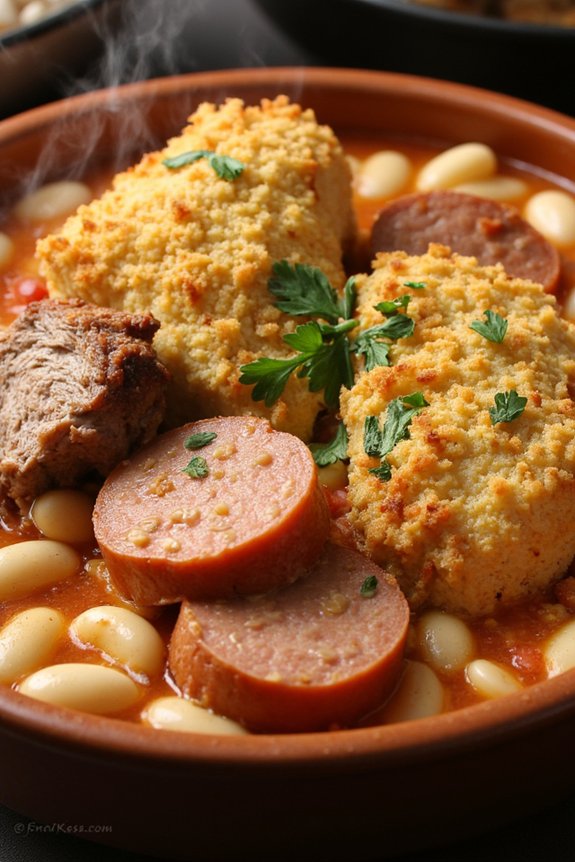
Cassoulet is a classic, hearty French dish that originates from the Languedoc region. This rustic stew is traditionally made with a variety of meats such as pork, duck, and sausages, combined with white beans, creating a rich and comforting meal.
The beauty of cassoulet lies in its slow-cooked, layered flavors that develop over several hours, making it an ideal dish for a cozy dinner with family or friends.
The following recipe serves 4-6 people and is perfect for a chilly evening. The preparation may take some time, but the result is a deeply satisfying dish that’s well worth the effort. The combination of tender meats with creamy beans and a crispy breadcrumb topping makes this cassoulet a memorable experience.
Ingredients:
- 1 pound dried white beans (such as cannellini or Great Northern)
- 1 bay leaf
- 4 ounces salt pork or pancetta, diced
- 1 large onion, chopped
- 4 cloves garlic, minced
- 1 pound boneless pork shoulder, cut into 2-inch cubes
- 4 duck legs (confit if available)
- 1 pound garlic sausage or Toulouse sausage, sliced
- 2 cups chicken broth
- 1 cup crushed tomatoes
- 1 teaspoon dried thyme
- Salt and pepper to taste
- 1 cup breadcrumbs
- 2 tablespoons duck fat or olive oil
- Fresh parsley, chopped (for garnish)
Instructions:
1. Soak the Beans:
Rinse the white beans under cold water and remove any debris. Place them in a large bowl, cover with water, and soak overnight. Drain and set aside.
2. Cook the Beans:
In a large pot, add the soaked beans, bay leaf, and enough water to cover by two inches. Bring to a boil, then reduce to a simmer and cook until the beans are tender, about 1 to 1.5 hours. Drain and discard the bay leaf.
3. Prepare the Meat:
In a large Dutch oven or heavy pot, cook the salt pork or pancetta over medium heat until browned and crispy. Remove with a slotted spoon and set aside. In the same pot, add the chopped onion and garlic, sautéing until softened.
4. Brown the Pork:
Add the pork shoulder cubes to the pot, browning on all sides. Remove and set aside with the salt pork.
5. Combine Ingredients:
Preheat the oven to 300°F (150°C). In the same pot, layer half of the beans, add the browned pork shoulder, duck legs, and sausage slices. Top with the remaining beans.
6. Add Liquid and Seasoning:
Pour in the chicken broth and crushed tomatoes. Add thyme, salt, and pepper, stirring gently to combine.
7. Bake the Cassoulet:
Cover the pot and bake in the preheated oven for 2 hours. Remove the lid, sprinkle the breadcrumbs evenly over the top, and drizzle with duck fat or olive oil.
8. Finish Baking:
Increase the oven temperature to 350°F (175°C) and bake uncovered for an additional 30 minutes, or until the breadcrumbs are golden and crispy.
9. Serve:
Allow the cassoulet to rest for a few minutes before serving. Garnish with fresh parsley and serve warm.
Extra Tips:
For the best results, use high-quality meats and soak the beans overnight to guarantee they cook evenly.
If duck confit is unavailable, searing duck legs in duck fat can mimic the flavor.
Cassoulet can be made a day in advance, as the flavors deepen with time.
If you prefer a thicker stew, mash some of the beans before adding them back to the pot.
Finally, feel free to customize the meats used in the recipe to suit your taste preferences.
Ratatouille Provençale
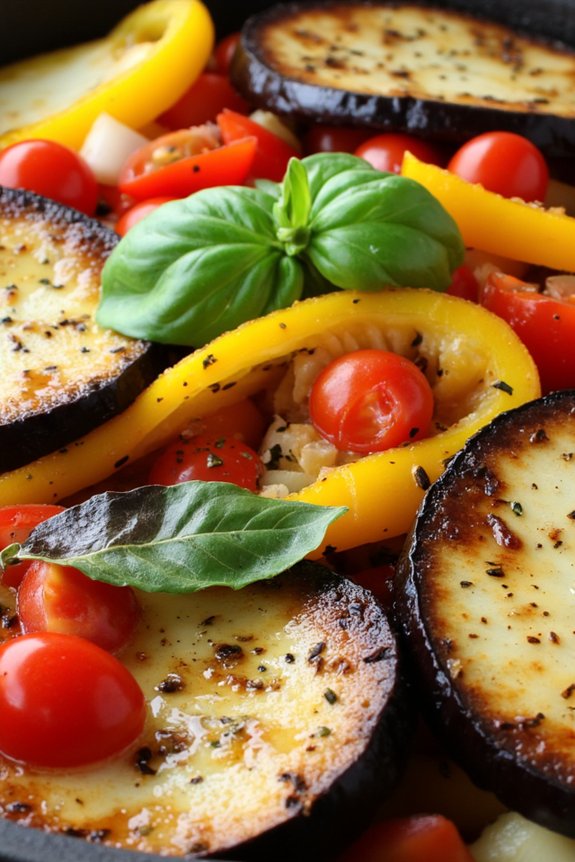
Ratatouille Provençale is a classic French dish that originates from the region of Provence. It beautifully combines a variety of summer vegetables, making it both nutritious and flavorful. This dish is typically served as a side or can be enjoyed as a main course, delighting the palate with its vibrant colors and rich, rustic taste.
The key to a perfect Ratatouille Provençale lies in the freshness and quality of its ingredients, which are gently simmered to allow their natural flavors to meld into a harmonious medley.
The preparation of Ratatouille Provençale is a celebration of simplicity and tradition. Despite its humble ingredients, the dish is elevated through a slow cooking process that infuses each vegetable with the aromatic flavors of herbs and olive oil.
This particular recipe is designed to serve 4-6 people, making it ideal for a family meal or a gathering with friends. The following ingredients and instructions will guide you through crafting a Ratatouille that captures the essence of Provence.
Ingredients (serves 4-6):
- 2 medium eggplants
- 2 zucchini
- 1 red bell pepper
- 1 yellow bell pepper
- 2 medium onions
- 4 ripe tomatoes
- 4 cloves garlic
- 1/4 cup olive oil
- 1 teaspoon dried thyme
- 1 teaspoon dried oregano
- 1 bay leaf
- Salt and black pepper to taste
- Fresh basil for garnish (optional)
Cooking Instructions:
- Prepare the Vegetables:
- Wash and dry all the vegetables. Cut the eggplants and zucchini into 1/2-inch thick slices. Dice the red and yellow bell peppers into bite-sized pieces. Slice the onions thinly, and finely chop the garlic cloves.
- Sauté the Vegetables:
- Heat 2 tablespoons of olive oil in a large skillet over medium heat. Add the eggplant slices and cook until they’re golden brown on both sides, about 5-7 minutes. Remove the eggplant from the skillet and set aside.
In the same skillet, add another tablespoon of olive oil and sauté the zucchini slices until they’re tender and slightly golden, about 5 minutes. Set aside with the eggplant.
3. Cook the Onions and Peppers:
– Add the remaining olive oil to the skillet and lower the heat to medium-low. Add the sliced onions and cook until they’re soft and translucent, about 5 minutes.
Add the diced bell peppers and chopped garlic to the onions, cooking for an additional 5 minutes until the peppers are tender.
4. Simmer with Tomatoes:
– Dice the tomatoes and add them to the skillet along with the thyme, oregano, and bay leaf. Stir well to combine.
Return the cooked eggplant and zucchini to the skillet, mixing gently to avoid breaking the vegetables. Season with salt and black pepper to taste.
5. Slow Cook:
– Cover the skillet and let the ratatouille simmer on low heat for about 30-40 minutes, stirring occasionally.
The vegetables should be tender but not mushy, and the flavors should be well blended.
6. Serve:
– Remove the bay leaf before serving. Garnish with fresh basil leaves if desired.
Serve hot or at room temperature, pairing it with crusty bread or as an accompaniment to a main dish.
Extra Tips:
For an even richer flavor, prepare the Ratatouille Provençale a day ahead. Allow it to cool completely, then refrigerate it overnight.
Reheat gently before serving, which allows the flavors to develop further. Also, consider adding a splash of balsamic vinegar or a sprinkle of grated Parmesan cheese for additional depth and complexity.
Savory Beef Bourguignon
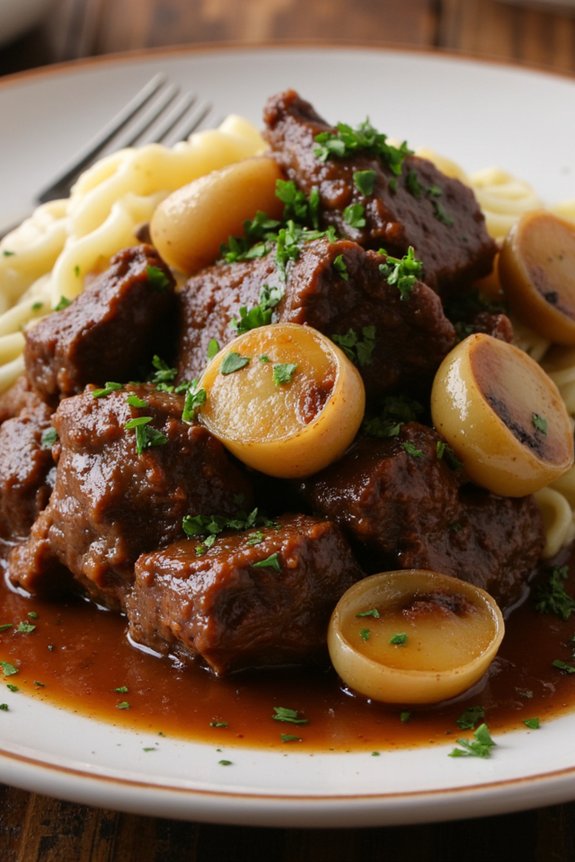
Beef Bourguignon is a classic French dish that has captured the hearts and palates of many around the world. Originating from the Burgundy region of France, this hearty stew is traditionally made with beef braised in red wine, flavored with garlic, onions, and mushrooms. The slow-cooking process allows the flavors to meld together, resulting in a rich and deeply satisfying meal.
This rustic recipe evokes the warmth of a country kitchen and is perfect for a cozy dinner with family or friends. The beauty of Beef Bourguignon lies in its simplicity, using humble ingredients to create a dish that’s both elegant and comforting. The key to success is patience and quality ingredients. The beef is cooked slowly to become tender, and the wine and broth form a flavorful sauce that coats each bite.
This dish is typically served with crusty bread or over a bed of buttery mashed potatoes to soak up the delicious sauce. Gather your loved ones around the table and enjoy the delightful experience of sharing this timeless French classic.
Ingredients for 4-6 servings:
- 2 lbs beef chuck, cut into 2-inch cubes
- Salt and freshly ground black pepper
- 2 tablespoons olive oil
- 8 oz bacon, diced
- 1 large onion, chopped
- 2 cloves garlic, minced
- 2 tablespoons all-purpose flour
- 2 cups red wine (preferably Burgundy or Pinot Noir)
- 2 cups beef stock
- 1 tablespoon tomato paste
- 1 bouquet garni (thyme, bay leaf, and parsley tied together)
- 8 oz pearl onions, peeled
- 8 oz mushrooms, quartered
- 2 tablespoons unsalted butter
- Fresh parsley, chopped (for garnish)
Cooking Instructions:
- Prepare the Beef: Pat the beef cubes dry with paper towels and season them generously with salt and pepper. This will help them brown more effectively.
- Brown the Beef: Heat the olive oil in a large Dutch oven over medium-high heat. Add the beef cubes in batches, ensuring not to overcrowd the pan, and brown them on all sides. Once browned, remove the beef and set it aside.
- Cook the Bacon: In the same pot, add the diced bacon and cook until it becomes crispy. Use a slotted spoon to remove the bacon pieces and set them aside with the beef.
- Sauté the Vegetables: Add the chopped onion and garlic to the pot with the bacon drippings. Sauté until the onions are translucent and fragrant, about 5 minutes.
- Incorporate the Flour: Sprinkle the flour over the onion mixture, stirring constantly for about 2 minutes. This will help thicken the sauce later.
- Deglaze with Wine: Pour in the red wine, scraping up any browned bits from the bottom of the pot. This adds depth of flavor to the stew.
- Simmer the Stew: Return the beef and bacon to the pot. Add the beef stock, tomato paste, and bouquet garni. Bring the mixture to a gentle simmer, cover, and cook for about 2 to 2.5 hours, or until the beef is tender.
- Cook the Vegetables Separately: While the stew is simmering, melt the butter in a skillet over medium heat. Add the pearl onions and mushrooms, cooking until they’re golden and tender. Set aside.
- Combine and Finish: When the beef is tender, add the cooked onions and mushrooms to the stew. Allow the mixture to simmer for an additional 15 minutes to allow the flavors to meld.
- Serve: Remove the bouquet garni before serving. Garnish with freshly chopped parsley and serve hot, with crusty bread or mashed potatoes.
Extra Tips:
For the best results, use a good quality red wine that you’d enjoy drinking. The choice of beef is also important; a well-marbled cut like chuck will yield the most tender and flavorful results.
For even more depth of flavor, consider preparing the dish a day in advance and reheating it slowly before serving; this allows the flavors to develop further. Finally, be patient while browning the beef and let each side caramelize fully for maximum flavor.
Rustic French Onion Soup
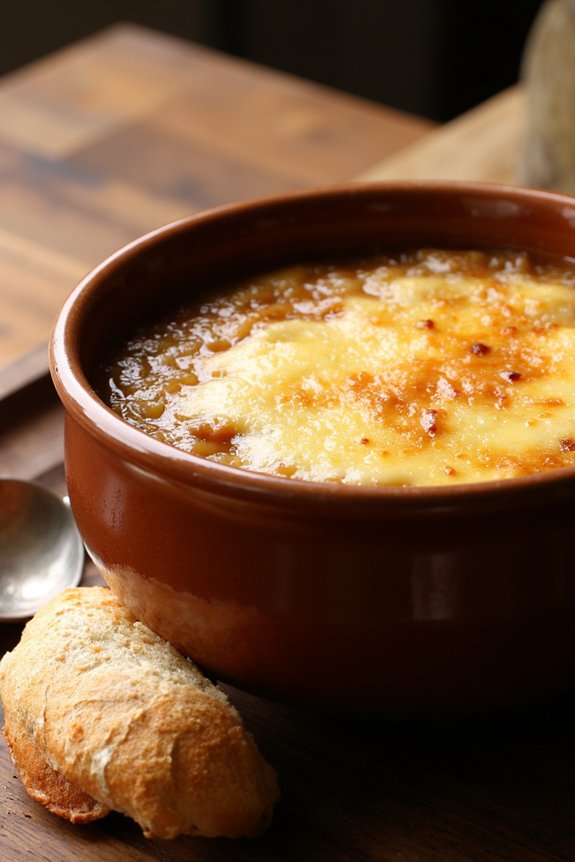
Rustic French Onion Soup is a classic dish that embodies the heart of traditional French cooking. This soup is known for its rich, savory flavor, which comes from slowly caramelized onions, a hearty beef broth, and a touch of wine. Topped with a slice of crusty baguette and a generous layer of melted Gruyère cheese, this soup is the perfect comfort food to warm you up on a chilly evening. The key to this dish is patience, as the onions require time to develop their deep, sweet flavor.
This Rustic French Onion Soup recipe serves 4-6 people and is perfect for a cozy family dinner or as an elegant starter for a dinner party. The ingredients are simple yet effective in creating a complex and satisfying dish. Using high-quality beef broth and good cheese will elevate the flavors even further. The traditional preparation technique guarantees that every spoonful delivers a taste of France, right from your kitchen.
Ingredients:
- 6 large yellow onions, thinly sliced
- 3 tablespoons unsalted butter
- 2 tablespoons olive oil
- 1 teaspoon sugar
- 1 teaspoon salt
- 1/2 teaspoon black pepper
- 4 cups beef broth
- 1 cup dry white wine
- 2 tablespoons all-purpose flour
- 1 bay leaf
- 6 slices of baguette, about 1 inch thick
- 1 1/2 cups grated Gruyère cheese
Instructions:
- Caramelize the Onions:
- In a large pot or Dutch oven, melt the butter with the olive oil over medium heat. Add the sliced onions and stir to coat them in the butter and oil. Sprinkle with sugar, salt, and pepper.
- Cook the onions slowly, stirring frequently, until they’re caramelized and a deep golden brown, about 30-40 minutes. This step is essential for developing the soup’s flavor, so don’t rush it.
- Prepare the Soup Base:
- Once the onions are caramelized, sprinkle them with the flour and stir well to coat. Cook for another 2-3 minutes to eliminate the raw flour taste.
- Add the white wine and scrape up any browned bits from the bottom of the pot. Allow the wine to simmer until it has reduced by half.
- Simmer the Soup:
- Pour in the beef broth and add the bay leaf. Bring the soup to a simmer and cook for another 20-30 minutes to allow the flavors to meld together. Taste and adjust seasoning with more salt or pepper if needed.
- Prepare the Bread and Cheese Topping:
- Preheat your oven to 350°F (175°C). Place the baguette slices on a baking sheet and toast in the oven until they’re crisp and golden, about 10 minutes. Remove from the oven and set aside.
- Assemble the Soup:
- Preheat your broiler. Remove the bay leaf from the soup and ladle the soup into oven-safe bowls. Place a toasted baguette slice on top of each bowl and generously sprinkle with Gruyère cheese.
- Place the bowls under the broiler until the cheese is melted and bubbly, about 3-5 minutes. Keep a close eye on them to prevent burning.
Extra Tips:
For a deeper flavor, you can substitute a portion of the beef broth with chicken broth or vegetable broth. For a slightly different taste, try using a combination of onions, such as red onions or shallots, alongside the yellow onions. If Gruyère cheese is hard to find, Swiss cheese or Emmental can be used as alternatives.
Tender Duck Confit
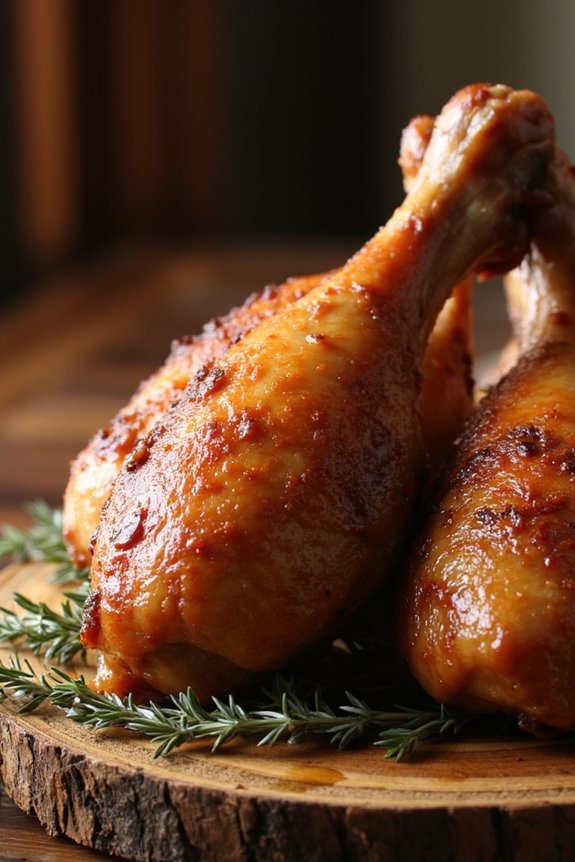
Tender Duck Confit is a classic French dish that embodies the essence of rustic cooking. The process of making duck confit involves slow-cooking duck legs in their own fat, resulting in tender, flavorful meat with a beautifully crisped skin. This traditional preparation method was initially developed as a way to preserve meat before the advent of refrigeration. Today, it remains a beloved recipe due to its rich taste and luxurious texture, perfect for a special dinner party or an indulgent family meal.
The key to a successful duck confit lies in the initial curing process, where the duck legs are marinated with salt, herbs, and spices. This step not only flavors the meat but also draws out moisture, allowing the duck to cook evenly and maintain its succulent juiciness.
Once cured, the duck is slowly cooked in duck fat until tender. The result is a dish that’s simple yet elegant, with a depth of flavor that’s truly unmatched. Serve it with a side of roasted potatoes or a fresh green salad for a complete meal that will transport you to the heart of France.
Ingredients (for 4-6 servings):
- 4 duck legs
- 1/4 cup kosher salt
- 4 cloves garlic, minced
- 1 tablespoon black peppercorns
- 6 sprigs fresh thyme
- 2 bay leaves
- 4 cups duck fat (or enough to submerge duck legs)
- Optional: 1 teaspoon juniper berries
Cooking Instructions:
- Cure the Duck Legs: Rinse the duck legs and pat them dry. In a bowl, mix the kosher salt, minced garlic, black peppercorns, thyme, and bay leaves. If using, add the juniper berries. Rub this mixture evenly over the duck legs, making sure each leg is well coated. Place the seasoned duck in a single layer in a baking dish, cover with plastic wrap, and refrigerate for at least 24 hours, or up to 48 hours for a more intense flavor.
- Prepare for Cooking: After curing, remove the duck legs from the refrigerator and rinse off the seasoning mixture thoroughly under cold water. Pat the duck legs dry with paper towels to remove any excess moisture.
- Cook the Duck Confit: Preheat your oven to 225°F (110°C). In a large oven-safe pot or Dutch oven, melt the duck fat over low heat. Once the fat is melted, add the duck legs, making sure they’re fully submerged in the fat. Cover the pot and transfer it to the preheated oven.
- Slow Cook: Cook the duck legs for 2 1/2 to 3 hours, or until the meat is tender and easily pulls away from the bone. Check occasionally to verify the duck remains submerged in fat, adding more if necessary.
- Crisp the Skin: Once the duck is cooked, carefully remove the legs from the fat and place them skin-side up on a baking sheet. Increase the oven temperature to 400°F (200°C) and roast the duck legs for 15-20 minutes, or until the skin is crispy and golden brown.
- Serve: Remove the duck from the oven and let it rest for a few minutes. Serve hot, accompanied by your choice of side dishes.
Extra Tips: For the best results, plan ahead and allow the duck legs to cure for the full 48 hours. This will enhance the flavor and tenderness of the meat.
If you don’t have access to duck fat, you can substitute with a combination of vegetable oil and butter, though this may alter the traditional flavor slightly. Duck confit can also be prepared in advance; store the cooked legs submerged in fat in an airtight container in the refrigerator for up to a month, allowing you to quickly crisp and serve them at your convenience.
Fluffy Potato Gratin Dauphinois
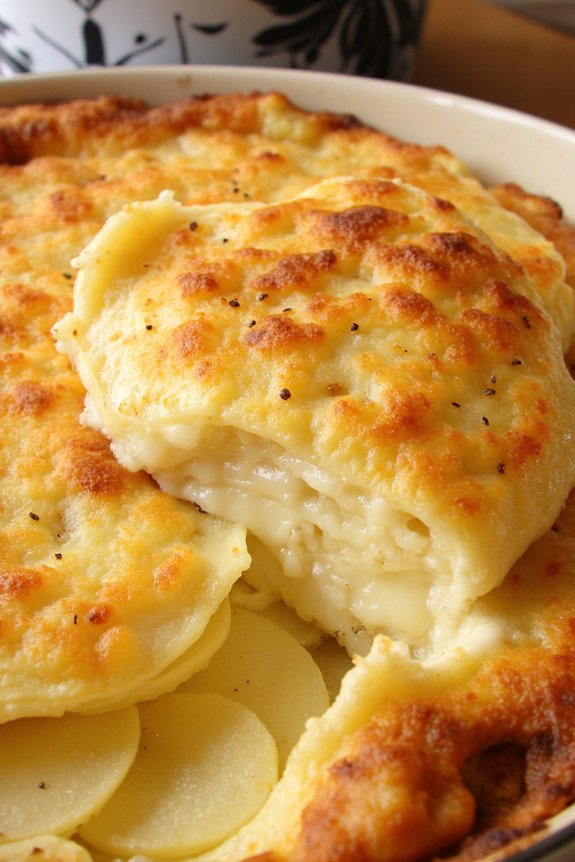
Fluffy Potato Gratin Dauphinois is a classic dish from the Dauphiné region in southeastern France. This creamy, decadent gratin is perfect as a side dish for a variety of meals or can even stand on its own as a comforting main course. The magic of this dish lies in its simplicity, relying on the rich flavors of cream, garlic, and nutmeg to elevate thinly sliced potatoes into a bubbling masterpiece with a golden crust.
The key to achieving the perfect Gratin Dauphinois is patience; allowing the potatoes to slowly absorb the cream and flavors as they bake, resulting in a tender yet fluffy texture that’s utterly irresistible.
This recipe for Fluffy Potato Gratin Dauphinois serves 4-6 people, making it perfect for family gatherings or a cozy dinner with friends. The preparation is straightforward, but attention to detail will guarantee the best results. Make certain to use a high-quality cream and fresh potatoes for the most authentic flavor. The dish pairs beautifully with roasted meats, poultry, or even a simple salad for a lighter meal.
Ingredients:
- 2 pounds (about 900 grams) of waxy potatoes (such as Yukon Gold), peeled
- 2 cups (500 ml) heavy cream
- 1 clove of garlic, halved
- 1/2 teaspoon freshly grated nutmeg
- Salt and freshly ground black pepper to taste
- 2 tablespoons unsalted butter
- 1 cup (100 grams) grated Gruyère cheese
Cooking Instructions:
- Prepare the Baking Dish: Preheat your oven to 350°F (175°C). Rub the inside of a 9×13-inch (or similar size) baking dish with the cut sides of the garlic to impart flavor, then generously butter the dish using the unsalted butter.
- Slice the Potatoes: Thinly slice the peeled potatoes to about 1/8 inch thickness using a mandoline or a sharp knife. Consistent thickness guarantees even cooking and a uniform texture.
- Layer the Potatoes: Arrange a layer of potatoes in the prepared baking dish, slightly overlapping each slice. Season with salt, pepper, and a small sprinkle of nutmeg. Repeat the process, layer by layer, until all potatoes are used.
- Add the Cream: In a saucepan, heat the heavy cream over medium heat just until it begins to simmer. Pour the hot cream evenly over the layered potatoes, allowing it to seep through to the bottom of the dish.
- Add Cheese and Bake: Sprinkle the grated Gruyère cheese over the top layer of potatoes. Cover the dish with aluminum foil and bake in the preheated oven for approximately 45 minutes.
- Finish Baking: After 45 minutes, remove the foil and continue baking for an additional 15-20 minutes, or until the top is golden brown and the potatoes are tender when pierced with a fork.
- Cool and Serve: Let the gratin rest for about 10 minutes before serving. This allows the layers to set slightly, making it easier to cut and serve.
Extra Tips:
For the best results, choose potatoes that are firm and free from blemishes. If you prefer a richer flavor, substitute half of the heavy cream with whole milk to achieve a lighter consistency.
While Gruyère cheese is traditional, you can experiment with other cheeses like Comté or Emmental for a different flavor profile. Always taste the cream mixture before pouring it over the potatoes to confirm the seasoning is to your liking.
Finally, if you find the gratin browning too quickly, cover it with foil and reduce the oven temperature slightly to allow the potatoes to cook through without burning the top.
Traditional Bouillabaisse
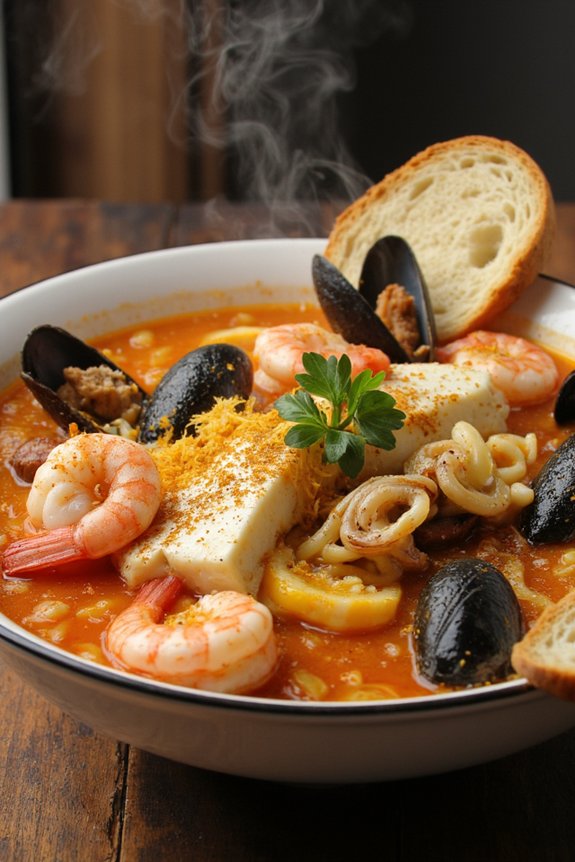
Bouillabaisse is a classic Provençal fish stew originating from the port city of Marseille, France. Known for its rich flavors and aromatic herbs, bouillabaisse brings together a variety of seafood simmered in a broth infused with garlic, saffron, and orange zest. Traditionally, this dish was made by local fishermen using the bony rockfish that they were unable to sell to markets or restaurants. Over time, bouillabaisse has evolved into a luxurious seafood medley that’s celebrated both in France and around the world.
The key to a perfect bouillabaisse is the freshness of the seafood and the complexity of the broth. This dish is best enjoyed with a variety of seafood such as mussels, clams, shrimp, and various types of fish. The broth is typically made with an assortment of Mediterranean herbs and spices that contribute to its unique taste. Served with a side of crusty bread and a dollop of rouille, a saffron-infused garlic mayonnaise, bouillabaisse is a hearty meal that warms the soul.
Ingredients (Serving Size: 4-6 People):
- 2 tablespoons olive oil
- 1 large onion, finely chopped
- 2 leeks, white and light green parts only, sliced
- 3 cloves garlic, minced
- 1 teaspoon fennel seeds
- 2 large tomatoes, chopped
- 1 strip orange zest
- 1 pinch saffron threads
- 1 bay leaf
- 1 teaspoon dried thyme
- 1/2 teaspoon dried basil
- 1/2 teaspoon dried oregano
- Salt and freshly ground black pepper to taste
- 6 cups fish stock
- 1 cup dry white wine
- 1 pound white fish fillets (such as cod or haddock), cut into chunks
- 1 pound mussels, cleaned and debearded
- 1 pound clams, cleaned
- 1/2 pound shrimp, peeled and deveined
- 1/2 pound squid, cleaned and cut into rings
- Fresh parsley, chopped, for garnish
- Crusty bread, for serving
Cooking Instructions:
- Prepare the Base: In a large pot or Dutch oven, heat the olive oil over medium heat. Add the chopped onion and sliced leeks, cooking until they become soft and translucent, about 5 minutes. Stir in the minced garlic and fennel seeds, cooking for an additional minute until fragrant.
- Build the Broth: Add the chopped tomatoes, orange zest, saffron, bay leaf, thyme, basil, oregano, salt, and pepper to the pot. Stir well to combine and cook for 5 minutes until the tomatoes start to break down.
- Simmer the Stock: Pour in the fish stock and white wine, bringing the mixture to a boil. Reduce the heat to low and let it simmer uncovered for 30 minutes. This allows the flavors to meld together beautifully.
- Add the Seafood: Increase the heat slightly and add the chunks of white fish to the simmering broth. Cook for about 5 minutes, then add the mussels, clams, shrimp, and squid. Cover the pot and cook for another 5-7 minutes, or until the mussels and clams have opened and the shrimp are pink and opaque.
- Finish and Serve: Discard any mussels or clams that don’t open. Taste the broth and adjust the seasoning if necessary. Ladle the bouillabaisse into large bowls, garnish with freshly chopped parsley, and serve hot with slices of crusty bread and a side of rouille.
Extra Tips:
For the best bouillabaisse experience, verify that all seafood is as fresh as possible; visit a local fishmonger for the highest quality options. If saffron is unavailable or too costly, a pinch of turmeric can be used as an alternative for color, though the flavor won’t be quite the same.
To enhance the flavor even more, prepare the broth a day in advance, allowing it to sit overnight for richer taste. Finally, don’t forget the crusty bread—it’s essential for soaking up the flavorful broth and makes for a truly authentic dining experience.
Homemade Baguette
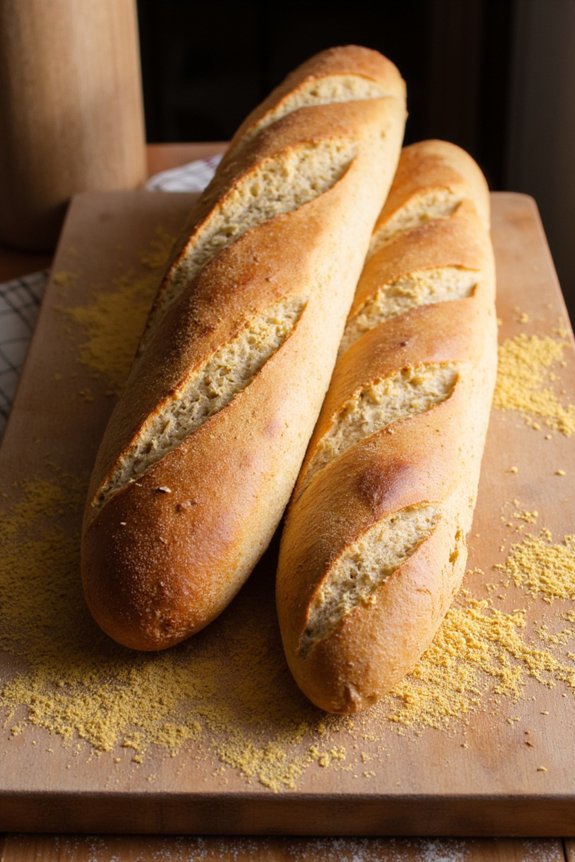
Creating a rustic homemade baguette is a rewarding culinary venture that brings a taste of France right into your kitchen. Characterized by its crisp, golden crust and soft, airy interior, the baguette is a staple in French cuisine and is surprisingly simple to make at home with just a few basic ingredients.
This recipe provides a detailed guide for crafting baguettes that are perfect for sandwiches, serving alongside soups, or simply enjoying with butter and jam. The process of making homemade baguettes involves creating a simple dough, allowing it to rise, and then shaping and baking it to perfection.
The key to a successful baguette is patience, as the dough requires time to ferment and develop its characteristic flavor and texture. The following recipe yields 4-6 baguettes, ideal for a family gathering or to have some leftovers for the week.
Ingredients for 4-6 Baguettes:
- 4 cups all-purpose flour
- 1 ½ teaspoons salt
- 1 ½ cups warm water (about 110°F)
- 1 packet (2 ¼ teaspoons) active dry yeast
- 1 teaspoon sugar
- Cornmeal for dusting
Cooking Instructions:
- Prepare the Yeast: In a small bowl, combine warm water and sugar, then sprinkle the yeast over the top. Let it sit for about 5 minutes until it becomes foamy. This indicates that the yeast is active.
- Make the Dough: In a large mixing bowl, combine flour and salt. Pour in the yeast mixture and stir until a dough begins to form. Transfer the dough to a floured surface and knead for about 10 minutes until smooth and elastic.
- First Rise: Place the dough in a lightly oiled bowl, cover it with a damp cloth, and let it rise in a warm place until doubled in size, approximately 1 hour.
- Shape the Baguettes: Once risen, punch down the dough to release air. Divide the dough into 4-6 equal pieces. Roll each piece into a long baguette shape, about 12-14 inches in length. Place them on a baking sheet lined with parchment paper and sprinkled with cornmeal.
- Second Rise: Cover the shaped baguettes with a damp cloth and let them rise again for about 30 minutes.
- Preheat the Oven: While the baguettes are rising, preheat your oven to 450°F (230°C). Place a shallow pan of water on the bottom rack to create steam, which helps in forming a crisp crust.
- Score and Bake: Once risen, use a sharp knife to make several diagonal slashes along the top of each baguette. This allows the bread to expand properly during baking. Bake in the preheated oven for about 20-25 minutes or until the baguettes are golden brown and sound hollow when tapped on the bottom.
- Cool: Remove the baguettes from the oven and let them cool on a wire rack for at least 10 minutes before serving.
Extra Tips:
For an even crisper crust, you can spray the baguettes with water before placing them in the oven. Additionally, if you prefer a slightly chewier texture, consider using bread flour instead of all-purpose flour, as it contains more gluten.
Remember to verify that your yeast is fresh and active; otherwise, the dough won’t rise properly. Enjoy your homemade baguettes warm with your favorite spreads or as a delightful accompaniment to any meal.
Creamy Chicken Fricassée

Creamy Chicken Fricassée is a classic French dish that combines tender pieces of chicken with a rich and velvety sauce, creating a comforting and elegant meal. This rustic recipe is perfect for a cozy dinner at home, bringing a touch of French countryside cuisine to your table.
The word “fricassée” refers to a method of cooking meat in which it’s first sautéed and then simmered in a flavorful sauce. In this recipe, chicken is lightly browned and then gently cooked in a creamy mixture infused with aromatic herbs and a hint of lemon, resulting in a dish that’s both hearty and refined.
Ideal for serving 4-6 people, Creamy Chicken Fricassée is best accompanied by crusty bread or fluffy rice to soak up the delicious sauce. This dish is a beautiful representation of the balance of flavors and textures that’s a hallmark of French cooking. It’s a true reflection of the fact that simple, quality ingredients can come together to create something truly special.
Ingredients:
- 4-6 chicken thighs, bone-in and skin-on
- 2 tablespoons olive oil
- 1 tablespoon unsalted butter
- 1 large onion, finely chopped
- 2 cloves garlic, minced
- 1 cup white mushrooms, sliced
- 1/4 cup all-purpose flour
- 1/2 cup dry white wine
- 2 cups chicken stock
- 1 cup heavy cream
- 1 bay leaf
- 1 teaspoon fresh thyme leaves
- Salt and pepper, to taste
- Juice of half a lemon
- Chopped fresh parsley, for garnish
Instructions:
- Prepare the Chicken: Pat the chicken thighs dry with paper towels and season them generously with salt and pepper on both sides.
- Brown the Chicken: In a large, heavy-bottomed skillet or Dutch oven, heat the olive oil and butter over medium-high heat. Add the chicken thighs, skin-side down, and cook until the skin is golden brown and crispy, about 5 minutes. Flip the chicken and cook for another 3 minutes. Transfer the chicken to a plate and set aside.
- Sauté the Aromatics: In the same skillet, add the chopped onion and sauté until translucent, about 3 minutes. Add the garlic and mushrooms, continuing to cook until the mushrooms are tender, about 5 minutes.
- Create the Sauce Base: Sprinkle the flour over the onion and mushroom mixture, stirring well to coat. Cook for 1-2 minutes to remove the raw flour taste.
- Deglaze the Pan: Pour in the white wine, scraping up any brown bits from the bottom of the pan. Allow the wine to reduce by half, then stir in the chicken stock.
- Simmer the Chicken: Return the chicken thighs to the skillet, skin-side up. Add the bay leaf and thyme. Cover and simmer over low heat for 25-30 minutes, or until the chicken is cooked through and tender.
- Finish the Sauce: Remove the chicken from the skillet and discard the bay leaf. Stir in the heavy cream and lemon juice, simmering until the sauce is thickened to your liking. Adjust seasoning with salt and pepper if necessary.
- Serve: Return the chicken to the skillet to warm through. Garnish with chopped parsley before serving.
Tips:
To confirm a perfectly creamy sauce, make sure to gradually add the heavy cream while stirring continuously to prevent curdling. If you prefer a thicker sauce, allow it to reduce further by simmering it uncovered after adding the cream.
For an extra depth of flavor, consider marinating the chicken in a bit of white wine and herbs for a few hours before cooking. This dish pairs beautifully with a side of steamed vegetables or a light green salad to balance the richness of the sauce.
Enjoy your Creamy Chicken Fricassée with a glass of the same white wine used in the recipe for a harmonious dining experience.
Succulent Lamb Navarin
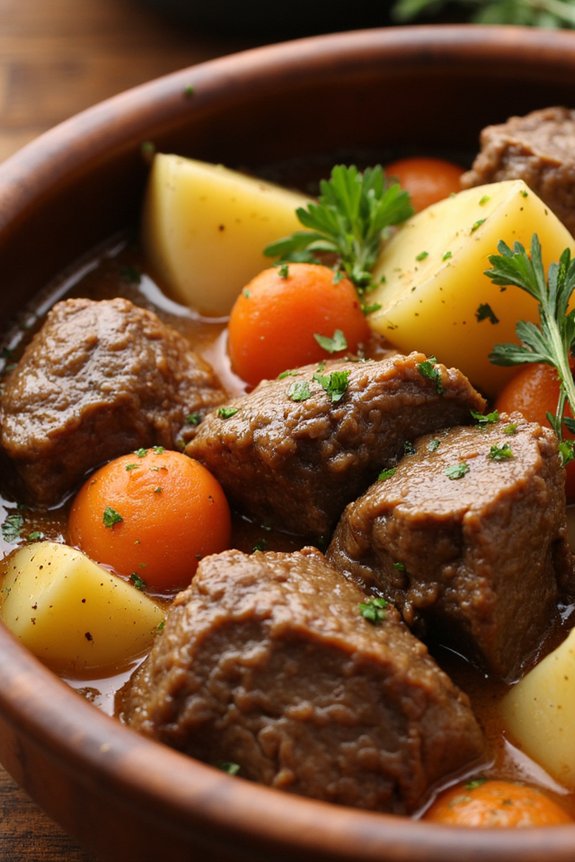
Succulent Lamb Navarin is a classic rustic French dish that embodies the tradition of hearty, slow-cooked stews. Named after the French word for turnip, “navet,” this dish is a culinary delight that features tender lamb pieces simmered with fresh vegetables and herbs in a rich, flavorful broth.
Perfect for a cozy family dinner or a special gathering, this dish is certain to impress with its depth of flavor and comforting warmth. This version of Lamb Navarin serves 4-6 people and is a wonderful way to bring the tastes of the French countryside to your table.
The key to this dish is in the slow cooking, allowing the lamb to absorb the aromatic flavors from the herbs and vegetables. With patience and attention to detail, you can create a meal that’s both satisfying and elegant, capturing the essence of rustic French cuisine.
Ingredients:
- 2 lbs (900g) lamb shoulder, cut into 1.5-inch cubes
- 2 tablespoons olive oil
- 1 large onion, chopped
- 3 cloves garlic, minced
- 2 tablespoons tomato paste
- 1 cup (240ml) red wine
- 4 cups (960ml) beef or lamb stock
- 3 sprigs fresh thyme
- 2 bay leaves
- 4 large carrots, peeled and cut into large chunks
- 4 turnips, peeled and cut into large chunks
- 12 small new potatoes, scrubbed
- Salt and freshly ground black pepper to taste
- 1 tablespoon fresh parsley, chopped (optional for garnish)
Cooking Instructions:
- Prepare the Lamb: Start by patting the lamb pieces dry with a paper towel, which will help them brown better. Season the lamb generously with salt and pepper.
- Brown the Lamb: In a large, heavy-bottomed pot or Dutch oven, heat the olive oil over medium-high heat. Add the lamb pieces in batches (to avoid overcrowding the pan) and brown them on all sides. This should take about 8-10 minutes per batch. Remove the browned lamb and set it aside.
- Sauté Vegetables: In the same pot, add the chopped onion and garlic. Sauté until the onion becomes translucent, about 5 minutes.
- Deglaze and Build Flavor: Stir in the tomato paste, cooking it for about 2 minutes to enhance its sweetness. Pour in the red wine, scraping the bottom of the pot with a wooden spoon to lift the browned bits. Let the wine simmer and reduce slightly for about 5 minutes.
- Simmer the Stew: Return the browned lamb to the pot. Add the beef or lamb stock, thyme sprigs, and bay leaves. Bring the mixture to a simmer, cover, and reduce the heat to low. Let it cook gently for about 1 hour.
- Add Vegetables: After an hour, add the carrots, turnips, and potatoes to the pot. Guarantee that the vegetables are submerged in the liquid. Cover the pot again and continue to simmer for another 45 minutes to 1 hour, or until the lamb and vegetables are tender.
- Finish the Stew: Taste and adjust seasoning with more salt and pepper if needed. Remove the thyme sprigs and bay leaves before serving.
- Serve: Ladle the Lamb Navarin into bowls, garnish with fresh parsley if desired, and serve hot with crusty bread or a side of your choice.
Extra Tips:
For the best flavor, try to use a good quality red wine that you’d enjoy drinking, as its flavors will intensify during cooking.
If you have time, preparing this dish a day in advance and letting it sit overnight can enhance the depth of flavor, as the ingredients have more time to meld together.
When reheating, gently warm it over low heat to maintain the tenderness of the lamb. This dish pairs beautifully with a simple green salad or a side of rice to soak up the delicious broth.
Rustic Tarte Tatin
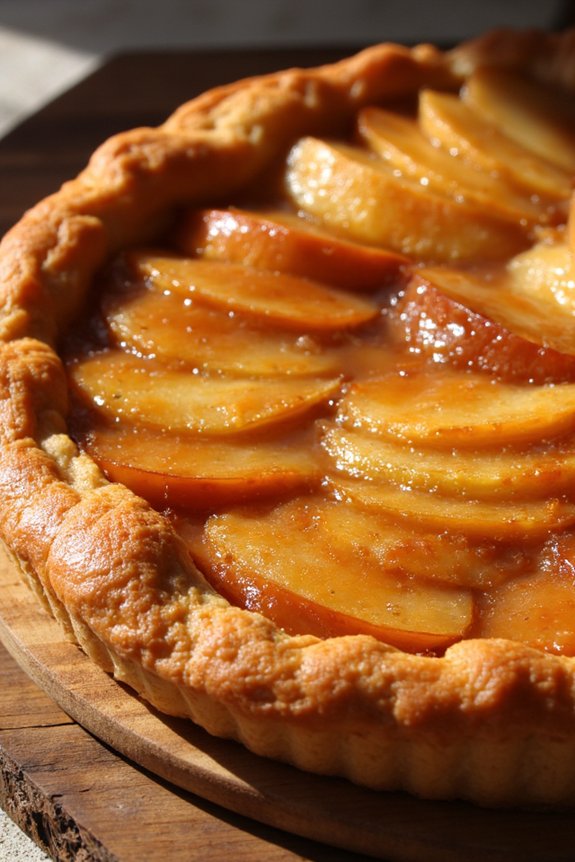
Rustic Tarte Tatin is a classic French dessert that perfectly encapsulates the essence of rustic French cooking. This upside-down caramelized apple tart originated from the Tatin sisters‘ hotel in the 1880s and has since become a beloved dessert worldwide.
The magic of Tarte Tatin lies in its simplicity — the combination of buttery pastry, sweet caramel, and tender apples creates a symphony of flavors and textures. It’s an ideal dessert for those who appreciate the elegance of French cuisine with a touch of rustic charm.
To make this delightful dessert, you’ll start by caramelizing sugar and butter in a skillet, then arranging the apples in the caramel before covering them with pastry. The tart is then baked to golden perfection, allowing the flavors to meld together beautifully. The final step involves inverting the tart onto a plate, revealing a glistening layer of caramelized apples.
Serve this masterpiece warm with a dollop of cream or a scoop of vanilla ice cream for an indulgent treat that will transport you straight to the French countryside.
Ingredients (Serves 4-6)
- 6 to 8 medium-sized apples (such as Granny Smith or Golden Delicious)
- 1 cup granulated sugar
- 1/2 cup unsalted butter
- 1 sheet of puff pastry (store-bought or homemade), thawed if frozen
- 1 teaspoon vanilla extract
- 1 teaspoon ground cinnamon (optional)
- A pinch of salt
- Flour for dusting
Cooking Instructions
- Prepare the Apples: Peel, core, and quarter the apples. Set them aside while you prepare the caramel.
- Make the Caramel: In a heavy oven-proof skillet (approximately 10 inches in diameter), melt the butter over medium heat. Add the sugar and stir continuously until it dissolves and turns a rich amber color, creating a caramel. This should take about 8-10 minutes. Be careful not to burn the sugar.
- Arrange the Apples: Once the caramel is ready, remove the skillet from the heat. Carefully arrange the apple quarters in a circular pattern over the caramel, packing them tightly as they’ll shrink during cooking. Sprinkle the vanilla extract, cinnamon, and a pinch of salt over the apples.
- Cook the Apples: Return the skillet to the stove over medium heat. Allow the apples to cook in the caramel for about 10-15 minutes, until they begin to soften.
- Prepare the Pastry: Roll out the puff pastry on a lightly floured surface to make sure it fits over the skillet. Carefully place the pastry over the apples, tucking the edges down inside the skillet to encase the apples.
- Bake the Tart: Preheat your oven to 375°F (190°C). Place the skillet in the oven and bake for 25-30 minutes, or until the puff pastry is golden brown and puffed.
- Invert the Tart: Once baked, remove the skillet from the oven and let it cool for about 5 minutes. Carefully invert the tart onto a serving plate by placing the plate over the skillet and flipping it quickly but carefully.
- Serve: Serve the Tarte Tatin warm, with a dollop of whipped cream or a scoop of vanilla ice cream.
Extra Tips
When making Tarte Tatin, it’s important to choose apples that hold their shape well during cooking, such as Granny Smith or Honeycrisp.
Be cautious when handling the hot caramel, as it can cause burns if it splatters. If you’re using a store-bought puff pastry, make sure it’s completely thawed before use to avoid tearing when rolling.
Finally, letting the tart cool slightly before inverting helps the caramel set, making certain the apples remain in place when you flip the tart. Enjoy the delightful combination of flavors and textures in this rustic French classic!
Decadent Chocolate Soufflé
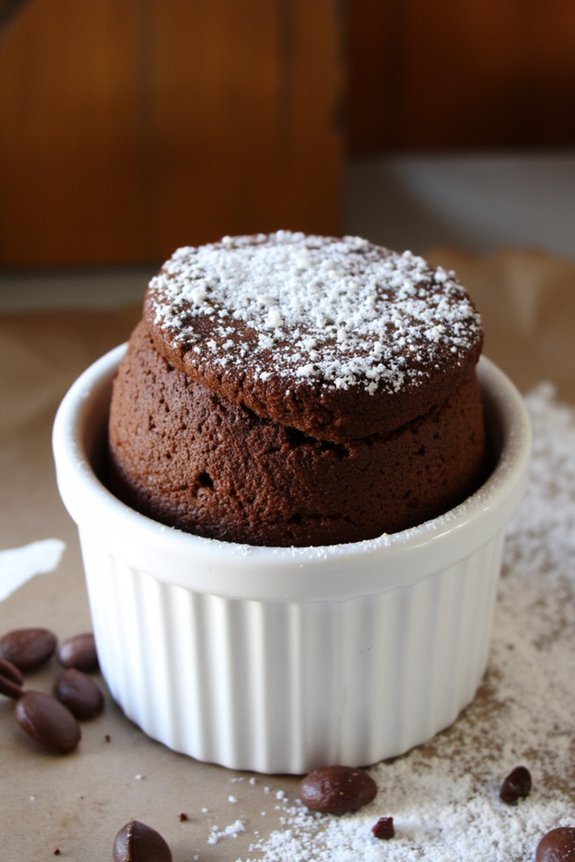
Indulge in the timeless elegance of a Rustic French Dessert with this Decadent Chocolate Soufflé. A perfect blend of rich chocolate and airy texture, this dessert is sure to impress both family and guests alike.
Originating from the heart of France, the soufflé is famed for its light and fluffy consistency, which creates a delightful experience with every spoonful. Whether you’re celebrating a special occasion or simply want to treat yourself, this chocolate soufflé brings a touch of sophistication to your table.
Creating the perfect soufflé requires attention to detail and a bit of patience, but the end result is undeniably rewarding. The soufflé rises beautifully in the oven, forming a delicate crust that conceals a soft, almost molten interior.
To achieve this, you’ll need to master the art of combining whipped egg whites with a rich chocolate base. The soufflé should be served immediately from the oven to maintain its impressive height and delicate texture. Follow this recipe to serve 4-6 people and enjoy a truly decadent experience.
Ingredients:
- 200g good-quality dark chocolate, roughly chopped
- 6 large eggs, separated
- 75g granulated sugar
- 1 teaspoon vanilla extract
- A pinch of salt
- Butter, for greasing ramekins
- Extra granulated sugar, for dusting ramekins
- Icing sugar, for dusting (optional)
Instructions:
- Prepare the Ramekins: Preheat your oven to 375°F (190°C). Butter six 8-ounce ramekins generously and dust the insides with granulated sugar to guarantee an even coating. This helps the soufflé rise properly.
- Melt the Chocolate: Place the chopped chocolate in a heatproof bowl set over a pan of simmering water (double boiler). Stir until completely melted and smooth. Remove from heat and let it cool slightly.
- Prepare the Base: In a large mixing bowl, whisk together the egg yolks, 50g of sugar, and vanilla extract until the mixture is pale and slightly thickened. Stir in the melted chocolate, ensuring it’s well combined.
- Whip the Egg Whites: In a separate clean bowl, add the egg whites and a pinch of salt. Using an electric mixer, beat the egg whites until soft peaks form. Gradually add the remaining 25g of sugar and continue beating until the peaks are stiff and glossy.
- Combine Mixtures: Gently fold one-third of the egg whites into the chocolate mixture to lighten it. Carefully fold in the remaining egg whites until just combined, taking care not to deflate the mixture.
- Fill the Ramekins: Spoon the soufflé mixture into the prepared ramekins, filling them to the top. Smooth the surface with a spatula and run your thumb around the inside edge of each ramekin to help the soufflé rise evenly.
- Bake: Place the ramekins on a baking sheet and bake in the preheated oven for 12-15 minutes, or until the soufflés have risen and the tops are set but still jiggle slightly in the center.
- Serve Immediately: Once done, remove the soufflés from the oven, dust with icing sugar (if desired), and serve immediately to enjoy their full height and texture.
Extra Tips:
To guarantee success, use room-temperature eggs, as they whip up better and incorporate more air.
Be cautious when folding the egg whites into the chocolate mixture to keep as much air as possible in the batter, which is essential for a well-risen soufflé.
If you’re serving soufflés to guests, consider preparing the mixture ahead of time, filling the ramekins, and refrigerating them until you’re ready to bake. Simply add a couple of extra minutes to the baking time if starting from cold.
Classic Crêpes Suzette

Classic Crêpes Suzette is a quintessentially French dessert that combines delicate, paper-thin crêpes with a decadent orange-infused sauce. The origins of Crêpes Suzette are steeped in legend, with one story attributing its creation to a serendipitous accident at the Café de Paris in Monte Carlo, where a young assistant chef inadvertently set a sauce ablaze, resulting in a deliciously caramelized treat.
Regardless of its origins, this dish has become a beloved classic, celebrated for its perfect balance of flavors and its dramatic flambé presentation.
The secret to perfect crêpes lies in their thin, light texture, which is achieved by letting the batter rest before cooking. The sauce, a harmonious blend of butter, sugar, orange juice, and zest, is enriched with the depth of Grand Marnier or Cointreau, and is flambéed to create an exquisite, caramelized finish that coats the crêpes in a glossy glaze.
This dish, ideal for entertaining, is best served immediately after flambéing, allowing guests to enjoy the spectacle and savor the harmonious blend of flavors.
Ingredients (serves 4-6):
For the Crêpes:
- 1 cup all-purpose flour
- 2 tablespoons granulated sugar
- 1/4 teaspoon salt
- 3 large eggs
- 1 1/2 cups whole milk
- 2 tablespoons unsalted butter, melted
- 1 teaspoon vanilla extract
For the Suzette Sauce:
- 1/2 cup unsalted butter
- 1/2 cup granulated sugar
- Zest of 1 orange
- 1/2 cup freshly squeezed orange juice
- 1/4 cup Grand Marnier or Cointreau
- Orange segments for garnish (optional)
Cooking Instructions:
- Prepare the Crêpe Batter: In a large mixing bowl, whisk together the flour, sugar, and salt. In a separate bowl, beat the eggs, then gradually add the milk, melted butter, and vanilla extract. Slowly pour the wet ingredients into the dry ingredients, whisking continuously until smooth. Let the batter rest for at least 30 minutes to guarantee a light and airy texture.
- Cook the Crêpes: Heat a non-stick skillet over medium heat and lightly grease it with butter. Pour about 1/4 cup of batter into the skillet, swirling it to coat the bottom evenly. Cook for about 1-2 minutes until the edges start to lift and the bottom is golden brown. Flip the crêpe and cook for another 1 minute. Transfer to a plate and repeat with the remaining batter.
- Make the Suzette Sauce: In a large skillet, melt the butter over medium heat. Add the sugar and orange zest, stirring until the sugar dissolves. Pour in the orange juice and let it simmer for about 2-3 minutes until slightly thickened.
- Flambé the Sauce: Carefully add the Grand Marnier or Cointreau to the skillet. Using a long lighter or match, ignite the alcohol to flambé the sauce. Allow the flames to subside naturally as the alcohol burns off, leaving a rich, flavored sauce.
- Serve the Crêpes Suzette: Fold each crêpe into quarters and add them to the skillet, gently coating them in the sauce. Allow them to heat through for about 1 minute. Serve immediately, garnished with orange segments if desired.
Extra Tips: For an even more refined flavor, consider using high-quality butter and freshly squeezed orange juice. Allowing the crêpe batter to rest is vital for the best texture, as it helps the gluten relax and results in tender crêpes.
When flambéing, confirm there are no flammable objects nearby and use caution as the flames can rise quickly. If you’re serving the dish to young children or anyone who might be sensitive to alcohol, make sure all the alcohol has burned off before serving.
