

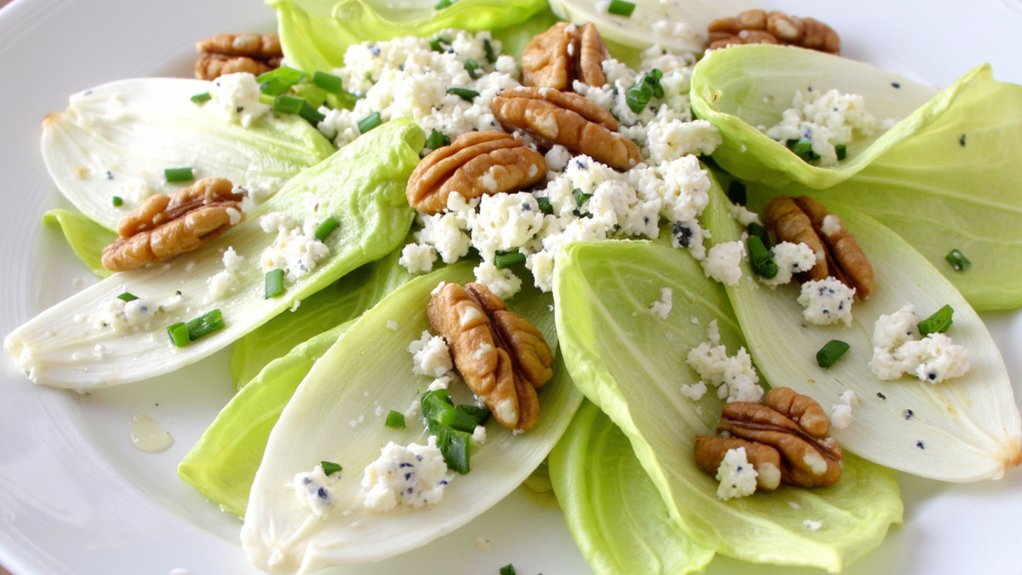
French cuisine has a special way of bringing a touch of elegance to any meal, especially lunch. From the rich flavors of a Quiche Lorraine to the fresh zest of a Niçoise Salad, there’s something for everyone. Think of a classic Croque Monsieur or a comforting bowl of French Onion Soup. These dishes promise a delightful dining experience. Ready to explore these chic French lunch recipes?
Classic Quiche Lorraine

Quiche Lorraine is a quintessential French dish known for its rich, creamy filling and flaky crust. Originating from the Lorraine region in France, this savory pie is perfect for lunch or a light dinner. Traditionally, Quiche Lorraine is filled with a custard made from eggs, cream, and bits of crispy bacon, all encased in a buttery pastry shell.
Over the years, variations have emerged, but the classic recipe remains beloved for its simplicity and flavor. This recipe for Classic Quiche Lorraine serves 4-6 people and is a delightful addition to any meal. It’s perfect for entertaining guests or enjoying a quiet afternoon at home. The combination of creamy, savory filling and the flaky crust creates a harmonious balance of textures and flavors sure to satisfy any palate.
With just a few simple ingredients, you can create this elegant dish that captures the essence of French cuisine.
Ingredients (Serves 4-6):
- 1 pie crust (store-bought or homemade)
- 6 slices of bacon
- 1 cup of Gruyère cheese, grated
- 3 large eggs
- 1 1/2 cups of heavy cream
- 1/4 teaspoon of nutmeg
- Salt and pepper to taste
Cooking Instructions:
- Prepare the Crust: Preheat your oven to 375°F (190°C). Roll out the pie crust and fit it into a 9-inch pie or tart pan. Trim the excess dough from the edges. Prick the bottom with a fork to prevent bubbling.
- Blind Bake the Crust: Line the crust with parchment paper and fill it with pie weights or dried beans. Bake in the preheated oven for 10-15 minutes. Remove the weights and parchment paper and bake for another 5 minutes until the crust is lightly golden. Remove from the oven and set aside to cool.
- Cook the Bacon: While the crust is baking, cut the bacon into small pieces and cook in a skillet over medium heat until crispy. Remove the bacon with a slotted spoon and drain on paper towels.
- Prepare the Filling: In a medium bowl, whisk together the eggs and heavy cream until well combined. Season with nutmeg, salt, and pepper. Stir in the cooked bacon and grated Gruyère cheese.
- Assemble the Quiche: Pour the filling mixture into the pre-baked crust, spreading it evenly. Make sure the bacon and cheese are well distributed throughout the filling.
- Bake the Quiche: Place the quiche in the preheated oven and bake for 30-35 minutes, or until the filling is set and the top is golden brown. A knife inserted into the center should come out clean.
- Cool and Serve: Allow the quiche to cool for at least 10 minutes before slicing. Serve warm or at room temperature.
Extra Tips:
For a perfectly baked quiche, verify that the crust is thoroughly pre-baked to prevent it from becoming soggy once the filling is added. If you’re using pre-cooked bacon, reduce the cooking time to avoid overcooking.
Feel free to experiment with additional ingredients like sautéed onions, mushrooms, or spinach to customize your quiche. Finally, letting the quiche cool slightly before serving helps the flavors meld and makes for cleaner slices. Enjoy your Classic Quiche Lorraine with a fresh green salad or a light soup for a complete French-inspired meal.
Ratatouille Tart
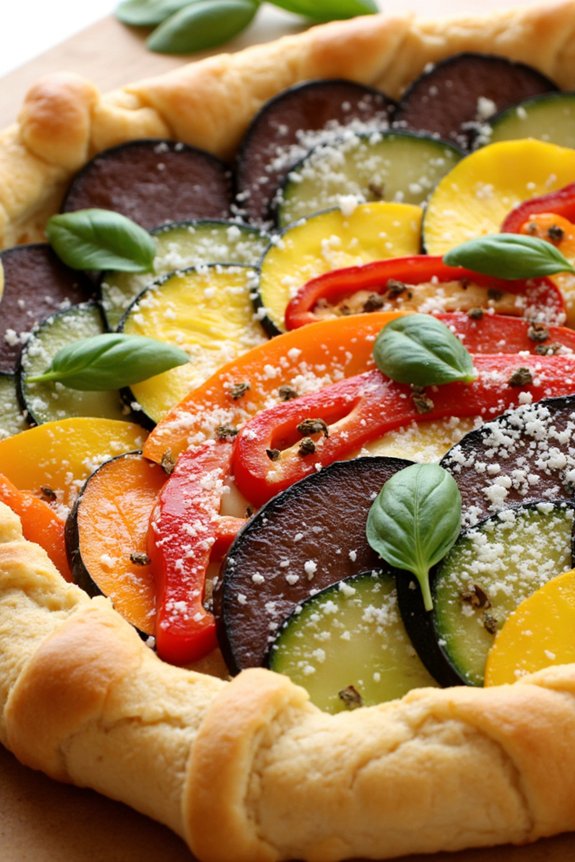
Indulge in a French culinary delight with this Ratatouille Tart, a beautiful and savory dish that combines the rustic charm of a traditional ratatouille with the elegance of a tart. This recipe brings together the vibrant flavors of fresh vegetables layered on a crisp pastry crust, making it an exquisite centerpiece for any lunch gathering.
The Ratatouille Tart isn’t only a feast for the eyes with its colorful array of vegetables but also a treat for the palate with its harmonious blend of summer squash, zucchini, eggplant, and bell peppers.
Perfect for serving 4-6 people, this tart is a versatile dish that can be enjoyed as a light main course or a delightful side. The Ratatouille Tart celebrates the essence of French cuisine by emphasizing fresh, high-quality ingredients and a simple yet sophisticated preparation.
Whether you’re hosting an elegant luncheon or simply wish to elevate your everyday lunch, this Ratatouille Tart is sure to captivate.
Ingredients (Serves 4-6):
- 1 sheet of puff pastry
- 1 tablespoon olive oil
- 1 small eggplant, thinly sliced
- 1 zucchini, thinly sliced
- 1 yellow squash, thinly sliced
- 1 red bell pepper, thinly sliced
- 1 yellow bell pepper, thinly sliced
- 2-3 ripe tomatoes, thinly sliced
- 1/2 cup ricotta cheese
- 1/4 cup grated Parmesan cheese
- 2 cloves garlic, minced
- 1 teaspoon fresh thyme leaves
- Salt and pepper to taste
- 1 egg, beaten (for egg wash)
- Fresh basil leaves for garnish
Instructions:
- Prepare the Pastry Base: Preheat your oven to 400°F (200°C). Roll out the puff pastry on a lightly floured surface to fit a tart pan or baking sheet. Place the pastry in the pan, trimming any excess edges, and prick the base with a fork to prevent it from puffing up during baking.
- Pre-cook the Vegetables: In a large skillet, heat the olive oil over medium heat. Add the sliced eggplant, zucchini, yellow squash, and bell peppers. Sauté for about 5-7 minutes until the vegetables are just tender. Season with salt and pepper, then set aside to cool slightly.
- Assemble the Tart: Spread the ricotta cheese evenly over the base of the puff pastry. Arrange the sautéed vegetables and sliced tomatoes in an overlapping pattern over the ricotta layer. Sprinkle the minced garlic, fresh thyme leaves, and grated Parmesan cheese over the vegetables.
- Bake the Tart: Brush the edges of the pastry with the beaten egg to give it a beautiful golden color when baked. Place the tart in the preheated oven and bake for 25-30 minutes, or until the pastry is golden and crisp, and the vegetables are tender.
- Serve and Garnish: Once baked, remove the tart from the oven and let it cool slightly before slicing. Garnish with fresh basil leaves before serving warm or at room temperature.
Extra Tips:
To guarantee the vegetables cook evenly and don’t release too much moisture into the tart, make sure to slice them uniformly thin and pre-cook them until just tender. This prevents the pastry from becoming soggy.
Also, feel free to experiment with other herbs such as rosemary or oregano for a different flavor profile. If you prefer a richer flavor, you can also add a layer of shredded mozzarella cheese beneath the vegetables.
Enjoy your Ratatouille Tart with a side salad or a glass of white wine for a complete French lunch experience.
Niçoise Salad
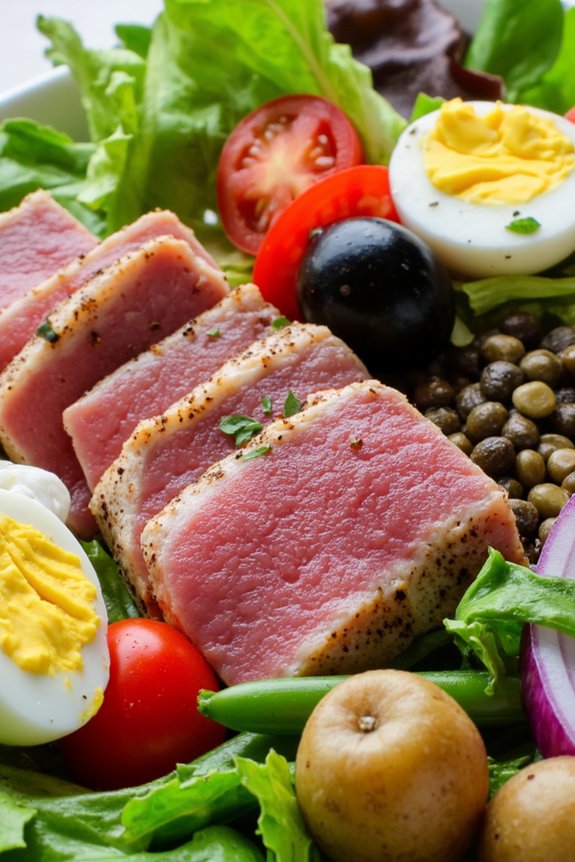
Niçoise Salad is a classic French dish that originates from the region of Provence, particularly the city of Nice. This vibrant salad is a medley of fresh vegetables, protein-rich tuna, and hard-boiled eggs, all dressed in a tangy vinaigrette. It’s a perfect representation of Mediterranean cuisine, offering a balance of flavors and textures that’s both satisfying and healthy.
Traditionally, the salad includes ingredients such as tomatoes, green beans, olives, and potatoes, making it a hearty option for lunch or a light dinner.
Crafting an authentic Niçoise Salad requires attention to detail in both preparation and presentation. The ingredients are typically arranged artfully on a platter or in a large bowl, allowing each component to shine. While the salad can be customized to personal tastes, sticking to the classic ingredients will produce the best results. This recipe serves 4-6 people and showcases the best of what this beloved French salad has to offer.
Ingredients for Niçoise Salad (serving size: 4-6):
- 12 ounces of fresh tuna steak
- 1 pound small new potatoes
- 8 ounces green beans, trimmed
- 4 large eggs
- 2 cups cherry tomatoes, halved
- 1/2 cup Niçoise olives or Kalamata olives
- 1 small red onion, thinly sliced
- 4 cups mixed salad greens
- 2 tablespoons capers
- 1/3 cup extra-virgin olive oil
- 3 tablespoons red wine vinegar
- 1 tablespoon Dijon mustard
- 1 clove garlic, minced
- Salt and freshly ground black pepper to taste
- Fresh parsley, chopped (optional, for garnish)
Cooking Instructions:
- Prepare the Tuna: Season the tuna steak with salt and pepper on both sides. Heat a grill or skillet over medium-high heat and lightly coat it with olive oil. Sear the tuna for about 2-3 minutes on each side until it’s cooked to your liking (medium-rare is traditional). Remove from heat and let it rest before slicing into thin strips.
- Cook the Potatoes: Place the potatoes in a large pot of salted water. Bring to a boil and cook until tender, about 15 minutes. Drain and let cool slightly before slicing them into halves or quarters, depending on their size.
- Blanch the Green Beans: In the same pot, bring another batch of salted water to a boil. Add the green beans and cook for about 3-4 minutes until they’re bright green and tender-crisp. Immediately transfer them to a bowl of ice water to stop cooking and maintain their color. Drain and set aside.
- Boil the Eggs: Place the eggs in a saucepan and cover them with water. Bring to a boil, then reduce the heat to a simmer and cook for 8-10 minutes. Transfer the eggs to a bowl of ice water to cool. Once cooled, peel and quarter the eggs.
- Make the Vinaigrette: In a small bowl, whisk together the olive oil, red wine vinegar, Dijon mustard, garlic, salt, and pepper until well emulsified.
- Assemble the Salad: On a large platter or shallow bowl, arrange the salad greens as a base. Artfully place the sliced potatoes, green beans, cherry tomatoes, sliced red onion, olives, and capers over the greens. Add the tuna strips and quartered eggs on top.
- Dress the Salad: Drizzle the vinaigrette evenly over the salad. Toss gently to combine or leave it arranged for a more structured presentation. Sprinkle fresh parsley on top if desired.
Extra Tips:
For the best Niçoise Salad, use the freshest ingredients available. If fresh tuna isn’t available, high-quality canned tuna in olive oil can be a suitable alternative.
To add a bit more zest, consider adding a splash of lemon juice to the vinaigrette. When cooking the eggs, make sure to let them cool completely in the ice water to facilitate easy peeling.
Finally, serve the salad immediately after dressing to enjoy the crispness of the vegetables and the full flavor of the vinaigrette.
Croque Monsieur

Croque Monsieur is a classic French bistro sandwich that oozes with creamy béchamel sauce, layers of ham, and melted cheese. Originating from Parisian cafes in the early 20th century, this delectable treat has become a staple in French cuisine. The name “Croque Monsieur” translates to “Mister Crunch,” aptly named for its crispy, golden exterior that gives way to a rich and savory interior.
Perfect for a leisurely lunch, this dish is both satisfying and indulgent, making it a delightful choice for a family meal or a cozy gathering with friends.
This recipe for Croque Monsieur is designed to serve 4-6 people, offering a wonderfully balanced combination of flavors and textures that are sure to impress. The key to a successful Croque Monsieur lies in its quality ingredients and the careful preparation of its béchamel sauce, which acts as a creamy binder that elevates the sandwich from ordinary to extraordinary.
Whether you’re enjoying it with a side salad or a bowl of soup, Croque Monsieur is a versatile dish that brings a touch of French elegance to your table.
Ingredients for 4-6 servings:
- 8-12 slices of white or sourdough bread
- 8-12 slices of cooked ham
- 2 cups grated Gruyère cheese
- 4 tablespoons unsalted butter
- 4 tablespoons all-purpose flour
- 2 cups whole milk
- 1 teaspoon Dijon mustard
- Salt and pepper to taste
- Pinch of nutmeg
- Optional: 1/2 cup grated Parmesan cheese
Cooking Instructions:
- Prepare the Béchamel Sauce: In a medium saucepan, melt 2 tablespoons of butter over medium heat. Add the flour and whisk continuously for about 1-2 minutes until a paste forms. Gradually whisk in the milk, ensuring there are no lumps. Continue to whisk until the sauce thickens, about 5 minutes. Stir in the Dijon mustard, salt, pepper, and nutmeg. Remove from heat and set aside.
- Assemble the Sandwiches: Lay out the bread slices. Spread a thin layer of béchamel sauce on each slice. Place a slice of ham on half of the bread slices, then sprinkle with 1/4 cup of Gruyère cheese each. Top with the remaining bread slices, béchamel side down, to form sandwiches.
- Toast the Sandwiches: In a large skillet, melt the remaining 2 tablespoons of butter over medium heat. Place the sandwiches in the skillet, working in batches if necessary. Cook until the bottom is golden brown, about 3-4 minutes per side.
- Broil the Sandwiches: Preheat your oven’s broiler. Place the toasted sandwiches on a baking sheet. Spread a generous amount of béchamel sauce on top of each sandwich. Sprinkle with the remaining Gruyère cheese and optional Parmesan cheese. Broil in the oven for 3-5 minutes or until the cheese is bubbly and golden brown. Keep a close eye to prevent burning.
- Serve: Remove the sandwiches from the oven and let them cool slightly before serving. Cut each sandwich in half and enjoy with a side salad or soup.
Extra Tips: For the best results, use high-quality Gruyère cheese and freshly baked bread. If Gruyère is unavailable, Comté or Emmental cheese can be a suitable substitute. Be careful not to overheat the béchamel sauce, as it can become too thick and difficult to spread. If it thickens too much, you can whisk in a splash of milk to loosen it.
Ultimately, when broiling the sandwiches, keep a close watch, as the cheese can go from perfectly melted to burnt very quickly. Enjoy your Croque Monsieur with a chilled glass of white wine or a light beer for a complete French lunch experience.
French Onion Soup
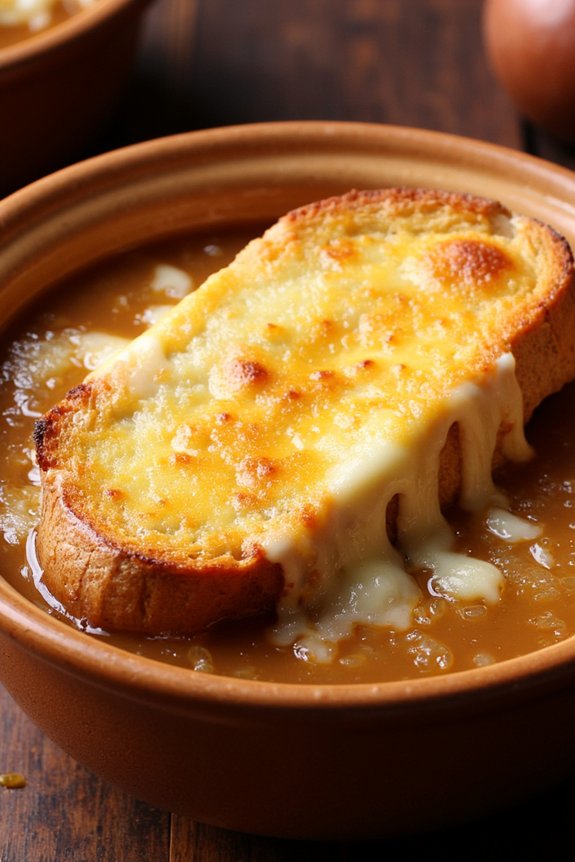
French Onion Soup is a classic and comforting dish that embodies the essence of French cuisine. Its rich and deep flavors are developed through the slow caramelization of onions, which meld beautifully with a hearty beef broth. This soup is typically topped with crusty bread and melted cheese, creating a deliciously savory and satisfying meal. Perfect for a cozy lunch or dinner, French Onion Soup is an indication of the transformative power of simple ingredients.
The origins of French Onion Soup date back to the 18th century, where it was considered a poor man’s dish due to its reliance on inexpensive ingredients. However, over time, it has evolved into an elegant staple in French bistros and homes alike. This recipe will guide you through the process of crafting a rich and flavorful French Onion Soup, ideal for serving between 4 to 6 people.
Ingredients (Serves 4-6):
- 6 large onions, thinly sliced
- 4 tablespoons unsalted butter
- 2 tablespoons olive oil
- 1 teaspoon sugar
- 1 teaspoon salt
- 1/2 cup dry white wine
- 8 cups beef broth
- 2 bay leaves
- 1 teaspoon fresh thyme leaves (or 1/2 teaspoon dried thyme)
- Salt and pepper, to taste
- 1 baguette, sliced
- 2 cups grated Gruyère cheese
Cooking Instructions:
- Prepare the Onions: In a large, heavy-bottomed pot, melt the butter with olive oil over medium heat. Add the sliced onions, sugar, and salt. Stir to coat the onions evenly with the butter and oil.
- Caramelize the Onions: Reduce the heat to medium-low and cook the onions, stirring occasionally, for about 45 minutes to 1 hour. The onions should become deeply golden and caramelized, but be careful not to let them burn.
- Deglaze the Pot: Increase the heat to medium-high and add the dry white wine to the pot. Scrape the bottom of the pot to loosen any browned bits and cook for 2-3 minutes until the wine has mostly evaporated.
- Prepare the Broth: Add the beef broth, bay leaves, and thyme to the pot. Bring the mixture to a simmer, then reduce the heat to low. Let the soup simmer for 30 minutes to develop the flavors. Season with salt and pepper to taste.
- Prepare the Bread and Cheese: While the soup simmers, preheat your oven to 400°F (200°C). Arrange the baguette slices on a baking sheet and toast them in the oven for about 5-7 minutes until they’re crisp and golden.
- Assemble the Soup: Remove the bay leaves from the soup. Ladle the soup into oven-safe bowls and place a slice of toasted baguette on top of each bowl. Generously sprinkle the grated Gruyère cheese over the bread.
- Melt the Cheese: Place the bowls on a baking sheet and transfer them to the oven. Broil for 3-5 minutes until the cheese is bubbly and golden brown. Carefully remove the bowls from the oven and let them cool slightly before serving.
Extra Tips:
When preparing French Onion Soup, patience is key. Take your time to properly caramelize the onions, as this step is essential for developing the soup’s characteristic depth of flavor.
Additionally, using a high-quality beef broth will greatly enhance the taste. If you prefer a slightly thicker soup, you can add a tablespoon of flour to the onions after they’ve caramelized, stirring well to incorporate before adding the wine and broth.
Finally, feel free to experiment with different types of cheese, such as Comté or Emmental, for a unique twist on this classic dish.
Salade Lyonnaise
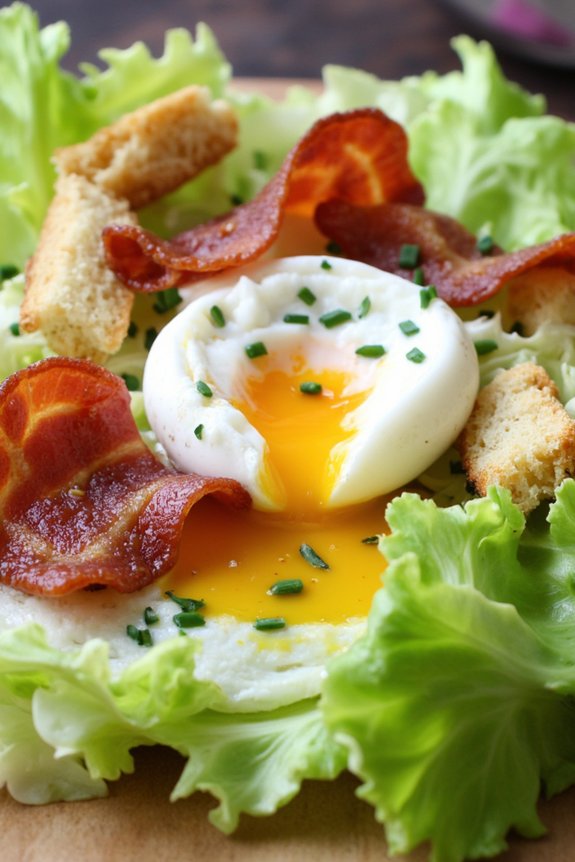
Salade Lyonnaise is a classic French bistro salad originating from the city of Lyon. It’s a delectable combination of frisée lettuce, crispy bacon lardons, croutons, and a perfectly poached egg, dressed with a warm mustard vinaigrette.
This salad provides a delightful balance of textures and flavors, making it a popular choice for a light yet satisfying lunch. The richness of the poached egg complements the crispy bacon, while the tangy vinaigrette ties the dish together beautifully.
This dish is ideal for serving 4-6 people, making it perfect for a small gathering or a family lunch. The preparation involves simple ingredients, but the key lies in assembling them with precision and care. The warm vinaigrette enhances the flavors, while the poached egg adds an element of sophistication to this rustic salad.
Here’s how you can prepare this delightful French classic at home:
Ingredients:
- 1 large head of frisée lettuce, washed and torn into bite-sized pieces
- 8 slices of thick-cut bacon or 150g of lardons
- 4-6 eggs
- 1 baguette, cut into cubes for croutons
- 3 tablespoons olive oil, divided
- 1 tablespoon white wine vinegar
- 1 tablespoon Dijon mustard
- 1 tablespoon red wine vinegar
- Salt and freshly ground black pepper to taste
- 2 tablespoons chopped fresh chives (optional, for garnish)
Cooking Instructions:
- Prepare the Croutons: Preheat your oven to 375°F (190°C). Toss the baguette cubes with 1 tablespoon of olive oil, salt, and pepper. Spread them on a baking sheet and bake for 10-12 minutes, or until golden and crispy. Set aside to cool.
- Cook the Bacon: In a large skillet over medium heat, cook the bacon or lardons until crispy. Remove with a slotted spoon and drain on paper towels. Keep about 1 tablespoon of the bacon fat in the pan.
- Make the Vinaigrette: In a small bowl, whisk together the Dijon mustard, red wine vinegar, and white wine vinegar. Slowly drizzle in the remaining olive oil while whisking, until well combined. Season with salt and pepper to taste.
- Poach the Eggs: Fill a medium saucepan with water and bring it to a gentle simmer. Add a splash of white wine vinegar to help the eggs hold their shape. Crack each egg into a small bowl and gently slide them one by one into the simmering water. Poach for about 3-4 minutes, until the whites are set but the yolks remain runny. Remove with a slotted spoon and drain on a paper towel.
- Assemble the Salad: In a large salad bowl, combine the frisée lettuce, croutons, and crispy bacon. Pour the warm vinaigrette over the salad and toss gently to coat.
- Serve: Divide the salad among plates and top each with a poached egg. Garnish with chopped chives if desired. Serve immediately while the egg is still warm.
Extra Tips:
For the best results, make sure to use fresh eggs for poaching, as they hold their shape better. If you prefer, you can substitute the frisée lettuce with another bitter green like endive or arugula.
When making the vinaigrette, taste it and adjust the seasoning to your preference; it should be tangy but balanced. Additionally, you can prepare the croutons and bacon ahead of time, but wait to poach the eggs and dress the salad until just before serving to guarantee all components are fresh and flavorful.
Tartine With Smoked Salmon
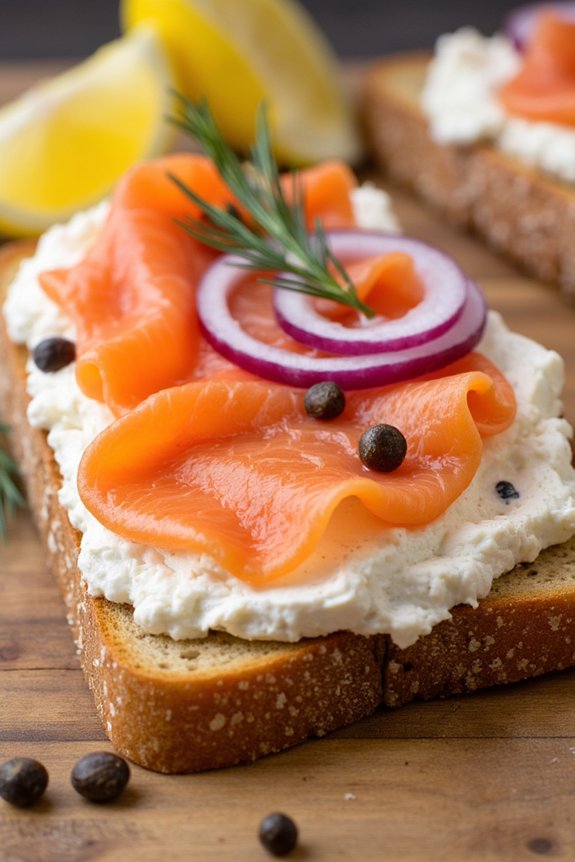
Indulge in the simplicity and elegance of a classic French lunch with Tartine With Smoked Salmon. This delightful open-face sandwich is perfect for a light yet satisfying meal, offering a harmonious blend of flavors and textures. The rich, smoky essence of the salmon pairs beautifully with the creaminess of the cheese spread and the crispness of freshly baked bread.
Ideal for a leisurely lunch or a sophisticated brunch, this dish is both easy to prepare and certain to impress. The tartine is a quintessential part of the French culinary tradition, showcasing the importance of high-quality ingredients. For this recipe, make certain to choose the freshest smoked salmon and artisan bread you can find.
Garnished with a hint of citrus and a sprinkle of herbs, this dish not only looks stunning but is also bursting with flavor. Whether you’re hosting friends or enjoying a quiet meal at home, Tartine With Smoked Salmon is a delightful way to elevate your dining experience.
Ingredients (Serves 4-6):
- 8 slices of sourdough or rustic country bread
- 8 ounces of smoked salmon
- 1 cup of cream cheese or crème fraîche
- 1 tablespoon of lemon juice
- 1 tablespoon of capers
- 1 small red onion, thinly sliced
- Fresh dill sprigs
- Freshly ground black pepper
- Lemon wedges for serving
Cooking Instructions:
- Prepare the Bread: Begin by lightly toasting the slices of sourdough or rustic country bread. This can be done on a grill, in a toaster, or under a broiler. The goal is to achieve a light golden hue and a crunchy texture without over-toasting.
- Mix the Spread: In a medium bowl, combine the cream cheese or crème fraîche with the lemon juice. Stir until smooth and creamy. Adjust the lemon juice to taste, maintaining a balance between tanginess and creaminess.
- Assemble the Tartines: Spread a generous layer of the cream cheese mixture on each slice of toasted bread. Confirm that each slice is evenly covered to provide a rich base for the toppings.
- Add the Salmon: Gently lay slices of smoked salmon over the cream cheese on each piece of bread. Arrange the salmon artfully, allowing it to drape slightly over the edges for an elegant presentation.
- Garnish: Top the salmon with thin slices of red onion and a few capers. Scatter fresh dill sprigs over each tartine and season with freshly ground black pepper.
- Serve: Arrange the tartines on a serving platter and accompany them with lemon wedges for an extra touch of citrus. The tartines can be served immediately at room temperature.
Extra Tips:
When preparing Tartine With Smoked Salmon, it’s essential to select high-quality ingredients as they’ll be the highlight of the dish. Opt for wild-caught smoked salmon for superior flavor and texture.
Additionally, if you prefer a different type of bread, such as rye or pumpernickel, feel free to substitute it for the sourdough. For a bit of variety, consider adding thin slices of cucumber or avocado to the tartines for extra freshness and creaminess.
Finally, remember that assembling the tartines just before serving will guarantee that the bread remains crisp and the flavors vibrant.
Provencal Vegetable Sandwich
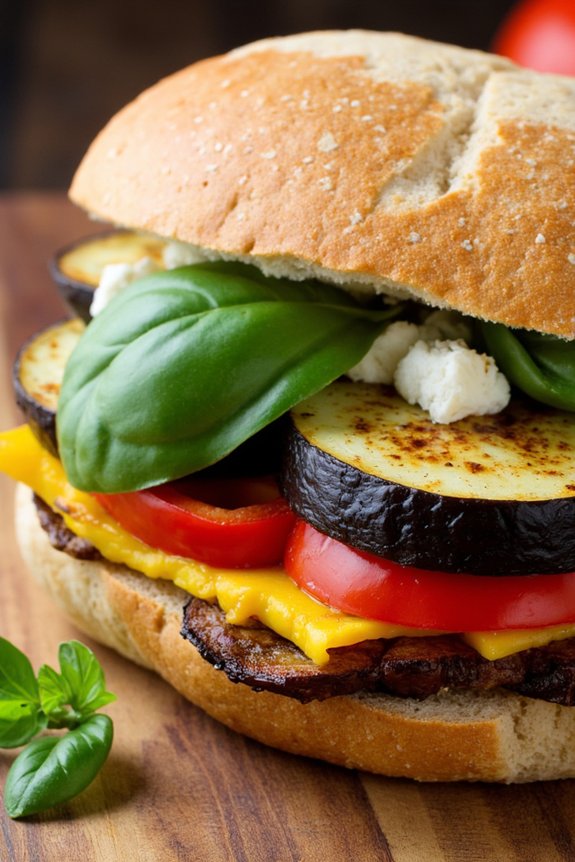
Indulge in the flavors of Southern France with a Provencal Vegetable Sandwich, a delightful and healthy option for lunch. This sandwich is a symphony of fresh vegetables, aromatic herbs, and creamy goat cheese, all encased in crusty bread that adds a satisfying crunch to each bite.
Perfect for a summer picnic or a light lunch, the Provencal Vegetable Sandwich isn’t only delicious but also a feast for the eyes with its vibrant colors and textures.
The essence of this sandwich lies in its simplicity and the quality of ingredients. By using fresh, seasonal vegetables and herbs, you capture the true taste of Provence. The combination of roasted vegetables, a hint of garlic, and the creaminess of goat cheese creates a harmonious blend that’s both satisfying and invigorating.
This recipe serves 4-6 people, making it ideal for sharing with friends and family.
Ingredients (Serves 4-6):
- 1 large baguette or ciabatta loaf
- 2 medium zucchini, sliced
- 1 eggplant, sliced
- 1 red bell pepper, sliced
- 1 yellow bell pepper, sliced
- 3 tablespoons olive oil
- 2 tablespoons balsamic vinegar
- 1 teaspoon dried herbes de Provence
- Salt and pepper to taste
- 4 ounces goat cheese
- 1 clove garlic, minced
- A handful of fresh basil leaves
Cooking Instructions:
- Prepare the Vegetables: Preheat your oven to 400°F (200°C). Arrange the sliced zucchini, eggplant, and bell peppers on a large baking sheet. Drizzle with olive oil and balsamic vinegar, then sprinkle with herbes de Provence, salt, and pepper. Toss the vegetables to guarantee they’re evenly coated.
- Roast the Vegetables: Place the baking sheet in the preheated oven and roast the vegetables for about 20-25 minutes, or until they’re tender and slightly caramelized. Stir the vegetables halfway through to guarantee even cooking.
- Prepare the Bread: While the vegetables are roasting, slice the baguette or ciabatta loaf in half lengthwise. If desired, lightly toast the bread in the oven for a few minutes until it’s just crispy.
- Assemble the Sandwich: Once the vegetables are roasted, spread the minced garlic evenly over the bottom half of the bread. Then, layer the roasted vegetables on top. Crumble the goat cheese over the vegetables and add fresh basil leaves.
- Finish and Serve: Place the top half of the bread over the filling and press down gently. Cut the sandwich into servings and serve immediately while the ingredients are warm and the bread is crisp.
Extra Tips: For the best flavor, use fresh, in-season vegetables. Feel free to experiment with different types of cheese if goat cheese isn’t to your liking; feta or mozzarella can also work well.
Make sure to let the roasted vegetables cool slightly before placing them on the bread to prevent it from becoming soggy. If you prefer a more robust flavor, consider adding a few slices of sun-dried tomatoes or a spread of tapenade for an extra Provencal touch.
Chicken Fricassée
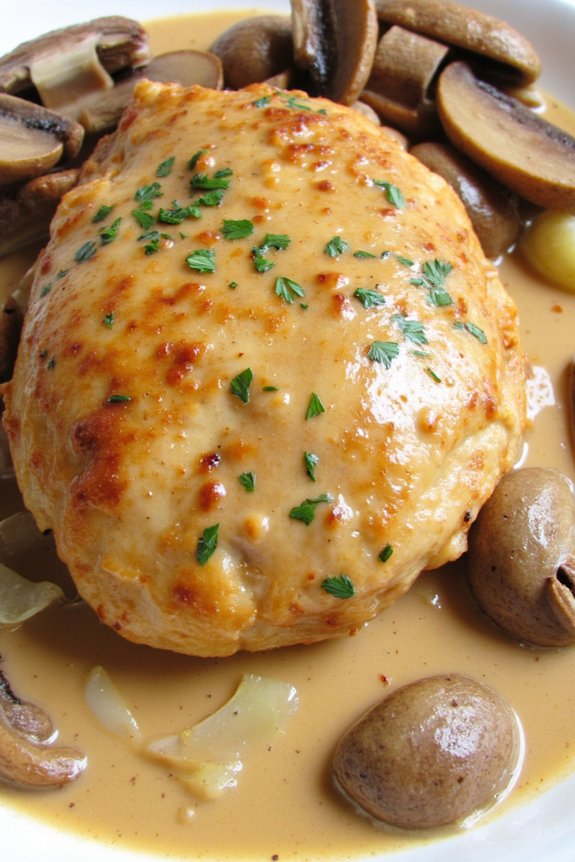
Chicken Fricassée is a classic French dish that combines the rich flavors of a creamy white sauce with tender pieces of chicken. This comforting meal has been a staple in French cuisine for centuries, often prepared for family gatherings and leisurely lunches. The dish is known for its versatility, allowing for various vegetables and seasonings to be added according to personal preference.
Whether served with rice, mashed potatoes, or crusty bread, Chicken Fricassée is sure to be a delightful addition to any meal.
The process of making Chicken Fricassée involves slow-cooking chicken pieces in a luscious sauce made from a roux, chicken broth, and cream. This method guarantees that the chicken remains juicy and flavorful while absorbing the savory essence of the sauce. The inclusion of mushrooms, onions, and herbs adds depth to the dish, making every bite a harmonious blend of textures and tastes.
Ideal for serving 4-6 people, this recipe is perfect for a cozy family lunch or an elegant dinner party.
Ingredients (serving size: 4-6 people):
- 3 pounds of chicken pieces (thighs and drumsticks, skin-on)
- Salt and pepper to taste
- 2 tablespoons olive oil
- 2 tablespoons unsalted butter
- 1 large onion, finely chopped
- 2 cloves garlic, minced
- 1/2 pound mushrooms, sliced
- 2 tablespoons all-purpose flour
- 1 cup dry white wine
- 2 cups chicken broth
- 1 bay leaf
- 1 sprig of thyme
- 1/2 cup heavy cream
- 2 tablespoons chopped fresh parsley
Cooking Instructions:
- Season the Chicken: Begin by patting the chicken pieces dry with paper towels. Season them generously with salt and pepper on all sides.
- Brown the Chicken: Heat the olive oil in a large, heavy-bottomed skillet or Dutch oven over medium-high heat. Add the chicken pieces, skin-side down, and cook until golden brown, about 5-7 minutes per side. Remove the chicken from the pan and set aside.
- Sauté the Vegetables: In the same pan, add the butter and let it melt. Add the chopped onion and garlic, sautéing until the onion becomes translucent. Stir in the mushrooms and cook until they’re tender and any liquid they release has evaporated.
- Make the Roux: Sprinkle the flour over the cooked vegetables, stirring well to combine. Cook for about 2 minutes to eliminate the raw flour taste.
- Deglaze the Pan: Pour in the white wine, scraping the bottom of the pan to release any brown bits. Allow the wine to reduce by half.
- Simmer the Chicken: Return the chicken to the pan, skin-side up. Pour in the chicken broth and add the bay leaf and thyme. Bring the mixture to a simmer, then reduce the heat to low. Cover the pan and let the chicken cook gently for about 25-30 minutes, or until cooked through.
- Finish the Sauce: Remove the bay leaf and thyme. Stir in the heavy cream, allowing the sauce to heat through and thicken slightly. Adjust seasoning with salt and pepper as needed.
- Garnish and Serve: Sprinkle the finished dish with chopped parsley before serving. Enjoy with a side of rice, mashed potatoes, or crusty bread to soak up the delicious sauce.
Extra Tips:
For an enhanced flavor, consider marinating the chicken pieces in herbs and garlic for a few hours before cooking. If you prefer a thicker sauce, you can increase the amount of flour used in the roux.
Additionally, feel free to experiment with different herbs such as tarragon or rosemary. To guarantee the chicken remains moist, avoid overcooking, and keep the heat low while simmering.
Chicken Fricassée can also be prepared in advance and refrigerated; the flavors will meld beautifully, making for an even more delicious dish the next day.
Quiche Florentine
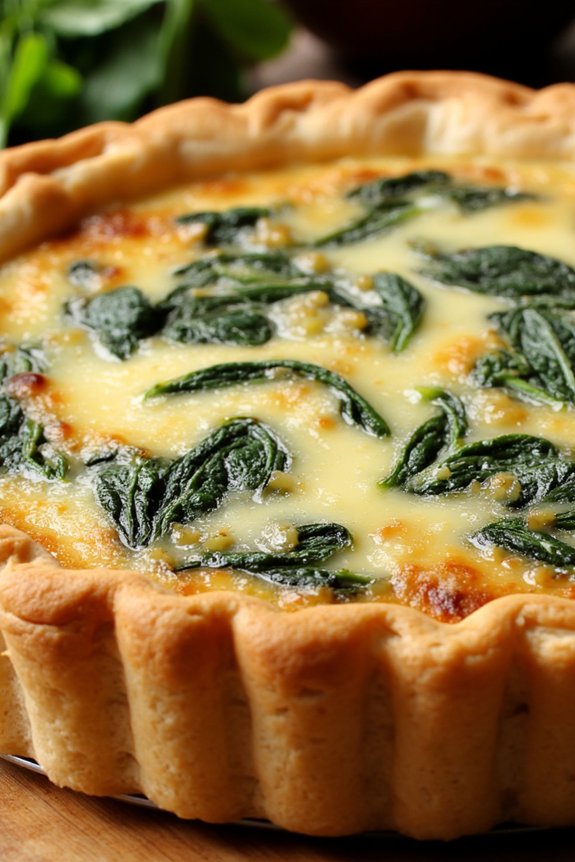
Quiche Florentine is a classic French dish that combines the rich, creamy texture of a quiche with the fresh, vibrant flavors of spinach, making it a delightful option for a lunch gathering. This savory pie originated from the region of Lorraine in France and has become a beloved staple in French cuisine. Traditionally, quiche consists of a pastry crust filled with an egg custard and various ingredients such as cheese, meat, or vegetables. In the case of Quiche Florentine, fresh spinach and cheese are the stars, providing a nutritious and flavorful experience.
This dish is perfect for a leisurely lunch, offering both elegance and simplicity. It can be served warm or at room temperature, making it a versatile choice for hosting guests or enjoying a quiet meal at home. The combination of the buttery crust, creamy custard, and tender spinach creates a harmonious balance that’s sure to impress. Preparing Quiche Florentine is a straightforward process that doesn’t require advanced culinary skills, making it accessible to home cooks of all levels.
Ingredients (Serves 4-6)
- 1 pre-made pie crust (or homemade if preferred)
- 2 cups fresh spinach leaves, washed and dried
- 4 large eggs
- 1 cup heavy cream
- 1 cup shredded Gruyère cheese
- 1/4 cup grated Parmesan cheese
- 1 small onion, finely chopped
- 2 tablespoons butter
- Salt and pepper to taste
- A pinch of nutmeg (optional)
Cooking Instructions
- Preheat the Oven: Begin by preheating your oven to 375°F (190°C). This guarantees that the oven is at the right temperature when you’re ready to bake the quiche.
- Prepare the Crust: If using a pre-made pie crust, place it into a 9-inch pie dish, pressing it gently into the corners. Trim any excess dough hanging over the edges and prick the bottom with a fork to prevent bubbling. If making a homemade crust, roll out your dough and follow the same steps.
- Blind Bake the Crust: Line the crust with parchment paper and fill with pie weights or dried beans. Bake in the preheated oven for 10 minutes, then remove the weights and parchment paper and bake for another 5 minutes until just lightly golden. This helps to prevent a soggy bottom when the custard is added.
- Sauté the Spinach and Onions: In a skillet over medium heat, melt the butter and add the chopped onion. Sauté until the onion is translucent, about 5 minutes. Add the spinach and cook until wilted, stirring occasionally. Remove from heat and set aside to cool slightly.
- Prepare the Custard Filling: In a large mixing bowl, whisk together the eggs, heavy cream, salt, pepper, and nutmeg (if using). Stir in the Gruyère and Parmesan cheeses until well combined.
- Assemble the Quiche: Evenly distribute the spinach and onion mixture over the bottom of the pre-baked crust. Pour the egg and cheese mixture over the top, making sure it spreads evenly throughout.
- Bake the Quiche: Place the assembled quiche in the oven and bake for 30-35 minutes, or until the center is set and the top is lightly golden brown. If the crust edges begin to brown too quickly, cover them with foil to prevent burning.
- Cool and Serve: Allow the quiche to cool on a wire rack for at least 10 minutes before slicing. This allows the custard to set further and makes serving easier.
Extra Tips
For the best results, verify your ingredients are at room temperature before starting, as this helps the custard mix smoothly. You can customize your Quiche Florentine by adding ingredients such as mushrooms or swapping Gruyère for another cheese like cheddar.
If you’re making the quiche ahead of time, it can be stored in the refrigerator for up to three days and reheated gently in the oven. Finally, to save time, consider using pre-washed and chopped spinach.
Ham and Gruyère Baguette
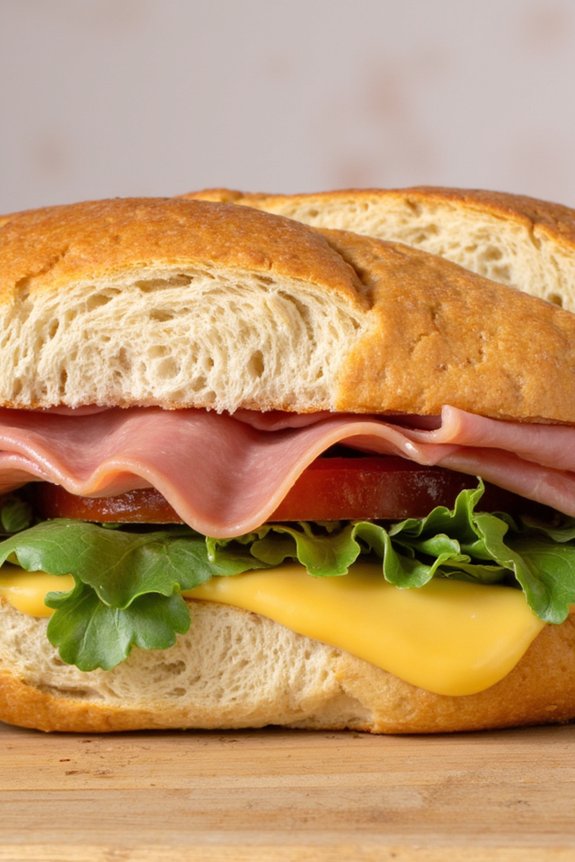
The Ham and Gruyère Baguette is a classic French sandwich that combines the savory flavors of ham and the nutty, creamy taste of Gruyère cheese all nestled in a crusty baguette. This simple yet delicious sandwich is perfect for lunch, offering a satisfying and hearty meal with a touch of elegance. Traditionally served cold, this baguette can also be gently heated if you prefer melted cheese.
Whether you’re serving it at a picnic or enjoying it at home, this sandwich is sure to impress with its rich taste and easy preparation.
The beauty of the Ham and Gruyère Baguette lies in its simplicity, relying on high-quality ingredients to deliver a burst of flavor. The baguette should be fresh, with a crispy crust and soft interior, while the ham should be thinly sliced and of good quality, such as Jambon de Paris.
Gruyère cheese, known for its creamy texture and distinct taste, adds a layer of richness that complements the ham perfectly. With the addition of a few fresh greens and a touch of mustard, this sandwich becomes an irresistible choice for any lunch menu.
Ingredients for 4-6 people:
- 2 fresh baguettes
- 250g thinly sliced ham (preferably Jambon de Paris)
- 200g Gruyère cheese, sliced
- 1 cup mixed greens (such as arugula or lettuce)
- 4 tablespoons Dijon mustard
- Butter, softened, for spreading (optional)
Instructions:
- Prepare the Baguettes: Start by cutting each baguette in half lengthwise. If you prefer a softer interior, you can lightly toast the inside of the baguettes under a grill or in an oven preheated to 180°C (350°F) for about 5 minutes.
- Spread the Mustard: Evenly spread 1 tablespoon of Dijon mustard on the cut side of each baguette half. If desired, spread a thin layer of softened butter over the mustard to add richness.
- Layer the Ingredients: On the bottom half of each baguette, layer the thinly sliced ham evenly. Follow this by adding slices of Gruyère cheese on top of the ham, covering it completely.
- Add the Greens: Distribute the mixed greens over the cheese, ensuring an even layer. The greens add freshness and a slight peppery taste that balances the richness of the cheese and ham.
- Assemble the Baguette: Place the top half of the baguette over the assembled ingredients. Press down gently to hold everything together.
- Serve or Heat: The baguette can be served immediately as is, or if you prefer a warm sandwich, place the assembled baguettes in a preheated oven at 180°C (350°F) for about 5-7 minutes until the cheese begins to melt.
Extra Tips:
For the best flavor, use high-quality ingredients, particularly the ham and cheese. Jambon de Paris and authentic Gruyère cheese will make a significant difference.
If you desire a more intense mustard flavor, consider using whole grain mustard instead of Dijon. When heating the sandwich, be certain it isn’t in the oven for too long to prevent the baguette from becoming too hard.
To make this dish even more luxurious, consider adding a few slices of ripe tomatoes or a sprinkle of herbs like fresh thyme or basil. Enjoy your Ham and Gruyère Baguette with a side of cornichons or a simple green salad for a complete French-inspired meal.
Pissaladière
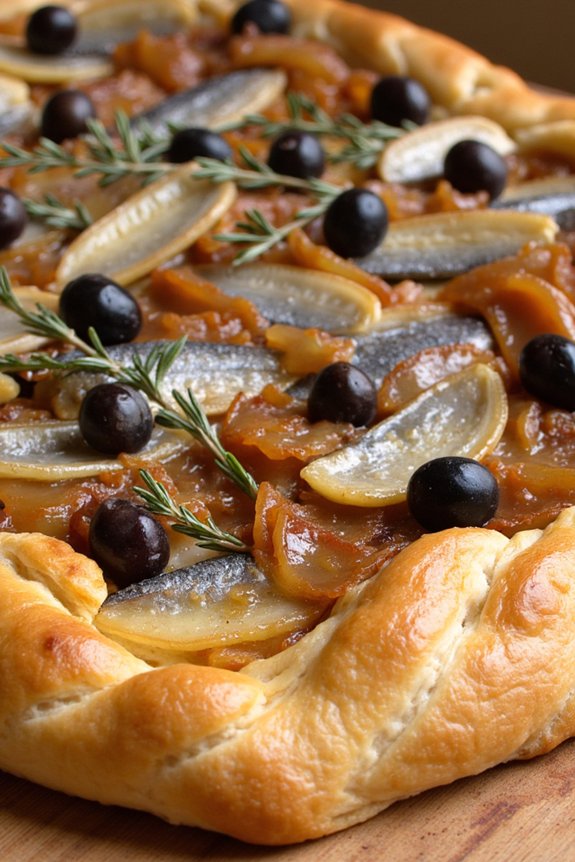
Pissaladière is a classic French dish originating from the Provence region, reminiscent of a pizza but with a distinctively unique taste profile. This savory tart features a rich topping of caramelized onions, anchovies, and olives, all layered over a crispy, golden pastry base. Traditionally served at room temperature, this flavorful dish is perfect for a casual lunch or as an appetizer, offering a delightful balance of sweet and salty flavors.
The key to a perfect Pissaladière lies in its simplicity, highlighting the quality of its ingredients. The combination of slowly caramelized onions, which bring a natural sweetness, and the briny punch of anchovies and olives, creates a harmonious blend of flavors. This recipe will guide you through the process of making this delicious dish, guaranteeing you achieve the authentic taste of southern France.
Ingredients (Serves 4-6):
- 1 sheet of puff pastry or pizza dough
- 6 large onions, thinly sliced
- 2 tablespoons olive oil
- 2 cloves garlic, minced
- 1 teaspoon fresh thyme leaves
- 1 bay leaf
- Salt and freshly ground pepper, to taste
- 12 anchovy fillets
- 20 black olives, pitted and halved
- 1 egg, beaten (for egg wash)
- Fresh thyme sprigs, for garnish (optional)
Instructions:
1. Prepare the Pastry Base: Preheat your oven to 400°F (200°C). Roll out the puff pastry or pizza dough on a lightly floured surface to fit a 12-inch round or a rectangular baking sheet. Place it on a parchment-lined baking tray. Use a fork to prick the surface all over, leaving a 1-inch border for the crust.
2. Caramelize the Onions: In a large skillet, heat olive oil over medium heat. Add the sliced onions and cook, stirring occasionally, until they start to soften, about 10 minutes.
Add the minced garlic, thyme, and bay leaf. Continue to cook the onions on low heat, stirring often, until they’re golden and caramelized, approximately 30-40 minutes. Season with salt and pepper to taste. Remove the bay leaf.
3. Assemble the Pissaladière: Spread the caramelized onions evenly over the prepared pastry, leaving the border clear. Arrange the anchovy fillets in a crisscross pattern over the onions, then place olive halves in the spaces between the anchovies.
4. Bake: Brush the exposed edges of the pastry with beaten egg for a golden finish. Bake the Pissaladière in the preheated oven for 20-25 minutes, or until the pastry is puffed and golden brown.
5. Serve: Allow the Pissaladière to cool to room temperature before cutting it into squares or slices. Garnish with fresh thyme sprigs if desired.
Extra Tips: When caramelizing the onions, patience is key. Low and slow cooking will guarantee they develop a deep, sweet flavor without burning.
If using pizza dough instead of puff pastry, consider pre-baking it for 5-7 minutes before adding toppings to prevent a soggy base. Adjust the quantity of anchovies according to your taste preference, as they can be quite salty. Finally, enjoy the Pissaladière at room temperature for the best flavor experience.
Endive and Roquefort Salad
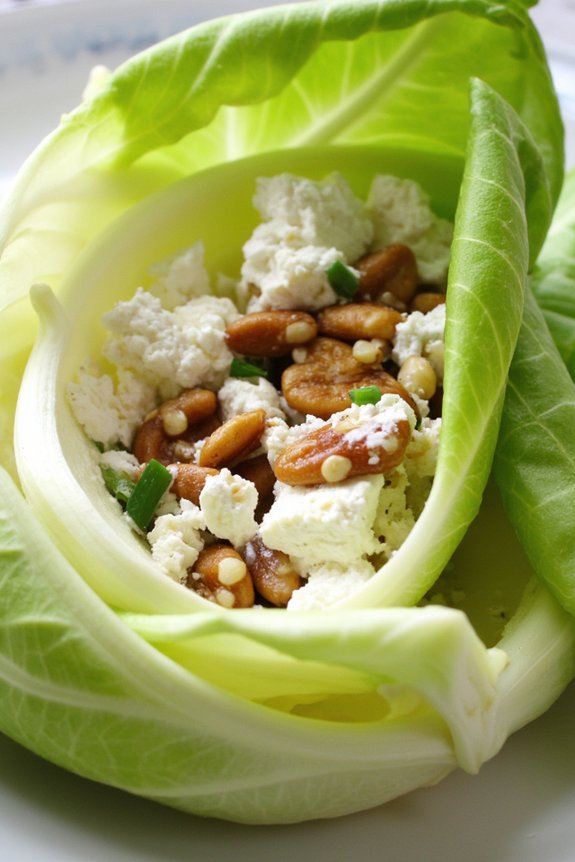
Endive and Roquefort Salad is a classic French dish that combines the crisp, slightly bitter taste of endive with the rich, tangy flavor of Roquefort cheese. This salad is perfect as a starter or a light lunch, offering a delightful balance of textures and flavors. The creamy Roquefort complements the crunchy endive, while a simple vinaigrette dressing ties it all together. The addition of walnuts provides a satisfying crunch and enhances the nuttiness of the cheese.
This salad isn’t only delicious but also visually appealing, with the pale green endive leaves and blue speckled cheese creating a beautiful contrast. It’s an elegant dish that’s surprisingly easy to prepare and can be assembled in just a few minutes. For a serving size of 4-6 people, the following ingredients and steps will help you create this delightful French salad at home.
Ingredients for 4-6 servings:
- 6 heads of Belgian endive
- 150 grams of Roquefort cheese
- 1/2 cup walnuts, toasted and roughly chopped
- 1/4 cup extra virgin olive oil
- 2 tablespoons white wine vinegar
- 1 teaspoon Dijon mustard
- Salt and freshly ground black pepper to taste
- 1 tablespoon chopped fresh chives (optional)
Cooking Instructions:
- Prepare the Endive: Begin by washing the endive heads thoroughly under cold water. Trim the bases and remove any wilted outer leaves. Cut each head in half lengthwise, then crosswise into 1-inch pieces.
- Make the Vinaigrette: In a small mixing bowl, whisk together the olive oil, white wine vinegar, Dijon mustard, salt, and pepper until well combined. Adjust the seasoning to taste.
- Toast the Walnuts: In a dry skillet over medium heat, toast the walnuts for about 5 minutes, stirring frequently, until they’re golden and fragrant. Remove from heat and let them cool slightly.
- Assemble the Salad: In a large salad bowl, combine the chopped endive and toasted walnuts. Crumble the Roquefort cheese over the top.
- Dress the Salad: Drizzle the vinaigrette over the salad and gently toss everything together to guarantee the endive and walnuts are well coated.
- Garnish and Serve: Sprinkle with chopped chives if using, and serve immediately for the best texture and flavor.
Extra Tips:
When preparing the Endive and Roquefort Salad, it’s best to use fresh, crisp endive to guarantee the salad has the perfect texture. If Roquefort cheese is unavailable, you can substitute it with another blue cheese, such as Gorgonzola or Stilton.
To prevent the endive from browning, prepare it just before serving. Additionally, for an extra touch of sweetness, consider adding thin slices of ripe pear or apple to the salad. This dish pairs beautifully with a glass of crisp white wine, such as Sauvignon Blanc or Chardonnay.
