

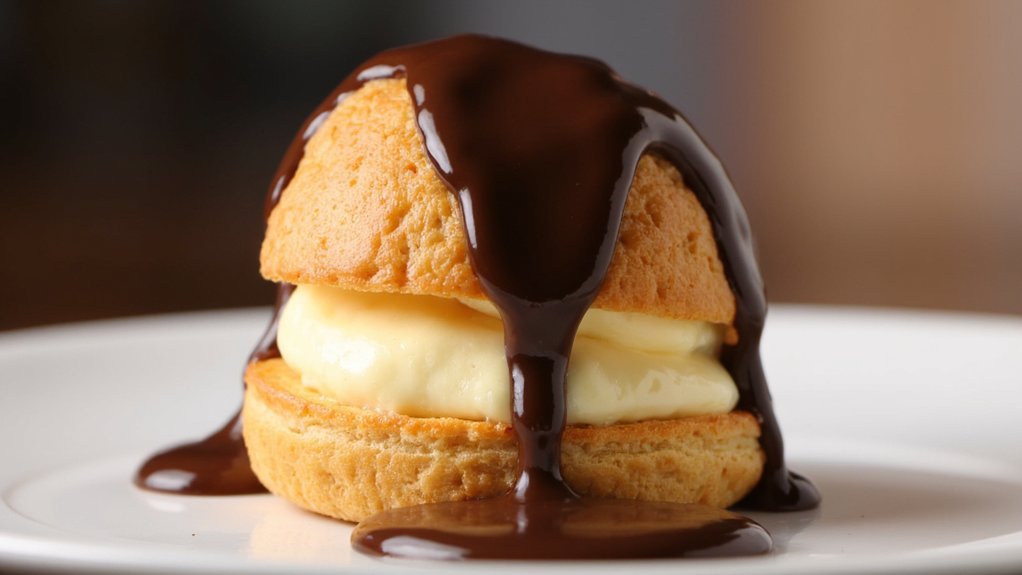
Bonjour, lovely food enthusiasts!
If you’re anything like me, the allure of French bistro classics is simply irresistible.
Think about enjoying a rich Beef Bourguignon or a perfectly caramelized Tarte Tatin right at your own table.
With a little guidance, bringing the essence of France into your kitchen is easier than you think.
Are you ready to elevate your cooking skills with these timeless recipes?
Coq Au Vin
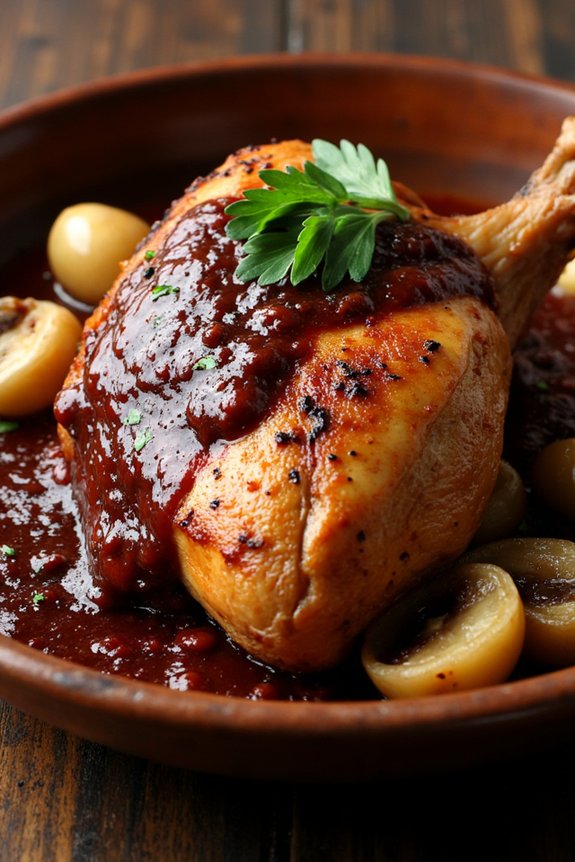
Coq Au Vin is a quintessential French dish that translates to “rooster in wine.” Traditionally made with a rooster, this dish is now commonly prepared using chicken and is braised in red wine along with mushrooms, lardons (thick bacon), onions, and sometimes garlic. This dish is known for its deep, rich flavor, and it’s perfect for a cozy dinner.
The wine not only tenderizes the chicken but also imparts a robust flavor profile that’s elevated by fresh herbs and aromatic vegetables. This hearty stew is perfect for serving a small gathering, offering both comfort and sophistication.
The key to a successful Coq Au Vin is to allow enough time for the chicken to marinate in the wine and for the flavors to meld during the cooking process. The result is a tender, flavorful dish that’s sure to impress. It’s typically served with rustic bread or over mashed potatoes to soak up the delicious sauce.
Ingredients for 4-6 servings:
- 1 whole chicken (3-4 lbs), cut into 8 pieces
- Salt and pepper
- 2 tablespoons olive oil
- 4 ounces lardons or thick bacon, diced
- 1 large onion, chopped
- 2 cloves garlic, minced
- 2 tablespoons all-purpose flour
- 2 cups red wine (such as Burgundy or Pinot Noir)
- 1 cup chicken stock
- 2 tablespoons tomato paste
- 1 bouquet garni (thyme, parsley, and bay leaf tied together)
- 1/2 pound pearl onions, peeled
- 1/2 pound mushrooms, quartered
- 2 tablespoons unsalted butter
- Fresh parsley, chopped for garnish
Cooking Instructions:
- Prepare the Chicken: Season the chicken pieces with salt and pepper. In a large Dutch oven or heavy pot, heat the olive oil over medium-high heat. Add the chicken pieces, skin side down, and brown on all sides. Remove the chicken and set aside.
- Cook the Bacon and Vegetables: In the same pot, add the diced lardons or bacon and cook until crispy. Remove the bacon and set aside. Add the chopped onion to the pot and sauté until translucent. Stir in the minced garlic and cook for another minute.
- Thicken the Sauce: Sprinkle the flour over the onions and garlic, stirring well to incorporate. Cook for about 2 minutes to remove the raw flour taste.
- Deglaze and Simmer: Slowly pour in the red wine and chicken stock, scraping the bottom of the pot to release any browned bits. Add the tomato paste and stir to combine.
- Add the Chicken and Herbs: Return the chicken pieces and cooked bacon to the pot. Add the bouquet garni. Bring to a simmer, then cover and cook on low heat for about 45 minutes, until the chicken is tender and cooked through.
- Cook the Onions and Mushrooms: In a separate pan, melt the butter over medium heat. Add the pearl onions and mushrooms, sautéing until golden brown and tender. Set aside.
- Combine and Finish: After the chicken has cooked, add the sautéed onions and mushrooms to the pot. Continue to cook for an additional 10 minutes to meld the flavors.
- Serve: Remove and discard the bouquet garni. Adjust seasoning with salt and pepper as needed. Garnish with freshly chopped parsley before serving.
Extra Tips:
For a more pronounced flavor, marinate the chicken in the wine overnight in the refrigerator before cooking. This allows the wine to penetrate the chicken, enhancing its flavor.
If you can’t find pearl onions, regular onions cut into chunks can be used as a substitute. When selecting wine, choose one that you’d enjoy drinking, as the quality of the wine will directly affect the dish’s flavor.
Also, if you have leftovers, Coq Au Vin tastes even better the next day as the flavors continue to develop.
Beef Bourguignon
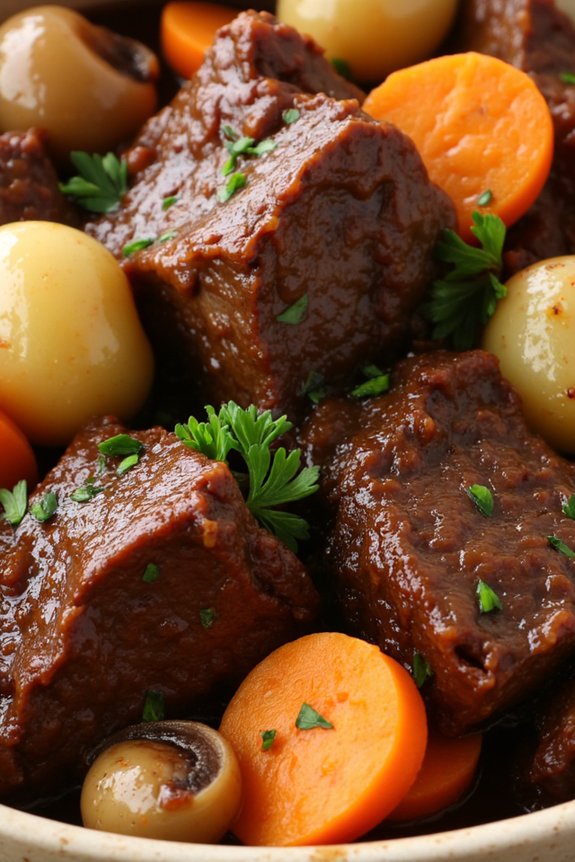
Beef Bourguignon, a classic French dish, is renowned for its rich, deep flavors and tender beef that melts in your mouth. This comfort food originated in the Burgundy region of France and has become a symbol of French culinary tradition. The dish is a slow-cooked stew of beef braised in red wine, traditionally Burgundy wine, flavored with garlic, onions, and a bouquet of herbs. The addition of mushrooms, carrots, and pearl onions offers a delightful contrast in textures and flavors, creating a dish that’s both hearty and sophisticated.
Cooking Beef Bourguignon is a labor of love, often reserved for special occasions or gatherings. Its preparation involves several steps, including searing the beef, simmering the stew, and patiently allowing the flavors to meld together over a long cooking time. The final result is a luscious, savory dish that pairs wonderfully with crusty bread or buttery mashed potatoes.
Whether you’re a seasoned cook or a beginner, this recipe guides you through the process of creating a memorable Beef Bourguignon that will impress your family and friends.
Ingredients for 4-6 servings:
- 2 pounds beef chuck, cut into 2-inch cubes
- Salt and freshly ground black pepper
- 2 tablespoons olive oil
- 8 ounces bacon, diced
- 2 cups red wine (preferably Burgundy)
- 2 cups beef stock
- 1 tablespoon tomato paste
- 2 cloves garlic, minced
- 1 bay leaf
- 1 teaspoon dried thyme
- 1 pound pearl onions, peeled
- 1/2 pound mushrooms, quartered
- 3 carrots, sliced into 1-inch pieces
- 2 tablespoons all-purpose flour
- 3 tablespoons butter
- Fresh parsley, chopped (for garnish)
Cooking Instructions:
- Prepare the Beef: Season the beef chunks with salt and pepper. Heat 1 tablespoon of olive oil in a large Dutch oven over medium-high heat. Sear the beef in batches until browned on all sides. Remove the beef and set aside.
- Cook the Bacon: In the same pot, add the diced bacon. Cook until crispy, then remove and set aside, leaving the bacon fat in the pot.
- Sauté Vegetables: Add the pearl onions and mushrooms to the pot, cooking until slightly browned. Remove and set aside with the bacon.
- Deglaze the Pot: Lower the heat and add 1 tablespoon of butter to the pot. Stir in the garlic and tomato paste, cooking for about 1 minute. Pour in the red wine, scraping the bottom of the pot to release any browned bits.
- Simmer the Stew: Return the beef to the pot. Add the beef stock, bay leaf, and thyme. Bring to a boil, then reduce the heat to low, cover, and simmer for about 2 hours until the beef is tender.
- Thicken the Sauce: In a small bowl, mix the flour and remaining 2 tablespoons of butter into a smooth paste. Stir this into the pot and simmer uncovered for another 30 minutes to thicken the sauce.
- Add Vegetables: Add the carrots, pearl onions, and mushrooms to the stew. Cook for an additional 20-30 minutes or until the vegetables are tender.
- Serve: Taste and adjust seasoning if necessary. Garnish with chopped parsley before serving.
Extra Tips:
When making Beef Bourguignon, it’s important to use a good quality wine, as this will greatly influence the flavor of the dish. While Burgundy is traditional, any full-bodied red wine will work.
Also, make sure to allow enough time for the flavors to develop; the longer the stew simmers, the more the flavors will meld. If possible, prepare the dish a day ahead, as it often tastes even better the next day after the flavors have had more time to integrate.
Finally, serve the stew with a side that can soak up the delicious sauce, like a crusty baguette or creamy mashed potatoes, for a complete meal.
Ratatouille
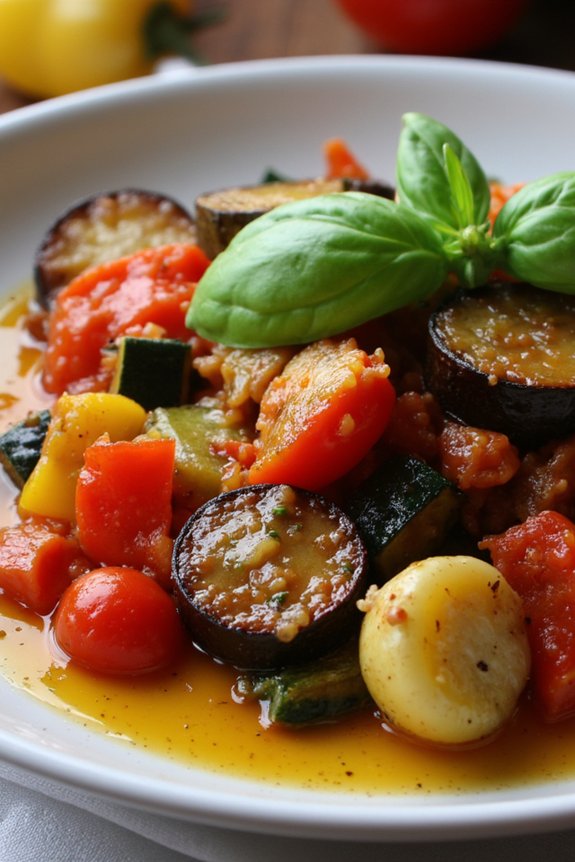
Ratatouille is a quintessential French bistro classic that showcases the vibrant flavors and colors of summer vegetables. This rustic Provençal vegetable stew isn’t only a feast for the eyes but also a healthy and delicious dish that can be served as a side or a main course. The key to a perfect Ratatouille is selecting the freshest vegetables and allowing the flavors to meld beautifully through slow cooking. With its medley of eggplant, zucchini, bell peppers, and tomatoes, Ratatouille embodies the essence of simple yet sophisticated French cuisine.
The origins of Ratatouille can be traced back to the region of Nice, where it was traditionally a peasant dish made with whatever vegetables were available. Today, it has become a beloved staple in French households and restaurants alike. The dish is typically prepared by sautéing each vegetable separately to preserve their distinct flavors and textures, then bringing them together to simmer gently until harmonized. This method guarantees a Ratatouille that’s rich in taste, with each bite offering a delightful burst of flavors.
Ingredients for 4-6 servings:
- 1 medium eggplant
- 2 medium zucchini
- 1 large onion
- 2 bell peppers (red and yellow)
- 4 ripe tomatoes
- 3 cloves garlic
- 1/4 cup olive oil
- Salt and pepper, to taste
- 1 teaspoon dried thyme
- 1 teaspoon dried oregano
- 1 handful fresh basil, chopped
- 2 tablespoons tomato paste (optional)
Cooking Instructions:
- Prepare the Vegetables: Begin by washing and drying all the vegetables. Cut the eggplant and zucchini into half-inch cubes. Dice the onion and bell peppers, and mince the garlic. Blanch the tomatoes in boiling water for 30 seconds, then peel and chop them roughly.
- Sauté the Vegetables: Heat 2 tablespoons of olive oil in a large pan over medium heat. Add the eggplant cubes and sauté until they start to turn golden, about 5-7 minutes. Remove the eggplant and set aside. In the same pan, add another tablespoon of olive oil, then sauté the zucchini until lightly browned. Remove and set aside with the eggplant.
- Cook the Aromatics: Add the remaining olive oil to the pan. Lower the heat to medium-low and add the onions and garlic. Cook, stirring occasionally, until the onions are soft and translucent, about 5 minutes.
- Combine Ingredients: Add the bell peppers to the pan and cook for about 5 minutes until they start to soften. Stir in the chopped tomatoes, tomato paste (if using), thyme, and oregano. Cook for an additional 5 minutes to let the flavors meld.
- Simmer the Ratatouille: Return the eggplant and zucchini to the pan, season with salt and pepper, and stir well to combine all the ingredients. Cover the pan, reduce the heat to low, and let the Ratatouille simmer for 20-30 minutes, stirring occasionally, until the vegetables are tender but still hold their shape.
- Finish and Serve: Remove the pan from the heat and stir in the fresh basil. Taste and adjust the seasoning if necessary. Serve hot or at room temperature, allowing the flavors to develop further.
Extra Tips:
For a more robust flavor, consider adding a splash of red wine or balsamic vinegar during the simmering stage. Ratatouille improves in taste when allowed to sit, so prepare it a day ahead if possible. Additionally, this dish can be served with crusty bread, over polenta, or as a filling for omelets and crepes. Remember to use fresh and seasonal vegetables for the best results, as their natural sweetness and flavor will enhance the overall dish.
French Onion Soup
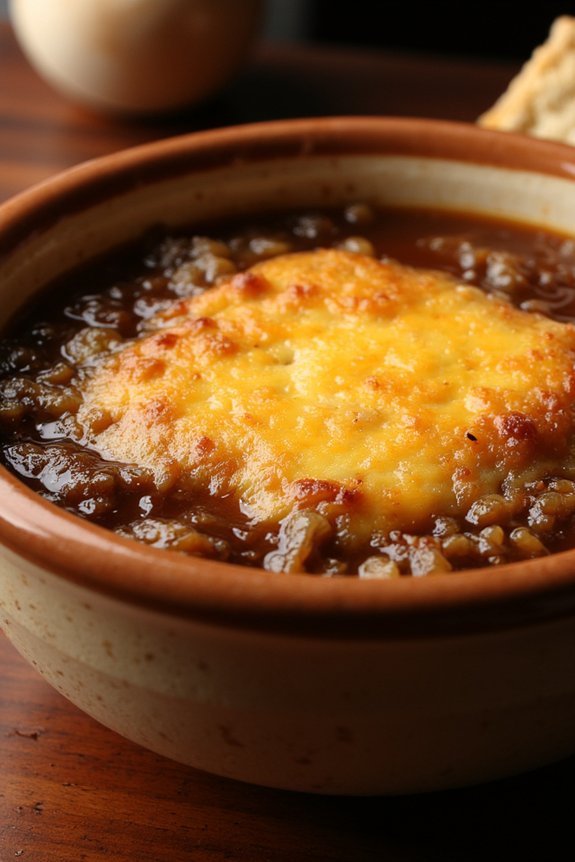
French Onion Soup is a quintessential French bistro classic that combines the rich, savory flavors of caramelized onions with the comforting warmth of a beef broth. Topped with crispy, cheese-laden bread, it’s a dish that’s as much about texture as it’s about taste. This soup is perfect for a cozy evening, offering not only warmth but also a sense of indulgence with its deep flavors and aromatic ingredients.
This recipe serves 4-6 people and takes time to develop its complex flavors through the slow caramelization of onions. The patience required is well rewarded by the end product, a soup that’s both hearty and elegant. The bread and cheese topping completes this dish, adding a crunch and creaminess with each spoonful. Here’s how you can make this classic dish at home:
Ingredients:
- 6 large yellow onions, thinly sliced
- 4 tablespoons unsalted butter
- 2 tablespoons olive oil
- 1 teaspoon salt
- 1 teaspoon sugar
- 8 cups beef stock
- 1/2 cup dry white wine
- 3 tablespoons all-purpose flour
- 1 teaspoon fresh thyme leaves
- 1 bay leaf
- Salt and pepper to taste
- 1 baguette, sliced
- 2 cups grated Gruyère cheese
Instructions:
- Caramelize the Onions: In a large pot, melt the butter and olive oil over medium heat. Add the sliced onions, salt, and sugar. Stir to combine, then cook the onions on low heat, stirring occasionally, until they turn a deep golden brown and are caramelized. This process should take about 30-40 minutes.
- Deglaze the Pot: Increase the heat to medium-high and add the flour to the caramelized onions, stirring constantly for about 2 minutes. Pour in the white wine, scraping up any browned bits from the bottom of the pot. Allow the wine to reduce slightly.
- Simmer the Soup: Add the beef stock, thyme, and bay leaf to the pot. Bring the mixture to a boil, then reduce the heat and let it simmer uncovered for about 30 minutes. Season with salt and pepper to taste.
- Prepare the Bread: While the soup is simmering, preheat your oven to 400°F (200°C). Place the baguette slices on a baking sheet and toast them in the oven until they’re crisp and golden brown, about 5-7 minutes.
- Assemble and Broil: Ladle the soup into oven-safe bowls. Place a slice of toasted baguette on top of each bowl of soup, and generously sprinkle the grated Gruyère cheese on top. Place the bowls under a broiler until the cheese is bubbly and golden brown.
- Serve: Carefully remove the bowls from the oven and serve immediately, taking caution as the bowls will be hot.
Extra Tips:
For an even deeper flavor, you can make the soup a day ahead and refrigerate it overnight, allowing the flavors to meld.
When making the soup, be patient with the caramelization process of the onions as this is essential for developing the rich flavor profile of the dish.
If Gruyère cheese isn’t available, you can substitute it with Emmental or Comté for a similar taste.
Finally, confirm your oven-safe bowls are suitable for broiling to avoid any accidents. Enjoy your homemade French Onion Soup with a side of fresh salad or a glass of wine for a perfect French bistro experience at home.
Duck Confit
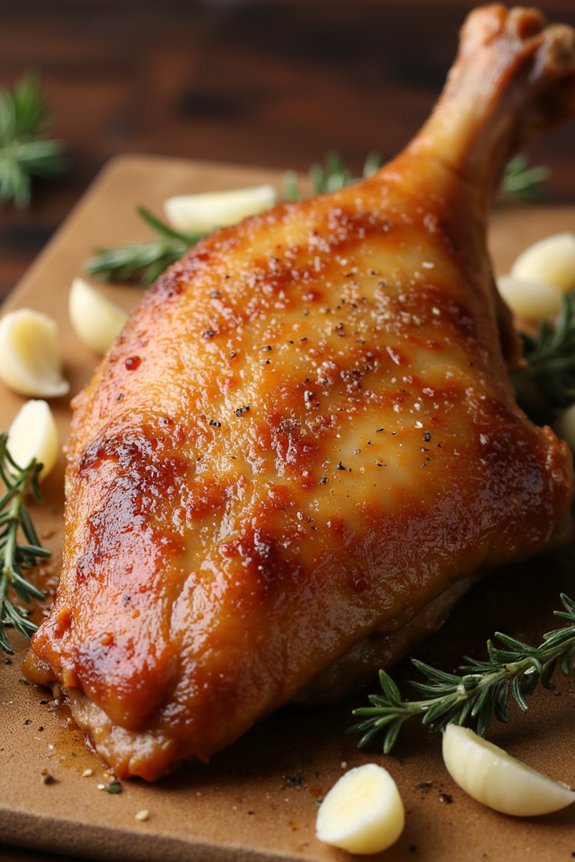
Duck Confit is a quintessential French bistro dish that epitomizes the art of slow cooking and the transformative power of time and patience in the kitchen. Originating from Gascony, this dish involves slowly cooking duck legs in their own fat, resulting in tender, flavorful meat that falls off the bone. The confit method was originally developed as a way to preserve meat before the advent of refrigeration, and it remains a beloved technique for its ability to concentrate flavors and create a melt-in-your-mouth texture.
The process of making Duck Confit is relatively simple, but it requires a bit of planning ahead, as the duck legs need to be cured overnight. Once cured, they’re slowly poached in duck fat, which not only cooks the meat but also imparts a rich, savory flavor. The duck can then be stored in its fat for weeks, improving with age, making it a perfect dish to prepare in advance for a special occasion. When ready to serve, the duck legs are crisped up in a hot oven, creating a delightful contrast between the crispy skin and the tender meat beneath.
Ingredients for 4-6 Servings:
- 4 duck legs (thigh and drumstick attached)
- 1/4 cup kosher salt
- 1 tablespoon black peppercorns
- 1 tablespoon juniper berries (optional)
- 4 cloves garlic, crushed
- 4 sprigs of fresh thyme
- 2 bay leaves
- 4 cups duck fat
Cooking Instructions:
- Curing the Duck:
- Rinse the duck legs under cold water and pat them dry with paper towels.
- In a small bowl, mix the kosher salt, black peppercorns, juniper berries, crushed garlic, fresh thyme, and bay leaves.
- Rub the salt mixture evenly over the duck legs, guaranteeing they’re well-coated. Place the duck legs in a shallow dish, cover with plastic wrap, and refrigerate for at least 12 hours, preferably overnight.
- Preparing the Duck for Cooking:
- Preheat your oven to 225°F (110°C).
- Rinse the duck legs under cold water to remove the salt cure and pat them dry thoroughly with paper towels.
- Cooking the Duck in Fat:
- Place the duck legs in a single layer in a large, ovenproof saucepan or a Dutch oven. Cover them completely with duck fat.
- Place the pan in the preheated oven and cook for 2 to 3 hours, or until the duck meat is tender and easily pulls away from the bone. Check occasionally to verify the duck is fully submerged in fat.
- Storing the Duck Confit:
- Allow the duck legs to cool in the fat. Once cooled, transfer them to a container, guaranteeing they’re completely covered with fat. They can be stored in the refrigerator for up to a month.
- Finishing the Duck for Serving:
- When ready to serve, preheat your oven to 400°F (200°C).
- Remove the duck legs from the fat and place them skin-side up on a baking sheet.
- Roast in the oven for 15-20 minutes until the skin is crispy and golden brown.
Extra Tips:
For best results, always use high-quality duck fat, as it greatly impacts the flavor of the dish. If you can’t find duck fat, it can be purchased online or rendered from duck trimmings and excess skin.
Additionally, if you plan to store the duck confit, verify that the duck legs are completely submerged in fat to preserve them properly. Should you prefer a more pronounced flavor, consider adding additional herbs like rosemary or bay leaves to the curing mix.
Finally, reserve the leftover duck fat for roasting potatoes or vegetables, as it adds incredible depth and richness to other dishes.
Croque Monsieur

Croque Monsieur is a classic French bistro staple, revered for its simplicity yet decadent flavors. This delightful sandwich combines layers of creamy béchamel sauce, rich Gruyère cheese, and savory ham, all nestled between slices of perfectly toasted bread. Perfect for brunch or a cozy dinner, the Croque Monsieur is a confirmation to the art of French cuisine, offering a crisp exterior that gives way to a melty, cheesy interior, making it a favorite among food lovers worldwide.
While traditionally served hot, the Croque Monsieur can be adapted to suit various tastes and preferences. Whether enjoyed as a quick bite or a leisurely meal, its versatility is unmatched. This rendition of the classic recipe is designed to serve 4-6 people, making it ideal for a family gathering or a small dinner party. With a few staple ingredients and straightforward cooking techniques, you can bring the charm of a French bistro to your own kitchen.
Ingredients (Serves 4-6):
- 8 slices of white bread
- 6 tablespoons unsalted butter, softened
- 4 tablespoons all-purpose flour
- 2 cups whole milk
- 1/2 teaspoon salt
- 1/4 teaspoon freshly ground black pepper
- 1/4 teaspoon grated nutmeg
- 2 cups grated Gruyère cheese
- 12 slices of good-quality ham
- 1 tablespoon Dijon mustard
Cooking Instructions:
- Preheat the Oven: Start by preheating your oven to 400°F (200°C) to make sure it’s hot enough to properly toast the sandwiches.
- Make the Béchamel Sauce: In a medium saucepan, melt 2 tablespoons of butter over medium heat. Add the flour, stirring constantly until a paste forms, about 2 minutes. Gradually whisk in the milk, making sure there are no lumps. Continue to cook, whisking constantly, until the sauce thickens, about 5-7 minutes. Season with salt, pepper, and nutmeg. Remove from heat and stir in 1/2 cup of Gruyère cheese until melted and smooth.
- Prepare the Bread: Lightly butter one side of each slice of bread with the remaining softened butter. Place the bread slices, buttered side down, on a baking sheet lined with parchment paper.
- Assemble the Sandwiches: Spread a thin layer of Dijon mustard on the unbuttered side of half of the bread slices. Top each with 2 slices of ham and a generous sprinkling of Gruyère cheese. Place another slice of bread on top, buttered side up, to complete the sandwiches.
- Bake the Sandwiches: Place the sandwiches in the preheated oven and bake for about 5 minutes, or until the bread begins to turn golden.
- Add Béchamel and Cheese: Remove sandwiches from the oven and spoon a thick layer of béchamel sauce over the top of each sandwich. Sprinkle the remaining Gruyère cheese on top.
- Finish Baking: Return the sandwiches to the oven and bake for an additional 5-10 minutes, or until the cheese is bubbly and golden brown. For an even crispier top, switch the oven to broil for the last 2 minutes, watching closely to avoid burning.
- Serve: Allow the Croque Monsieur to cool for a minute before slicing and serving warm.
Extra Tips:
To achieve the perfect Croque Monsieur, use high-quality ingredients, particularly the ham and Gruyère cheese, as their flavors are central to the dish. If you prefer a slightly more robust flavor, consider adding a splash of dry white wine or a teaspoon of wholegrain mustard to the béchamel sauce.
For an extra crispy texture, you can toast the bread slices in a pan on the stovetop before assembling the sandwiches. Finally, if you want to transform your Croque Monsieur into a Croque Madame, simply top it with a fried egg before serving.
Niçoise Salad
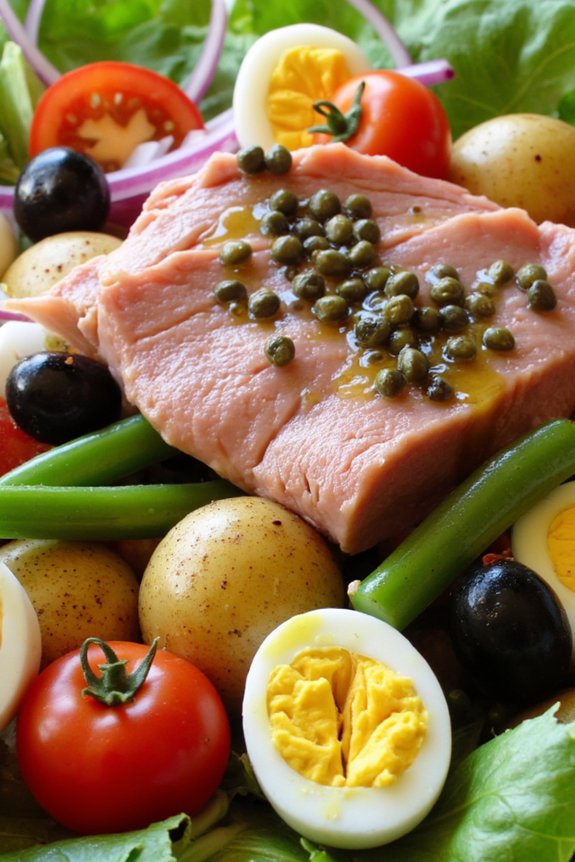
Niçoise Salad is a classic French dish that beautifully combines fresh vegetables, protein, and a tangy dressing to create a revitalizing and satisfying meal. Originating from the French city of Nice, this salad traditionally includes a mix of fresh greens, tomatoes, hard-boiled eggs, olives, and tuna, all dressed in a light vinaigrette.
It’s perfect as a light lunch or a substantial side dish for dinner, bringing a taste of the Mediterranean to your table. This recipe serves 4-6 people and brings together the vibrant colors and flavors of the ingredients, making it as pleasing to the eye as it’s to the palate.
The salad can be served as a composed dish or tossed together, depending on your preference. Whether you’re an experienced cook or a beginner, this Niçoise Salad is straightforward to prepare and is sure to impress.
Ingredients:
- 1 pound small new potatoes
- 4 large eggs
- 1 pound green beans, trimmed
- 2 cups cherry tomatoes, halved
- 1/2 small red onion, thinly sliced
- 1/3 cup Niçoise olives or other small black olives
- 2 cans (5-6 ounces each) of tuna in olive oil, drained
- 6 cups mixed salad greens
- 2 tablespoons capers
- 3 tablespoons red wine vinegar
- 1 teaspoon Dijon mustard
- 1/3 cup extra virgin olive oil
- Salt and freshly ground black pepper to taste
Instructions:
- Prepare the Potatoes: In a large pot, bring salted water to a boil. Add the new potatoes and cook until tender, about 15-20 minutes. Drain and let them cool slightly. Once cool, slice them into halves or quarters, depending on size.
- Cook the Eggs: While the potatoes are cooking, place the eggs in a small saucepan and cover with cold water. Bring to a boil, then remove from heat and let sit for 10 minutes. Drain and cool the eggs under cold running water. Peel and slice them into quarters.
- Blanch the Green Beans: Bring another pot of salted water to a boil. Add the green beans and cook until bright green and tender-crisp, about 4 minutes. Drain and plunge into ice water to stop the cooking process. Drain again and set aside.
- Make the Dressing: In a small bowl, whisk together the red wine vinegar, Dijon mustard, and a pinch of salt and pepper. Gradually whisk in the olive oil until the dressing is emulsified.
- Assemble the Salad: On a large serving platter or individual plates, arrange the salad greens as a base. Layer the potatoes, green beans, cherry tomatoes, red onion, olives, and tuna over the greens. Top with the quartered eggs and sprinkle with capers.
- Dress the Salad: Drizzle the dressing over the salad components. Season with additional salt and pepper to taste.
Extra Tips:
For an authentic flavor, use Niçoise olives, which are small French olives known for their rich taste. If they’re unavailable, substitute with other small black olives.
To enhance the salad’s presentation, consider serving it as a composed salad with each ingredient grouped separately on the plate. This allows diners to appreciate each component’s flavor and texture individually.
Always use the best quality tuna available, preferably packed in olive oil, to guarantee the best taste.
Bouillabaisse
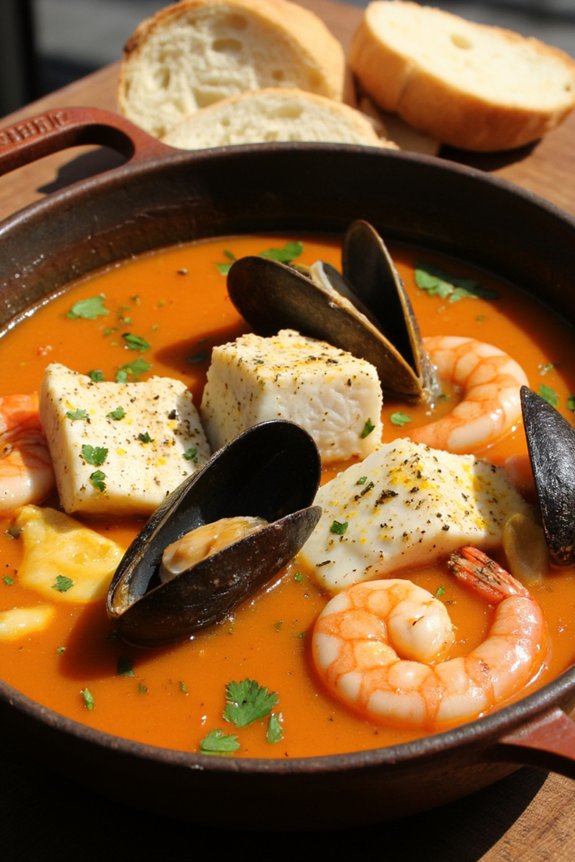
Bouillabaisse is a renowned French fish stew that hails from the sunny coastal region of Provence. Traditionally, it was a humble dish made by fishermen using the bony rockfish they couldn’t sell to restaurants or markets. Over the years, it has become a culinary classic, celebrated for its rich, aromatic broth and the exquisite combination of fresh seafood. This delightful dish typically includes a variety of fish and shellfish, cooked in a broth flavored with herbs, spices, and a hint of saffron, giving it its characteristic golden hue.
To create an authentic Bouillabaisse that serves 4-6 people, you’ll need to gather a selection of fresh ingredients. The essence of Bouillabaisse lies in its broth, which absorbs the flavors of Provence through ingredients like fennel, leeks, tomatoes, and orange zest. The seafood, which can include a mix of white fish, mussels, clams, and shrimp, should be as fresh as possible to guarantee the dish’s full flavor potential. This recipe will guide you through the process of creating this classic French dish at home.
Ingredients (Serves 4-6):
- 2 tablespoons olive oil
- 1 large onion, chopped
- 2 leeks, white parts only, sliced
- 2 cloves garlic, minced
- 1 large fennel bulb, sliced
- 1 large tomato, diced
- Zest of 1 orange
- 1 teaspoon saffron threads
- 4 cups fish stock
- 1 cup dry white wine
- 1 bay leaf
- 1 teaspoon dried thyme
- 1/2 teaspoon dried fennel seeds
- Salt and pepper to taste
- 2 pounds mixed fish fillets (such as cod, snapper, or sea bass), cut into chunks
- 12 mussels, cleaned and debearded
- 12 clams, scrubbed
- 12 large shrimp, peeled and deveined
- 1/4 cup chopped fresh parsley
- Baguette slices, toasted
- Rouille sauce, for serving
Cooking Instructions:
- Prepare the Base: Heat the olive oil in a large pot over medium heat. Add the chopped onion, leeks, and garlic. Sauté for about 5 minutes until the vegetables are soft and fragrant. Stir in the fennel and diced tomato, cooking for an additional 3 minutes.
- Infuse the Broth: Add the orange zest, saffron threads, fish stock, white wine, bay leaf, thyme, and fennel seeds to the pot. Season with salt and pepper. Bring the mixture to a boil, then reduce the heat to low and let it simmer uncovered for about 20 minutes to allow the flavors to meld.
- Cook the Seafood: Add the fish chunks to the simmering broth and cook for about 5 minutes. Then, add the mussels, clams, and shrimp. Cover the pot and cook for another 5-7 minutes, or until the shellfish have opened and the shrimp are pink and opaque.
- Finish and Serve: Discard the bay leaf and any unopened shellfish. Stir in the chopped fresh parsley. Ladle the Bouillabaisse into bowls, guaranteeing a good mix of broth and seafood in each serving. Serve hot with toasted baguette slices and a dollop of rouille sauce on the side.
Extra Tips:
For the best Bouillabaisse, use the freshest seafood available—freshness is key to the dish’s flavor. If you can’t find a particular type of fish, feel free to substitute with other firm white fish that holds well in a stew.
Prepare the rouille sauce ahead of time; it’s a traditional accompaniment made from garlic, saffron, and red pepper, offering a spicy kick that enhances the stew’s flavors.
Finally, don’t forget to toast the baguette slices; they provide a satisfying crunch and are perfect for soaking up the delicious broth.
Quiche Lorraine

Quiche Lorraine is a quintessential French dish that combines a savory custard with the rich flavors of bacon and cheese, all nestled in a buttery, flaky pastry crust. Originating from the Lorraine region of France, this dish is a staple in French bistros and a versatile addition to any meal, whether served as a breakfast treat, a light lunch, or a delightful dinner.
Its classic ingredients and comforting taste make it a beloved choice for both casual and formal dining occasions. The beauty of Quiche Lorraine lies in its simplicity and the harmonious balance of flavors. The creamy custard base, made from eggs and cream, provides a luscious texture that envelops the crispy bacon and melted cheese.
The pastry crust, when baked to golden perfection, adds an irresistible crunch that complements the soft filling. Whether you’re an experienced chef or a novice in the kitchen, this recipe is approachable and yields impressive results, making it a perfect dish to master for any home cook.
Ingredients for Quiche Lorraine (serves 4-6):
- 1 9-inch pastry crust (store-bought or homemade)
- 6 slices of bacon
- 1 cup grated Gruyère cheese
- 4 large eggs
- 1 cup heavy cream
- 1 cup whole milk
- 1/4 teaspoon salt
- 1/4 teaspoon freshly ground black pepper
- 1/8 teaspoon ground nutmeg
Cooking Instructions:
- Prepare the Crust: Preheat your oven to 375°F (190°C). Roll out the pastry crust and fit it into a 9-inch pie pan. Trim any excess dough and prick the bottom with a fork to prevent bubbling. Bake the crust for 10 minutes, then remove from the oven and set aside to cool slightly.
- Cook the Bacon: In a medium skillet over medium heat, cook the bacon slices until crispy. Remove from the skillet and drain on paper towels. Once cool, crumble the bacon into small pieces.
- Assemble the Filling: In a large mixing bowl, whisk together the eggs, heavy cream, and whole milk until well combined. Add in the salt, pepper, and nutmeg, and whisk again to integrate the spices.
- Layer the Ingredients: Evenly distribute the crumbled bacon over the bottom of the pre-baked pie crust. Follow with an even layer of the grated Gruyère cheese.
- Pour the Custard: Carefully pour the egg and cream mixture over the bacon and cheese, making sure it’s evenly distributed and reaches the edges of the crust.
- Bake the Quiche: Place the filled quiche in the preheated oven and bake for 35-40 minutes, or until the custard is set and the top is a light golden brown. A knife inserted into the center should come out clean.
- Cool and Serve: Remove the quiche from the oven and allow it to cool for at least 10 minutes before slicing. This will help the custard set further and make for cleaner slices. Serve warm or at room temperature.
Extra Tips:
To achieve the best results for your Quiche Lorraine, make sure to use high-quality ingredients, especially when it comes to the cheese and bacon, as they greatly influence the dish’s flavor.
If Gruyère cheese is unavailable, you can substitute it with Swiss cheese or Emmental. For a richer flavor, consider adding a touch of Dijon mustard to the custard mixture. Additionally, verify the pastry crust is well-chilled before baking to prevent shrinkage.
If you find the edges browning too quickly, cover them with aluminum foil halfway through the baking process. Enjoy your quiche with a simple green salad for a complete meal.
Moules Marinières
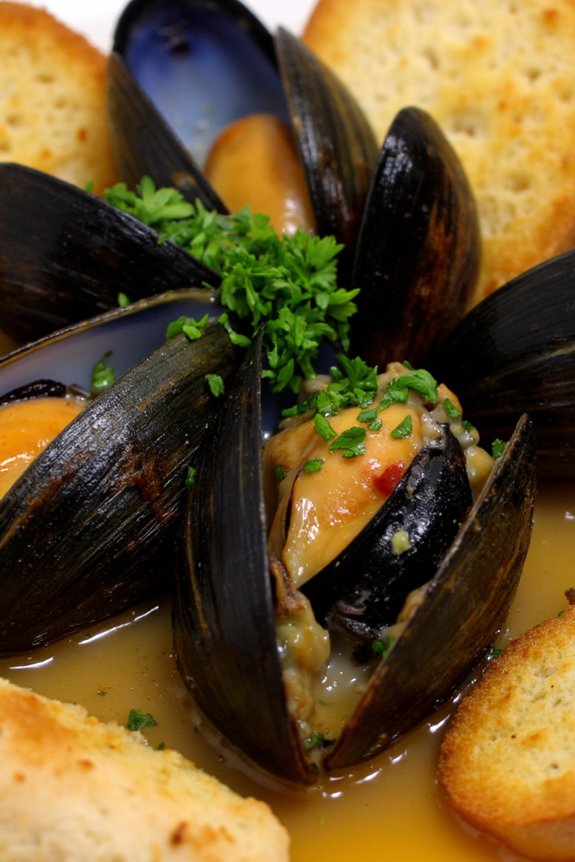
Moules Marinières is a classic French bistro dish that celebrates the natural brininess of fresh mussels. This dish is beloved for its simplicity and the way it captures the essence of the sea. Originating from the coastal regions of France, Moules Marinières is a quick and easy recipe that highlights the delicate flavors of mussels combined with white wine, aromatic herbs, and a hint of creaminess.
It’s perfect for a light yet satisfying meal, often enjoyed with crusty bread to soak up the flavorful broth. Ideal for a gathering or a casual family dinner, this recipe serves 4-6 people and can be prepared in under an hour. As you begin this culinary journey, make certain that you start with fresh, high-quality mussels. They’re the star of the show and will make all the difference in the taste and presentation of the dish.
With just a few simple ingredients and straightforward steps, you’ll have a taste of French cuisine right in your kitchen.
Ingredients (serves 4-6 people):
- 4 pounds fresh mussels, cleaned and debearded
- 2 tablespoons unsalted butter
- 2 shallots, finely chopped
- 2 cloves garlic, minced
- 1 cup dry white wine
- 1/2 cup heavy cream
- 1 bay leaf
- 1 sprig fresh thyme
- Salt and freshly ground black pepper, to taste
- 1/4 cup fresh parsley, chopped
- Lemon wedges, for serving
- Crusty bread, for serving
Instructions:
- Clean the Mussels: Begin by thoroughly rinsing the mussels under cold running water. Scrub the shells to remove any debris and debeard them by pulling away the fibrous beard from the shell. Discard any mussels that are cracked or don’t close when tapped.
- Prepare the Base: In a large pot or Dutch oven, melt the butter over medium heat. Add the chopped shallots and minced garlic, sautéing for about 2-3 minutes until they’re soft and fragrant, but not browned.
- Add Wine and Herbs: Stir in the dry white wine, then add the bay leaf and thyme sprig. Increase the heat to medium-high and bring the mixture to a simmer.
- Cook the Mussels: Once the wine is simmering, add the cleaned mussels to the pot. Cover with a tight-fitting lid and cook for about 5-7 minutes, shaking the pot occasionally, until the mussels have opened. Discard any mussels that remain closed.
- Finish with Cream: Reduce the heat to low and remove the bay leaf and thyme sprig. Stir in the heavy cream, and season with salt and freshly ground black pepper to taste. Allow the mixture to gently heat through for another 1-2 minutes.
- Serve: Transfer the mussels and broth to a large serving bowl. Sprinkle with chopped fresh parsley and serve immediately with lemon wedges and crusty bread on the side.
Extra Tips:
When cooking Moules Marinières, it’s essential to use fresh mussels for the best taste. If possible, purchase them on the day you plan to cook. Keep them in a bowl covered with a damp cloth in the refrigerator until you’re ready to start cooking.
To enhance the dish, you can also add a splash of Pernod or a pinch of saffron to the broth for extra depth of flavor. Remember to taste the broth before adding salt, as the mussels release their natural briny juices, which may already be salty enough. Enjoy this dish with a chilled glass of the same white wine you used in the recipe for a perfect pairing.
Tarte Tatin
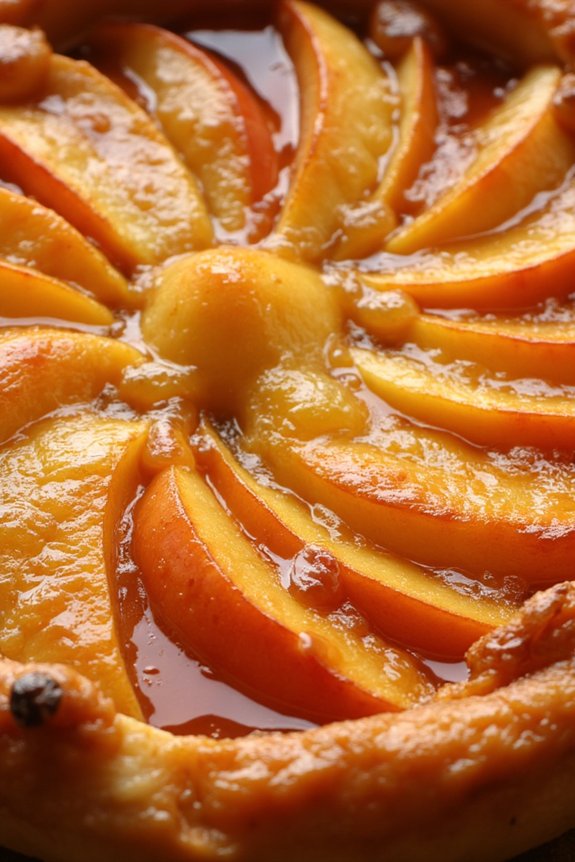
Tarte Tatin is a classic French dessert that epitomizes the essence of rustic elegance. Originating from the Loire Valley, this upside-down caramelized apple tart is a delightful combination of tender, buttery pastry and luscious, sweet apples. The legend has it that Tarte Tatin was created by accident in the late 19th century when the Tatin sisters of Hôtel Tatin mismanaged their apple tart, inadvertently transforming it into this delectable treat that has since become a staple in French cuisine.
The rich, golden caramel and the soft, slightly tart apples contrast beautifully with the flaky puff pastry, making it a perfect end to any meal.
To make Tarte Tatin, you’ll start by caramelizing sugar and butter in a cast-iron skillet before layering the apples and covering them with puff pastry. The tart is then baked until the pastry is golden and crispy. Once out of the oven, the tart is inverted onto a serving plate, revealing the beautifully glazed apples.
While the process may seem intimidating, with careful attention to detail and timing, you can achieve a perfect Tarte Tatin at home. Enjoy this classic dessert warm, perhaps with a dollop of crème fraîche or a scoop of vanilla ice cream for an added touch of indulgence.
Ingredients for Tarte Tatin (serving size: 4-6 people):
- 1 sheet of puff pastry
- 6-8 medium-sized apples (such as Granny Smith or Honeycrisp)
- 1 cup granulated sugar
- 1/2 cup unsalted butter
- 1 tablespoon lemon juice
- 1 teaspoon vanilla extract (optional)
- A pinch of salt
Cooking Instructions:
- Prepare the Apples:
- Peel, core, and quarter the apples. Place them in a bowl and toss with lemon juice to prevent browning.
- Caramelize Sugar:
- Preheat your oven to 375°F (190°C). In a 10-inch cast-iron skillet, melt the butter over medium heat. Once melted, add the sugar. Stir occasionally until the mixture turns a deep amber color, about 8-10 minutes. Be careful not to burn the caramel.
- Arrange the Apples:
- Carefully arrange the apple quarters in the caramelized sugar in a circular pattern. Pack them tightly, as they’ll shrink during cooking. Cook the apples in the caramel for about 10-15 minutes, occasionally basting them with the caramel to guarantee even coating.
- Add Flavor:
- After the apples have softened slightly, add a pinch of salt and the vanilla extract (if using). This enhances the overall flavor of the tart.
- Prepare the Pastry:
- Roll out the puff pastry on a lightly floured surface until it’s slightly larger than the skillet. Carefully place the pastry over the apples, tucking the edges down around the apples.
- Bake the Tart:
- Transfer the skillet to the preheated oven. Bake for 25-30 minutes, or until the puff pastry is golden and crisp.
- Invert the Tart:
- Once baked, let the tart cool for about 5 minutes. Carefully invert the tart onto a serving plate. Be cautious, as the caramel will be hot.
Extra Tips:
When making Tarte Tatin, it’s essential to select the right type of apples. Firm, tart apples like Granny Smith hold their shape well during cooking and provide a pleasing contrast to the sweet caramel.
Remember to work quickly when inverting the tart to avoid the caramel sticking to the skillet. If you don’t have a cast-iron skillet, any ovenproof skillet will work, but cast iron helps achieve a more even caramelization.
Finally, allowing the tart to cool slightly before serving helps the caramel to thicken, guaranteeing that each slice holds its shape beautifully.
Crème Brûlée
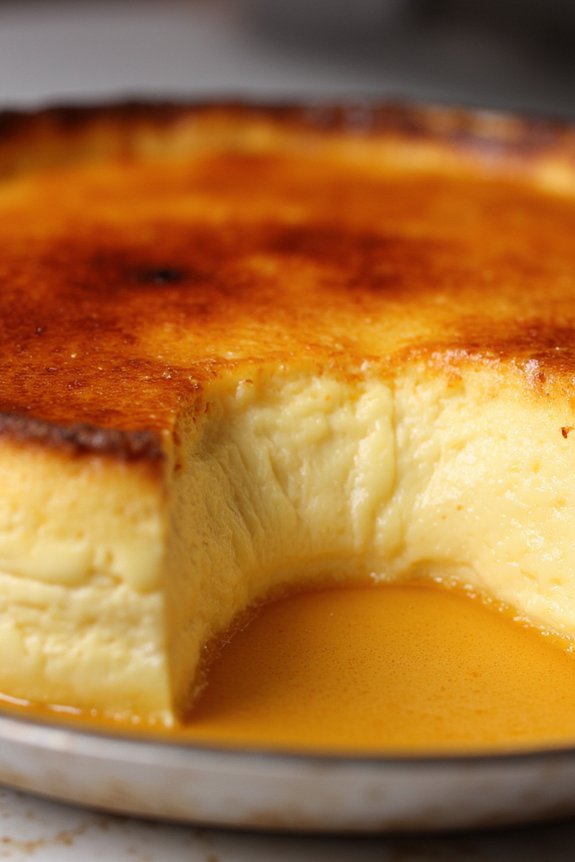
Crème Brûlée is a classic French dessert known for its creamy custard base topped with a contrastingly crunchy caramelized sugar layer. The name itself translates to “burnt cream,” a nod to its delectable topping. This dessert is the epitome of elegance and simplicity, often enjoyed in bistros throughout France and beyond.
Its appeal lies in the balance between the smooth, rich custard and the thin, crisp sugar coating that shatters delightfully under the tap of a spoon.
Making Crème Brûlée at home is surprisingly straightforward, requiring just a few ingredients that come together to create a luxurious treat. The custard is traditionally flavored with vanilla, but variations can include hints of citrus or spices like cinnamon or nutmeg for added depth.
This recipe is designed to serve 4-6 people, perfect for a dinner party or a special family gathering. With a little patience and attention, you can create this timeless dessert that will impress your guests and satisfy your sweet tooth.
Ingredients (Serves 4-6):
- 2 cups heavy cream
- 1 vanilla bean or 1 teaspoon pure vanilla extract
- 5 large egg yolks
- 1/2 cup granulated sugar (plus extra for caramelizing)
- A pinch of salt
Cooking Instructions:
- Preheat the Oven and Prepare Ramekins: Preheat your oven to 325°F (160°C). Arrange 4-6 ramekins in a baking dish with high sides.
- Infuse the Cream: In a medium saucepan, combine the heavy cream, vanilla bean (split and scraped) or vanilla extract, and a pinch of salt. Heat the mixture over medium heat until it just begins to simmer. Remove from heat and let it sit for 10 minutes to infuse the flavors.
- Mix Egg Yolks and Sugar: In a mixing bowl, whisk together the egg yolks and granulated sugar until the mixture is pale and slightly thickened.
- Temper the Egg Mixture: Gradually add a small amount of the warm cream into the egg yolk mixture, whisking constantly to temper the eggs and prevent curdling. Slowly whisk in the remaining cream until well combined.
- Strain the Custard: Pour the custard through a fine-mesh sieve into a clean bowl to remove any cooked egg bits or vanilla pod remnants.
- Fill Ramekins: Pour the strained custard evenly into the prepared ramekins.
- Bake in a Water Bath: Carefully pour hot water into the baking dish until it reaches halfway up the sides of the ramekins. Bake for 30-40 minutes or until the edges are set but the centers still slightly jiggle.
- Cool and Chill: Remove the ramekins from the water bath and let them cool to room temperature. Cover and refrigerate for at least 2 hours or until thoroughly chilled.
- Caramelize the Sugar: Just before serving, sprinkle an even layer of granulated sugar over each custard. Using a kitchen torch, caramelize the sugar until it forms a golden, brittle crust. Alternatively, place the ramekins under a broiler for a few minutes, watching closely to avoid burning.
Extra Tips:
For the perfect Crème Brûlée, verify your oven is preheated and the water bath is hot before placing the custards inside. This helps them cook evenly and prevents cracking.
If you don’t have a kitchen torch, the broiler method works well, but keep a close eye as sugar can burn quickly. Experiment with different flavor additions in the custard, like a splash of liqueur or a sprinkle of spice, to customize this classic dessert to your taste.
Profiteroles

Profiteroles are a classic French dessert that combines light and airy choux pastry with rich and creamy fillings, often topped with a decadent chocolate sauce. These delightful pastries are a staple in French bistros and are perfect for special occasions, offering a sophisticated yet comforting end to a meal.
The choux pastry itself is a versatile component used in various French desserts, known for its unique texture and ability to be filled with both sweet and savory fillings.
To make profiteroles, you’ll begin by preparing a simple choux pastry dough, which is then piped and baked into hollow puffs. Once cooled, the puffs are filled with a smooth vanilla pastry cream or whipped cream. The finishing touch is a generous drizzle of chocolate ganache over the top, adding a luxurious and irresistible element to the dessert. This recipe serves 4-6 people, making it an ideal choice for small gatherings or family dinners.
Ingredients for 4-6 servings:
- 1/2 cup (120ml) water
- 1/2 cup (120ml) milk
- 1/2 cup (113g) unsalted butter
- 1 tablespoon sugar
- 1/4 teaspoon salt
- 1 cup (125g) all-purpose flour
- 4 large eggs
- 1 cup (240ml) heavy cream or pastry cream
- 1 cup (180g) semi-sweet chocolate chips
- 1/2 cup (120ml) heavy cream (for ganache)
Cooking Instructions:
- Prepare the Choux Pastry: Preheat your oven to 400°F (200°C) and line a baking sheet with parchment paper. In a medium saucepan, combine water, milk, butter, sugar, and salt. Bring to a boil over medium heat until the butter is melted. Remove from heat and stir in the flour all at once, mixing vigorously until the mixture forms a smooth ball and pulls away from the sides of the pan.
- Incorporate Eggs: Let the dough cool for 5 minutes. Gradually add the eggs, one at a time, mixing well after each addition until the dough is smooth and glossy. Transfer the dough to a piping bag fitted with a large round tip.
- Pipe and Bake the Profiteroles: Pipe small mounds of dough onto the prepared baking sheet, spacing them about 2 inches apart. Lightly dampen your fingers with water and smooth out any peaks. Bake for 20-25 minutes or until golden brown and puffed. Don’t open the oven door during baking. Remove from oven and cool completely on a wire rack.
- Prepare the Filling: While the profiteroles are cooling, whip the heavy cream to stiff peaks or prepare pastry cream according to your preferred recipe.
- Fill the Profiteroles: Once cooled, use a small sharp knife to make a small hole in the bottom of each profiterole. Fill a piping bag with the whipped or pastry cream and pipe it into each profiterole until full.
- Make the Chocolate Ganache: In a small saucepan, heat the heavy cream until it just begins to simmer. Remove from heat and pour over the chocolate chips in a heatproof bowl. Let sit for 2 minutes, then stir until the chocolate is completely melted and the mixture is smooth.
- Assemble the Profiteroles: Arrange the filled profiteroles on a serving platter and drizzle generously with the chocolate ganache. Serve immediately.
Extra Tips:
For perfectly puffed profiteroles, verify the choux pastry is cooked thoroughly until it forms a dry ball in the saucepan. This step is essential for achieving the right texture.
It’s also important not to open the oven during baking, as the sudden change in temperature can cause the puffs to collapse. If you prefer a more intense chocolate flavor, you can use dark chocolate for the ganache.
Profiteroles are best enjoyed the day they’re made, but you can store the unfilled puffs in an airtight container for up to two days and fill them just before serving.
