

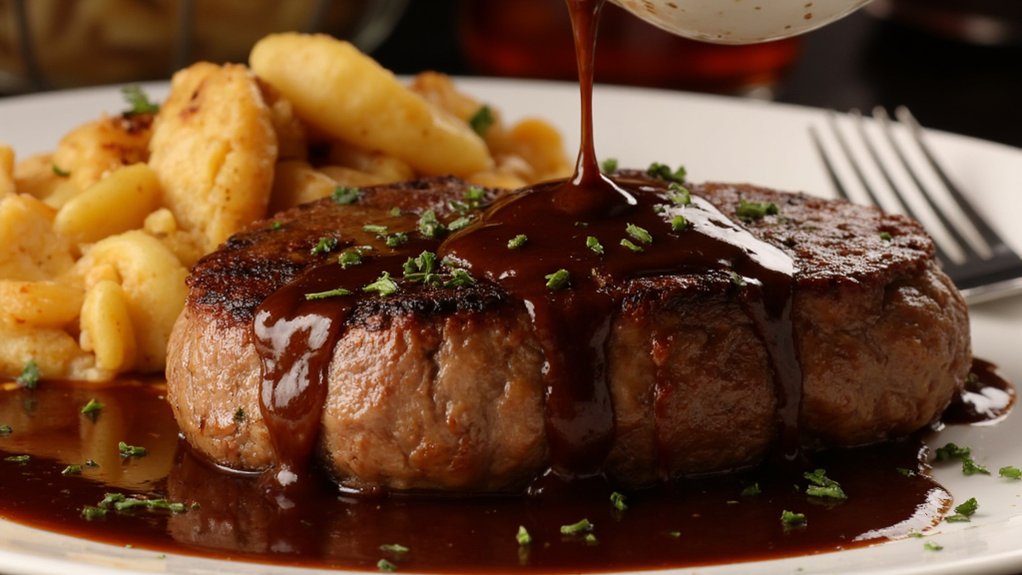
There’s something magical about French mother sauces that every home cook should explore. These classic sauces, from velvety Béchamel to rich Espagnole, are the backbone of countless delicious dishes. They have the power to transform simple ingredients into something truly special. Join me as we explore these essential recipes that every aspiring chef should have in their repertoire. Let’s unlock the secrets behind these timeless culinary classics together.
Béchamel Sauce
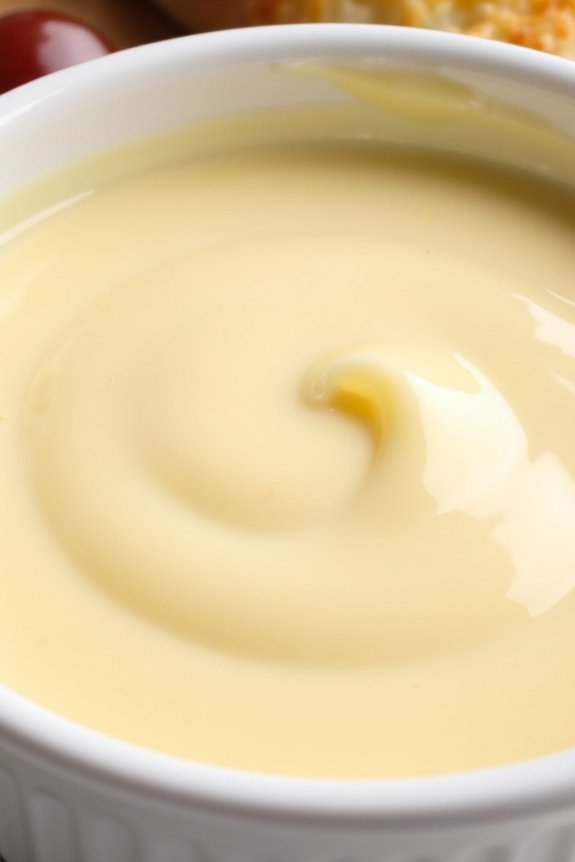
Béchamel sauce, also known as white sauce, is one of the five classic mother sauces in French cuisine. This versatile sauce serves as a base for many dishes, including gratins, lasagna, and creamy soups. Its velvety texture and mild flavor make it a perfect canvas for adding various seasonings, cheeses, or herbs to suit your culinary needs.
Traditionally made with a roux of butter and flour, milk is gradually whisked in to achieve the desired consistency, resulting in a smooth and creamy sauce. Creating a perfect Béchamel sauce requires patience and attention to detail to guarantee there are no lumps and the sauce has a silky finish. The key is in the gentle, gradual incorporation of milk and constant stirring.
With a few ingredients and a little time, you can master this essential sauce and enhance your repertoire of recipes with a touch of French elegance. This recipe serves 4-6 people, making it ideal for family meals or small gatherings.
Ingredients:
- 4 tablespoons unsalted butter
- 1/4 cup all-purpose flour
- 4 cups whole milk
- 1/2 teaspoon salt
- 1/4 teaspoon white pepper
- A pinch of nutmeg (optional)
Cooking Instructions:
- Prepare the Roux: In a medium-sized saucepan, melt the butter over medium heat. Once melted, add the flour, whisking constantly for about 2-3 minutes. The mixture should bubble but not brown, resulting in a pale golden color.
- Incorporate the Milk: Gradually pour in the milk, starting with just a splash. Whisk constantly to combine, guaranteeing there are no lumps. Continue adding the milk, a little at a time, while whisking continuously until all the milk is incorporated and the mixture is smooth.
- Thicken the Sauce: Increase the heat to medium-high and bring the mixture to a gentle simmer. Stir continuously to prevent sticking and burning. As the sauce begins to thicken, reduce the heat to low.
- Season the Sauce: Once the sauce has reached your desired thickness, usually after about 10 minutes, remove from heat. Stir in the salt, white pepper, and nutmeg if using. Taste and adjust seasoning as needed.
- Strain (Optional): For an ultra-smooth finish, strain the sauce through a fine-mesh sieve into a clean bowl or saucepot. This step is optional but recommended for a perfectly smooth texture.
Extra Tips:
When making Béchamel sauce, it’s important to use a whisk to guarantee a smooth consistency and prevent lumps. If you notice any lumps forming, you can use an immersion blender to smoothen the sauce. Additionally, using room-temperature milk can help it incorporate more easily into the roux.
Remember not to leave the sauce unattended as it can burn quickly – continuous stirring is key. Finally, feel free to customize your Béchamel sauce by adding cheese for a Mornay sauce or infusing with herbs such as thyme or bay leaf for enhanced flavor.
Velouté Sauce
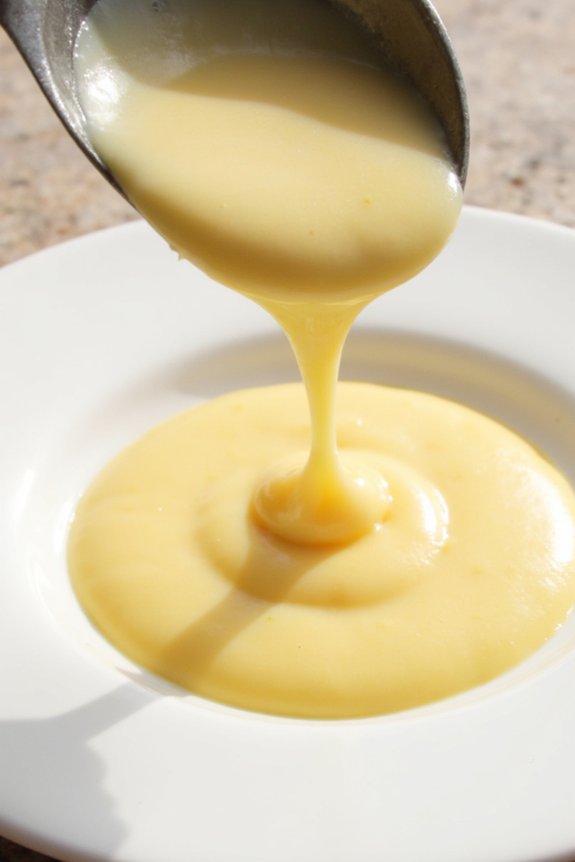
Velouté sauce is one of the foundational French mother sauces, celebrated for its smooth and creamy texture, which serves as a versatile base for many dishes. This classic sauce is made by thickening a light stock with a white roux. While it’s often used as a foundation for more complex sauces, velouté can also enhance the flavor of simple dishes, such as chicken or fish, when served on its own. The sauce derives its name from the French word for “velvety,” which perfectly describes its rich and silky consistency.
To prepare a traditional velouté sauce, you’ll need a few basic ingredients that are likely already in your kitchen. The key to achieving the perfect velouté is creating a well-balanced roux and using a quality stock. It’s essential to stir continuously to prevent any lumps from forming, ensuring a smooth finish. This recipe will guide you through the steps to create a velouté sauce that serves 4-6 people, perfect for a family dinner or a small gathering.
Ingredients:
- 4 tablespoons unsalted butter
- 4 tablespoons all-purpose flour
- 4 cups chicken, fish, or veal stock
- Salt, to taste
- White pepper, to taste
- 1/2 teaspoon lemon juice (optional)
Instructions:
- Prepare the Roux: In a medium saucepan, melt the butter over medium heat. Add the flour gradually, whisking constantly to form a smooth paste. Continue to cook the roux for about 2-3 minutes, ensuring it remains pale in color and doesn’t brown.
- Add the Stock: Slowly pour in the stock, continuing to whisk vigorously to prevent lumps from forming. Once all the stock is incorporated, increase the heat to bring the mixture to a gentle simmer.
- Simmer the Sauce: Allow the sauce to simmer for approximately 20 minutes, stirring occasionally. This will help reduce the sauce slightly and enhance its flavor. Be sure to skim any foam or impurities that rise to the surface.
- Season the Sauce: After the sauce has thickened to your desired consistency, season it with salt and white pepper to taste. If desired, add a touch of lemon juice for brightness.
- Strain the Sauce: For the smoothest texture, pass the sauce through a fine-mesh sieve into a clean saucepan or serving dish, removing any remaining lumps or impurities.
Extra Tips:
When making velouté sauce, patience is key. Take your time when cooking the roux, as rushing this step can lead to a gritty sauce. If you notice any lumps forming while adding the stock, vigorously whisk the mixture to break them up.
For a richer flavor, consider using homemade stock if possible. Finally, remember that velouté can be a base for many other sauces, such as sauce suprême or allemande, so feel free to experiment by adding different herbs or spices to complement your main dish.
Espagnole Sauce
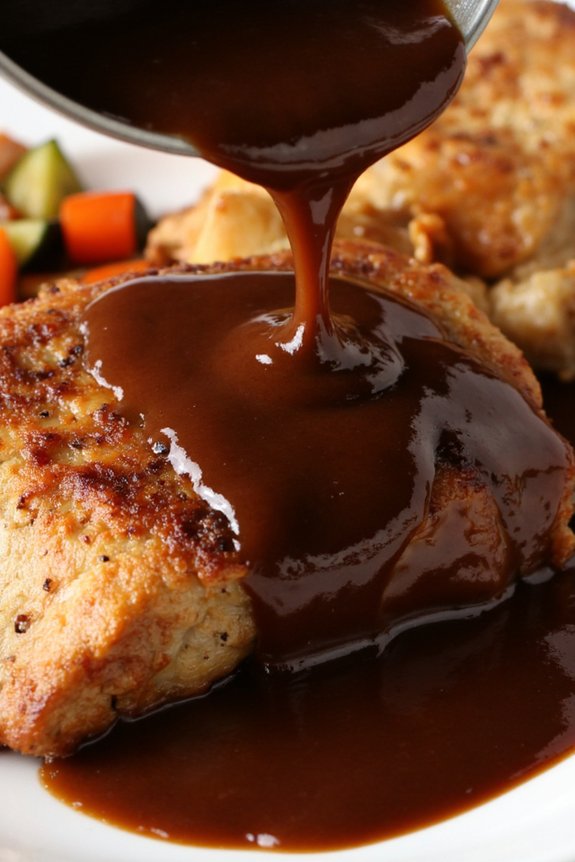
Espagnole sauce, also known as brown sauce, is one of the classic French mother sauces that forms the basis for many delicious dishes. This rich and flavorful sauce is made with a brown stock, tomato purée, brown roux, and a variety of aromatic vegetables. It serves as a foundation for creating a variety of derivative sauces, such as demi-glace, and can elevate the flavor profile of meats and other dishes.
Crafting this sauce requires a bit of patience, but the deep, robust flavors are well worth the effort. The key to a perfect Espagnole sauce lies in the careful browning of the ingredients, which develops the rich, deep flavors vital to the sauce. The process involves slowly cooking the vegetables until they caramelize, creating a complex base, and then adding the brown roux and stock to thicken and enrich the sauce. The result is a luscious, smooth sauce that can be served over roasted or grilled meats, or used as a base for more complex sauces.
Ingredients (Serves 4-6):
- 1/2 cup unsalted butter
- 1/2 cup all-purpose flour
- 1/4 cup tomato purée
- 1 quart brown beef stock
- 1/2 cup diced carrots
- 1/2 cup diced onions
- 1/4 cup diced celery
- 2 cloves garlic, minced
- 1 bay leaf
- 1/2 teaspoon dried thyme
- 1/4 cup red wine (optional)
- Salt and pepper to taste
Cooking Instructions:
- Prepare the Roux: Begin by melting the butter in a heavy-bottomed saucepan over medium heat. Once melted, add the flour and stir continuously for about 5-7 minutes until the mixture turns a light brown color. This is your brown roux, which will thicken the sauce.
- Cook the Vegetables: In a separate large saucepan, add the diced carrots, onions, celery, and garlic. Sauté over medium heat until the vegetables are lightly caramelized, about 10-12 minutes. This step is essential for developing the flavor base of your sauce.
- Combine Ingredients: Stir the tomato purée into the caramelized vegetables and cook for an additional 2 minutes. This will help reduce the acidity of the tomatoes.
- Add the Stock: Gradually add the brown beef stock to the vegetable mixture, stirring constantly to prevent lumps from forming. Bring the mixture to a simmer.
- Incorporate the Roux: Slowly whisk the brown roux into the simmering stock and vegetable mixture. Continue to whisk until the sauce begins to thicken.
- Flavor the Sauce: Add the bay leaf, thyme, and red wine (if using) to the sauce. Allow it to simmer gently for about 45 minutes to an hour, stirring occasionally, until it reaches the desired consistency. Skim off any impurities or fat that rise to the surface.
- Strain and Season: Once the sauce has thickened, remove it from the heat and strain it through a fine-mesh sieve to remove the vegetables and herbs. Season with salt and pepper to taste.
Extra Tips:
Espagnole sauce can be made in advance and stored in the refrigerator for several days or frozen for up to three months. When reheating, do so gently over low heat to prevent the sauce from separating.
For a smoother texture, you can blend the sauce before straining. Feel free to adjust the seasoning to suit your taste, and remember that the sauce will thicken as it cools, so adjust the consistency accordingly.
Hollandaise Sauce

Hollandaise sauce is a rich and creamy emulsion of egg yolks, butter, and lemon juice, typically seasoned with salt and a pinch of cayenne pepper. This classic French sauce is one of the five mother sauces of French cuisine and is renowned for its silky texture and tangy flavor.
It’s commonly served over eggs Benedict, steamed vegetables, or grilled fish, and its luxurious taste elevates any dish it accompanies.
Making Hollandaise sauce requires careful attention to temperature and whisking techniques to achieve the perfect consistency. The key is to gently cook the egg yolks without scrambling them, while continuously incorporating melted butter.
Although it may seem intimidating at first, with a bit of patience and practice, you can master this essential sauce. Below is a recipe to prepare Hollandaise sauce for 4-6 servings.
Ingredients:
- 4 large egg yolks
- 1 tablespoon lemon juice
- 1/2 cup unsalted butter (1 stick), melted
- 1/4 teaspoon salt
- A pinch of cayenne pepper (optional)
- 1 tablespoon water
Instructions:
- Prepare a Double Boiler: Fill a pot with about an inch of water and bring it to a gentle simmer over medium heat. Place a heatproof bowl on top of the pot, making sure it doesn’t touch the water. This setup will serve as your double boiler.
- Whisk the Egg Yolks: In the heatproof bowl, combine the egg yolks and water. Whisk the mixture vigorously until it becomes pale and slightly thickened, which should take about 2 minutes. This step prepares the yolks to emulsify with the butter.
- Add Lemon Juice: Add the lemon juice to the egg mixture and continue whisking for another 30 seconds. The acidity from the lemon juice not only adds flavor but also helps stabilize the sauce.
- Incorporate the Butter: Slowly drizzle the melted butter into the egg mixture while whisking constantly. It’s vital to add the butter gradually to guarantee a smooth emulsion. Continue whisking until all the butter is incorporated, and the sauce is thickened and glossy.
- Season the Sauce: Remove the bowl from the heat and whisk in the salt and cayenne pepper (if using). Adjust seasoning to taste, adding more lemon juice or salt as desired.
- Serve Immediately: Hollandaise sauce is best served fresh. If it thickens too much, whisk in a few drops of warm water to reach the desired consistency.
Extra Tips:
Achieving the right consistency and flavor balance in Hollandaise sauce can be challenging but rewarding. Make sure the heat under the double boiler is low to prevent the eggs from scrambling.
If your sauce starts to separate, try whisking in a teaspoon of cold water to bring it back together. Always taste and adjust the seasoning, as the balance of salt and lemon juice can vary depending on personal preference.
Finally, practice makes perfect, so don’t be discouraged if your first attempt isn’t flawless.
Tomato Sauce
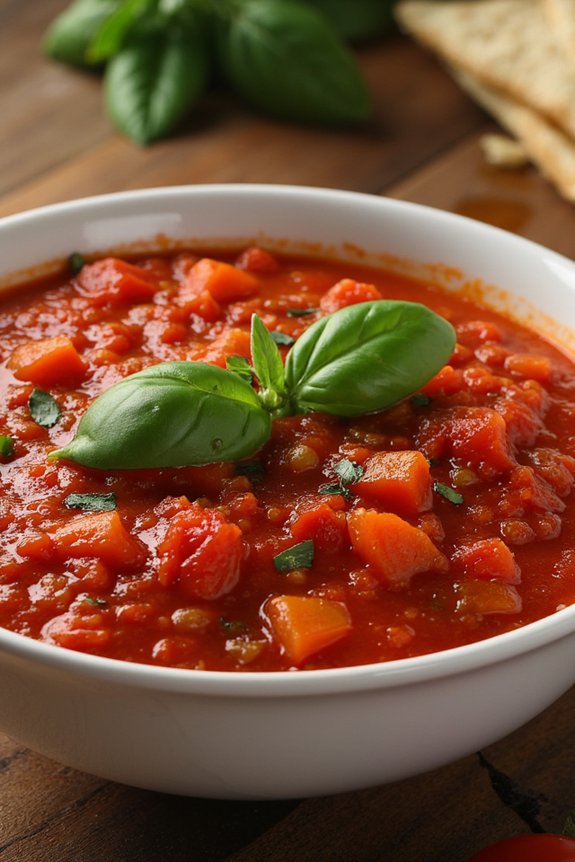
Tomato sauce, known as Sauce Tomate in French cuisine, is one of the five mother sauces and forms the base for a multitude of dishes. This sauce is rich, versatile, and packed with the robust flavor of ripe tomatoes, herbs, and aromatics. Traditionally, it’s used in various recipes ranging from pasta to meats, and can also be a delicious accompaniment to vegetables.
While the classic French tomato sauce is a bit more complex than its Italian counterpart, the depth of flavor it provides is unmatched, making it a staple in both professional and home kitchens.
To create a classic French tomato sauce, you’ll simmer tomatoes with aromatic vegetables, herbs, and a hint of garlic. This slow-cooking process helps to develop a deep, flavorful sauce that can be used immediately or stored for later use. Making tomato sauce from scratch can seem intimidating, but with a bit of patience and the right ingredients, you can create a sauce that elevates any meal.
Here is a classic recipe for a serving size of 4-6 people:
Ingredients:
- 2 tablespoons olive oil
- 1 medium onion, finely chopped
- 2 cloves garlic, minced
- 1 carrot, finely chopped
- 1 celery stalk, finely chopped
- 2 tablespoons tomato paste
- 2 cans (28 ounces each) of whole peeled tomatoes
- 1 bay leaf
- 1 teaspoon dried thyme
- 1 teaspoon dried oregano
- Salt and pepper to taste
- 1 tablespoon sugar (optional)
- 1/4 cup fresh basil, chopped
Cooking Instructions:
- Prepare the Aromatics: In a large saucepan over medium heat, add olive oil. Once heated, add the chopped onion, garlic, carrot, and celery. Sauté these vegetables for about 5-7 minutes until they’re soft and translucent.
- Incorporate Tomato Paste: Stir in the tomato paste, cooking it with the vegetables for 2 minutes. This helps to caramelize the paste, enhancing the sauce’s richness.
- Add the Tomatoes: Pour in the canned tomatoes, breaking them up with a spoon. If you prefer a smoother sauce, you can crush the tomatoes with a potato masher or blend them before adding.
- Season the Sauce: Add the bay leaf, dried thyme, dried oregano, salt, and pepper. Stir well to combine all the ingredients.
- Simmer to Perfection: Reduce the heat to low, cover the pot, and let the sauce simmer gently for about 45 minutes to 1 hour. Stir occasionally to prevent sticking, and taste to adjust seasoning. If the sauce is too acidic, add sugar to balance the flavors.
- Finish and Serve: Remove the bay leaf and stir in the fresh basil just before serving. This adds a fresh, aromatic layer to the sauce. Serve over your favorite pasta, or use it as a base for other dishes.
Extra Tips:
For the best flavor, use high-quality canned tomatoes or ripe fresh tomatoes during peak season. If you prefer a smoother sauce, consider using an immersion blender to puree the sauce after simmering.
Be sure to adjust the seasoning at the end, as the flavors develop and intensify during cooking. If you plan to store the sauce, let it cool completely and store it in airtight containers in the refrigerator for up to a week or freeze it for up to three months.
Mayonnaise Sauce
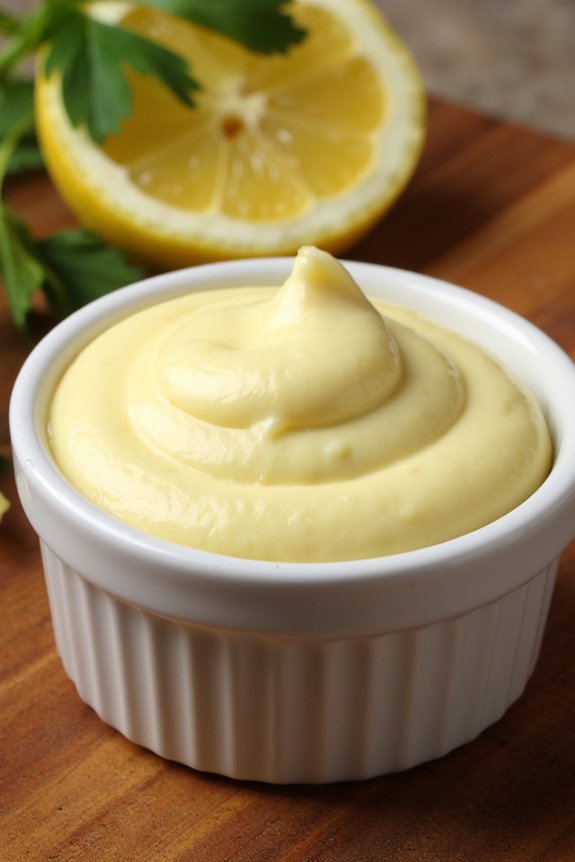
Mayonnaise is a classic French mother sauce that’s versatile and vital in many kitchens. Known for its creamy texture and tangy flavor, this emulsion of egg yolk and oil has long been a staple in both traditional and modern cuisine.
Whether you’re using it as a base for other sauces, a dressing for salads, or a spread for sandwiches, mastering homemade mayonnaise can elevate your culinary creations. With just a few simple ingredients and a bit of technique, you can create a fresh and flavorful mayonnaise that’s far superior to any store-bought version.
The key to a successful mayonnaise is to guarantee that all ingredients are at room temperature and to add the oil slowly while whisking vigorously, which helps form a stable emulsion. Once you have the basic method down, you can customize the mayonnaise with various herbs, spices, or even citrus zest for added flavor. This recipe will yield approximately 1 cup of mayonnaise, perfect for serving 4-6 people as a condiment or dressing.
Ingredients (Serves 4-6):
- 2 large egg yolks
- 1 tablespoon Dijon mustard
- 1 tablespoon white wine vinegar
- 1 cup neutral oil (such as canola or vegetable oil)
- Salt to taste
- Freshly ground black pepper to taste
- Optional: a squeeze of lemon juice
Cooking Instructions:
- Prepare the Ingredients: Begin by placing the egg yolks, Dijon mustard, and white wine vinegar into a medium-sized bowl. Guarantee that all ingredients are at room temperature to help the emulsion process.
- Start the Emulsion: Whisk the egg yolks, mustard, and vinegar together until they’re well combined and the mixture has a smooth, consistent texture.
- Add the Oil Gradually: Begin to add the oil a few drops at a time, whisking constantly. It’s vital to add the oil slowly at first to form a stable emulsion. Once the mixture starts to thicken, you can increase the oil flow to a thin, steady stream.
- Continue Whisking: Keep whisking briskly while adding the oil. The mayonnaise should begin to thicken and become glossy. If it becomes too thick, add a few drops of water to loosen it up and continue whisking.
- Season the Mayonnaise: Once all the oil has been incorporated and the mayonnaise has reached the desired consistency, season it with salt and freshly ground black pepper. Add a squeeze of lemon juice if desired for a touch of acidity.
- Adjust the Flavor: Taste the mayonnaise and adjust the seasoning as needed. You can also add additional mustard or vinegar if you prefer a tangier sauce.
Extra Tips:
To guarantee the mayonnaise doesn’t separate, make sure to whisk continuously as you add the oil. Use a balloon whisk or an electric hand mixer for ease and efficiency.
If the mayonnaise breaks (appears grainy or separated), try whisking in a teaspoon of warm water to bring it back together. Experiment by adding minced garlic, fresh herbs, or spices to create flavored variations of this classic sauce.
Store any leftover mayonnaise in an airtight container in the refrigerator and use within a week for the best flavor and freshness.
Béarnaise Sauce
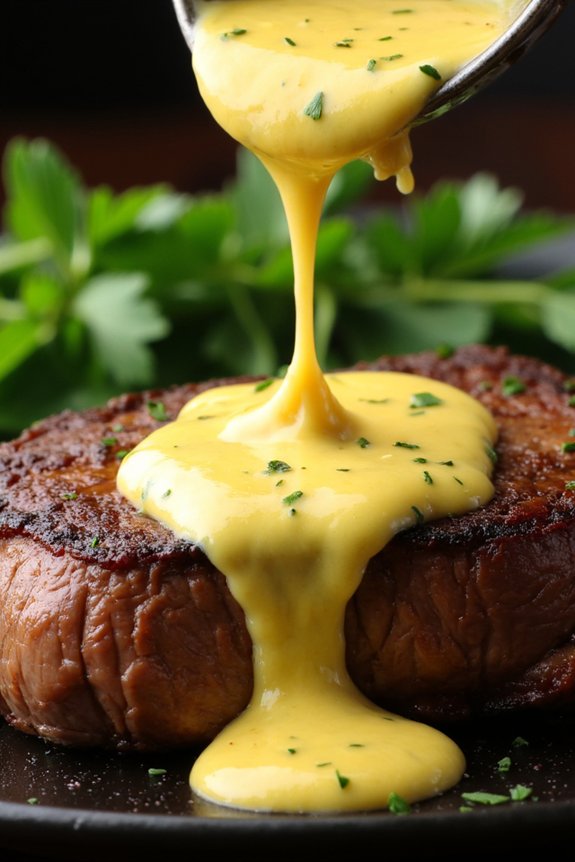
Béarnaise Sauce is a classic French sauce that embodies the rich and tangy flavors perfect for a variety of dishes. With its origins rooted in the Béarn region of France, this sauce is a derivative of Hollandaise, but brings its own unique twist with the inclusion of tarragon and shallots.
Often served with steak, fish, or vegetables, Béarnaise Sauce adds a luxurious finish to any meal, elevating it with its creamy and herbaceous notes.
Creating Béarnaise Sauce requires careful attention to detail and a gentle touch, as the emulsion process is delicate. The key to a successful Béarnaise Sauce lies in balancing the flavors and achieving a silky texture. This recipe serves 4-6 people and is perfect for a special dinner or to impress your guests with your culinary skills.
Ingredients:
- 1/4 cup white wine vinegar
- 1/4 cup dry white wine
- 2 tablespoons finely chopped shallots
- 1 tablespoon chopped fresh tarragon leaves, plus extra for garnish
- 1/2 teaspoon freshly ground black pepper
- 3 large egg yolks
- 1/2 cup unsalted butter, melted
- Salt to taste
- Lemon juice to taste
Cooking Instructions:
- Prepare the Reduction: In a small saucepan, combine white wine vinegar, white wine, shallots, tarragon, and black pepper. Bring this mixture to a boil over medium heat, then reduce the heat and let it simmer until the liquid reduces to about 2 tablespoons. This should take approximately 5 minutes. Strain the reduction into a heatproof bowl and set aside to cool slightly.
- Set Up a Double Boiler: Fill a medium saucepan with a couple of inches of water and bring it to a simmer. Place the heatproof bowl with the reduction over the saucepan, making sure the bottom of the bowl doesn’t touch the water.
- Emulsify the Egg Yolks: Add the egg yolks to the reduction in the bowl, whisking constantly. Continue whisking until the mixture becomes thick and pale, forming ribbons when the whisk is lifted. This process should take about 3-5 minutes.
- Incorporate the Butter: Slowly drizzle the melted butter into the egg yolk mixture, whisking constantly. It’s vital to add the butter gradually to guarantee the sauce emulsifies properly. If the mixture begins to separate or become too thick, add a few drops of warm water to help stabilize it.
- Season the Sauce: Once all the butter is incorporated, remove the bowl from the heat. Season the Béarnaise Sauce with salt and a touch of lemon juice to taste. Stir in additional chopped tarragon if desired for extra flavor.
- Serve Immediately: Transfer the sauce to a serving dish or pour directly over your main dish. Béarnaise Sauce is best served warm, so prepare it just before serving to maintain its velvety texture.
Extra Tips:
To guarantee a smooth and creamy Béarnaise Sauce, maintain a consistent temperature by keeping the heat low when whisking the egg yolks.
If the sauce begins to curdle or separate, remove it from the heat and whisk vigorously or add small amounts of cold water to bring it back together.
Using fresh tarragon is essential for authentic flavor, but if unavailable, dried tarragon can be used sparingly.
Allemande Sauce
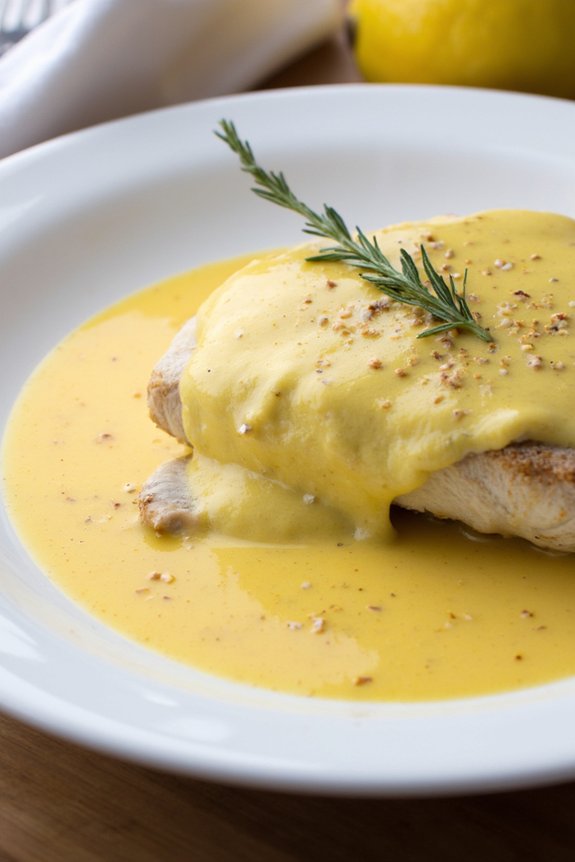
Allemande Sauce, a derivative of the classic French Velouté sauce, is known for its rich, creamy texture and subtle flavor. It’s traditionally used as an accompaniment to veal, chicken, or fish dishes.
Allemande sauce is made by enriching a basic velouté with egg yolks and cream, then seasoning it with lemon juice and a hint of nutmeg. This sauce is a staple in the French culinary repertoire and elevates any dish it accompanies with a touch of elegance.
To make this sauce for 4-6 people, you’ll start with a base of velouté sauce. Velouté is a simple sauce made from a light stock and roux. Once you have your velouté ready, you’ll enrich it with egg yolks and cream to create the silky texture characteristic of Allemande. The sauce is then seasoned with lemon juice, a pinch of salt, white pepper, and nutmeg to enhance its delicate flavors.
Ingredients for 4-6 servings:
- 2 cups chicken or veal stock
- 2 tablespoons unsalted butter
- 2 tablespoons all-purpose flour
- 2 large egg yolks
- 1/2 cup heavy cream
- 1 tablespoon fresh lemon juice
- Salt, to taste
- White pepper, to taste
- A pinch of nutmeg
Cooking Instructions:
- Prepare the Velouté Base: In a medium saucepan, melt the butter over medium heat. Add the flour and whisk continuously to form a smooth roux. Let it cook for about 2 minutes without browning.
- Add the Stock: Gradually whisk in the chicken or veal stock. Continue to whisk until the mixture is smooth and starts to thicken. Bring it to a simmer and let it cook for about 10-15 minutes, stirring occasionally. This is your velouté sauce.
- Prepare the Liaison: In a separate bowl, whisk the egg yolks and cream together until well combined. This mixture is known as the liaison.
- Incorporate the Liaison: Temper the liaison by slowly adding about 1/2 cup of the hot velouté sauce to the egg and cream mixture, whisking constantly to prevent the eggs from curdling.
- Combine and Thicken: Gradually whisk the tempered liaison back into the saucepan with the remaining velouté sauce. Continue to cook over low heat, stirring constantly, until the sauce thickens to a creamy consistency. Don’t let it boil.
- Season the Sauce: Remove the saucepan from heat. Stir in the lemon juice, salt, white pepper, and a pinch of nutmeg. Adjust seasoning to taste.
- Strain and Serve: For a perfectly smooth sauce, strain it through a fine-mesh sieve before serving. Serve the Allemande Sauce warm over veal, chicken, or fish.
Extra Tips:
To guarantee a smooth and lump-free sauce, it’s vital to whisk continuously when adding the stock to the roux.
When incorporating the liaison, be careful to temper the egg mixture slowly, as adding it too quickly can cause the eggs to curdle. If the sauce becomes too thick, you can adjust the consistency by adding a bit more stock or cream.
Additionally, always taste and adjust the seasoning before serving, as the balance of flavors is key to a successful Allemande Sauce.
Nantua Sauce
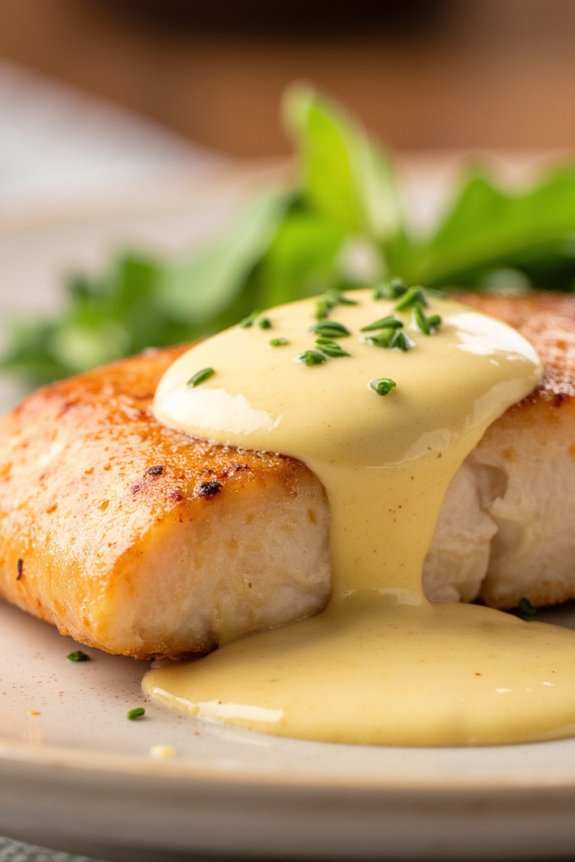
Nantua Sauce is a classic French sauce that originates from the Nantua region, known for its rich culinary traditions. Traditionally, this sauce is made using crayfish, which infuses it with a subtly sweet and delicate flavor. It’s typically served with fish, particularly pike, but it also pairs wonderfully with other seafood dishes or even chicken.
The key to a successful Nantua Sauce lies in its creamy texture and the depth of flavor imparted by the crayfish butter and cream. To prepare the sauce, you’ll need a good quality fish stock that serves as the base, allowing the other flavors to shine through. The process involves creating a roux to thicken the sauce and then slowly incorporating the stock and cream to achieve a silky texture. The crayfish butter is the star ingredient, providing a unique taste that elevates the dish. Perfect for a sophisticated dinner gathering, this recipe will serve 4 to 6 people.
Ingredients:
- 1 pound crayfish (or substitute with shrimp)
- 1 tablespoon olive oil
- 1/2 cup brandy
- 1 cup fish stock
- 1 cup heavy cream
- 4 tablespoons unsalted butter
- 2 tablespoons all-purpose flour
- Salt and pepper to taste
- 1 tablespoon lemon juice
- 1 tablespoon chopped fresh parsley (optional, for garnish)
Instructions:
- Prepare the Crayfish:
- If using live crayfish, bring a large pot of water to a boil and cook the crayfish for about 5 minutes until they turn bright red. Drain and let cool. If using shrimp, simply peel and devein them.
- Make the Crayfish Butter:
- In a large skillet, heat olive oil over medium heat. Add the crayfish shells and cook until fragrant, about 3-5 minutes.
- Carefully add the brandy and allow it to simmer until reduced by half. Then, add the butter and stir until melted.
- Strain the mixture through a fine-mesh sieve into a bowl, pressing down on the shells to extract all the juices. Discard the shells and set the crayfish butter aside.
- Create the Roux:
- In the same skillet, melt 2 tablespoons of the crayfish butter over medium heat. Add the flour and whisk constantly for about 2 minutes until the mixture is smooth and golden brown.
- Incorporate the Stock and Cream:
- Gradually whisk in the fish stock, making certain there are no lumps. Bring to a simmer and cook for about 5 minutes until the mixture thickens.
- Stir in the heavy cream and continue to simmer for another 5 minutes.
- Final Touches:
- Add the remaining crayfish butter to the sauce, along with salt, pepper, and lemon juice to taste. Stir well to combine.
- If desired, add the cooked crayfish or shrimp pieces into the sauce for extra texture and flavor.
- Garnish with chopped parsley before serving.
Extra Tips:
When making Nantua Sauce, be mindful not to overcook the crayfish or shrimp to retain their delicate texture. If crayfish is hard to find, shrimp makes an excellent substitute.
Confirm your fish stock is of high quality, as it greatly impacts the sauce’s flavor. For a smoother sauce, you can blend it in a blender and strain for a refined finish. Adjust the seasoning carefully, as the reduced brandy and crayfish butter bring a lot of flavors. Enjoy this sauce with your favorite seafood or poultry dish for an authentic French culinary experience.
Suprême Sauce
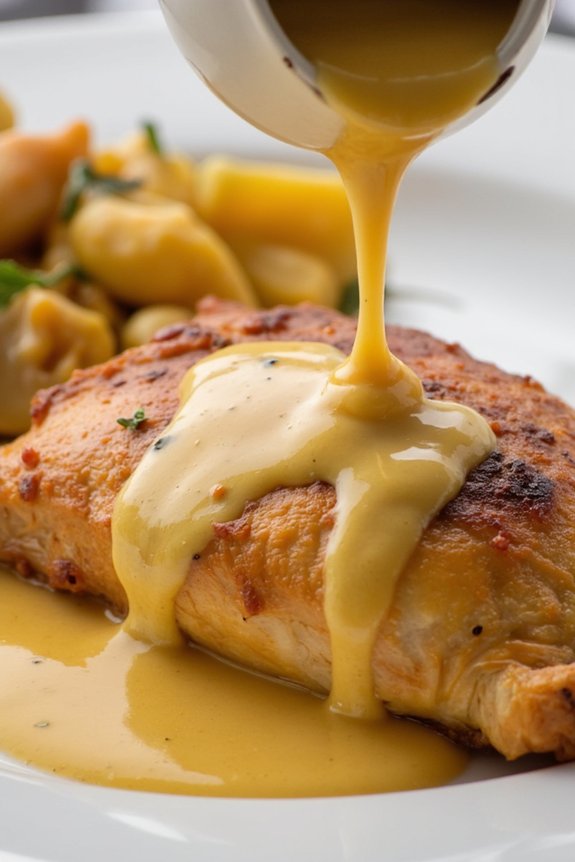
Suprême sauce is a luxurious, velvety sauce that originates from the classic French mother sauces. Known for its creamy texture and rich flavor, Suprême sauce is perfect for pairing with poultry dishes, especially chicken.
This sauce is a derivative of the velouté sauce, enhanced with a touch of cream and a hint of aromatic seasoning. Suprême sauce is celebrated for its ability to elevate a simple dish into something extraordinary, making it an indispensable recipe for any home cook interested in French cuisine.
The secret to a perfect Suprême sauce lies in its balance of flavors and the quality of its ingredients. Starting with a well-made chicken stock as a base guarantees that the sauce is infused with deep, savory notes. A splash of heavy cream adds richness, while a touch of lemon juice brightens the flavor profile.
The result is a sauce that isn’t only versatile but also impressively easy to master. Perfect for serving 4-6 people, this recipe will guide you through creating a Suprême sauce that can transform any meal into a gourmet experience.
Ingredients for 4-6 Servings:
- 2 cups chicken stock
- 2 tablespoons unsalted butter
- 2 tablespoons all-purpose flour
- 1/2 cup heavy cream
- Salt and white pepper to taste
- 1 teaspoon lemon juice
Cooking Instructions:
- Prepare the Roux: In a medium saucepan, melt the butter over medium heat until it starts to bubble. Add the flour, stirring constantly to create a smooth paste. Cook the roux for about 2 minutes until it turns a pale golden color, making sure it doesn’t brown.
- Add the Stock: Gradually whisk in the chicken stock to the roux, making certain there are no lumps. Continue to whisk and bring the mixture to a simmer. Allow it to cook for 10-15 minutes, stirring occasionally, until the sauce thickens and coats the back of a spoon.
- Incorporate the Cream: Reduce the heat to low and slowly stir in the heavy cream. Mix well to combine all the ingredients thoroughly. Let the sauce simmer for an additional 5 minutes, allowing the flavors to meld together.
- Season and Finish: Season the sauce with salt, white pepper, and lemon juice. Taste and adjust seasoning as necessary. The lemon juice should add a subtle brightness without overpowering the sauce.
- Strain and Serve: For a perfectly smooth texture, strain the sauce through a fine-mesh sieve into a serving dish. Serve immediately over your favorite poultry dish or store in a warm place until ready to use.
Extra Tips:
When preparing Suprême sauce, it’s vital to maintain a gentle heat to prevent the cream from curdling. Use a heavy-bottomed saucepan to guarantee even heat distribution, which helps in achieving a smooth sauce.
If the sauce becomes too thick, you can thin it out with a tablespoon of chicken stock or water to reach your desired consistency. Finally, always taste and adjust the seasoning before serving, as the flavors can develop as the sauce sits.
Chasseur Sauce
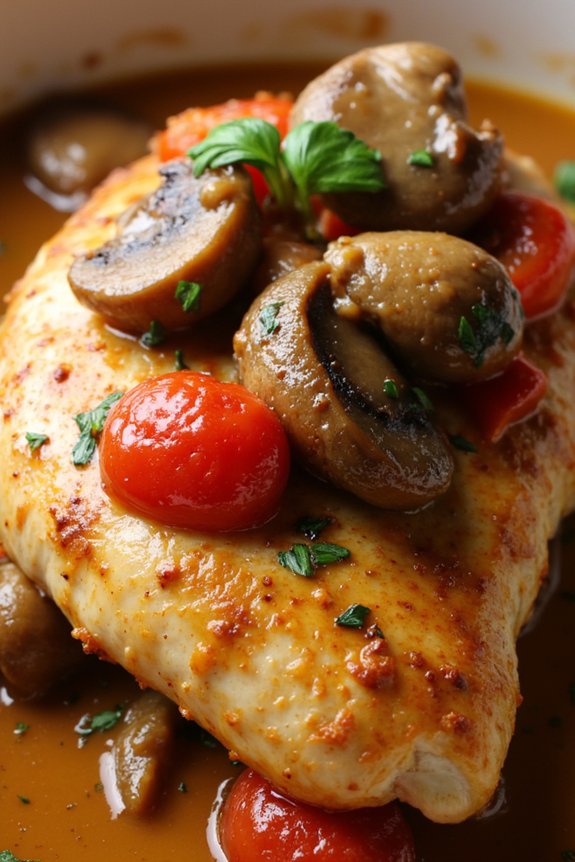
Chasseur sauce, also known as “hunter’s sauce,” is a classic French sauce that combines the rich flavors of mushrooms, white wine, and herbs to create a savory accompaniment perfect for meats such as chicken, beef, or pork. This sauce is traditionally made with a base of demi-glace, which enhances its depth and complexity.
Chasseur sauce is a versatile component in French cuisine, providing a robust flavor profile that complements a variety of dishes. The origins of Chasseur sauce date back to the 19th century and it was originally created to accompany game meats. Today, it’s a beloved component of many French-inspired dishes around the world.
This recipe serves 4-6 people and is sure to elevate any meal with its aromatic blend of shallots, garlic, and fresh herbs. Prepare to delight your taste buds with this quintessential French sauce that brings a touch of elegance to your dining table.
Ingredients (serving size: 4-6 people):
- 2 tablespoons unsalted butter
- 1 tablespoon olive oil
- 1 cup mushrooms, sliced
- 2 shallots, finely chopped
- 2 cloves garlic, minced
- 1/2 cup dry white wine
- 1 cup demi-glace
- 1/2 cup diced tomatoes (canned or fresh)
- 1 tablespoon tomato paste
- 1 tablespoon fresh tarragon, chopped
- 1 tablespoon fresh parsley, chopped
- Salt and pepper to taste
Cooking Instructions:
- Prepare the Ingredients: Begin by washing and slicing the mushrooms, finely chopping the shallots, and mincing the garlic. Having all ingredients ready before cooking will guarantee a smooth process.
- Sauté the Vegetables: In a large skillet or saucepan, heat the unsalted butter and olive oil over medium heat. Once the butter has melted, add the sliced mushrooms and sauté for 5-7 minutes until they’re golden brown and any liquid has evaporated.
- Add Aromatics: Add the chopped shallots and minced garlic to the skillet with the mushrooms. Cook for an additional 2-3 minutes until the shallots are translucent and the garlic is fragrant.
- Deglaze with Wine: Pour the dry white wine into the skillet, scraping the bottom of the pan to release any browned bits. Allow the wine to simmer for about 5 minutes until it has reduced by half.
- Incorporate Remaining Ingredients: Stir in the demi-glace, diced tomatoes, tomato paste, and half of the chopped tarragon and parsley. Mix well and bring the sauce to a gentle simmer.
- Simmer the Sauce: Allow the sauce to simmer for 15-20 minutes, stirring occasionally, until it thickens to your desired consistency. Taste and season with salt and pepper as needed.
- Finish with Herbs: Just before serving, stir in the remaining fresh tarragon and parsley to brighten the flavors. Serve the Chasseur sauce hot over your choice of meat.
Extra Tips:
For an even richer flavor, consider adding a splash of brandy or cognac along with the white wine when deglazing the pan. If you prefer a thicker sauce, you can mix a small amount of cornstarch with cold water and add it to the simmering sauce until it reaches the desired thickness.
Remember that the quality of your demi-glace will greatly influence the final taste of the sauce, so opt for a high-quality store-bought version or make your own if time permits.
Bordelaise Sauce
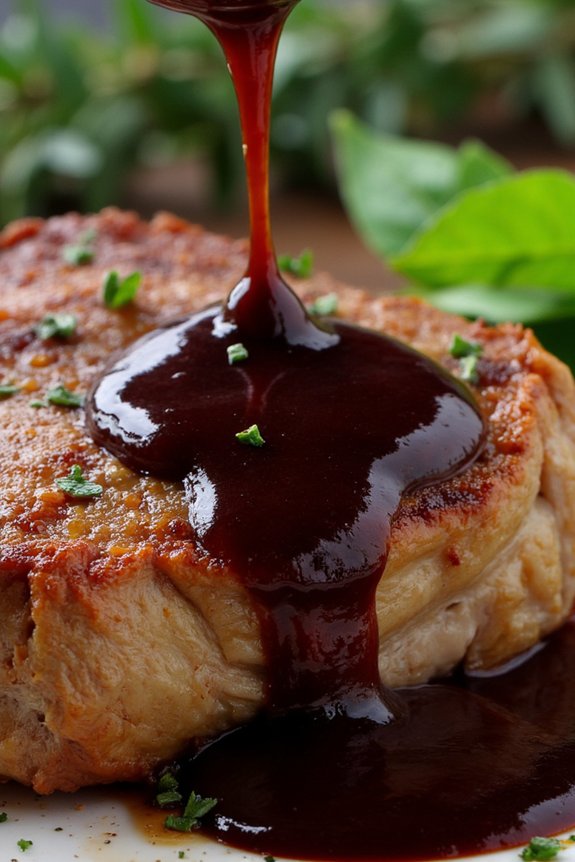
Bordelaise Sauce is a classic French sauce that embodies the rich and savory flavors of red wine, bone marrow, and aromatic herbs. Traditionally served with roasted meats, particularly beef, this sauce elevates any dish with its deep flavor profile and luxurious texture. Named after the Bordeaux region in France, Bordelaise Sauce is a versatile accompaniment that pairs beautifully with steak, lamb, or even game meats.
To create this flavorful sauce, you begin by combining a robust red wine with shallots, which are gently simmered to infuse the wine with their subtle sweetness. The addition of beef stock and fresh herbs like thyme enhances the savory notes, while a touch of butter and bone marrow adds richness and a silky smooth finish. This recipe serves 4-6 people, making it perfect for a special dinner gathering or a family meal that calls for a touch of elegance.
Ingredients (serves 4-6):
- 1 cup red wine (preferably a Bordeaux)
- 2 cups beef stock
- 2 tablespoons shallots, finely chopped
- 2 tablespoons butter
- 2 tablespoons bone marrow, finely chopped
- 1 tablespoon fresh thyme leaves
- 1 bay leaf
- Salt and freshly ground black pepper to taste
Cooking Instructions:
- Prepare the Ingredients: Start by finely chopping the shallots and bone marrow, and measure out all the ingredients so they’re ready to use. This will streamline your cooking process.
- Simmer the Wine: In a medium saucepan, combine the red wine and chopped shallots. Bring the mixture to a simmer over medium heat and let it reduce by about half. This intensifies the flavor of the wine and infuses it with the sweetness of the shallots.
- Add the Stock and Herbs: Once the wine has reduced, add the beef stock, fresh thyme, and bay leaf to the saucepan. Continue to simmer the mixture, allowing it to reduce by half again. This step is vital for developing the sauce’s rich flavor.
- Incorporate the Bone Marrow: Add the chopped bone marrow to the sauce, stirring until it melts completely into the mixture. The bone marrow will add a luxurious texture and depth of flavor to the sauce.
- Finish with Butter: Remove the bay leaf from the sauce. Stir in the butter until it’s fully melted and the sauce is smooth and glossy. This step adds richness and a beautiful sheen to the sauce.
- Season and Serve: Taste the sauce and adjust the seasoning with salt and freshly ground black pepper as needed. Serve the Bordelaise Sauce warm over your choice of roasted or grilled meats.
Extra Tips:
For the best results, choose a high-quality red wine and beef stock, as these will greatly impact the final flavor of the sauce. If bone marrow is difficult to find, you can substitute with additional butter for a similar richness, though the marrow adds a unique depth.
When reducing the sauce, keep an eye on it to prevent it from becoming too thick; you’re aiming for a pourable consistency that coats the back of a spoon. Finally, remember to taste and adjust the seasoning right before serving to guarantee the flavors are balanced perfectly.
