


French cuisine has that special something that can whisk you away to the charm of cozy bistros and lively markets. Picture the comforting aroma of Coq Au Vin simmering, the rich texture of Boeuf Bourguignon, or the fresh burst of Moules Marinières. Each dish is a delightful nod to tradition and flavor. These nostalgic recipes, with their elegant wine-infused notes, invite you on a journey through France’s culinary heart. Ready to savor a bit of France?
Coq Au Vin: a Classic French Delight
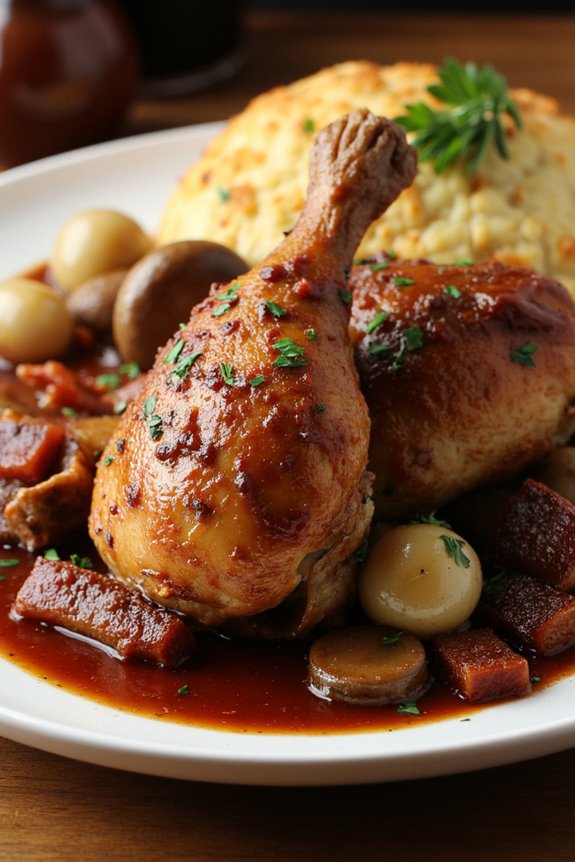
Coq Au Vin, a classic French dish, is a delightful marriage of flavors crafted through the slow cooking of chicken in red wine, enriched with aromatic vegetables, herbs, and spices. This traditional recipe hails from the Burgundy region, known for its rich, robust wines, which lend an irresistible depth to the dish.
Coq Au Vin isn’t only a feast for the senses but also a journey back to the rustic roots of French cuisine, offering a taste of nostalgia and comfort. The dish is perfect for gatherings, as it brings warmth and a sense of togetherness around the table.
The preparation of Coq Au Vin requires patience and a bit of finesse, but the end result is well worth the effort. The chicken becomes tender and succulent, absorbing the rich flavors of the wine and the bouquet of herbs it’s cooked with.
The addition of mushrooms, onions, and bacon adds complexity and texture, creating a dish that’s both hearty and elegant. It’s a wonderful example of how simple ingredients can be transformed into something extraordinary with time and care.
Ingredients (Serves 4-6)
- 1 whole chicken (about 4-5 lbs), cut into 8 pieces
- Salt and freshly ground black pepper
- 2 tablespoons olive oil
- 4 oz bacon, diced
- 2 tablespoons unsalted butter
- 1 onion, finely chopped
- 2 garlic cloves, minced
- 2 tablespoons all-purpose flour
- 2 cups red wine (preferably Burgundy)
- 1 cup chicken stock
- 2 tablespoons tomato paste
- 1 bouquet garni (a bundle of fresh thyme, parsley, and bay leaf)
- 8 oz button mushrooms, quartered
- 12 pearl onions, peeled
- 2 tablespoons brandy (optional)
- Fresh parsley, chopped (for garnish)
Cooking Instructions
- Season the Chicken: Season the chicken pieces with salt and freshly ground black pepper on all sides.
- Brown the Bacon: In a large Dutch oven, heat the olive oil over medium heat. Add the diced bacon and cook until crisp. Remove the bacon with a slotted spoon and set aside, leaving the rendered fat in the pot.
- Sear the Chicken: Increase the heat to medium-high. Add the chicken pieces to the pot and sear until golden brown on all sides, about 8-10 minutes. Work in batches if necessary. Remove the chicken and set aside.
- Sauté the Aromatics: In the same pot, add the butter. Once melted, add the chopped onion and garlic. Sauté until the onion is translucent, about 5 minutes.
- Create the Base: Sprinkle the flour over the onion mixture and stir well to coat. Cook for about 2 minutes to eliminate the raw flour taste.
- Deglaze and Simmer: Slowly pour in the red wine, scraping up any brown bits from the bottom of the pot. Add the chicken stock, tomato paste, and bouquet garni. Stir to combine.
- Combine Ingredients: Return the chicken and bacon to the pot. Bring the mixture to a gentle simmer, cover, and cook for 30 minutes.
- Add Vegetables: Add the mushrooms and pearl onions to the pot. Cover and simmer for an additional 30 minutes, or until the chicken is tender and cooked through.
- Finish with Brandy: If desired, stir in the brandy and cook for an additional 5 minutes. Remove the bouquet garni before serving.
- Serve: Garnish with freshly chopped parsley and serve hot with crusty bread or over buttered noodles.
Extra Tips
For the best results, try to prepare Coq Au Vin a day in advance. This allows the flavors to meld together and deepen overnight, resulting in an even more delicious dish.
When choosing wine, opt for a decent bottle of Burgundy or a similar full-bodied red wine. Remember, the quality of the wine will greatly impact the final taste of the dish.
Finally, if you prefer a thicker sauce, you can remove the chicken and vegetables once cooked, and reduce the sauce over medium heat until it reaches your desired consistency.
Boeuf Bourguignon: Burgundy’s Signature Dish
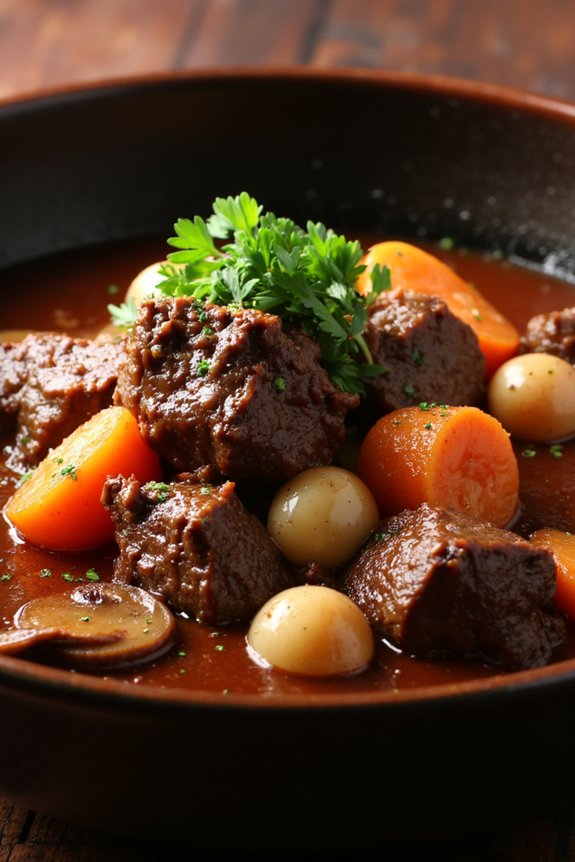
Boeuf Bourguignon is a classic French dish that hails from the Burgundy region, known for its rich flavors and hearty ingredients. This comforting stew is traditionally made with beef braised in red wine, along with an array of vegetables and aromatic herbs. The dish is a perfect representation of rustic French cuisine, blending simple ingredients to create complex flavors.
While it’s often reserved for special occasions or family gatherings, Boeuf Bourguignon‘s warm and inviting nature makes it a delightful meal to enjoy any time you wish to bring a taste of France to your table.
The key to a successful Boeuf Bourguignon lies in the slow-cooking process, which allows the beef to become tender and the flavors to meld together beautifully. As the stew simmers, the red wine reduces, enhancing the taste and adding a depth that’s both savory and slightly sweet.
Traditionally served with crusty bread or over a bed of egg noodles, this dish is sure to impress with its robust taste and elegant presentation. Whether you’re a seasoned chef or a home cook looking to explore French cuisine, this recipe will guide you in creating an authentic Boeuf Bourguignon for 4-6 people.
Ingredients:
- 2 pounds beef chuck, cut into 2-inch cubes
- Salt and freshly ground black pepper
- 2 tablespoons olive oil
- 6 slices bacon, chopped
- 1 large onion, chopped
- 2 cloves garlic, minced
- 2 tablespoons all-purpose flour
- 3 cups red wine (preferably Burgundy)
- 2 cups beef stock
- 1 tablespoon tomato paste
- 1 bouquet garni (parsley, thyme, and bay leaf tied together)
- 1 pound carrots, peeled and sliced
- 1/2 pound pearl onions, peeled
- 1/2 pound mushrooms, quartered
- 2 tablespoons unsalted butter
- Chopped fresh parsley for garnish
Cooking Instructions:
- Prepare the Beef: Season the beef cubes with salt and pepper. In a heavy-bottomed pot or Dutch oven, heat the olive oil over medium-high heat. Add the beef in batches and sear until browned on all sides. Remove the beef and set aside.
- Cook the Bacon: In the same pot, add the chopped bacon and cook until crispy. Using a slotted spoon, remove the bacon and set it aside with the beef.
- Sauté the Vegetables: Add the chopped onion and garlic to the pot. Sauté until the onion is translucent and the garlic is fragrant, about 5 minutes.
- Thicken the Base: Sprinkle the flour over the onions and garlic, stirring to coat evenly. Cook for 1-2 minutes to eliminate the raw flour taste.
- Deglaze with Wine: Slowly pour in the red wine, scraping the bottom of the pot to release any browned bits. Bring to a simmer and let the wine reduce by half.
- Combine Ingredients: Return the beef and bacon to the pot. Add the beef stock, tomato paste, bouquet garni, carrots, and pearl onions. Stir to combine.
- Simmer the Stew: Bring the mixture to a boil, then reduce the heat to low. Cover and let it simmer for 2 to 3 hours, or until the beef is tender.
- Cook the Mushrooms: In a separate skillet, melt the butter over medium heat. Add the mushrooms and sauté until golden brown. Add them to the stew during the final 30 minutes of cooking.
- Finish and Serve: Discard the bouquet garni. Adjust seasoning with salt and pepper as needed. Garnish with chopped parsley before serving.
Extra Tips:
For the best results, use a good quality Burgundy or any full-bodied red wine that you enjoy drinking. The flavor of the wine will greatly influence the taste of the stew.
If time allows, marinate the beef in the wine and herbs overnight to enhance the flavors even further. When reheating leftovers, allow the stew to come to room temperature before gently warming it on the stove to maintain the meat’s tenderness.
Finally, this dish often tastes even better the next day, as the flavors continue to develop and meld together. Enjoy your authentic French Boeuf Bourguignon!
Moules Marinières: Sailor’s Mussels With White Wine
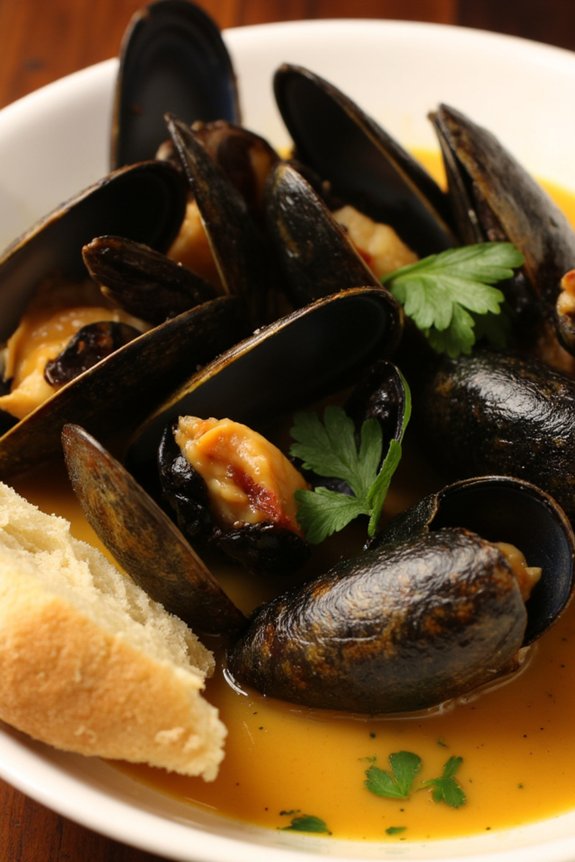
Moules Marinières, also known as Sailor’s Mussels With White Wine, is a classic French dish that brings the taste of the sea to your dining table. This dish is beloved for its simplicity and the way it highlights the natural flavors of fresh mussels. The combination of white wine, garlic, and shallots creates an aromatic broth that perfectly complements the plump and juicy mussels.
As a quintessential French delicacy, Moules Marinières isn’t only delicious but also easy to prepare, making it a perfect choice for both casual family dinners and elegant gatherings. Traditionally, Moules Marinières is served with crusty bread, which is used to sop up the flavorful broth. The dish is light yet satisfying, making it an ideal main course for a summer evening or a comforting meal during cooler months.
Its origins are rooted in coastal regions where fresh seafood is abundant, and this recipe allows you to bring a taste of the ocean to your kitchen. Here, we’ll guide you through the process of creating this delightful dish for 4-6 people.
Ingredients (serves 4-6):
- 4 pounds fresh mussels
- 2 tablespoons butter
- 2 shallots, finely chopped
- 4 cloves garlic, minced
- 1 cup dry white wine
- 1/4 cup heavy cream
- 1/4 cup chopped fresh parsley
- Salt and freshly ground black pepper to taste
- Crusty bread for serving
Instructions:
- Prepare the Mussels: Start by cleaning the mussels. Rinse them under cold running water and scrub the shells to remove any debris. Remove the beards by pulling them out sharply toward the hinge of the shell. Discard any mussels that are open and don’t close when tapped.
- Cook the Aromatics: In a large pot or Dutch oven, melt the butter over medium heat. Add the chopped shallots and minced garlic, sautéing until they’re soft and fragrant, about 3-4 minutes. Be careful not to burn the garlic.
- Add the Wine: Pour in the white wine and bring the mixture to a simmer. Allow it to cook for a few minutes to let the alcohol evaporate slightly and the flavors meld together.
- Steam the Mussels: Add the cleaned mussels to the pot, cover with a lid, and increase the heat to high. Cook the mussels for 5-7 minutes, shaking the pot occasionally, until the mussels open. Discard any mussels that remain closed.
- Finish the Sauce: Once the mussels are cooked, reduce the heat to low. Stir in the heavy cream and half of the chopped parsley. Season with salt and freshly ground black pepper to taste.
- Serve: Transfer the mussels and their broth to a large serving bowl. Sprinkle the remaining parsley on top for garnish. Serve immediately with crusty bread on the side for dipping.
Extra Tips: When cooking Moules Marinières, it’s crucial to use fresh mussels for the best flavor. If possible, buy them on the same day you plan to cook the dish. Verify that the mussels are tightly closed before cooking; if not, discard them.
For the white wine, choose a dry variety such as Sauvignon Blanc or Pinot Grigio to enhance the dish’s flavor without overpowering it. Finally, don’t forget to taste the broth before serving and adjust the seasoning if necessary, as the saltiness can vary depending on the mussels. Enjoy your authentic taste of France!
Duck À L’orange: the Perfect Balance of Sweet and Savory
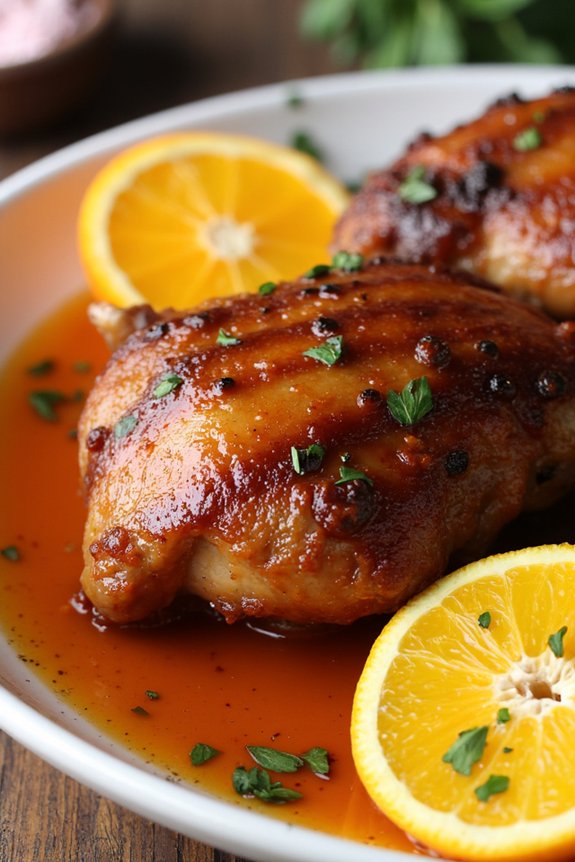
Duck À L’orange is a classic French dish that perfectly marries the rich flavors of duck with the sweet, citrus notes of orange. This dish isn’t only a feast for the taste buds but also an elegant centerpiece for any dinner occasion. The key to a successful Duck À L’orange is achieving the right balance between the savory duck and the sweet, slightly tangy orange sauce. This recipe will guide you through the process of creating this timeless dish, guaranteeing that each bite is a harmonious blend of flavors.
The preparation involves roasting the duck to perfection while simultaneously simmering a luscious orange sauce that will glaze the duck just before serving. The duck is best when it has a crispy skin and tender, juicy meat, while the sauce should be smooth and glossy, with a depth of flavor that complements the richness of the duck. This recipe serves 4-6 people, making it ideal for a small gathering or a special family meal.
Ingredients:
- 1 whole duck (about 4-5 pounds)
- Salt and freshly ground black pepper
- 2 tablespoons vegetable oil
- 1 cup orange juice
- Zest of 1 orange
- 1/2 cup chicken broth
- 1/2 cup sugar
- 1/4 cup red wine vinegar
- 1/4 cup Grand Marnier or other orange liqueur
- 2 tablespoons unsalted butter
- 1 tablespoon cornstarch mixed with 2 tablespoons water
- Orange slices and fresh parsley for garnish
Instructions:
- Preheat and Prepare the Duck: Preheat your oven to 425°F (220°C). Rinse the duck thoroughly under cold water and pat dry with paper towels. Season the duck generously with salt and pepper, both inside and out.
- Sear the Duck: In a large, oven-safe roasting pan, heat the vegetable oil over medium-high heat. Place the duck, breast side down, in the pan and sear for about 5-7 minutes until the skin is golden brown. Turn the duck over and sear the other side for another 5 minutes.
- Roast the Duck: Transfer the duck to the oven and roast for 1.5 to 2 hours, or until the internal temperature reaches 165°F (74°C) in the thickest part of the thigh. Baste the duck with its own juices every 20 minutes to keep it moist. Once cooked, remove the duck from the oven and let it rest for at least 15 minutes before carving.
- Prepare the Orange Sauce: While the duck is roasting, combine the orange juice, orange zest, chicken broth, sugar, and red wine vinegar in a saucepan. Bring the mixture to a boil over medium heat, then reduce to a simmer and cook until the liquid is reduced by half, about 15-20 minutes.
- Finish the Sauce: Stir in the Grand Marnier and butter, and continue to simmer for another 5 minutes. Slowly add the cornstarch mixture to thicken the sauce, stirring constantly until it reaches the desired consistency. Taste and adjust seasoning if necessary.
- Glaze and Serve: Once the duck has rested, brush it generously with the orange sauce. Carve the duck and arrange the pieces on a serving platter. Drizzle with additional sauce and garnish with orange slices and fresh parsley. Serve immediately.
Extra Tips:
When preparing Duck À L’orange, one important tip is to make certain the duck is completely dry before seasoning and searing. This helps achieve that desired crispy skin.
Additionally, don’t rush the sauce reduction process; patience will reward you with a concentrated flavor that’s integral to the dish. If you find the sauce too sweet, a splash of lemon juice can help balance the flavors.
Remember to let the duck rest adequately after roasting to allow the juices to redistribute, guaranteeing moist and tender meat.
Cassoulet: Hearty Stew With Red Wine
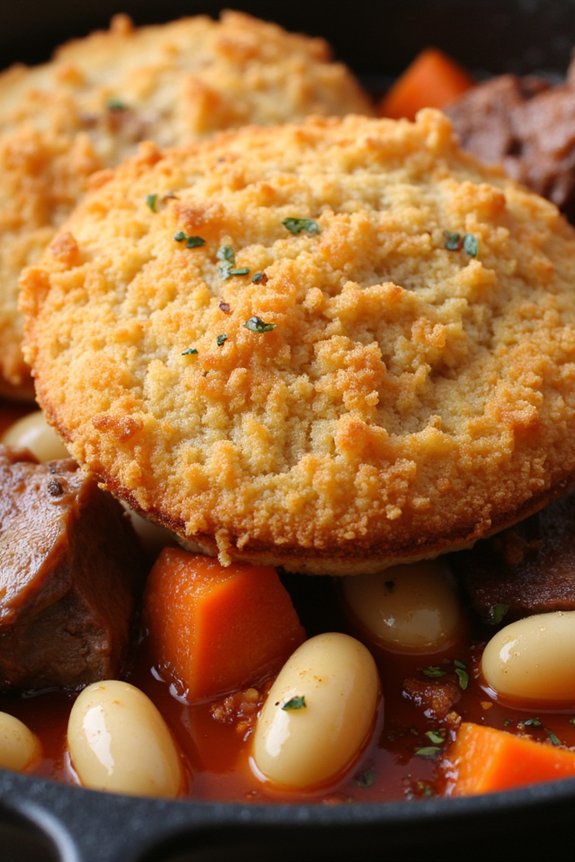
Cassoulet is a traditional French dish that embodies comfort and richness, often associated with the warmth of a family meal. Originating from the Languedoc region, this hearty stew is a magnificent medley of beans, meats, and aromatic herbs, simmered slowly to develop deep flavors.
Cassoulet is known for its rustic charm and the capability to bring people together over its deliciously complex flavors. The use of red wine in this recipe adds an extra layer of depth, accentuating the savory elements and enhancing the overall taste profile.
The beauty of cassoulet lies in its versatility; traditionally, it includes a variety of meats such as pork, duck, and sausages, all of which contribute to the dish’s hearty nature. While the preparation may be time-consuming, the end result is a luscious stew that encapsulates the essence of French culinary tradition.
This recipe is designed to serve 4-6 people, making it perfect for gatherings or a cozy family dinner. Follow the steps below to create your own comforting pot of cassoulet, and experience a taste of France in your home.
Ingredients (Serves 4-6):
- 2 cups dried white beans (such as cannellini or Great Northern)
- 1 pound pork shoulder, cut into chunks
- 1/2 pound bacon, chopped
- 1/2 pound pork sausages
- 1 duck leg confit
- 1 large onion, chopped
- 2 carrots, peeled and diced
- 4 cloves garlic, minced
- 2 cups chicken broth
- 1 cup red wine
- 1 bouquet garni (a bundle of herbs such as thyme, bay leaf, and parsley)
- Salt and pepper to taste
- 1 cup breadcrumbs
- 2 tablespoons olive oil
Cooking Instructions:
- Prepare the Beans: Begin by soaking the dried white beans overnight in a large bowl of water. This rehydrates the beans and guarantees even cooking. Drain and rinse the beans before proceeding.
- Cook the Beans: In a large pot, combine the soaked beans with enough water to cover them by about 2 inches. Bring to a boil, then reduce to a simmer. Add the bouquet garni and some salt. Cook for about 1 hour or until the beans are tender but not mushy. Drain the beans and set aside, discarding the bouquet garni.
- Brown the Meats: In a large Dutch oven or heavy pot, heat the olive oil over medium heat. Add the pork shoulder chunks and bacon, and cook until browned on all sides. Remove the pork and bacon, and set aside.
- Sauté the Vegetables: In the same pot, add the chopped onion, carrots, and minced garlic. Sauté until the vegetables are softened and fragrant, about 5-7 minutes.
- Deglaze the Pot: Pour in the red wine, scraping up any browned bits from the bottom of the pot. Allow the wine to reduce by half, concentrating its flavors.
- Combine Ingredients: Return the browned pork, bacon, and add the sausages and duck leg confit to the pot. Stir in the cooked beans and pour in the chicken broth. Season generously with salt and pepper, and stir to combine.
- Simmer the Stew: Bring the mixture to a gentle simmer. Cover the pot and allow it to cook slowly on low heat for about 1.5 to 2 hours, stirring occasionally. This slow cooking melds the flavors beautifully.
- Prepare the Topping: Preheat your oven to 375°F (190°C). In a small bowl, combine the breadcrumbs with a tablespoon of olive oil. Sprinkle the mixture evenly over the top of the cassoulet.
- Bake the Cassoulet: Transfer the pot to the preheated oven, uncovered, and bake for about 30 minutes or until the top is golden brown and crispy.
- Rest and Serve: Allow the cassoulet to rest for about 10 minutes before serving. This helps the flavors to settle and makes it easier to serve.
Extra Tips:
For a truly authentic experience, consider using a variety of meats as available, such as lamb or goose, which are also traditional in some regions.
It’s important not to rush the cooking process; the slow simmer allows the flavors to deepen and the meats to tenderize perfectly. If you prefer a thicker stew, mash some of the beans before adding them back to the pot.
Sole Meunière: A French Seafood Staple
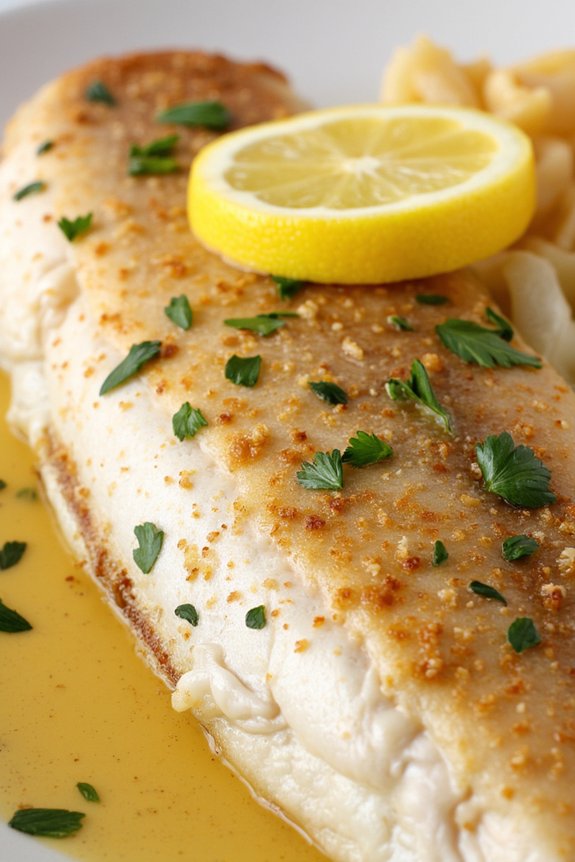
Sole Meunière is a classic French dish that epitomizes the elegance and simplicity of French cuisine. This dish highlights the delicate flavor of sole, a mild white fish, by preparing it in a simple yet flavorful manner. The name “Meunière” refers to the miller’s wife, traditionally suggesting that the fish is lightly dusted with flour before being cooked. This method results in a lightly crisped exterior and a moist, tender interior, accompanied by a buttery, lemony sauce that complements the fish beautifully.
This dish is a staple in French homes and bistros, often served with a side of green vegetables or potatoes. Its preparation requires some attention to detail, but it’s well worth the effort, offering a taste of nostalgia and the charm of French cooking. Perfect for a special dinner or a delightful weekend lunch, Sole Meunière is sure to impress with its simplicity and refined flavors.
Ingredients (serves 4-6):
- 4-6 sole fillets
- 1 cup all-purpose flour
- Salt and freshly ground black pepper
- 6 tablespoons unsalted butter
- 2 tablespoons vegetable oil
- 1/4 cup freshly squeezed lemon juice
- 2 tablespoons chopped fresh parsley
- Lemon slices, for garnish
Cooking Instructions:
- Prepare the Sole Fillets: Pat the sole fillets dry with paper towels. Season both sides generously with salt and freshly ground black pepper.
- Dredge in Flour: Place the flour in a shallow dish. Lightly dredge each fillet in the flour, shaking off any excess. Confirm that the fillets are evenly coated for a uniform crust.
- Heat the Pan: In a large skillet, heat the vegetable oil over medium-high heat. Add 2 tablespoons of butter to the pan and allow it to melt and become foamy.
- Cook the Sole: Gently place the fillets in the skillet, making sure not to overcrowd the pan. Cook the fillets for about 2-3 minutes on each side, or until they’re golden brown and cooked through. Remove the fillets from the pan and keep them warm.
- Make the Sauce: In the same skillet, reduce the heat to low and add the remaining butter. Stir continuously until the butter turns a light brown color and releases a nutty aroma, being careful not to burn it. Add the lemon juice to the pan, stirring to combine with the browned butter.
- Finish the Dish: Return the cooked sole fillets to the skillet, spooning the buttery lemon sauce over the top. Sprinkle with chopped parsley for a burst of freshness.
- Serve: Transfer the fillets to a serving platter, garnish with lemon slices, and serve immediately.
Extra Tips:
To confirm the perfect texture, make sure the sole fillets are thoroughly dried before dredging in flour. This will help achieve a crisp exterior.
When browning the butter, watch carefully to prevent burning, as the butter can turn from nutty to bitter quickly.
If sole is unavailable, you can substitute with other delicate white fish such as flounder or Dover sole. Additionally, serving the dish with simple sides like steamed asparagus or new potatoes can complement the flavors of Sole Meunière beautifully.
Tarte Tatin: A Caramelized Apple Masterpiece
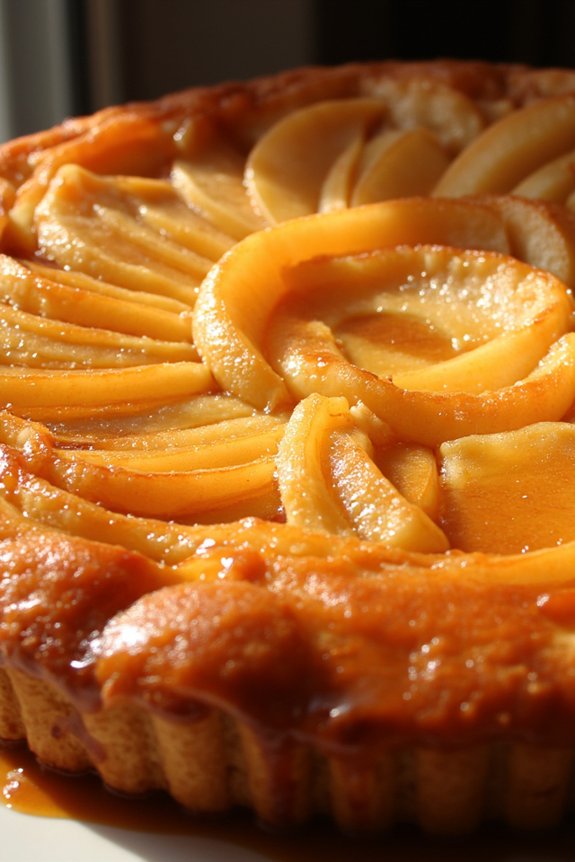
Tarte Tatin is a delectable French dessert that has captured the hearts of food enthusiasts around the globe. This upside-down caramelized apple tart is the epitome of French culinary artistry, combining simplicity with rich, elegant flavors.
Originating from the kitchen of the Tatin sisters in the late 19th century, this dessert was reportedly created by accident but has since become a classic symbol of French patisserie. The sumptuous combination of tender, caramelized apples atop a buttery, flaky pastry crust makes for a truly irresistible treat that’s perfect for any occasion.
The secret to an exceptional Tarte Tatin lies in the careful caramelization of the apples and the perfect balance between tartness and sweetness. Traditionally made with firm, tart apples like Granny Smith or Golden Delicious, the dish is gently cooked with sugar and butter until the apples are luscious and golden.
The pastry is then laid on top of the fruit and baked to a crisp perfection. Once inverted, the tart reveals a glistening crown of caramelized apples that make it as beautiful as it’s delicious. This recipe serves 4-6 people, making it an ideal choice for a small gathering or a special family dinner.
Ingredients:
- 1 sheet of puff pastry, thawed
- 6-8 firm apples (such as Granny Smith or Golden Delicious)
- 1 cup granulated sugar
- 1/2 cup unsalted butter
- 1 tablespoon lemon juice
- 1 teaspoon vanilla extract
- A pinch of salt
Instructions:
- Preheat the Oven: Begin by preheating your oven to 375°F (190°C). This will guarantee that the tart bakes evenly and the pastry becomes perfectly golden.
- Prepare the Apples: Peel, core, and quarter the apples. Try to maintain uniform sizes for even cooking. Toss the apple quarters with lemon juice to prevent browning and set aside.
- Caramelize the Sugar: In a 9-inch ovenproof skillet, melt the butter over medium heat, then add the sugar and a pinch of salt. Stir occasionally until the sugar dissolves and begins to turn a light amber color.
- Cook the Apples: Arrange the apples in the skillet, rounded side down, in a circular pattern. Cook them in the caramel for about 15-20 minutes, turning them once, until they’re tender and caramelized. Add the vanilla extract toward the end of the cooking time.
- Prepare the Puff Pastry: Roll out the puff pastry to fit over the skillet, ensuring there’s a slight overhang on all sides. Carefully lay the pastry over the apples, tucking the edges into the skillet.
- Bake the Tart: Place the skillet in the preheated oven and bake for about 25-30 minutes, or until the pastry is golden and puffed.
- Cool and Invert: Once baked, remove the skillet from the oven and allow it to cool for about 5 minutes. Carefully invert the tart onto a serving plate, ensuring no hot caramel spills over.
- Serve: Serve the Tarte Tatin warm, optionally with a dollop of crème fraîche or a scoop of vanilla ice cream.
Extra Tips:
For the best results, choose apples that are firm and hold their shape well during cooking. Adjust the sugar level to suit your taste preference, especially if using sweeter apple varieties.
If the caramel begins to harden before you add the apples, gently reheat it until it becomes liquid again. Finally, always be cautious when inverting the tart, as the caramel will be extremely hot. Enjoy this delightful French classic with friends and family for a truly indulgent dessert experience.
Ratatouille: a Vegetable Symphony With Wine
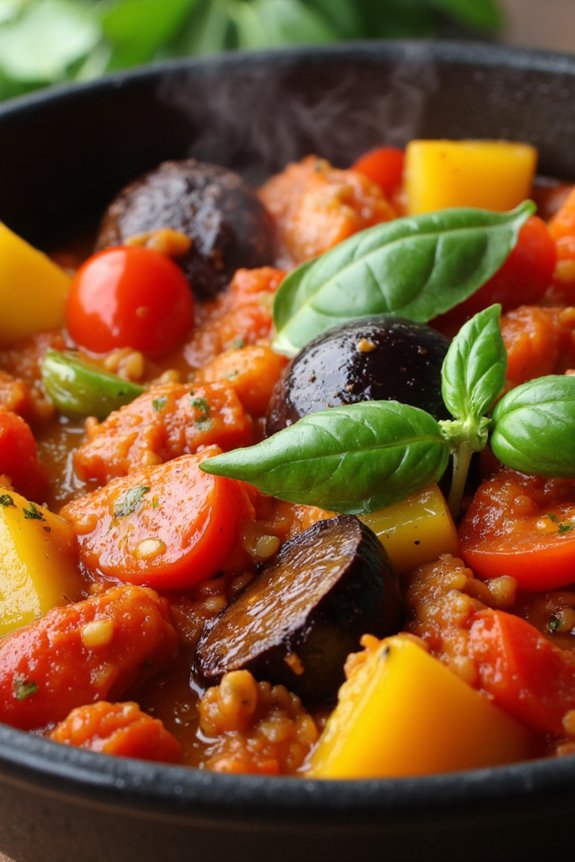
Ratatouille is a classic French Provençal stewed vegetable dish, bursting with the flavors of the Mediterranean. The dish is a colorful medley of seasonal vegetables such as eggplants, zucchini, bell peppers, and tomatoes, all simmered to perfection with aromatic herbs and a splash of wine.
Originating from Nice, this delightful dish has become a staple in French cuisine, celebrated for its simplicity and depth of flavor. Ratatouille isn’t just a meal—it’s a culinary experience that brings the essence of French countryside cooking to your table.
In this recipe, we elevate the traditional ratatouille by incorporating white wine to augment its rich, savory notes. The combination of vegetables, olive oil, garlic, and herbs creates a symphony of flavors that’s both comforting and exquisite. Perfect for a family dinner or a cozy gathering, this dish is best served with crusty bread or as a side to a hearty meat dish. The recipe below serves 4-6 people, making it ideal for sharing with loved ones.
Ingredients (Serves 4-6):
- 2 medium eggplants, diced
- 2 medium zucchinis, sliced
- 1 red bell pepper, diced
- 1 yellow bell pepper, diced
- 1 large onion, chopped
- 4 cloves garlic, minced
- 4 large tomatoes, diced
- 1/2 cup dry white wine
- 1/4 cup olive oil
- 1 teaspoon fresh thyme leaves
- 1 teaspoon fresh rosemary, chopped
- 1/4 cup fresh basil leaves, chopped
- Salt and pepper to taste
Cooking Instructions:
- Prepare the Vegetables: Start by washing and chopping all your vegetables as per the ingredient list. Confirm the eggplants are diced and the zucchinis and bell peppers are sliced uniformly for even cooking.
- Sauté the Onion and Garlic: In a large, heavy-bottomed pot or Dutch oven, heat the olive oil over medium heat. Add the chopped onion and sauté until soft and translucent, about 5 minutes. Stir in the minced garlic and cook for an additional minute, until fragrant.
- Cook the Eggplant: Add the diced eggplant to the pot. Season with a pinch of salt and pepper. Cook, stirring occasionally, until the eggplant is softened and lightly browned, around 8-10 minutes.
- Add Zucchini and Bell Peppers: Stir in the sliced zucchini and diced bell peppers. Cook for another 5-7 minutes until the vegetables begin to soften.
- Simmer with Wine and Tomatoes: Pour in the white wine, allowing it to deglaze the pot. Add the diced tomatoes, thyme, and rosemary. Stir well to combine. Bring the mixture to a gentle simmer.
- Simmer and Reduce: Reduce the heat to low and cover the pot. Let the ratatouille simmer gently for 30-40 minutes, stirring occasionally, until the vegetables are tender and the flavors are well melded.
- Finish with Basil: Before serving, stir in the chopped fresh basil. Adjust seasoning with more salt and pepper to taste.
- Serve: Serve the ratatouille hot with crusty bread or as a side dish to your favorite protein.
Extra Tips:
For the best results, use ripe and fresh vegetables, preferably from local farmers’ markets when in season. If you prefer a thicker stew, let it simmer uncovered for the last 10 minutes to allow excess liquid to evaporate.
The dish can be made a day in advance and stored in the refrigerator; the flavors will deepen overnight, making it even more delicious when reheated. Consider experimenting with different herbs like oregano or adding a splash of balsamic vinegar for a slight tang.
Enjoy your Ratatouille as a standalone dish, or pair it with grilled meats, fish, or even a poached egg for a complete meal.
French Onion Soup: Rich Broth With Wine and Cheese
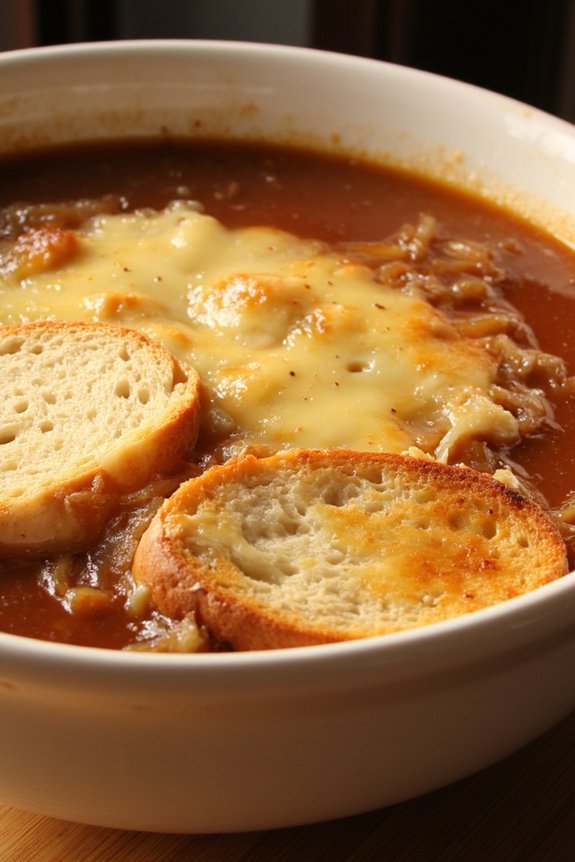
French Onion Soup: Rich Broth With Wine and Cheese is a classic, comforting dish that transports you straight to a quaint Parisian bistro. This soup is known for its deep, robust flavor profile, thanks to the caramelization of onions and the richness of beef broth. The addition of wine elevates the taste, while the crusty bread and melted cheese topping add a satisfying texture and creamy finish. Perfect for cold evenings, this soup is a warm hug in a bowl, offering a delightful balance between savory and sweet.
Creating this dish involves a few simple yet essential steps that guarantee the depth of flavor characteristic of French Onion Soup. The key lies in slowly caramelizing the onions, allowing them to develop a sweet, rich taste that forms the base of the soup. The inclusion of white wine and beef broth amplifies this base, while a topping of toasted bread and melted Gruyère or Swiss cheese rounds off the experience with a cheesy, crispy finish. This soup is best enjoyed fresh out of the oven, allowing the cheese to remain gooey and the flavors to meld beautifully.
Ingredients (Serves 4-6):
- 6 large yellow onions, thinly sliced
- 4 tablespoons unsalted butter
- 1 tablespoon olive oil
- 1 teaspoon salt
- 1/2 teaspoon sugar
- 2 cloves garlic, minced
- 1/2 cup dry white wine
- 8 cups beef broth
- 2 bay leaves
- 1 teaspoon fresh thyme leaves (or 1/2 teaspoon dried thyme)
- Salt and pepper to taste
- 1 baguette, sliced
- 2 cups grated Gruyère cheese or Swiss cheese
Instructions:
- Caramelize the Onions: In a large pot or Dutch oven, melt the butter with the olive oil over medium heat. Add the sliced onions and salt. Cook the onions for about 15 minutes, stirring occasionally until they start to soften.
- Add Sugar and Garlic: Sprinkle the sugar over the onions to help with caramelization and add the minced garlic. Continue cooking, stirring frequently, until the onions are deep brown and caramelized, about 30-40 minutes.
- Deglaze with Wine: Pour the white wine into the pot to deglaze, scraping up any browned bits from the bottom of the pot. Allow the wine to simmer and reduce for about 5 minutes.
- Add Broth and Herbs: Stir in the beef broth, bay leaves, and thyme. Bring the soup to a simmer, then reduce the heat to low. Cover and let it simmer for about 30 minutes. Season with salt and pepper to taste.
- Prepare Bread and Cheese: While the soup simmers, preheat the oven to 350°F (175°C). Arrange the baguette slices on a baking sheet and toast them in the oven until golden brown, about 10 minutes.
- Assemble and Serve: Remove the bay leaves from the soup. Ladle the soup into oven-safe bowls. Top each bowl with a slice or two of toasted baguette, and generously sprinkle the grated cheese over the bread.
- Gratinate the Cheese: Place the bowls on a baking sheet and transfer them to the oven. Bake until the cheese is bubbly and golden brown, about 10 minutes. Serve hot.
Extra Tips:
When caramelizing the onions, patience is key. Don’t rush this process, as the slow caramelization brings out the natural sweetness and depth of flavor in the onions. Use a mix of butter and olive oil to prevent the onions from burning.
If you prefer a stronger onion flavor, you can add a splash of balsamic vinegar towards the end of the caramelization process. For a vegetarian version, substitute the beef broth with vegetable broth.
Châteaubriand: Tenderloin Steak With Red Wine Reduction
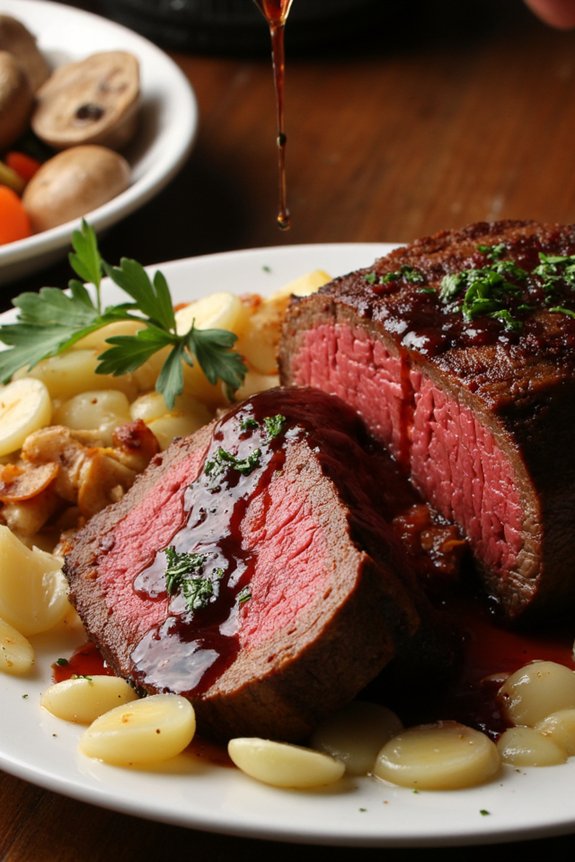
Châteaubriand is a classic French dish named after the 19th-century French writer and statesman, François-René de Chateaubriand. This elegant dish is centered around a tenderloin steak, which is the most tender cut of beef, making it perfect for special occasions or a luxurious dinner.
The steak is traditionally served with a rich and flavorful red wine reduction sauce that complements the meat beautifully, enhancing its natural juices and adding a sophisticated depth of flavor. The dish can be garnished with sautéed mushrooms or seasonal vegetables to create a complete and indulgent meal.
While Châteaubriand might sound intimidating, it’s surprisingly straightforward to prepare. The key is to select a high-quality beef tenderloin and allow it to cook to the perfect doneness, guaranteeing a deliciously tender and juicy steak.
The red wine reduction sauce is made by simmering wine with aromatic ingredients until it transforms into a thick, glossy sauce, packed with rich and concentrated flavors. This recipe serves 4-6 people, making it an excellent choice for a dinner party or a special family meal.
Ingredients (Serves 4-6 people):
- 2 pounds beef tenderloin (center-cut)
- Salt and freshly ground black pepper
- 2 tablespoons olive oil
- 2 tablespoons unsalted butter
- 2 shallots, finely chopped
- 2 cloves garlic, minced
- 1 cup red wine (preferably Bordeaux or another full-bodied red)
- 1 cup beef stock
- 1 tablespoon fresh thyme leaves
- 2 tablespoons heavy cream (optional)
- Fresh parsley, chopped (for garnish)
Cooking Instructions:
1. Prepare the Beef: Preheat your oven to 400°F (200°C). Season the beef tenderloin generously with salt and freshly ground black pepper on all sides.
2. Sear the Tenderloin: In a large ovenproof skillet, heat olive oil over medium-high heat. Once the oil is hot, add the beef tenderloin and sear it on all sides until a golden-brown crust forms, about 4-5 minutes per side.
3. Roast the Beef: Transfer the skillet with the seared beef to the preheated oven. Roast the beef for about 15-20 minutes or until the internal temperature reaches 125°F (52°C) for medium-rare. Adjust the cooking time as necessary for your preferred doneness.
Once cooked, remove the beef from the oven and let it rest on a cutting board, loosely covered with foil.
4. Make the Red Wine Reduction: In the same skillet, melt the butter over medium heat. Add the shallots and garlic, sautéing until softened and fragrant, about 2-3 minutes. Pour in the red wine, scraping up any browned bits from the bottom of the skillet.
5. Reduce the Sauce: Add the beef stock and thyme to the skillet. Bring the mixture to a boil, then reduce the heat to a simmer. Allow the sauce to reduce by half, which should take about 10-15 minutes. For a silkier finish, stir in the heavy cream, if using. Season with salt and pepper to taste.
6. Serve: Slice the rested beef tenderloin into thick slices and arrange them on a platter. Drizzle the red wine reduction sauce over the top, and garnish with fresh parsley. Serve immediately with your choice of sides.
Extra Tips:
For the best results, allow the beef tenderloin to come to room temperature before cooking, which helps it cook more evenly. Use a meat thermometer to guarantee the perfect doneness, and remember that the meat will continue to cook slightly while resting.
For the sauce, choose a good quality red wine, as its flavors will concentrate during the reduction process. If you prefer a smoother sauce, strain it through a sieve to remove the shallots and thyme before serving.
Poulet Basquaise: Basque Chicken With White Wine
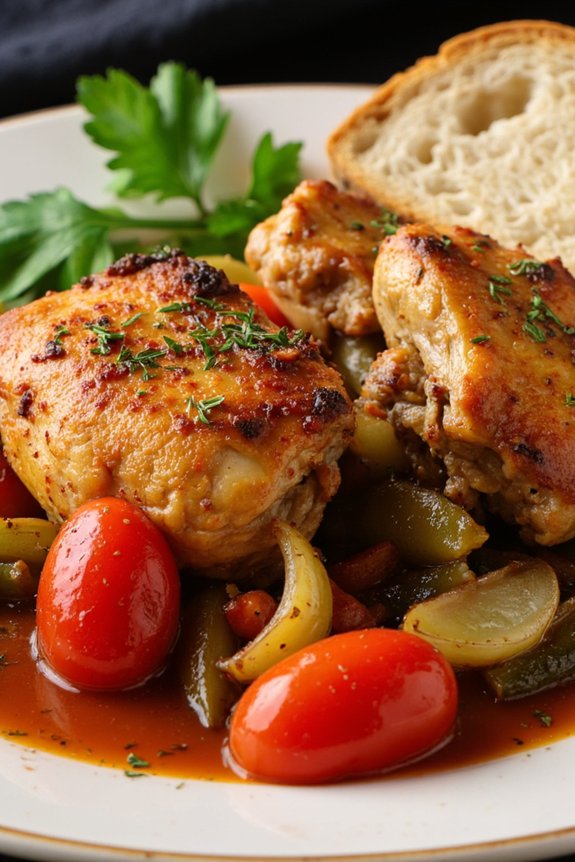
Poulet Basquaise, or Basque Chicken With White Wine, is a classic French dish that combines the robust flavors of the Basque region with the elegance of French cuisine. This recipe is a delightful blend of tender chicken simmered with vibrant bell peppers, tomatoes, onions, and a splash of white wine, creating a mouthwatering dish that’s perfect for any occasion.
The dish is a wonderful representation of how traditional French cooking can transform simple ingredients into an extraordinary culinary experience. The key to a successful Poulet Basquaise is to allow the flavors to meld together slowly, ensuring the chicken absorbs the rich and aromatic sauce.
This dish is perfect for family dinners or small gatherings, as it’s both comforting and impressive. Serve it with crusty bread or over a bed of rice to soak up the delicious sauce. The following recipe serves 4-6 people, making it an ideal choice for sharing a taste of France with loved ones.
Ingredients (Serves 4-6):
- 1 whole chicken, cut into 8 pieces
- 2 tablespoons olive oil
- 2 large onions, thinly sliced
- 4 cloves garlic, minced
- 2 red bell peppers, sliced
- 2 green bell peppers, sliced
- 4 ripe tomatoes, chopped
- 1 cup dry white wine
- 1 teaspoon smoked paprika
- Salt and pepper to taste
- 1 bay leaf
- 1 tablespoon fresh thyme leaves
- 2 tablespoons chopped fresh parsley
Instructions:
- Prepare the Chicken: Season the chicken pieces with salt and pepper. Heat the olive oil in a large, deep skillet or Dutch oven over medium-high heat. Add the chicken pieces skin-side down and brown them for about 5 minutes on each side until golden. Remove the chicken and set aside.
- Cook the Vegetables: In the same skillet, add the onions and garlic, sautéing until the onions are translucent. Add the red and green bell peppers, cooking for another 5 minutes until they begin to soften.
- Simmer the Sauce: Add the chopped tomatoes to the pan, stirring to combine. Pour in the white wine, and then sprinkle the smoked paprika, thyme, and bay leaf. Season with additional salt and pepper if needed. Bring the mixture to a simmer.
- Combine and Cook: Place the browned chicken pieces back into the skillet, nestling them into the sauce. Cover and let the chicken simmer gently for about 30-40 minutes, or until the chicken is cooked through and tender.
- Final Touches: Once the chicken is done, remove the bay leaf. Sprinkle the chopped parsley over the dish before serving for a fresh, vibrant finish.
Extra Tips:
For the best results, use a high-quality dry white wine that you’d enjoy drinking, as it will enhance the flavor of the dish. If you prefer a thicker sauce, you can remove the chicken once cooked, and let the sauce simmer uncovered for a few more minutes to reduce.
Be sure to taste and adjust seasoning before serving. This dish can also be prepared ahead of time and reheated, as the flavors will deepen and improve with a bit of rest.
Escargots De Bourgogne: Burgundy Snails in Garlic-Wine Sauce
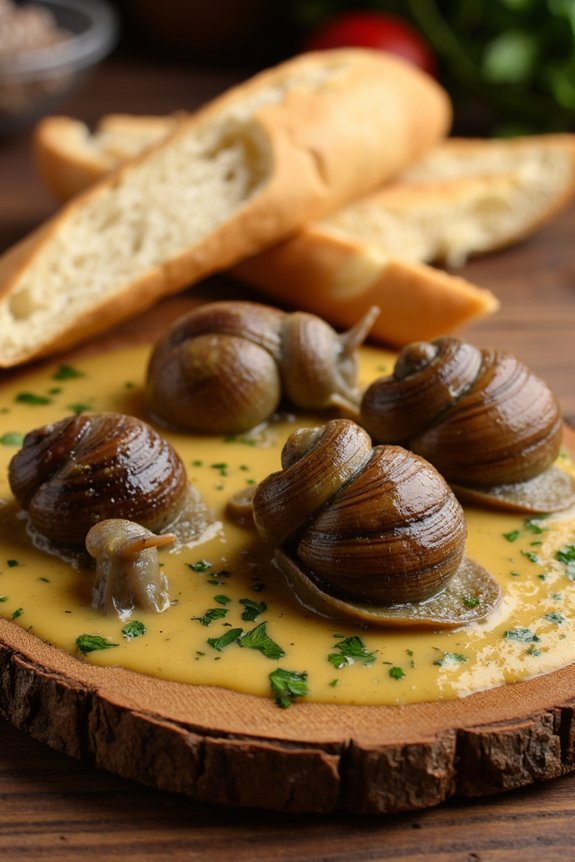
Escargots De Bourgogne, or Burgundy Snails in Garlic-Wine Sauce, is a classic French delicacy that hails from the Burgundy region. This dish is renowned for its aromatic and flavorful sauce, which combines garlic, parsley, butter, and white wine to augment the natural taste of the snails.
Though it may seem intimidating to prepare, this recipe offers a delightful culinary experience that transports you to the heart of France. Perfect as an appetizer or a main course, Escargots De Bourgogne is bound to impress your guests with its rich flavors and elegant presentation.
The dish’s success lies in the quality of the ingredients and the method of preparation. Snails, often considered a luxurious treat, are cooked in a fragrant garlic-wine sauce that complements their tender texture. Traditionally served in their shells, the snails are nestled in a bed of garlicky herb butter, then baked to perfection.
The result is a warm, savory dish that’s best enjoyed with a crusty baguette to soak up the delicious sauce. Whether you’re a seasoned chef or a home cook looking to expand your repertoire, this recipe provides a step-by-step guide to mastering Escargots De Bourgogne.
Ingredients (Serves 4-6):
- 24 large snails (canned or fresh)
- 1 cup dry white wine
- 1/4 cup unsalted butter, softened
- 4 cloves garlic, minced
- 1/4 cup fresh parsley, finely chopped
- 1 shallot, finely chopped
- Salt and pepper to taste
- 1 tablespoon lemon juice
- 24 snail shells (optional)
- Crusty baguette for serving
Cooking Instructions:
- Prepare the Snails: If you’re using canned snails, drain and rinse them thoroughly under cold water. If using fresh snails, verify they’re cleaned and pre-cooked according to the supplier’s instructions.
- Make the Herb Butter: In a mixing bowl, combine the softened butter, minced garlic, chopped parsley, and shallot. Add a pinch of salt and pepper, then mix until smooth and well combined.
- Cook the Snails: In a medium-sized saucepan, pour in the white wine and bring it to a simmer over medium heat. Add the snails and cook for about 5 minutes, allowing them to absorb the wine’s flavor. Remove from heat and drain, reserving some of the wine for later use.
- Stuff the Snails: If using snail shells, place a small amount of the herb butter mixture into each shell, followed by a snail, then fill the remaining space with more herb butter. If not using shells, you can place the snails in a snail dish or small ovenproof dish, layering them with the herb butter.
- Bake the Snails: Preheat your oven to 400°F (200°C). Arrange the prepared snails on a baking tray or dish and drizzle with reserved wine and lemon juice. Bake in the preheated oven for about 10-12 minutes, or until the butter is bubbling and the snails are heated through.
- Serve: Remove from the oven and serve immediately with slices of crusty baguette, allowing guests to enjoy the snails and soak up the flavorful sauce.
Extra Tips:
When preparing Escargots De Bourgogne, the quality of the butter and wine will greatly affect the final taste, so opt for high-quality ingredients. If possible, use a dry white wine like Chardonnay or Sauvignon Blanc, which pairs well with the garlic and herbs.
For a more intense flavor, you can add a splash of cognac to the herb butter mixture. Additionally, if you prefer a spicier kick, consider adding a pinch of cayenne pepper to the herb butter. Finally, be careful not to overcook the snails; they should remain tender and not rubbery.
Enjoy this traditional French dish as a fine dining experience at home!
Clafoutis: Cherry Dessert With a Wine Touch
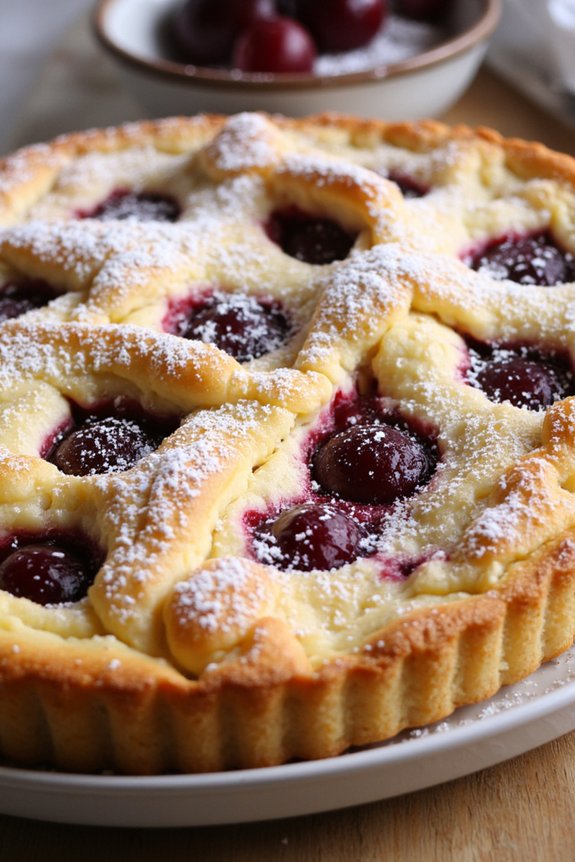
Clafoutis is a classic French dessert that pairs the sweet juiciness of cherries with the subtle notes of wine. This delectable treat hails from the Limousin region, where it has been enjoyed for generations. Its beauty lies not only in its flavor but also in its simplicity, making it the perfect dessert for both novice and seasoned bakers.
The dish is traditionally made with cherries, but adding a touch of wine elevates the flavors, creating an aromatic and rich experience for the palate. The texture of clafoutis is similar to that of a custard or thick pancake. As the cherries bake, they release their juices, infusing the batter with their essence. The wine, meanwhile, adds a sophisticated complexity that complements the cherries beautifully.
Served warm or at room temperature, clafoutis can be enjoyed as a delightful finish to any meal, whether it’s a casual family dinner or an elegant dinner party. This recipe serves 4-6 people, guaranteeing everyone gets a generous helping of this nostalgic French dessert.
Ingredients:
- 1 cup all-purpose flour
- 1/2 cup granulated sugar
- 1/4 teaspoon salt
- 3 large eggs
- 1 1/2 cups whole milk
- 1 teaspoon vanilla extract
- 2 tablespoons unsalted butter, melted
- 1 tablespoon kirsch or brandy (optional)
- 1/4 cup dry white wine
- 1 pound fresh cherries, pitted
- Powdered sugar, for dusting
Instructions:
- Preheat and Prepare: Preheat your oven to 350°F (175°C). Butter a 9-inch round baking dish or a similar-sized ovenproof dish. This guarantees the clafoutis won’t stick and will be easy to serve.
- Mix Dry Ingredients: In a medium bowl, whisk together the flour, granulated sugar, and salt. This helps distribute the sugar and salt evenly throughout the flour.
- Combine Wet Ingredients: In another bowl, beat the eggs and gradually whisk in the milk, vanilla extract, melted butter, kirsch (if using), and wine. Confirm all ingredients are well combined to create a smooth mixture.
- Combine Wet and Dry Mixtures: Slowly add the dry ingredients to the wet mixture, whisking continuously to avoid lumps. The batter should be smooth and slightly thick, resembling pancake batter.
- Arrange Cherries: Spread the pitted cherries evenly across the bottom of the prepared baking dish. This guarantees every slice will have a good amount of cherries.
- Pour Batter: Carefully pour the batter over the cherries, ensuring they’re evenly coated and distributed throughout the dish.
- Bake: Place the baking dish in the preheated oven and bake for 35-40 minutes, or until the clafoutis is puffed and golden, and a toothpick inserted into the center comes out clean.
- Cool and Serve: Allow the clafoutis to cool slightly before dusting with powdered sugar. Serve warm or at room temperature, enjoying the delightful blend of flavors.
Extra Tips:
When making clafoutis, it’s important to choose ripe, sweet cherries for the best flavor. If fresh cherries are out of season, frozen cherries can be used, but make sure to thaw and drain them well before use.
For a more intense flavor, consider soaking the cherries in the wine for an hour before baking, allowing them to absorb the wine’s nuances. Additionally, if you prefer a less sweet dessert, you can adjust the sugar quantity according to your taste.
Clafoutis is a versatile dessert, so feel free to experiment with different types of fruit and liqueurs to create your unique version of this timeless French classic.
Quiche Lorraine: Savory Tart With Wine-Paired Flavors

Quiche Lorraine is a classic French dish that embodies the essence of French cuisine with its rich flavors and simple yet elegant presentation. Originating from the Lorraine region in northeastern France, this savory tart is a delightful combination of a buttery, flaky crust filled with a creamy custard of eggs, cream, and a generous amount of smoky bacon or lardons.
The dish is often enhanced with the addition of cheese, such as Gruyère, which melts beautifully and adds another layer of savory depth. Paired with a crisp green salad and a glass of chilled white wine, Quiche Lorraine makes for a perfect meal whether it’s a casual brunch or an elegant dinner party.
The flavors of Quiche Lorraine are both comforting and sophisticated, making it a beloved choice for those who appreciate nostalgic French recipes. Its preparation involves creating a tender pastry crust that cradles the rich filling, guaranteeing each bite is a harmonious balance of textures and tastes.
This dish has stood the test of time, proving that sometimes, the simplest ingredients can create the most memorable meals. Whether you’re a seasoned chef or a home cook looking to bring a taste of France to your table, this recipe will guide you through the process of making an authentic Quiche Lorraine.
Ingredients (Serves 4-6):
- 1 9-inch pie crust (store-bought or homemade)
- 6 slices of bacon, diced
- 1 medium onion, finely chopped
- 4 large eggs
- 1 1/2 cups heavy cream
- 1 cup grated Gruyère cheese
- Salt and freshly ground black pepper to taste
- A pinch of nutmeg
- 1 tablespoon butter (for greasing)
Instructions:
- Prepare the Crust:
- Preheat your oven to 375°F (190°C).
- Roll out the pie crust and fit it into a 9-inch tart pan. Trim any excess dough and prick the bottom with a fork to prevent bubbles. Chill in the refrigerator while preparing the filling.
- Cook the Bacon and Onions:
- In a skillet over medium heat, cook the diced bacon until crispy. Remove the bacon with a slotted spoon and drain on paper towels.
- In the same skillet, add the chopped onion and sauté until soft and translucent, about 5 minutes. Remove from heat and set aside.
- Make the Custard Filling:
- In a medium bowl, whisk together the eggs, heavy cream, salt, pepper, and nutmeg until smooth and well combined.
- Assemble the Quiche:
- Remove the crust from the refrigerator. Evenly spread the cooked bacon and onions over the bottom of the crust.
- Sprinkle the grated Gruyère cheese over the bacon and onions.
- Pour the egg and cream mixture over the cheese, guaranteeing it covers all the ingredients evenly.
- Bake:
- Place the quiche on a baking sheet and transfer it to the preheated oven.
- Bake for 35-40 minutes, or until the filling is set and the top is golden brown.
- Remove from the oven and allow it to cool for a few minutes before slicing.
- Serve:
- Serve warm or at room temperature, paired with a light salad and your choice of white wine.
Extra Tips:
For the best results, confirm your ingredients are at room temperature before mixing, as this helps in achieving a smooth custard. If you prefer a less rich quiche, you can substitute half of the heavy cream with milk.
Additionally, feel free to customize your quiche with other ingredients like sautéed mushrooms, leeks, or spinach for added flavor and variety. Remember to allow your quiche to cool slightly before slicing to give the custard time to set properly, which will prevent it from falling apart when served.
