

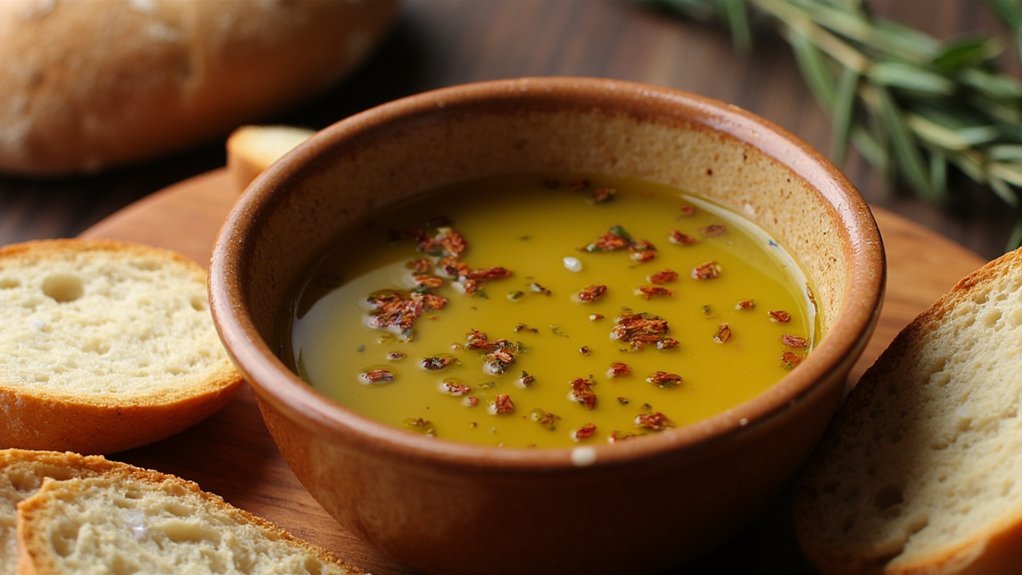
There’s something magical about the way French herbs can transform everyday dishes into culinary masterpieces. With just a sprinkle of rosemary or a dash of thyme, a simple chicken dinner can become something extraordinary. In this list of 14 aromatic French herb recipes, you’ll find inspiration to elevate your meals effortlessly. Let’s embark on this flavorful journey and discover how these fragrant ingredients can redefine your cooking. Ready to explore some new favorites?
Classic French Ratatouille With Herbes De Provence
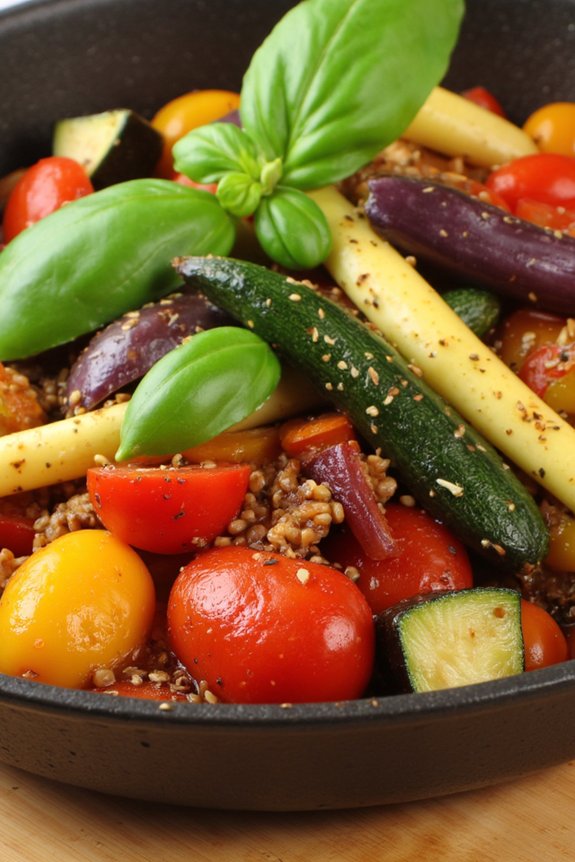
Ratatouille is a quintessential French dish that hails from the region of Provence. It’s a vibrant, hearty vegetable stew that showcases the simplicity and elegance of Provençal cooking. The dish combines a medley of fresh vegetables like eggplants, zucchini, bell peppers, and tomatoes, all gently simmered together to create a delicious and aromatic experience.
The key to its signature taste is the use of Herbes de Provence, a fragrant blend of herbs including thyme, rosemary, and oregano, that infuses the dish with the essence of French culinary tradition.
When preparing Ratatouille, it’s vital to focus on the freshness and quality of the ingredients. Each vegetable contributes its unique flavor and texture, creating a harmonious and balanced dish that’s both healthy and satisfying.
The process of cooking Ratatouille can be a bit time-consuming, but the resulting flavors are well worth the effort. Whether served as a side dish, a main course, or even chilled as a salad, Ratatouille is a versatile dish that celebrates the bounty of summer vegetables and the aromatic charm of French herbs.
Ingredients for 4-6 people:
- 2 medium eggplants
- 2 medium zucchinis
- 1 yellow bell pepper
- 1 red bell pepper
- 1 large onion
- 4 cloves of garlic
- 6 ripe tomatoes
- 1/4 cup olive oil
- 2 teaspoons Herbes de Provence
- Salt to taste
- Pepper to taste
- Fresh basil for garnish
Cooking Instructions:
- Prepare the Vegetables: Start by washing all the vegetables thoroughly. Dice the eggplants and zucchinis into roughly 1-inch cubes. Cut the bell peppers into strips, and finely chop the onion and garlic. Peel and chop the tomatoes into chunks.
- Sauté the Aromatics: In a large, heavy-bottomed pot, heat the olive oil over medium heat. Add the chopped onion and garlic, and sauté until they become translucent and fragrant, about 5 minutes.
- Cook the Eggplant: Add the diced eggplant to the pot. Sauté for about 10 minutes, stirring occasionally, until the eggplant is softened and lightly browned.
- Add the Remaining Vegetables: Stir in the zucchinis and bell peppers. Cook for another 5 minutes, allowing them to soften slightly.
- Incorporate the Tomatoes and Herbs: Add the chopped tomatoes to the pot. Stir in the Herbes de Provence, along with salt and pepper to taste. Mix everything well to verify the herbs and seasoning are evenly distributed.
- Simmer the Ratatouille: Reduce the heat to low, cover the pot, and let the ratatouille simmer for about 30-40 minutes. Stir occasionally to prevent sticking and to help meld the flavors together. The vegetables should be tender and the mixture should be thick and stew-like.
- Taste and Adjust Seasoning: After simmering, taste the ratatouille and adjust the seasoning with additional salt or pepper if needed.
- Garnish and Serve: Once ready, remove from heat and let it cool slightly. Garnish with fresh basil leaves before serving. Ratatouille can be served warm or at room temperature.
Extra Tips:
For a more robust flavor, consider roasting the vegetables separately before adding them to the pot. This step enhances their natural sweetness and adds a slightly charred taste that complements the Herbes de Provence beautifully.
Additionally, if you have the time, letting the ratatouille sit for a few hours or overnight will allow the flavors to develop further, making it even more delicious.
When selecting your vegetables, choose those that are firm and ripe for the best taste and texture. Finally, feel free to experiment with the herb blend by adding other favorites like basil or parsley to tailor the dish to your personal taste.
Rosemary and Thyme Infused Roast Chicken
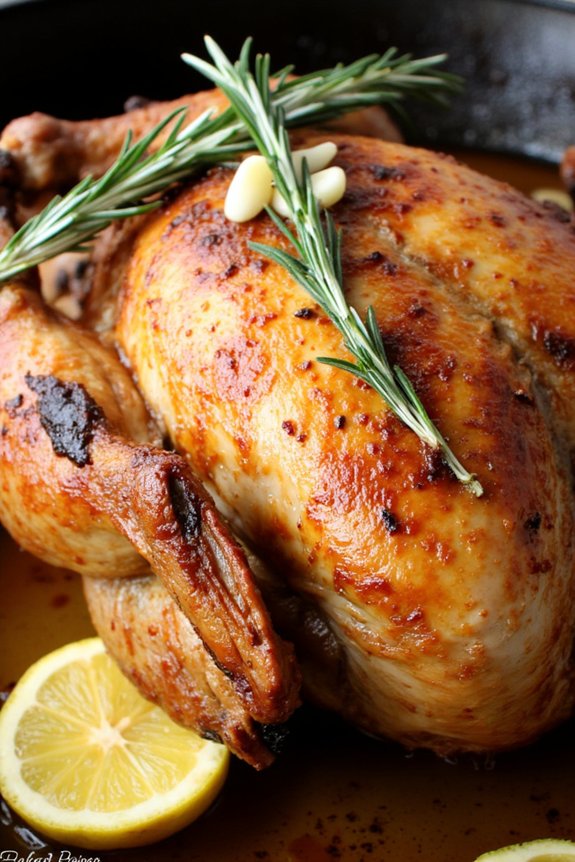
Rosemary and Thyme Infused Roast Chicken is a classic French-inspired dish that combines the earthy flavors of two beloved herbs. This delightful recipe is perfect for those looking to add a touch of aromatic elegance to their meals. The combination of rosemary and thyme not only enhances the flavor of the chicken but also infuses the entire kitchen with an irresistible aroma.
Whether you’re preparing a casual family dinner or hosting a more formal gathering, this dish is sure to impress with its tender, juicy chicken and fragrant herbaceous notes.
The key to this recipe is the careful infusion of rosemary and thyme throughout the cooking process. By using fresh herbs, you guarantee that the flavors are vibrant and robust, perfectly complementing the savory chicken. The recipe is straightforward and requires minimal ingredients, allowing the natural flavors to shine.
Served alongside roasted vegetables or a fresh salad, Rosemary and Thyme Infused Roast Chicken makes for a comforting and satisfying meal. The following recipe serves 4-6 people.
Ingredients:
- 1 whole chicken (about 4-5 pounds)
- 4 sprigs of fresh rosemary
- 4 sprigs of fresh thyme
- 4 cloves of garlic, minced
- 1 lemon, sliced
- 2 tablespoons olive oil
- Salt and pepper to taste
- 1 cup chicken broth or white wine
Instructions:
- Preheat the Oven: Start by preheating your oven to 375°F (190°C). This allows your oven to reach the desired temperature while you prepare the chicken.
- Prepare the Chicken: Rinse the whole chicken under cold water and pat it dry with paper towels. Confirm the cavity is clean and free of any giblets.
- Season the Chicken: Rub the inside of the chicken cavity with salt and pepper. Stuff the cavity with half of the rosemary and thyme sprigs, half of the minced garlic, and half of the lemon slices.
- Prepare the Roasting Pan: Place the chicken in a roasting pan. Drizzle the olive oil over the chicken and rub it evenly across the skin. Season the outside of the chicken generously with salt and pepper.
- Add Aromatics: Scatter the remaining rosemary and thyme sprigs, garlic, and lemon slices around the chicken in the roasting pan.
- Add Liquid: Pour the chicken broth or white wine into the roasting pan. This will help keep the chicken moist during roasting and create a flavorful base for a potential sauce.
- Roast the Chicken: Place the roasting pan in the preheated oven. Roast the chicken for about 1.5 to 2 hours, or until the internal temperature reaches 165°F (74°C) when measured in the thickest part of the thigh.
- Baste Occasionally: Every 30 minutes, baste the chicken with the pan juices to guarantee it remains moist and flavorful.
- Rest Before Serving: Once cooked, remove the chicken from the oven and let it rest for 10-15 minutes. This allows the juices to redistribute and makes carving easier.
Extra Tips:
For a more pronounced flavor, you can marinate the chicken with rosemary, thyme, garlic, and lemon for a few hours or overnight before roasting. Additionally, if you prefer a crispy skin, increase the oven temperature to 425°F (220°C) for the last 15 minutes of roasting.
If you find the chicken skin is browning too quickly, cover it loosely with aluminum foil to prevent burning. Finally, save the pan juices, as they make an excellent gravy or sauce to accompany the chicken.
Traditional French Onion Soup With Fresh Thyme
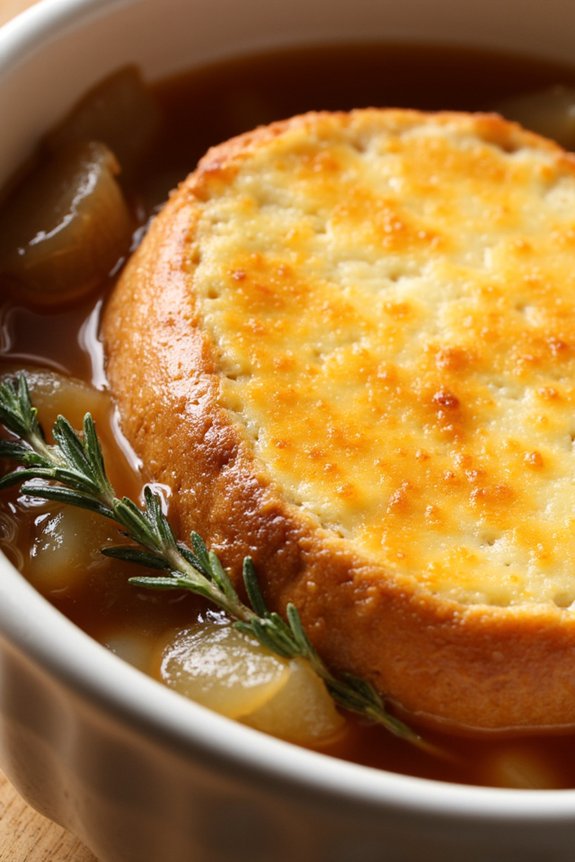
French Onion Soup is a classic dish that embodies the rich heritage of French cuisine. With its roots dating back centuries, this comforting soup is a perfect blend of caramelized onions, savory broth, and fresh herbs. The addition of fresh thyme elevates its aromatic profile, adding depth and complexity to the dish.
Often served as a starter, this soup is hearty enough to be enjoyed as a main course, especially on a chilly evening. The flavors meld beautifully over time, making it a perfect dish to prepare for family gatherings or special occasions.
The key to a perfect French Onion Soup lies in the slow caramelization of the onions, which develops a sweet, intense flavor vital to the dish. The soup is traditionally topped with crusty bread and melted Gruyère cheese, creating a delightful contrast of textures. As the cheese bubbles and browns under the broiler, it forms a golden, crispy crust that’s simply irresistible.
This recipe serves 4-6 people, ensuring there’s plenty to go around, whether you’re hosting a dinner party or looking to indulge in a comforting meal at home.
Ingredients:
- 6 large yellow onions, thinly sliced
- 4 tablespoons unsalted butter
- 2 tablespoons olive oil
- 8 cups beef broth
- 1 cup dry white wine
- 2 cloves garlic, minced
- 4 sprigs fresh thyme
- 2 bay leaves
- Salt and freshly ground black pepper, to taste
- 1 baguette, sliced into rounds
- 2 cups grated Gruyère cheese
Instructions:
- Prepare the Onions: In a large pot or Dutch oven, melt the butter with the olive oil over medium heat. Add the sliced onions and cook, stirring occasionally, until they’re caramelized and golden brown, about 25-30 minutes. Be patient as this step is essential for developing the soup’s rich flavor.
- Add Garlic and Herbs: Stir in the minced garlic and cook for another minute until fragrant. Add the fresh thyme sprigs and bay leaves to the pot, infusing the onions with their aromatic essence.
- Deglaze with Wine: Pour in the white wine, scraping the bottom of the pot to release any browned bits. Allow the wine to reduce by half, intensifying the flavors.
- Simmer the Soup: Add the beef broth to the pot and bring to a gentle simmer. Let the soup cook for about 30 minutes, allowing the flavors to meld. Season with salt and freshly ground black pepper to taste.
- Prepare the Bread: While the soup is simmering, preheat your broiler. Arrange the baguette slices on a baking sheet and broil until they’re golden brown and crisp, about 1-2 minutes per side.
- Assemble and Serve: Ladle the hot soup into oven-safe bowls. Top each with a slice of toasted baguette and a generous amount of grated Gruyère cheese. Place the bowls under the broiler until the cheese is bubbly and golden brown, about 3-5 minutes. Carefully remove from the oven and serve immediately.
Extra Tips:
For the best results, use a combination of sweet and yellow onions to add layers of flavor to your soup. If you prefer a more robust taste, you can substitute some of the beef broth with chicken or vegetable stock.
To save time, you can caramelize the onions in advance and store them in the refrigerator for up to three days. When selecting cheese, opt for a high-quality Gruyère or a similar melting cheese like Comté or Emmental for an authentic taste.
Remember to monitor the broiling process closely to prevent the cheese from burning. Enjoy your Traditional French Onion Soup with a glass of your favorite wine for a truly indulgent experience.
Provençal Herb-Crusted Lamb Chops
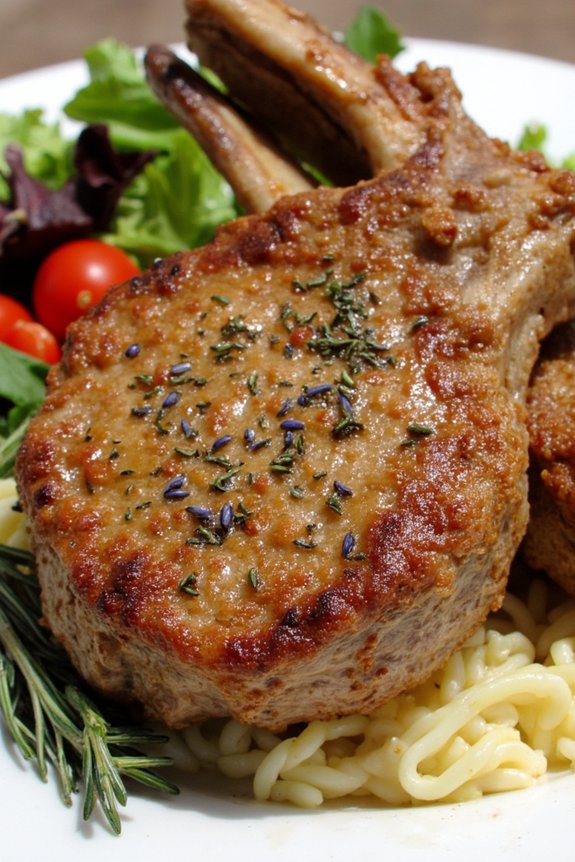
Provençal Herb-Crusted Lamb Chops are a delightful fusion of tender meat and aromatic herbs, inspired by the flavors of the French countryside. This dish makes use of a vibrant mixture of herbs such as rosemary, thyme, and lavender, which are staples in Provençal cooking. The herb crust provides a fragrant and savory coating that enhances the natural flavors of the lamb, making it a perfect centerpiece for any special meal.
With its rich and robust flavors, this dish is sure to impress guests and family alike. The beauty of this recipe lies in its simplicity and the quality of the ingredients. When preparing Provençal Herb-Crusted Lamb Chops, it’s important to use fresh herbs and high-quality lamb to achieve the best results.
The combination of the herbs with a touch of Dijon mustard creates a delightful crust that seals in the juices, guaranteeing each bite is succulent and flavorful. Paired with a side of roasted vegetables or a fresh salad, this dish embodies the essence of French cuisine: elegant, yet comforting.
Ingredients (Serves 4-6):
- 8 lamb chops
- 2 tablespoons Dijon mustard
- 1 tablespoon olive oil
- 2 tablespoons fresh rosemary, finely chopped
- 2 tablespoons fresh thyme, finely chopped
- 1 tablespoon dried lavender
- 3 cloves garlic, minced
- Salt and pepper to taste
Cooking Instructions:
- Prepare the Herb Mixture: In a small bowl, combine the chopped rosemary, thyme, dried lavender, minced garlic, salt, and pepper. Mix well to make certain the herbs and spices are evenly distributed.
- Coat the Lamb Chops: Pat the lamb chops dry with a paper towel. Brush each chop with a thin layer of Dijon mustard, then drizzle with olive oil. This will help the herb mixture adhere to the meat.
- Apply Herb Crust: Generously press the herb mixture onto both sides of each lamb chop, making sure they’re well-coated. Let the chops rest for 10-15 minutes to allow the flavors to meld.
- Preheat the Oven: Preheat your oven to 400°F (200°C). While the oven is heating, let the lamb chops come to room temperature.
- Sear the Lamb Chops: Heat a large ovenproof skillet over medium-high heat. Add a bit more olive oil if necessary. Sear the lamb chops for about 2 minutes on each side until they’re browned but not cooked through.
- Finish in the Oven: Transfer the skillet to the preheated oven. Roast the lamb chops for about 6-8 minutes for medium-rare, or longer if you prefer your lamb more well-done.
- Rest and Serve: Remove the skillet from the oven and let the lamb chops rest for 5 minutes before serving. This allows the juices to redistribute throughout the meat.
Extra Tips:
For the best flavor, use lamb chops that are at least 1 inch thick. This guarantees that they remain juicy and tender during cooking. If you don’t have an ovenproof skillet, you can transfer the seared chops to a baking dish before roasting.
Also, if fresh herbs aren’t available, dried herbs can be used, but reduce the quantity by half as dried herbs have a more concentrated flavor. Finally, always let the meat rest after cooking to enhance tenderness and juiciness.
Tarragon Cream Sauce for Grilled Salmon
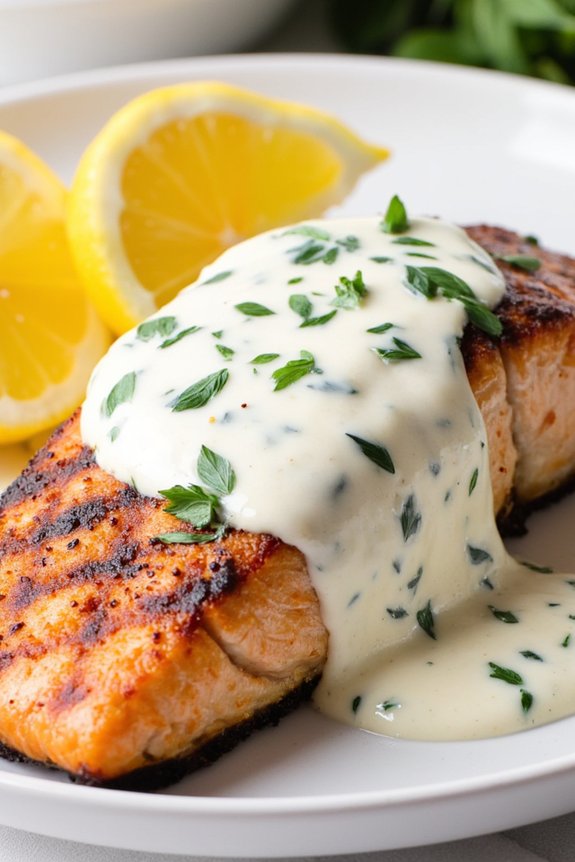
Tarragon cream sauce is a classic French accompaniment that elevates the flavor profile of grilled salmon, transforming it into a gourmet dish fit for any occasion. The sauce, with its rich and creamy texture, beautifully complements the succulent, flaky salmon, while the distinctive licorice-like notes of tarragon add an aromatic depth.
This dish is perfect for a light summer dinner or an elegant dinner party, where you want to impress your guests without spending hours in the kitchen. The combination of grilled salmon with tarragon cream sauce isn’t only delicious but also nutritious, providing a good source of omega-3 fatty acids and protein.
The sauce is quick and simple to prepare, allowing you to focus on grilling the salmon to perfection. Whether you’re an experienced home cook or a beginner, this recipe is straightforward and rewarding, promising a delightful dining experience.
Ingredients (Serves 4-6):
- 4-6 salmon fillets (approximately 6 ounces each)
- Salt and freshly ground black pepper
- Olive oil for grilling
- 1 cup heavy cream
- 1/4 cup white wine
- 1 tablespoon Dijon mustard
- 2 tablespoons fresh tarragon, finely chopped
- 1 shallot, finely chopped
- 2 tablespoons unsalted butter
- Lemon wedges for serving
Cooking Instructions:
- Prepare the Salmon: Season the salmon fillets generously with salt and freshly ground black pepper. Drizzle with olive oil and set aside while you prepare the sauce.
- Make the Tarragon Cream Sauce: In a medium saucepan over medium heat, melt the butter. Add the chopped shallot and sauté until translucent and fragrant, about 2-3 minutes.
- Deglaze the Pan: Pour in the white wine and let it simmer until it reduces by half, approximately 3-4 minutes. This step intensifies the flavors and reduces the acidity of the wine.
- Add Cream and Mustard: Stir in the heavy cream and Dijon mustard, blending well. Let the mixture simmer gently for about 5 minutes, allowing it to thicken slightly.
- Incorporate Tarragon: Add the chopped tarragon to the sauce, stirring to combine. Simmer for another 2 minutes to let the flavors meld together. Season with salt and pepper to taste.
- Grill the Salmon: Preheat your grill to medium-high heat. Place the salmon fillets skin-side down on the grill. Grill for about 4-5 minutes on each side, or until the salmon is opaque and flakes easily with a fork.
- Serve: Place the grilled salmon on a serving platter and spoon the tarragon cream sauce over the top. Serve immediately with lemon wedges on the side for an added burst of freshness.
Extra Tips:
To guarantee the perfect grilled salmon, make sure your grill is hot before placing the fillets on it. This helps to prevent sticking and gives the fish beautiful grill marks.
If you don’t have a grill, you can also pan-sear the salmon in a hot skillet with a little olive oil. When making the sauce, adjust the consistency by adding more cream if you prefer a thinner sauce, or let it reduce further for a thicker texture.
Fresh tarragon is key for this recipe, but if you can’t find it, dried tarragon can be used in smaller quantities (about 1 tablespoon) as it has a more concentrated flavor.
Savory Herb and Cheese Soufflé
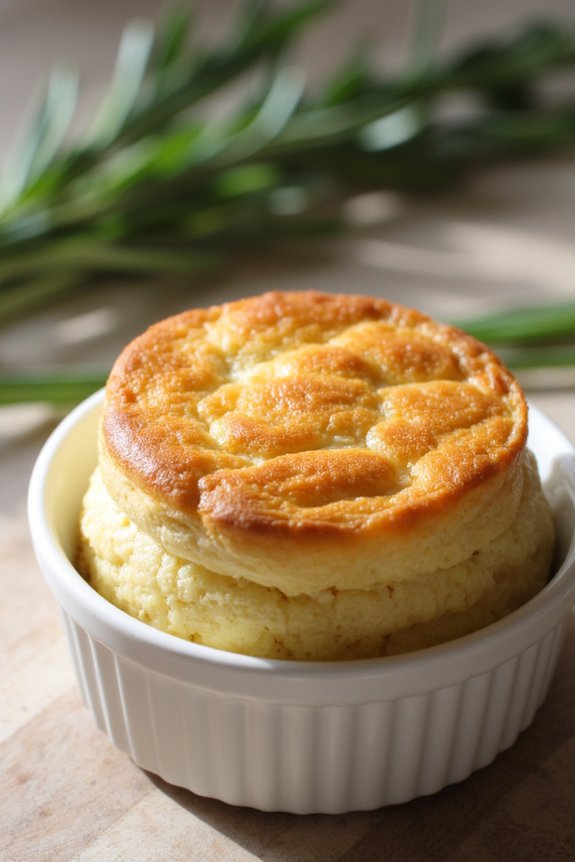
A Savory Herb and Cheese Soufflé is a quintessential French dish that combines airy, delicate textures with rich, robust flavors. This dish is a perfect choice for a special brunch, dinner, or any occasion where you want to impress your guests with something both elegant and comforting. Aromatic herbs like thyme and chives elevate the soufflé’s flavor profile, while the cheese provides a creamy richness that complements the lightness of the eggs.
Creating a soufflé can be intimidating, but with the right technique and attention to detail, anyone can master this classic recipe. The key to a perfect soufflé lies in the balance between the airy, whipped egg whites and the flavorful, creamy base. When done correctly, the soufflé should rise impressively and have a golden-brown top with a slightly soft center. Follow this recipe to make a Savory Herb and Cheese Soufflé that serves 4-6 people.
Ingredients:
- 4 tablespoons unsalted butter, plus more for greasing
- 1/4 cup all-purpose flour
- 1 cup whole milk
- 1/2 teaspoon salt
- 1/4 teaspoon freshly ground black pepper
- 1/8 teaspoon ground nutmeg
- 1 cup grated Gruyère cheese
- 4 large eggs, separated
- 2 tablespoons chopped fresh chives
- 1 tablespoon chopped fresh thyme
- 1/4 teaspoon cream of tartar
Cooking Instructions:
- Preheat the oven: Start by preheating your oven to 375°F (190°C). Grease a 2-quart soufflé dish or 4-6 individual ramekins with butter, making sure the sides are fully covered to help the soufflé rise evenly.
- Prepare the base: In a medium saucepan over medium heat, melt 4 tablespoons of butter. Stir in the flour, whisking continuously for about 1-2 minutes until the mixture is smooth and bubbling, but not browned. Gradually add the milk, whisking constantly until the mixture thickens and begins to boil. This should take about 3-5 minutes.
- Flavor the base: Remove the saucepan from heat and stir in the salt, black pepper, and nutmeg. Add the grated Gruyère cheese, stirring until it melts completely. Let the mixture cool slightly before adding the egg yolks, one at a time, whisking well after each addition. Stir in the chopped chives and thyme.
- Beat the egg whites: In a clean, dry mixing bowl, combine the egg whites and cream of tartar. Using an electric mixer, beat the egg whites on medium-high speed until they form stiff, glossy peaks.
- Combine and fold: Gently fold one-third of the beaten egg whites into the cheese mixture to lighten it. Carefully fold in the remaining egg whites, being mindful not to deflate them. It’s important to fold gently to maintain the airiness.
- Transfer to dish and bake: Pour the mixture into the prepared soufflé dish or ramekins. Run your thumb around the inner rim of the dish to help the soufflé rise evenly. Bake in the preheated oven for 25-30 minutes (or 15-20 minutes for individual ramekins) until the soufflé is puffed and golden brown on top.
Extra Tips:
To guarantee your soufflé rises perfectly, make sure all your ingredients are at room temperature, especially the eggs. When folding in the egg whites, use a light hand to maintain the volume, which is vital for a lofty soufflé. Avoid opening the oven door during baking, as sudden temperature changes can cause the soufflé to collapse.
Serve immediately after baking, as soufflés tend to deflate quickly once they come out of the oven.
Rustic Bouillabaisse With Fennel and Saffron
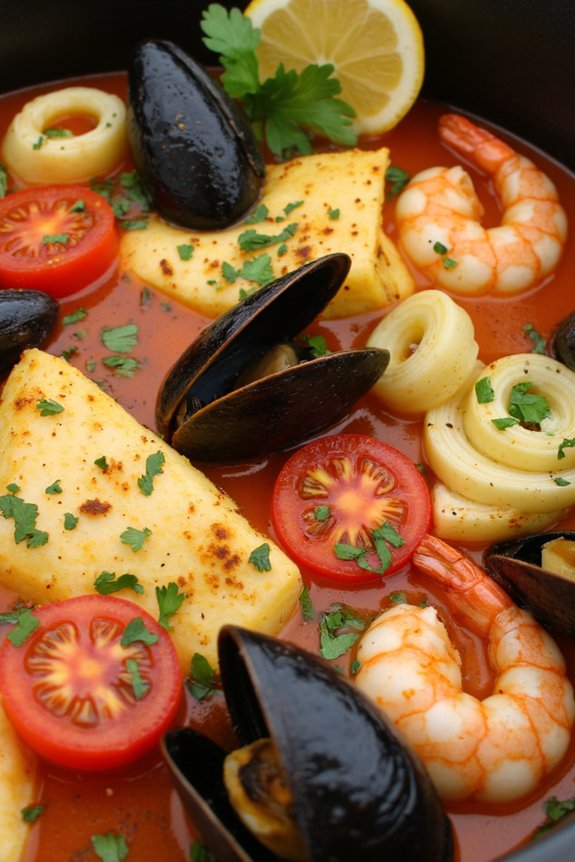
Rustic Bouillabaisse With Fennel and Saffron is a traditional French seafood stew that captures the essence of Provencal cooking with its aromatic blend of herbs and spices. This dish is a celebration of the sea, featuring a mix of fresh fish and shellfish, all simmered in a fragrant broth infused with fennel and saffron. The combination of flavors is both rustic and refined, making it a perfect centerpiece for any dinner gathering or special occasion.
The rich broth is enhanced by the addition of garlic, tomatoes, and a touch of white wine, which elevates the natural sweetness of the seafood. To achieve the authentic taste of a classic bouillabaisse, it’s important to use the freshest ingredients available. This recipe serves 4-6 people, making it ideal for family meals or intimate dinner parties. The process is straightforward yet rewarding, resulting in a hearty and flavorful dish that’s sure to impress.
Ingredients (serving size: 4-6 people):
- 2 tablespoons olive oil
- 1 large onion, finely chopped
- 2 cloves garlic, minced
- 1 bulb fennel, thinly sliced
- 1 cup leeks, white part only, sliced
- 2 cups ripe tomatoes, peeled, seeded, and diced
- 1 teaspoon saffron threads
- 1 teaspoon dried thyme
- 1 bay leaf
- 1 cup dry white wine
- 4 cups fish stock or clam juice
- 1 pound firm white fish (such as cod or halibut), cut into chunks
- 1 pound mussels, cleaned and debearded
- 1/2 pound shrimp, peeled and deveined
- Salt and freshly ground black pepper to taste
- 1/4 cup fresh parsley, chopped
- Lemon wedges for serving
Instructions:
- Prepare the Aromatics: Heat the olive oil in a large, heavy-bottomed pot over medium heat. Add the chopped onion, garlic, fennel, and leeks. Sauté for about 5 minutes until the vegetables are soft and translucent, stirring occasionally to prevent browning.
- Build the Broth: Stir in the diced tomatoes, saffron threads, thyme, and bay leaf. Cook for another 2-3 minutes until the tomatoes begin to break down. Pour in the white wine and allow it to simmer for 5 minutes, letting the alcohol evaporate while intensifying the flavors.
- Simmer the Base: Add the fish stock or clam juice to the pot. Bring the mixture to a gentle boil, then reduce the heat and let it simmer uncovered for 20 minutes. This allows the flavors to meld together beautifully.
- Cook the Seafood: Increase the heat to medium-high, then add the chunks of white fish, mussels, and shrimp to the pot. Cover and cook for 5-7 minutes, or until the fish is cooked through and the mussels have opened. Discard any mussels that remain closed.
- Season and Serve: Taste the stew and season with salt and freshly ground black pepper. Stir in the chopped parsley just before serving. Ladle the bouillabaisse into bowls, garnishing with lemon wedges on the side.
Extra Tips:
For an authentic bouillabaisse experience, serve with a dollop of rouille, a garlic and saffron mayonnaise, spread on slices of crusty bread. This adds a creamy texture and complements the robustness of the stew.
Make sure to use a variety of fresh fish and shellfish for the best flavor, and feel free to include other seafood like clams or squid to enhance the dish. The key to a perfect bouillabaisse is patience; allow the broth to simmer adequately to develop its full aromatic profile.
Lemon and Herb Marinated Grilled Vegetables
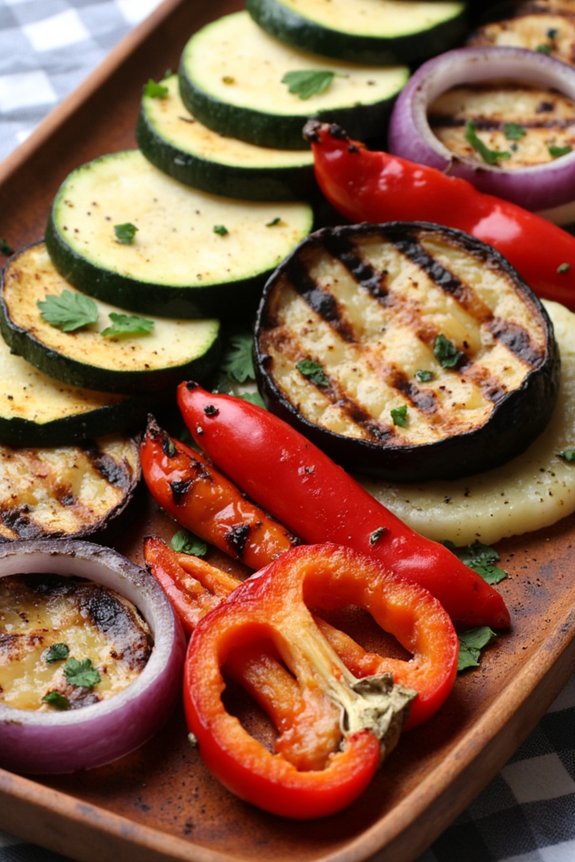
Lemon and Herb Marinated Grilled Vegetables is a delightful and aromatic dish that showcases the vibrant flavors of French herbs combined with the revitalizing zest of lemon. Perfect as a side dish or a main course for a light meal, these grilled vegetables offer a harmony of textures and tastes.
The marinade, rich with fragrant herbs, enhances the natural sweetness of the vegetables, while the grilling process imparts a smoky depth that transforms this simple dish into a gourmet experience. This recipe is ideal for gatherings, as it can be prepared in advance and cooked quickly on the grill when your guests arrive.
The versatility of the vegetables allows you to use whatever is in season or your personal favorites. The lemon and herb marinade is a staple in French cooking, providing a bright and fresh flavor profile that complements the char from the grill. Prepare to impress your friends and family with this easily adaptable and delicious recipe that serves 4-6 people.
Ingredients:
- 2 medium zucchinis
- 2 red bell peppers
- 1 large eggplant
- 1 large red onion
- 1/4 cup olive oil
- 2 tablespoons lemon juice
- 1 tablespoon lemon zest
- 2 cloves garlic, minced
- 1 teaspoon dried thyme
- 1 teaspoon dried rosemary
- 1 teaspoon dried oregano
- Salt and pepper to taste
- Fresh parsley for garnish
Cooking Instructions:
- Prepare the Vegetables: Start by washing all the vegetables thoroughly. Cut the zucchinis and eggplant into 1/2-inch thick slices. Core and de-seed the red bell peppers, then cut them into wide strips. Peel the red onion and slice it into thick rings.
- Make the Marinade: In a large mixing bowl, combine the olive oil, lemon juice, lemon zest, minced garlic, dried thyme, rosemary, and oregano. Season with salt and pepper to taste. Whisk the ingredients together until well blended.
- Marinate the Vegetables: Add the sliced vegetables to the bowl containing the marinade. Toss them gently to guarantee each piece is evenly coated with the herb mixture. Cover the bowl and let the vegetables marinate at room temperature for at least 30 minutes, or refrigerate for up to 2 hours for more intense flavor.
- Preheat the Grill: While the vegetables are marinating, preheat your grill to medium-high heat. Confirm the grates are clean and lightly oiled to prevent sticking.
- Grill the Vegetables: Once the grill is heated, place the marinated vegetables directly onto the grill grates. Cook each side for about 4-5 minutes, or until the vegetables are tender and have developed nice grill marks. Be careful not to overcrowd the grill to guarantee even cooking.
- Serve: Remove the grilled vegetables from the grill and arrange them on a serving platter. Garnish with freshly chopped parsley for a burst of color and added freshness. Serve immediately while warm.
Extra Tips:
To guarantee your grilled vegetables are perfectly cooked, keep an eye on the grill temperature and adjust as needed to prevent burning. If you prefer your vegetables to be a bit crisper, reduce the grilling time slightly.
Additionally, feel free to experiment with different herbs or add a pinch of red pepper flakes for a hint of heat. If you don’t have access to a grill, a grill pan on the stovetop can be a great alternative. The marinade can also be prepared a day in advance to save time on the day of cooking.
French Quiche Lorraine With Chives

French Quiche Lorraine with Chives is a delightful and aromatic dish that embodies the essence of traditional French cuisine. This savory pie combines the rich flavors of bacon, cream, and eggs with the fresh, onion-like bite of chives, creating a harmonious blend of tastes that’s both comforting and sophisticated. The flaky pastry crust provides the perfect vessel for this creamy filling, making it an ideal dish for brunch, lunch, or a light dinner.
Originating from the Lorraine region of France, this quiche showcases the region’s culinary heritage by incorporating local ingredients that are both simple and flavorful. The addition of chives not only enhances the dish’s aroma but also adds a touch of color and freshness. Whether served warm or at room temperature, French Quiche Lorraine with Chives is sure to impress your family and friends with its classic taste and elegant presentation.
Ingredients (serves 4-6):
- 1 pre-made pastry crust (9 inches)
- 6 slices of bacon, chopped
- 1 cup shredded Gruyère cheese
- 3 large eggs
- 1 1/2 cups heavy cream
- 1/4 teaspoon salt
- 1/4 teaspoon freshly ground black pepper
- 1/4 teaspoon ground nutmeg
- 3 tablespoons freshly chopped chives
Cooking Instructions:
- Preheat the Oven: Preheat your oven to 375°F (190°C). Place the oven rack in the middle position to guarantee even cooking.
- Prepare the Crust: Roll out the pre-made pastry crust into a 9-inch pie pan. Press the dough gently into the bottom and sides of the pan, trimming any excess dough. Use a fork to prick the bottom of the crust to prevent it from puffing up during baking.
- Blind Bake the Crust: Line the crust with parchment paper and fill with pie weights or dried beans. Bake in the preheated oven for 10 minutes. Remove the parchment and weights, and bake for an additional 5 minutes. This will help to prevent a soggy bottom once the filling is added. Set aside to cool.
- Cook the Bacon: In a skillet over medium heat, cook the chopped bacon until crisp. Remove from the skillet and drain on paper towels. Set aside.
- Prepare the Filling: In a large bowl, whisk together the eggs, heavy cream, salt, pepper, and nutmeg until well combined.
- Assemble the Quiche: Sprinkle the cooked bacon evenly over the bottom of the pre-baked crust. Follow with an even layer of shredded Gruyère cheese. Pour the egg and cream mixture over the bacon and cheese, and then sprinkle the chopped chives on top.
- Bake the Quiche: Place the quiche in the oven and bake for 30-35 minutes, or until the filling is set and lightly golden on top. The center should be slightly jiggly but not runny.
- Cool and Serve: Allow the quiche to cool for at least 10 minutes before slicing. This will help the filling to set further and make it easier to cut clean slices.
Extra Tips:
When preparing French Quiche Lorraine with Chives, make sure that the bacon is thoroughly cooked and drained of excess fat to prevent greasiness in the final dish. Fresh chives can be substituted with dried chives if necessary, but the fresh variety will provide a more vibrant flavor.
If you don’t have Gruyère cheese on hand, Swiss cheese is a suitable alternative. To save time, you can prepare the pastry crust and filling ingredients ahead of time and assemble just before baking. Enjoy this classic French dish with a side salad or a glass of chilled white wine for a truly authentic experience.
Thyme and Garlic Infused Mashed Potatoes
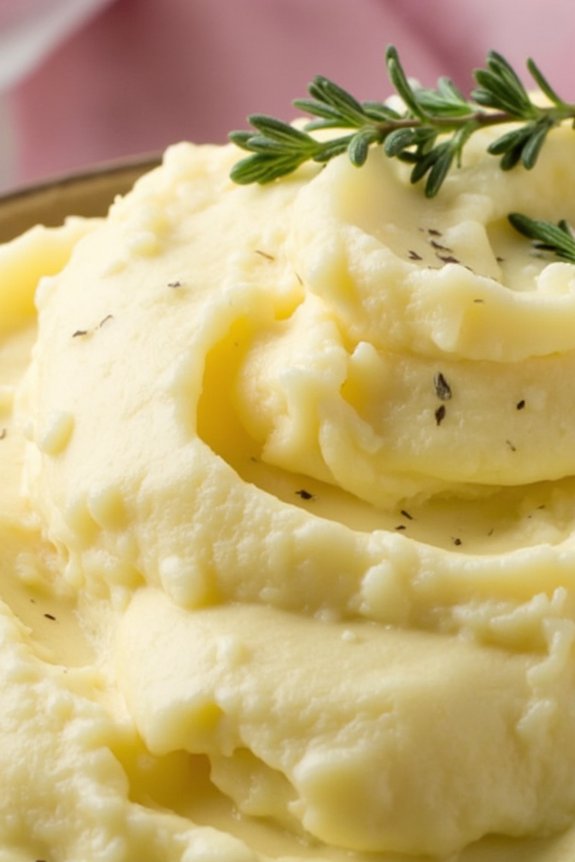
Thyme and Garlic Infused Mashed Potatoes bring a delightful twist to a classic side dish, capturing the essence of aromatic French herbs. This savory dish is perfect for those who appreciate the subtle yet profound flavors that thyme and garlic can offer. The infusion of these herbs into creamy mashed potatoes elevates a simple comfort food into a gourmet experience.
Perfect for any occasion, this recipe is both easy to prepare and guaranteed to impress your guests with its rich aroma and taste. This recipe is crafted to serve 4-6 people, making it an ideal side dish for family gatherings or dinner parties. The combination of butter, cream, and the aromatic infusion of thyme and garlic creates a velvety texture that melts in your mouth.
The key to perfect mashed potatoes lies in balancing the flavors and guaranteeing a smooth, lump-free consistency. Follow the steps below to achieve a dish that’s as pleasing to the palate as it’s to the senses.
Ingredients:
- 3 pounds of potatoes (Yukon Gold or Russet)
- 4 cloves of garlic, minced
- 1/4 cup of fresh thyme leaves
- 1 cup of heavy cream
- 1/2 cup of unsalted butter
- Salt, to taste
- Black pepper, to taste
Cooking Instructions:
- Prepare the Potatoes: Peel and cut the potatoes into evenly sized chunks. This guarantees that they cook evenly. Place the potato chunks into a large pot and cover them with cold water.
- Cook the Potatoes: Add a generous pinch of salt to the water and bring it to a boil over medium-high heat. Reduce the heat to medium and let the potatoes simmer for about 15-20 minutes or until they’re fork-tender.
- Infuse the Cream: While the potatoes are cooking, in a small saucepan, combine the heavy cream, minced garlic, and fresh thyme leaves. Heat the mixture over low heat until it starts to simmer. Allow it to infuse for about 10 minutes, then remove from heat and strain out the solids if you prefer a smooth infusion.
- Mash the Potatoes: Drain the cooked potatoes and return them to the pot. Use a potato masher to mash them until smooth. Avoid over-mashing as this can make the potatoes gluey.
- Combine Ingredients: Gradually add the infused cream mixture and the unsalted butter to the mashed potatoes. Stir until the potatoes are creamy and well combined. Season with salt and black pepper to taste.
- Serve: Transfer the mashed potatoes to a serving bowl and garnish with additional thyme leaves if desired. Serve hot.
Extra Tips:
For the best mashed potatoes, choose potatoes with a higher starch content like Yukon Gold or Russet as they yield fluffier results. When infusing the cream with garlic and thyme, guarantee the heat is low to prevent burning the garlic, which can result in a bitter taste.
If you prefer a stronger thyme flavor, you can leave some of the thyme leaves in the cream before adding it to the potatoes. Additionally, using a ricer instead of a masher can give you an even smoother texture. Adjust the seasoning according to your taste, and remember that the butter and cream will also add a level of richness and depth to the dish.
Herbes De Provence Roasted Pork Tenderloin
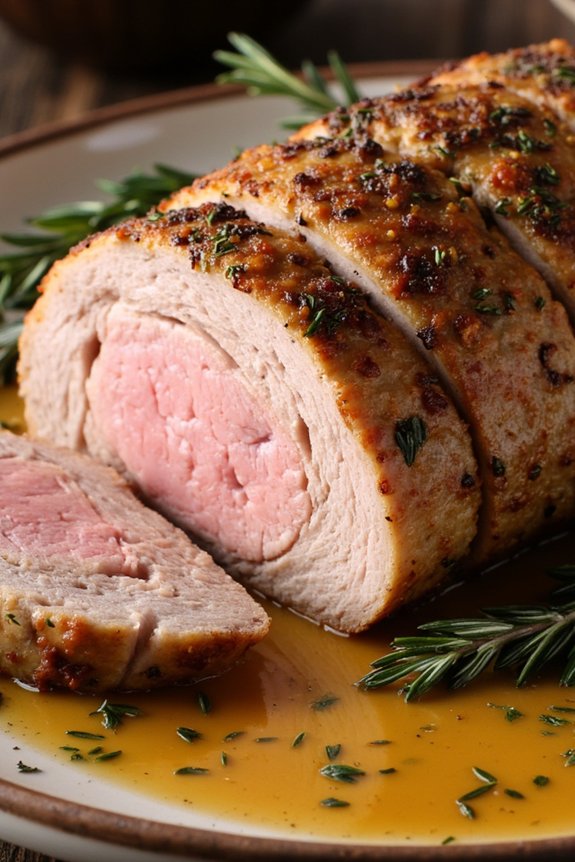
Herbes De Provence Roasted Pork Tenderloin is a flavorful and aromatic dish that brings the essence of southern France right to your dining table. This recipe utilizes a classic French herb blend known as Herbes de Provence, which typically includes a mix of thyme, rosemary, oregano, and sometimes lavender. The combination of these herbs with garlic and olive oil infuses the pork tenderloin with a savory depth that’s both rustic and elegant.
Perfect for a family dinner or a special occasion, this dish will impress your guests with its simplicity and rich flavors. The tender pork, seasoned to perfection, is roasted until juicy and succulent. The aroma of the herbs fills your kitchen, promising a satisfying meal.
Pair this dish with your favorite side of roasted vegetables or a fresh green salad to complete the experience. The recipe is straightforward and doesn’t require much preparation, making it an excellent choice for cooks of all skill levels. Below, you’ll find all the details you need to create this delightful French-inspired meal for 4-6 people.
Ingredients:
- 2 pork tenderloins (about 1 pound each)
- 3 tablespoons olive oil
- 3 tablespoons Herbes de Provence
- 4 cloves garlic, minced
- Salt and pepper to taste
- 1 lemon, juiced
- 1 tablespoon Dijon mustard
Cooking Instructions:
- Preheat the Oven: Start by preheating your oven to 400°F (200°C). This guarantees the pork cooks evenly and develops a nice crust.
- Prepare the Pork: Pat the pork tenderloins dry with paper towels to remove excess moisture. This will help the seasoning adhere better.
- Season the Pork: In a small bowl, mix olive oil, Herbes de Provence, minced garlic, salt, and pepper. Rub this mixture evenly over the pork tenderloins, ensuring they’re well-coated.
- Sear the Pork: Heat a large oven-proof skillet over medium-high heat. Add a splash of olive oil and sear the pork on all sides until golden brown. This step locks in the juices and enhances the flavor.
- Roast the Pork: Transfer the skillet to the preheated oven. Roast the pork for 20-25 minutes, or until an instant-read thermometer inserted into the thickest part of the meat registers 145°F (63°C).
- Rest the Pork: Remove the skillet from the oven and transfer the pork tenderloins to a cutting board. Let them rest for about 5 minutes. This allows the juices to redistribute throughout the meat.
- Prepare the Sauce: While the pork rests, make a quick sauce by deglazing the skillet with lemon juice and Dijon mustard, scraping up any browned bits. Simmer until slightly thickened, then pour over the sliced pork.
Extra Tips:
For best results, allow the pork to come to room temperature before cooking, as this helps it cook more evenly. If you like a hint of sweetness, consider adding a teaspoon of honey to the herb mixture.
Additionally, using a meat thermometer guarantees the pork is cooked to the perfect level of doneness and keeps it juicy. Finally, feel free to customize the Herbes de Provence mix to your liking by adding or omitting specific herbs based on your preference.
Baked Brie With Rosemary and Walnuts
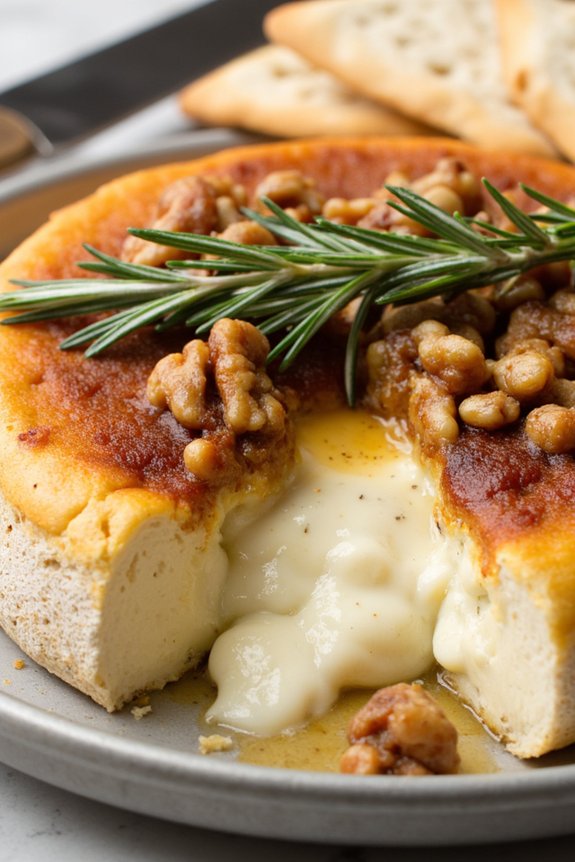
Baked Brie with Rosemary and Walnuts is a delightful appetizer that combines the creamy richness of Brie cheese with the aromatic notes of rosemary and the earthy crunch of walnuts. This dish is perfect for gatherings, offering an elegant touch to any table. The warmth of the melted Brie complements the nutty and herbal flavors, making it an irresistible treat for cheese lovers.
It pairs beautifully with a variety of crackers, fresh fruits, or a warm baguette, making it a versatile choice for any occasion.
The simplicity of this recipe belies its sophistication. With just a handful of ingredients, you can create a dish that’s both visually stunning and delectably satisfying. The Brie is baked until it’s gooey and melty, while the walnuts add a delightful texture and the rosemary infuses the cheese with its fragrant, woodsy aroma.
This combination results in a harmonious blend of flavors and textures that will have your guests coming back for more.
Ingredients (Serves 4-6):
- 1 wheel of Brie cheese (about 8 ounces)
- 2 tablespoons fresh rosemary, chopped
- 1/2 cup walnuts, roughly chopped
- 2 tablespoons honey
- 1 tablespoon olive oil
- Salt and pepper to taste
- Crackers or sliced baguette, for serving
Cooking Instructions:
1. Preheat the Oven:
Preheat your oven to 350°F (175°C) to guarantee it’s hot enough to melt the Brie perfectly.
2. Prepare the Brie:
Remove the Brie from its packaging and place it on a baking sheet lined with parchment paper. Score the top of the Brie with a sharp knife, creating a crosshatch pattern. This will allow the flavors to better infuse the cheese.
3. Add the Toppings:
In a small bowl, mix the chopped rosemary, walnuts, and olive oil. Season the mixture with a pinch of salt and pepper. Spread this mixture evenly over the top of the Brie, pressing it gently into the scored cheese.
4. Drizzle with Honey:
Drizzle the honey over the walnut and rosemary topping. This will add a touch of sweetness and help caramelize the nuts during baking.
5. Bake the Brie:
Place the baking sheet in the preheated oven and bake for 15-20 minutes, or until the Brie is soft and gooey in the center. Be careful not to overbake, as this can cause the cheese to lose its shape.
6. Serve:
Remove the Brie from the oven and let it cool for a few minutes. Transfer it to a serving platter and serve immediately with crackers or slices of baguette.
Extra Tips:
For an additional layer of flavor, consider adding a sprinkle of crushed red pepper flakes to the walnut and rosemary mixture for a hint of heat.
If you prefer a more savory profile, you can omit the honey or replace it with a drizzle of balsamic glaze. Remember, Brie can become runny if overbaked, so keep a close eye on it in the oven.
This dish is best served warm, so plan to bake it just before your guests arrive.
Tarragon Chicken Salad With Dijon Vinaigrette
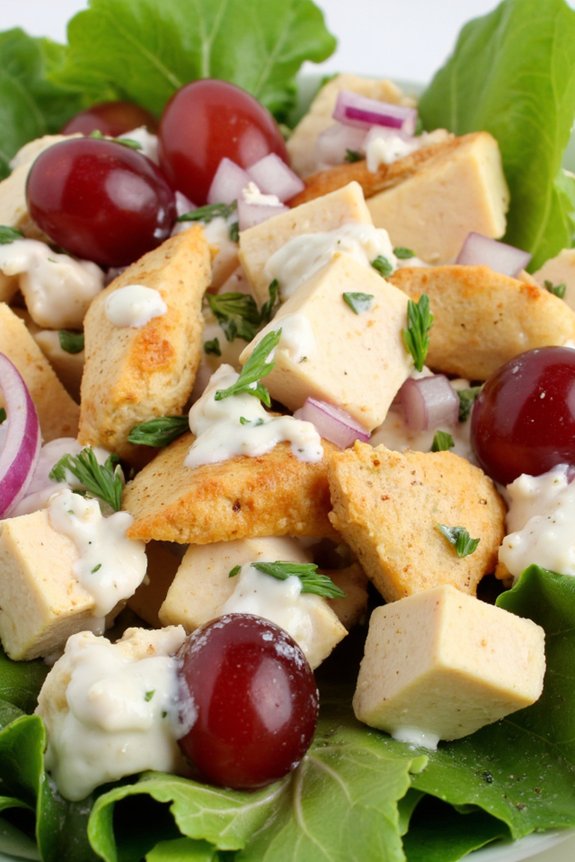
Tarragon Chicken Salad With Dijon Vinaigrette is a delightful blend of tender chicken, fresh vegetables, and aromatic tarragon, tossed in a tangy Dijon vinaigrette. This salad is perfect for a light lunch or dinner, offering a revitalizing yet satisfying flavor profile that’s both elegant and simple to prepare.
The subtle aniseed flavor of tarragon complements the creamy texture of the chicken, while the Dijon vinaigrette adds a zesty kick to the dish. This recipe is designed to serve 4-6 people, making it perfect for a family meal or a small gathering.
The combination of ingredients not only creates a delicious meal but also provides a nutritious option full of protein and vitamins. Whether you’re a seasoned chef or a home cook looking to try something new, this Tarragon Chicken Salad With Dijon Vinaigrette is sure to impress your guests with its sophisticated taste and beautiful presentation.
Ingredients:
- 4 boneless, skinless chicken breasts
- 1 cup mayonnaise
- 2 tablespoons Dijon mustard
- 1 tablespoon white wine vinegar
- 3 tablespoons fresh tarragon leaves, chopped
- 1 cup celery, diced
- 1/2 cup red onion, finely chopped
- 1/2 cup red grapes, halved
- Salt and pepper, to taste
- Mixed salad greens, for serving
Cooking Instructions:
1. Cook the Chicken: Begin by preheating your oven to 375°F (190°C). Place the chicken breasts on a baking sheet and season them with salt and pepper. Bake for 25-30 minutes, or until the chicken is cooked through and no longer pink in the center.
Allow the chicken to cool before dicing it into bite-sized pieces.
2. Prepare the Vinaigrette: In a large mixing bowl, combine the mayonnaise, Dijon mustard, and white wine vinegar. Stir until smooth and well-blended. Add the chopped tarragon leaves to the mixture and stir to combine.
3. Mix the Salad: Add the diced chicken, celery, red onion, and red grapes to the bowl with the vinaigrette. Gently toss all ingredients until the chicken and vegetables are evenly coated with the dressing.
4. Season and Serve: Taste the salad and adjust the seasoning with additional salt and pepper if necessary. Serve the Tarragon Chicken Salad on a bed of mixed salad greens for an added layer of freshness and texture.
Extra Tips:
To enhance the flavor of the chicken, you can marinate it with some olive oil, garlic, and lemon juice for about 30 minutes before baking.
If you prefer a lighter dressing, you can substitute part of the mayonnaise with Greek yogurt. For a touch of sweetness, consider adding some diced apples or dried cranberries to the salad.
Finally, this dish can be made a day in advance, allowing the flavors to meld beautifully in the refrigerator before serving.
Herb-Infused Olive Oil for Dipping Bread
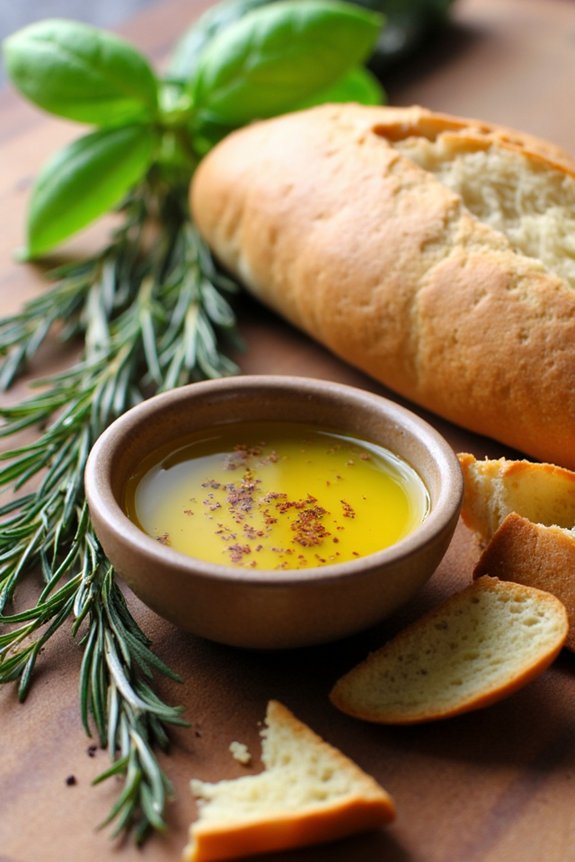
Transform your bread dipping experience with this aromatic Herb-Infused Olive Oil. Perfect for gatherings or simple family dinners, this recipe captures the essence of French culinary elegance. The combination of fresh herbs and high-quality olive oil creates a delightful dip that enhances the flavor of any bread. This aromatic oil isn’t only easy to prepare but also allows you to bring a touch of French sophistication to your table.
Creating your own herb-infused olive oil is a wonderful way to showcase the vibrant flavors of fresh French herbs. Infusing the olive oil with a blend of thyme, rosemary, and basil results in a fragrant and savory dip that pairs beautifully with a crusty baguette or a rustic sourdough. This recipe is designed for a serving size of 4-6 people, making it ideal for sharing with loved ones.
Ingredients (serving size: 4-6 people):
- 1 cup extra virgin olive oil
- 1 tablespoon fresh thyme leaves
- 1 tablespoon fresh rosemary leaves
- 1 tablespoon fresh basil leaves
- 2 cloves garlic, minced
- 1 teaspoon red pepper flakes
- 1/2 teaspoon sea salt
- 1/2 teaspoon freshly ground black pepper
Cooking Instructions:
- Prepare the Herbs: Start by washing and drying the fresh thyme, rosemary, and basil leaves. Make sure they’re completely dry to prevent any water from mixing with the oil, which can cause spoilage.
- Heat the Oil: In a small saucepan, gently heat the extra virgin olive oil over low heat. Be careful not to let the oil reach a boiling point, as you want to infuse the flavors without cooking the herbs.
- Infuse the Oil: Add the minced garlic to the warm oil and let it sizzle for about 1 minute until aromatic. Then add the fresh herbs, red pepper flakes, sea salt, and black pepper to the pan. Stir gently to combine all the ingredients.
- Simmer and Steep: Allow the mixture to simmer on low heat for about 5 minutes. This gentle simmering helps release the herbs’ essential oils into the olive oil. After simmering, remove the saucepan from heat and let the mixture steep for an additional 10 minutes.
- Strain the Oil: Once the oil has cooled, strain it through a fine mesh sieve or cheesecloth into a clean, airtight container to remove the herbs and garlic, leaving only the infused oil.
- Serve: Pour the herb-infused olive oil into a small dipping bowl and serve alongside your favorite bread. Enjoy the aromatic flavors by dipping pieces of bread directly into the oil.
Extra Tips:
To guarantee the best flavor, use high-quality extra virgin olive oil and fresh herbs. If you prefer a stronger herb flavor, you can let the herbs steep in the oil for a longer time before straining.
Store any leftover infused oil in a sealed container in the refrigerator for up to one week. Always make sure that the infused oil is at room temperature before serving to allow the flavors to fully develop. Enjoy this versatile dip with a variety of breads or even drizzled over salads for an added layer of flavor.
