


If you’re a fan of French cuisine and love the idea of turning simple ingredients into something fabulous, you’re in the right place. There’s something truly satisfying about creating a comforting French onion soup or delightful savory crêpes using pantry staples. It’s all about the charm of blending simplicity with remarkable flavors. Ready to cook up something special in your kitchen? Let’s discover some recipes that will surely add a touch of elegance to your everyday meals.
Lentil Salad With Dijon Mustard Vinaigrette
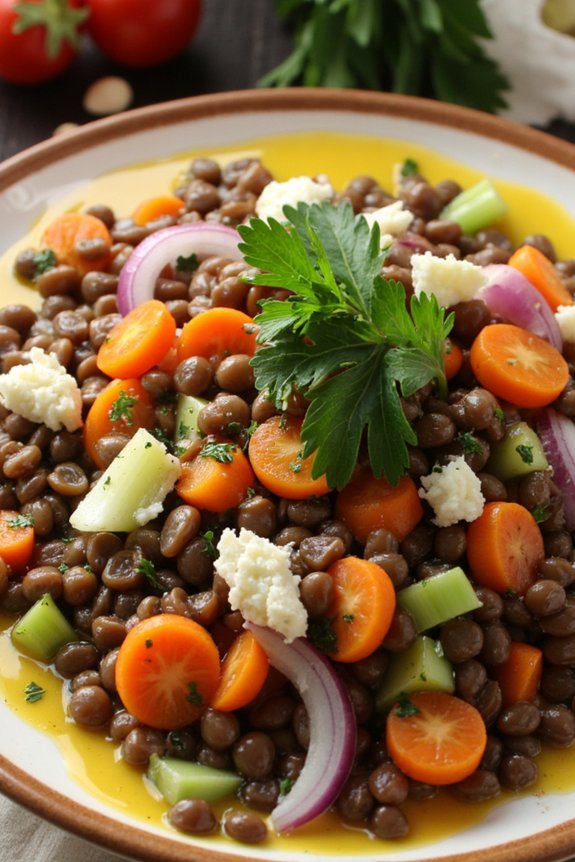
Lentil Salad With Dijon Mustard Vinaigrette is a classic French dish that brings together the earthy flavors of lentils with the tangy zest of a Dijon mustard vinaigrette. This salad not only serves as a nutritious side dish but can also stand alone as a light lunch or dinner option. The combination of fresh vegetables, aromatic herbs, and the robust dressing makes it a delightful addition to your culinary repertoire.
Its preparation is straightforward, but the result is a dish full of complex flavors that’s bound to impress any guest.
The key to a perfect Lentil Salad With Dijon Mustard Vinaigrette lies in the careful selection and preparation of its ingredients. French green lentils, known for their firmness and peppery taste, are ideal for this recipe as they hold their shape well during cooking.
The vinaigrette, a blend of Dijon mustard, red wine vinegar, and olive oil, infuses the salad with a vibrant, tangy flavor. Fresh vegetables like carrots, celery, and red onion add crunch and color, while herbs such as parsley and thyme provide an aromatic lift. This recipe is designed to serve 4-6 people, making it perfect for a family meal or a small gathering.
Ingredients
- 1 cup French green lentils
- 4 cups water
- 1 bay leaf
- 1 medium carrot, diced
- 1 stalk celery, diced
- 1 small red onion, finely chopped
- 2 tablespoons fresh parsley, chopped
- 1 teaspoon fresh thyme leaves
- Salt and freshly ground black pepper to taste
For the Dijon Mustard Vinaigrette:
- 3 tablespoons olive oil
- 1 tablespoon Dijon mustard
- 2 tablespoons red wine vinegar
- 1 clove garlic, minced
Cooking Instructions
- Prepare the lentils: Rinse the lentils under cold water. In a medium saucepan, combine the lentils, water, and bay leaf. Bring to a boil over medium-high heat, then reduce to a simmer. Cook for about 20-25 minutes until the lentils are tender but not mushy. Drain and discard the bay leaf. Set the lentils aside to cool slightly.
- Make the vinaigrette: In a small bowl, whisk together the olive oil, Dijon mustard, red wine vinegar, and minced garlic until emulsified. Season with salt and pepper to taste.
- Combine the salad: In a large mixing bowl, combine the cooked lentils, diced carrot, celery, and red onion. Pour the vinaigrette over the lentil mixture and toss gently to combine.
- Add herbs and season: Add the chopped parsley and thyme to the salad. Season with additional salt and pepper if needed. Toss everything together until the ingredients are well coated with the vinaigrette.
- Serve and enjoy: Transfer the salad to a serving dish and serve it either slightly warm or at room temperature. It can be enjoyed on its own or as a side dish.
Extra Tips
For an even more flavorful salad, prepare it a few hours in advance to allow the lentils to absorb the vinaigrette fully. You might also consider adding other ingredients such as diced cherry tomatoes or crumbled goat cheese for added texture and flavor.
If you prefer a spicier kick, a pinch of cayenne pepper can be added to the vinaigrette. Always taste and adjust the seasoning before serving to ascertain the flavors are balanced.
Ratatouille With Canned Tomatoes
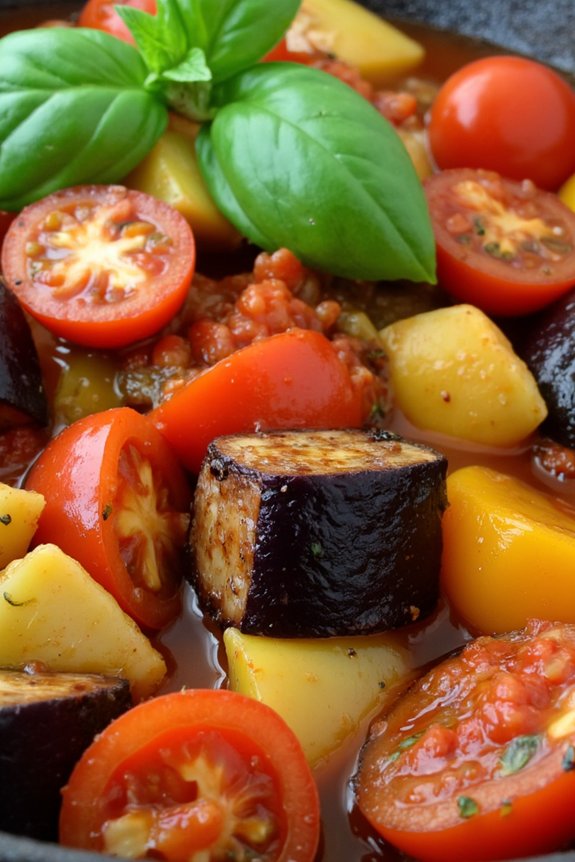
Ratatouille is a quintessential French dish that celebrates the bounty of summer vegetables. Originating from the Provence region, this dish is a symphony of flavors and colors, often served as a side or main dish. The use of canned tomatoes in this recipe adds a convenient twist, making it easier to prepare without compromising the rich and savory taste.
The key to a successful ratatouille is in the layering of flavors and the slow cooking process, which allows the vegetables to meld together harmoniously, creating a comforting and aromatic dish. This version of ratatouille is perfect for serving 4-6 people, making it an excellent choice for family dinners or small gatherings.
With the addition of herbs and a touch of olive oil, this recipe promises a delightful and rustic experience. The vegetables are cooked to a tender perfection, while the canned tomatoes provide a luscious base that ties everything together. Whether you’re an experienced cook or a beginner, this ratatouille recipe is both approachable and rewarding, turning simple ingredients into a masterpiece of French cuisine.
Ingredients (serving size: 4-6 people):
- 1 large eggplant, diced
- 2 zucchinis, sliced
- 1 bell pepper, chopped
- 1 large onion, chopped
- 3 cloves garlic, minced
- 2 cans (14 oz each) diced tomatoes
- 1/4 cup olive oil
- 1 teaspoon dried thyme
- 1 teaspoon dried basil
- Salt and pepper to taste
- Fresh basil leaves, for garnish (optional)
Cooking Instructions:
- Prepare the Vegetables: Begin by washing and chopping all the vegetables. Dice the eggplant and set it aside. Slice the zucchinis and chop the bell pepper and onion. Mince the garlic finely.
- Sauté the Onion and Garlic: In a large skillet or Dutch oven, heat the olive oil over medium heat. Add the chopped onion and minced garlic, sautéing them for about 5 minutes until the onion becomes translucent and aromatic.
- Cook the Vegetables: Add the diced eggplant, sliced zucchinis, and chopped bell pepper to the skillet. Stir well to coat the vegetables with the olive oil and onion mixture. Cook for about 10 minutes, stirring occasionally, until the vegetables start to soften.
- Add the Tomatoes and Herbs: Pour in the canned diced tomatoes, including their juice. Stir in the dried thyme and dried basil. Season with salt and pepper to taste. Mix everything thoroughly, guaranteeing the vegetables are well combined with the tomatoes and herbs.
- Simmer the Ratatouille: Reduce the heat to low, cover the skillet, and let the ratatouille simmer for about 30-40 minutes. Stir occasionally to prevent sticking, allowing the flavors to meld together and the vegetables to become tender.
- Finish and Serve: Once the vegetables are cooked to your desired tenderness, taste and adjust the seasoning if necessary. Garnish with fresh basil leaves if using, and serve hot as a side dish or main course with crusty bread or over cooked rice.
Extra Tips: For the best results, use a heavy-bottomed pan to guarantee even cooking and prevent burning. If you prefer a thicker ratatouille, allow the dish to simmer uncovered for the last 10 minutes to reduce excess liquid.
Feel free to experiment with additional herbs or spices to suit your taste, such as oregano or a dash of red pepper flakes for a bit of heat. Ratatouille can also be made a day ahead, as the flavors deepen and improve with time.
Herbes De Provence Roasted Chicken
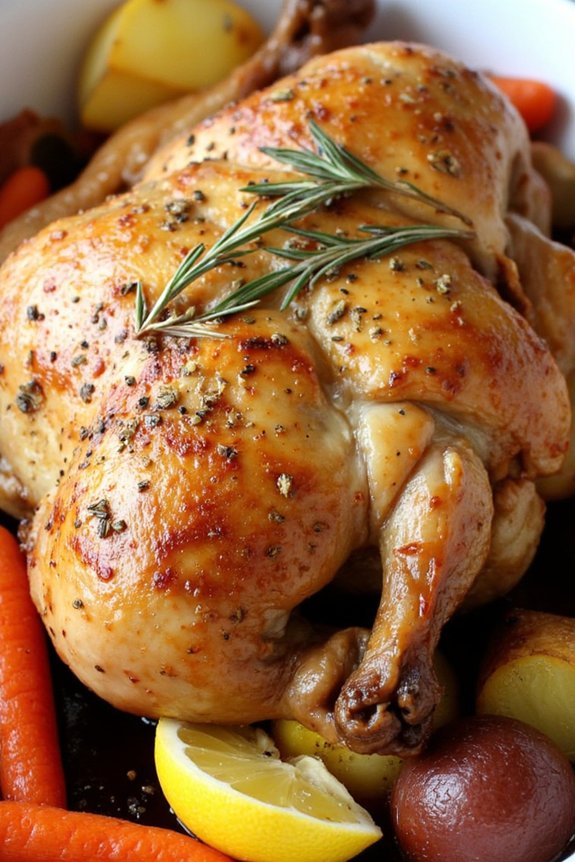
Herbes De Provence Roasted Chicken is a delightful and aromatic dish that brings the essence of Southern France to your dinner table. This classic French recipe utilizes a blend of dried herbs known as Herbes de Provence, which typically includes thyme, rosemary, basil, tarragon, savory, marjoram, and sometimes lavender flowers.
When combined with a whole chicken, these herbs infuse the meat with a fragrant, earthy flavor that’s further enhanced by the slow roasting process. The result is a succulent, golden-brown chicken that’s both flavorful and comforting, making it perfect for family gatherings or special occasions.
This dish not only pleases the palate but also fills your home with irresistible aromas, creating an inviting atmosphere for your guests. It’s a simple yet sophisticated recipe that requires minimal preparation, allowing you to focus on enjoying the company of your loved ones.
Whether you’re an experienced cook or a novice in the kitchen, Herbes De Provence Roasted Chicken is an accessible dish that promises to impress.
Ingredients for 4-6 People:
- 1 whole chicken (about 4-5 pounds)
- 3 tablespoons Herbes de Provence
- 4 cloves garlic, minced
- 1 lemon, quartered
- 2 tablespoons olive oil
- Salt and pepper to taste
- 1 onion, quartered
- 3 carrots, peeled and cut into chunks
- 4 medium potatoes, quartered
Cooking Instructions:
- Preheat the Oven: Begin by preheating your oven to 375°F (190°C). This guarantees a steady and even cooking temperature for the chicken.
- Prepare the Chicken: Rinse the whole chicken under cold water and pat it dry with paper towels. Place the chicken in a large roasting pan.
- Season the Chicken: Rub the chicken all over with olive oil. Sprinkle salt, pepper, and the Herbes de Provence evenly over the entire surface. Make sure to season inside the cavity as well.
- Add Aromatics: Stuff the cavity of the chicken with the minced garlic and lemon quarters. This will add additional flavor and moisture to the chicken as it roasts.
- Arrange Vegetables: Surround the chicken with the onion, carrots, and potatoes in the roasting pan. Drizzle a little olive oil over the vegetables and season them with salt and pepper.
- Roasting: Place the roasting pan in the preheated oven. Roast the chicken for about 1.5 – 2 hours, or until the internal temperature reaches 165°F (74°C) and the juices run clear when the thickest part of the chicken is pierced.
- Resting: Once cooked, remove the chicken from the oven and let it rest for about 10-15 minutes before carving. This allows the juices to redistribute throughout the meat, keeping it moist.
Extra Tips:
For an extra crispy skin, try drying the chicken in the refrigerator uncovered for a few hours before seasoning and roasting. If you’re short on time, you can use chicken pieces instead of a whole chicken to decrease cooking time.
Additionally, feel free to adjust the vegetables according to your preference or what’s in season. For added flavor, consider basting the chicken with its own juices halfway through the roasting time. Enjoy this dish with a glass of white wine or your favorite side salad to complete the French dining experience.
French Onion Soup With Pantry Staples
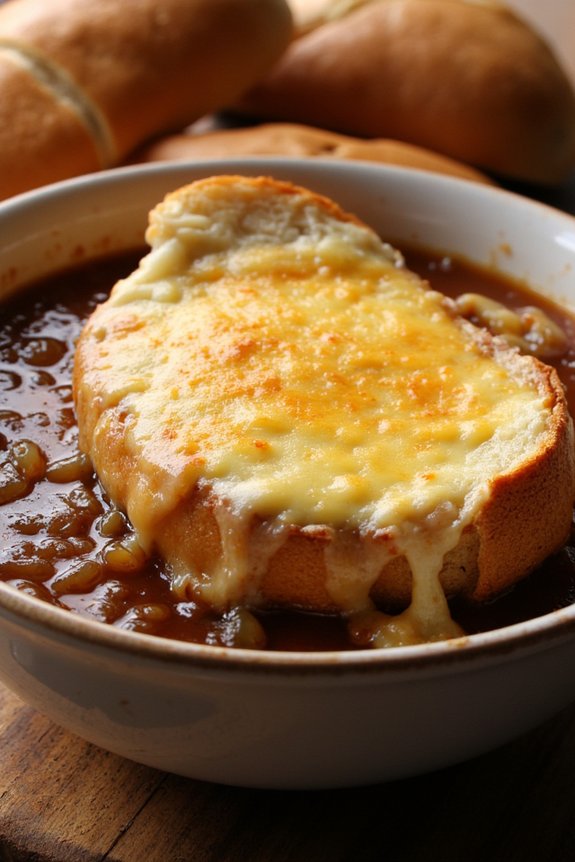
French Onion Soup is a classic French dish that brings warmth and comfort to any meal. With its rich, deep flavors of caramelized onions, savory beef broth, and a hint of thyme, this soup embodies the essence of French cuisine. The beauty of this recipe is that it can be made with pantry staples, making it an accessible option for a cozy dinner at home.
Whether you’re an experienced cook or a beginner in the kitchen, this dish is a delightful way to bring a taste of France to your table. Traditionally served with crusty bread and melted cheese, French Onion Soup can be a meal on its own or a luxurious starter.
This recipe is designed for 4-6 people and makes use of ingredients commonly found in most pantries. With slow-cooked onions that develop a sweet caramel flavor, and a broth enriched with herbs, this soup is both economical and easy to prepare. Follow the steps below to create a hearty and delicious soup that will transport you to a charming café in Paris.
Ingredients (for 4-6 servings):
- 6 large onions, thinly sliced
- 4 tablespoons unsalted butter
- 2 tablespoons olive oil
- 1 teaspoon salt
- 1/2 teaspoon sugar
- 3 tablespoons all-purpose flour
- 8 cups beef broth (or vegetable broth for a vegetarian option)
- 1/2 cup dry white wine (optional)
- 2 bay leaves
- 1 teaspoon dried thyme
- Salt and black pepper to taste
- 1 French baguette, sliced
- 2 cups grated Gruyère or Swiss cheese
Cooking Instructions:
- Caramelize the Onions: In a large pot or Dutch oven, melt the butter with olive oil over medium heat. Add the sliced onions, salt, and sugar. Stir to coat the onions, then cover and cook for about 20 minutes, stirring occasionally, until the onions are soft and transparent.
- Brown the Onions: Uncover the pot, increase the heat to medium-high, and continue cooking the onions. Stir frequently, allowing the onions to caramelize and turn a deep golden brown. This should take another 15-20 minutes.
- Add the Flour: Sprinkle the flour over the caramelized onions and stir well to combine. Cook for about 2 minutes, which will help to thicken the soup and give it body.
- Deglaze the Pot: Pour in the dry white wine (if using) to deglaze the pot, scraping up any browned bits from the bottom. Let it simmer for a couple of minutes to reduce slightly.
- Simmer the Soup: Add the beef broth, bay leaves, and thyme. Bring the soup to a simmer and cook for at least 30 minutes to allow the flavors to meld together. Season with salt and black pepper to your taste.
- Prepare the Bread and Cheese: While the soup simmers, preheat your oven’s broiler. Arrange the baguette slices on a baking sheet and broil until lightly toasted. Remove, then sprinkle each slice with grated cheese.
- Serve the Soup: Remove the bay leaves from the soup. Ladle the hot soup into oven-safe bowls. Top each bowl with a toasted cheese baguette slice. Place bowls under the broiler until the cheese is bubbly and golden brown.
- Enjoy: Carefully remove from the oven and serve immediately, taking caution as the bowls will be very hot.
Extra Tips:
For extra depth of flavor, consider using a mix of yellow and red onions. If you prefer a vegetarian version, substitute the beef broth with vegetable broth and verify the cheese used is rennet-free.
To prevent the cheese from sticking to your broiler pan, place the bread slices on parchment paper before adding the cheese. Finally, patience is key when caramelizing the onions; the slower you cook them, the sweeter and more flavorful they’ll become. Enjoy your homemade French Onion Soup with a glass of your favorite wine for an authentic French dining experience.
Savory Crêpes With Canned Mushrooms
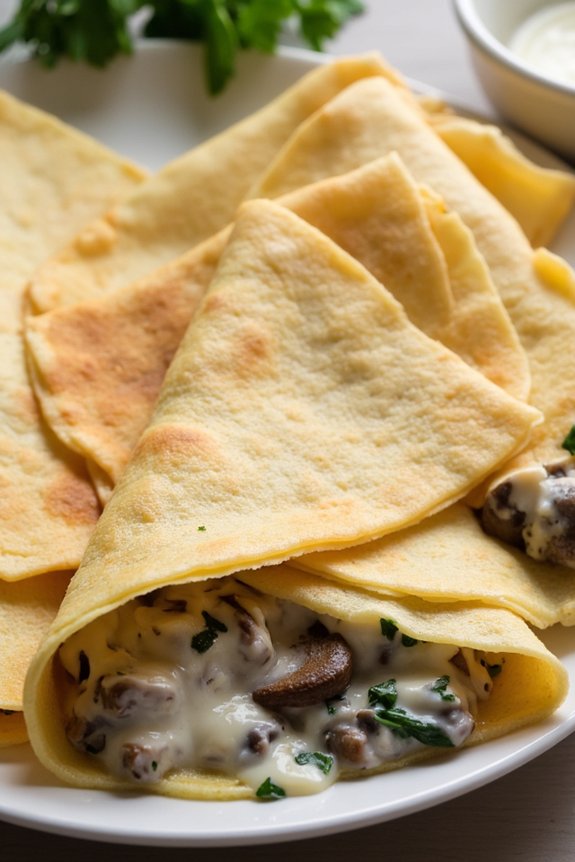
Savory Crêpes With Canned Mushrooms are a delightful and easy-to-make dish that brings a taste of French cuisine to your home kitchen.
These crêpes aren’t only quick to prepare but also versatile, making them perfect for brunch, lunch, or a light dinner. The canned mushrooms add a rich, earthy flavor that complements the delicate texture of the crêpes, while the creamy filling provides a satisfying contrast.
Whether you’re hosting a small gathering or simply treating yourself to a gourmet meal, these crêpes are sure to impress.
The beauty of this dish lies in its simplicity; it uses pantry staples and requires minimal effort to create a restaurant-quality meal. The savory filling is enhanced with a blend of herbs and a touch of cheese, providing a harmony of flavors that will tantalize your taste buds.
The crêpes themselves are light and airy, serving as the perfect vessel for the mushroom filling. Once you master the basic technique, you can easily customize the recipe by adding other ingredients or spices to suit your personal preference.
Ingredients for 4-6 servings:
- 1 cup all-purpose flour
- 2 large eggs
- 1 cup milk
- 1/2 cup water
- 2 tablespoons melted butter
- 1/4 teaspoon salt
- 2 tablespoons vegetable oil
- 2 cans (14.5 oz each) of mushrooms, drained
- 1/2 cup heavy cream
- 1/2 cup grated Parmesan cheese
- 1 tablespoon fresh parsley, chopped
- 1 teaspoon dried thyme
- Salt and pepper to taste
Cooking Instructions:
- Prepare the Crêpe Batter:
- In a mixing bowl, whisk together the flour, eggs, milk, water, melted butter, and salt until smooth and well combined. The batter should be thin and free of lumps. Let it rest for at least 30 minutes to allow the flour to fully hydrate.
- Cook the Crêpes:
- Heat a non-stick skillet over medium heat and lightly coat with vegetable oil. Pour about 1/4 cup of batter into the skillet and quickly swirl it around to cover the bottom evenly. Cook for about 1-2 minutes until the edges start to lift and the bottom is lightly golden. Flip the crêpe and cook for another 30 seconds.
- Repeat with the remaining batter, stacking the cooked crêpes on a plate.
- Prepare the Mushroom Filling:
- In a separate pan, heat a tablespoon of oil over medium heat. Add the drained canned mushrooms and cook for 3-4 minutes until they’re heated through. Stir in the heavy cream, Parmesan cheese, parsley, and thyme.
- Season with salt and pepper to taste. Cook until the mixture is thickened and creamy, about 5 minutes.
- Assemble the Crêpes:
- Place a crêpe on a clean surface and spoon a generous amount of the mushroom filling onto one half. Fold the crêpe in half, and then fold it again to form a triangle.
- Repeat with the remaining crêpes and filling.
- Serve:
- Arrange the filled crêpes on a serving platter and garnish with additional parsley if desired. Serve immediately while warm.
Extra Tips:
When making crêpes, it’s essential to verify the batter is smooth and has rested to avoid any lumps and to allow the flavors to meld.
If you’re new to making crêpes, don’t worry if the first couple don’t turn out perfect; it often takes a few tries to get the technique just right. Adjust the heat as necessary to avoid burning the crêpes.
For a richer flavor, consider adding a splash of white wine to the mushroom filling while cooking, and feel free to experiment with additional herbs or spices to suit your taste preferences.
Cassoulet With White Beans and Sausages
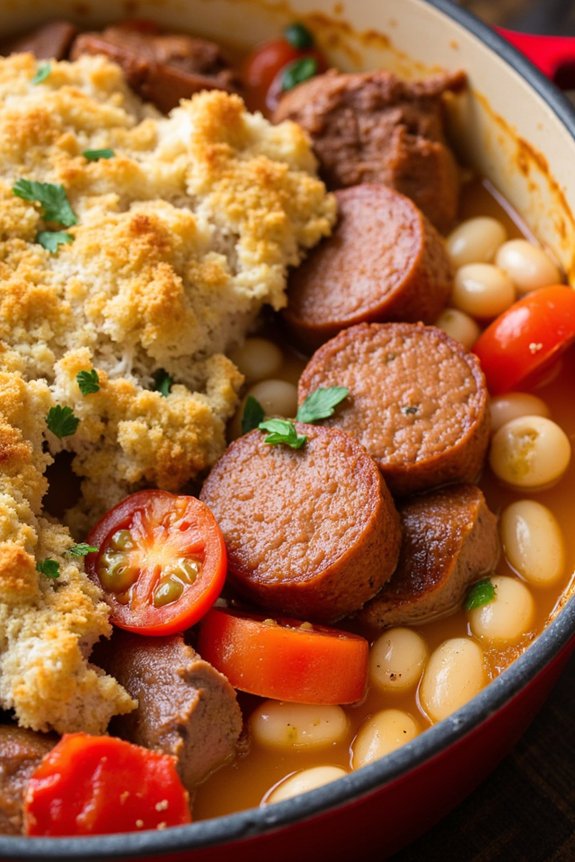
Cassoulet is a classic French dish that combines white beans, sausages, and a variety of meats into a rich, hearty stew. Originating from the Languedoc region, this dish is traditionally slow-cooked and is known for its deep flavors and comforting qualities. The dish’s name is derived from the earthenware pot, or “cassole”, in which it’s traditionally cooked.
This recipe for Cassoulet with White Beans and Sausages provides a simplified version of the classic, making it accessible for busy home cooks while retaining its authentic taste. This recipe serves 4-6 people and captures the essence of French cuisine with its robust flavors and satisfying textures. The combination of white beans and sausages forms the base of the dish, while optional additions like duck confit or pork belly can add extra layers of flavor.
With a touch of fresh herbs and spices, this cassoulet is perfect for a cozy dinner or a special occasion. The slow-cooked nature of this dish allows all the ingredients to meld beautifully, creating a dish that’s both elegant and comforting.
Ingredients:
- 1 pound dried white beans (such as Great Northern or Cannellini)
- 2 tablespoons olive oil
- 1 pound sausages (such as Toulouse or Italian, sliced)
- 1/2 pound pork belly or pancetta, diced (optional)
- 4 duck confit legs (optional)
- 1 large onion, chopped
- 3 cloves garlic, minced
- 2 carrots, peeled and sliced
- 2 stalks celery, sliced
- 1 can (14 ounces) diced tomatoes
- 4 cups chicken broth
- 1 bouquet garni (parsley, thyme, and bay leaf tied together)
- Salt and pepper to taste
- 1 cup breadcrumbs
- 2 tablespoons fresh parsley, chopped
Instructions:
- Prepare the Beans: Rinse the dried white beans under cold water and soak them overnight in a large bowl with enough water to cover them by at least two inches. The next day, drain and rinse them again.
- Brown the Meats: In a large Dutch oven or heavy pot, heat olive oil over medium heat. Add the sausages and cook until browned on all sides, about 8-10 minutes. Remove the sausages and set them aside. If using pork belly or pancetta, add it to the pot and cook until crisp. Remove and set aside.
- Cook the Vegetables: In the same pot, add the onions, garlic, carrots, and celery. Cook until the onions are translucent and the vegetables are softened, about 5-7 minutes.
- Combine Ingredients: Add the drained beans, browned meats, diced tomatoes, chicken broth, and the bouquet garni to the pot. Stir well to combine all the ingredients and bring the mixture to a simmer.
- Simmer the Cassoulet: Cover the pot with a lid slightly ajar and let it simmer gently on low heat for about 2 to 3 hours, or until the beans are tender and the flavors have melded together. Stir occasionally and check the seasoning, adding salt and pepper as needed.
- Prepare the Crust: Preheat the oven to 350°F (175°C). If using duck confit, place the legs on top of the cassoulet. In a small bowl, combine the breadcrumbs and chopped parsley. Sprinkle this mixture evenly over the top of the cassoulet.
- Bake the Cassoulet: Transfer the pot to the preheated oven and bake uncovered for about 30 minutes, or until the breadcrumbs are golden and crispy.
- Serve: Allow the cassoulet to cool slightly before serving. Remove the bouquet garni and serve the cassoulet in bowls, making sure each portion has a bit of the crunchy topping and a variety of meats and beans.
Extra Tips:
For an authentic French cassoulet, consider using Toulouse sausages if you can find them, as they provide a traditional flavor profile. If duck confit is unavailable, you can substitute with chicken thighs for a similar effect.
The key to a successful cassoulet is patience; allowing the dish to cook slowly guarantees the flavors develop fully. Feel free to prepare the cassoulet a day in advance, as it often tastes better the next day once the flavors have had more time to blend.
Finally, don’t skimp on the breadcrumb topping, as it adds a delightful crunch that contrasts beautifully with the creamy beans and savory meats.
Tomato Tart With Puff Pastry
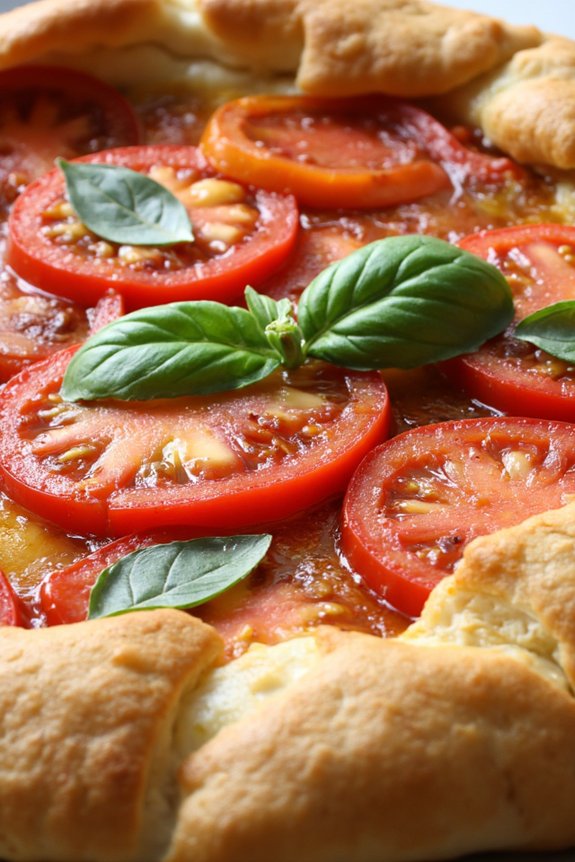
The Tomato Tart With Puff Pastry is a quintessential French dish that highlights the simplicity and elegance of French cuisine. This tart combines buttery, flaky puff pastry with the vibrant, tangy flavor of fresh tomatoes, creating a delightful contrast of textures and tastes. Perfect as an appetizer or a light main course, the tart can be served at room temperature, making it an ideal dish for entertaining.
The use of fresh, high-quality ingredients is key, as the flavors of ripe tomatoes and rich pastry are the stars of this classic French recipe. This recipe serves 4-6 people and is relatively simple to prepare, yet it delivers a sophisticated result that’s sure to impress. The combination of ingredients is straightforward, but the balance of flavors is what makes it truly special.
The tart is typically garnished with fresh herbs like basil or thyme, which add an aromatic note to the dish. Whether you’re a seasoned cook or a beginner, this tomato tart is a fantastic way to bring a touch of French culinary tradition into your home.
Ingredients:
- 1 sheet puff pastry, thawed
- 4-5 medium ripe tomatoes
- 1 cup grated Gruyère cheese
- 2 tablespoons Dijon mustard
- 1 tablespoon olive oil
- Salt and pepper to taste
- Fresh basil leaves, for garnish
Instructions:
- Preheat the Oven: Preheat your oven to 400°F (200°C). This guarantees that the puff pastry will bake evenly and become golden brown and flaky.
- Prepare the Puff Pastry: Roll out the thawed puff pastry on a lightly floured surface to fit a 9×13 inch baking sheet or tart pan. Transfer the pastry to the baking sheet, and prick it all over with a fork to prevent it from puffing too much during baking.
- Spread the Mustard: Evenly spread the Dijon mustard over the surface of the puff pastry. This will add a subtle tang and depth of flavor to the tart.
- Layer the Cheese and Tomatoes: Sprinkle the grated Gruyère cheese over the mustard-covered pastry. Slice the tomatoes approximately ¼ inch thick, and arrange them in a single layer over the cheese, slightly overlapping if necessary.
- Season and Drizzle: Drizzle the olive oil over the tomatoes, and season with salt and pepper to taste. This step enhances the natural flavors of the tomatoes and adds a richness to the tart.
- Bake the Tart: Place the tart in the preheated oven and bake for 25-30 minutes, or until the pastry is golden brown and the cheese is bubbly and slightly browned.
- Garnish and Serve: Once baked, remove the tart from the oven and allow it to cool slightly. Garnish with fresh basil leaves before slicing and serving.
Extra Tips:
For the best results, use ripe, in-season tomatoes as they offer the most flavor and juiciness. You can customize this tart by adding other ingredients like caramelized onions or olives for additional flavor.
If you find that your tomatoes are particularly juicy, you can lightly salt them and let them drain on paper towels for a few minutes before layering them on the tart to prevent a soggy pastry. Remember, the key to this dish is balancing simplicity with quality ingredients, making certain that each bite is a harmonious blend of taste and texture.
Provençal Style Green Beans
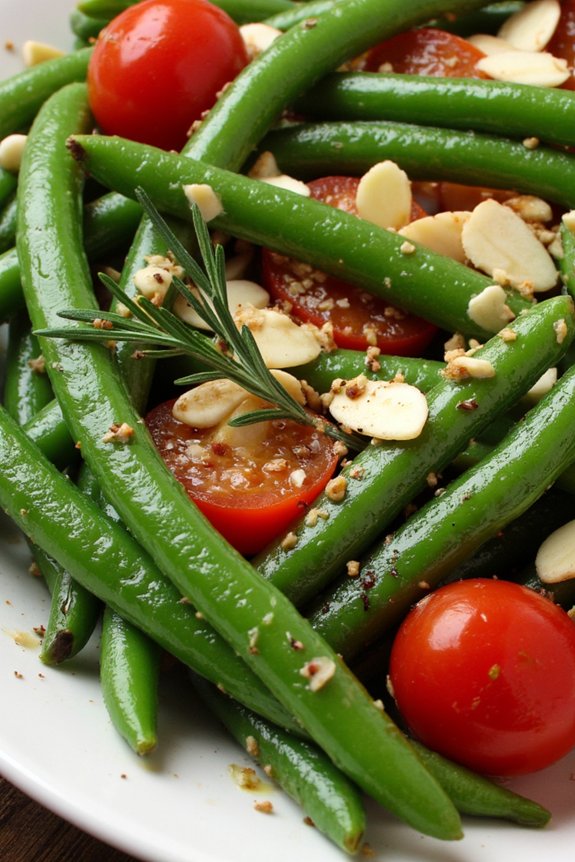
Provençal Style Green Beans bring the vibrant flavors of Southern France to your table. This dish is a delightful combination of tender green beans, fresh herbs, and aromatic garlic, all sautéed to perfection. With its colorful presentation and savory taste, it’s a fantastic side dish that pairs beautifully with a variety of main courses. Ideal for both casual family dinners and festive occasions, this recipe isn’t only delicious but also straightforward to prepare, making it a favorite in many households.
The essence of Provençal cooking lies in its use of fresh, high-quality ingredients that let the natural flavors shine through. For this green bean recipe, you’ll be using ingredients like olive oil, garlic, and tomatoes, which are staples in Provençal cuisine. The result is a dish that isn’t only healthy but also packed with flavor. Whether you’re a seasoned cook or a kitchen novice, this recipe is uncomplicated and yields impressive results.
Ingredients (Serves 4-6):
- 1 ½ pounds fresh green beans, trimmed
- 2 tablespoons olive oil
- 3 cloves garlic, minced
- 2 tomatoes, chopped
- 1 teaspoon fresh thyme leaves
- 1 teaspoon fresh rosemary, chopped
- Salt and pepper to taste
- 1 tablespoon fresh lemon juice
- ¼ cup toasted almonds (optional for garnish)
Cooking Instructions:
- Prepare the Green Beans: Begin by washing and trimming the ends of the green beans. Blanch them in a pot of boiling salted water for about 3-4 minutes or until they’re just tender-crisp. Drain and immediately plunge them into a bowl of ice water to halt the cooking process. This helps maintain their vibrant green color.
- Sauté the Aromatics: In a large skillet, heat the olive oil over medium heat. Add the minced garlic and sauté for about 30 seconds until fragrant, being careful not to burn it.
- Add Tomatoes and Herbs: Stir in the chopped tomatoes, thyme, and rosemary. Cook for 3-5 minutes until the tomatoes start to break down and release their juices.
- Combine the Ingredients: Add the drained green beans to the skillet. Toss them gently in the tomato mixture to confirm they’re well coated. Season with salt and pepper to taste.
- Finish with Lemon Juice: Drizzle the fresh lemon juice over the green beans, giving them a bright, tangy flavor. Stir well to combine all the ingredients.
- Serve and Garnish: Transfer the green beans to a serving dish. If desired, sprinkle with toasted almonds for added texture and a nutty flavor. Serve warm as a side dish.
Extra Tips:
For best results, choose the freshest green beans you can find, as their quality will greatly impact the dish’s flavor. If fresh herbs aren’t available, dried herbs can be used, but be sure to reduce the quantity as dried herbs have a more concentrated flavor.
When sautéing the garlic, keep a close eye to prevent it from burning, as this can impart a bitter taste. Finally, feel free to adjust the amount of garlic and lemon juice to suit your personal preference, as these ingredients can easily be tailored to taste.
Quiche Lorraine With Basic Ingredients

Quiche Lorraine is a classic French dish that embodies the essence of simple yet delicious cooking. With its origins in the Lorraine region of France, this savory pie features a rich custard filling, smoky bacon, and a buttery crust. It’s an ideal recipe for brunch, lunch, or a light dinner, and can be served either hot or cold.
What makes Quiche Lorraine particularly appealing is its versatility; you can enjoy it with a fresh salad or as part of a larger spread of French-inspired dishes.
To create an authentic Quiche Lorraine, you don’t need an extensive list of ingredients. The key components are eggs, cream, bacon, and pastry, which come together to form a delightful harmony of flavors and textures. This recipe will guide you through making a Quiche Lorraine that serves 4-6 people, perfect for family gatherings or small get-togethers. Using basic ingredients, you’ll be able to craft a dish that’s both satisfying and elegant.
Ingredients (serving size: 4-6 people):
- 1 pre-made 9-inch pastry crust (or homemade if preferred)
- 6 slices of bacon
- 1 cup of shredded Gruyère cheese
- 4 large eggs
- 1 1/2 cups of heavy cream
- Salt and pepper to taste
- A pinch of nutmeg
Instructions:
- Prepare the Crust: Preheat your oven to 375°F (190°C). Roll out the pre-made pastry crust and fit it into a 9-inch pie pan. Trim any excess dough from the edges and prick the bottom several times with a fork to prevent bubbling. Blind bake the crust for about 10 minutes or until it begins to turn golden. Remove from the oven and set aside.
- Cook the Bacon: While the crust is baking, cook the bacon in a skillet over medium heat until it’s crispy. Remove the bacon from the skillet and drain on paper towels. Once cooled, chop the bacon into small pieces.
- Assemble the Quiche: Spread the chopped bacon evenly over the baked crust. Sprinkle the shredded Gruyère cheese on top of the bacon.
- Prepare the Custard Filling: In a mixing bowl, whisk together the eggs, heavy cream, salt, pepper, and nutmeg until well combined. Pour this mixture over the bacon and cheese in the crust.
- Bake the Quiche: Place the quiche in the preheated oven and bake for 30-35 minutes, or until the filling is set and the top is lightly browned. To check for doneness, insert a knife into the center; it should come out clean.
- Cool and Serve: Allow the quiche to cool for at least 10 minutes before slicing and serving. This will help the filling set further and make serving easier.
Extra Tips:
To enhance the flavor of your Quiche Lorraine, consider adding a touch of fresh herbs such as thyme or chives to the custard mixture. If you prefer a lighter version, you can substitute half-and-half for the heavy cream.
Additionally, if you opt for a homemade crust, confirm it’s well chilled before rolling it out to prevent shrinking during baking. Always remember to let your quiche cool slightly before serving, as this will allow for cleaner slices and a more enjoyable texture.
Coq Au Vin With Red Wine and Spices
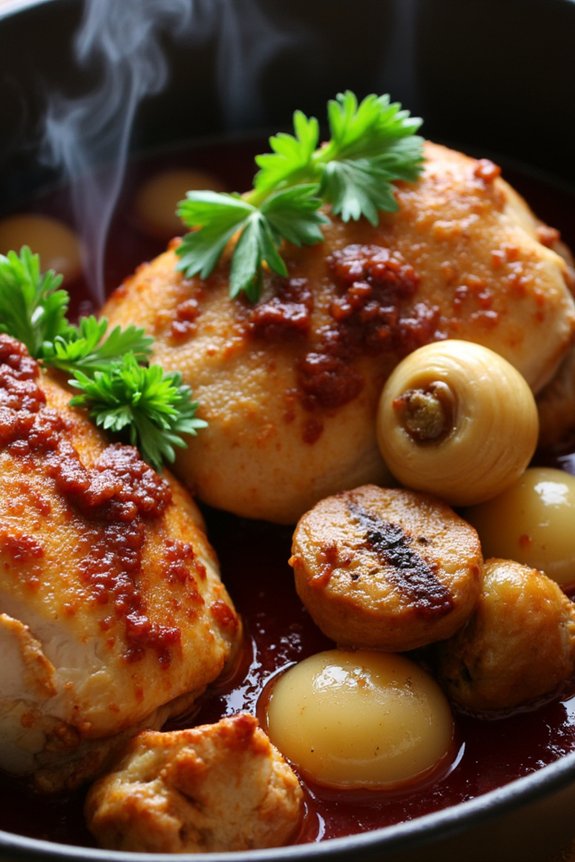
- 1 whole chicken (about 4 pounds), cut into pieces
- Salt and freshly ground black pepper
- 2 tablespoons olive oil
- 4 slices bacon, chopped
- 1 onion, finely chopped
- 2 cloves garlic, minced
- 2 tablespoons all-purpose flour
- 2 cups red wine
- 1 cup chicken broth
- 2 tablespoons tomato paste
- 1 bouquet garni (a bundle of herbs, typically thyme, bay leaf, and parsley)
- 8 ounces mushrooms, quartered
- 12 pearl onions, peeled
- 1 tablespoon butter
- 2 tablespoons fresh parsley, chopped
Cooking Instructions:
- Prepare the Chicken: Season the chicken pieces with salt and pepper. In a large Dutch oven or heavy pot, heat the olive oil over medium-high heat. Add the chicken pieces, skin side down, and cook until browned on all sides. Remove the chicken from the pot and set aside.
- Cook the Bacon and Vegetables: In the same pot, add the chopped bacon and cook until crispy. Add the finely chopped onion and garlic, sautéing for a few minutes until the onion becomes translucent.
- Thicken the Sauce: Sprinkle the flour over the bacon and onions, stirring well to coat. Cook for about 2 minutes to eliminate the raw flour taste.
- Deglaze and Simmer: Pour in the red wine, scraping up any browned bits from the bottom of the pot. Add the chicken broth, tomato paste, and bouquet garni, stirring to combine.
- Return the Chicken: Place the browned chicken pieces back into the pot, ensuring they’re submerged in the liquid. Bring the mixture to a simmer, cover, and reduce the heat to low. Cook for about 1 hour, or until the chicken is tender.
- Add Mushrooms and Onions: In a separate pan, melt the butter and sauté the mushrooms and pearl onions until golden brown. Add them to the pot with the chicken and continue to cook for another 30 minutes.
- Finish and Serve: Remove the bouquet garni from the pot. Adjust seasoning with salt and pepper to taste. Sprinkle with fresh parsley before serving. Serve hot, ideally with crusty bread or mashed potatoes to soak up the flavorful sauce.
Extra Tips:
To enhance the flavor, marinate the chicken in red wine, garlic, and herbs for a few hours or overnight before cooking.
Use a good quality, full-bodied red wine that you’d enjoy drinking, as the wine’s flavor will be prominent in the dish.
If pearl onions aren’t available, regular onions cut into chunks can be used.
This dish can be prepared a day in advance and reheated gently, as the flavors tend to deepen with time.
Pissaladière With Caramelized Onions
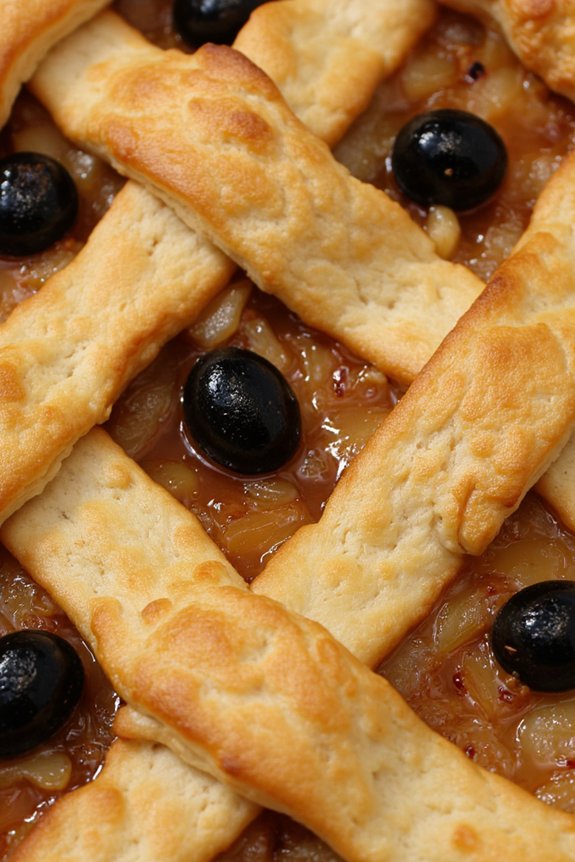
Pissaladière with Caramelized Onions is a classic Provençal dish that beautifully combines the rich flavors of caramelized onions, anchovies, and olives on a thin, crisp crust. Originating from the South of France, this savory tart is often compared to pizza but boasts a unique blend of sweet and salty ingredients.
It’s perfect as an appetizer or a light main course, offering a taste of French cuisine that’s both rustic and elegant.
The key to a perfect Pissaladière is in the slow caramelization of the onions, which brings out their natural sweetness and richness. This process, although time-consuming, is crucial to achieving the deep flavor profile that this dish is known for.
While traditional versions might use a bread-like dough, a puff pastry can also be used for a lighter, flakier base. This recipe serves 4-6 people, making it ideal for family gatherings or a sophisticated dinner party.
Ingredients:
- 2 tablespoons olive oil
- 2 pounds yellow onions, thinly sliced
- 2 cloves garlic, minced
- 1 teaspoon fresh thyme leaves
- Salt and freshly ground black pepper to taste
- 1 sheet puff pastry (about 10×15 inches), thawed if frozen
- 12 anchovy fillets
- 20 black olives, pitted
- 1 egg, beaten (for egg wash)
Cooking Instructions:
1. Prepare the Onions: Heat the olive oil in a large skillet over medium heat. Add the sliced onions and a pinch of salt. Cook, stirring occasionally, for about 30 minutes, or until the onions are golden brown and caramelized.
Add the minced garlic and thyme, and cook for an additional 5 minutes. Season with salt and pepper to taste, then remove from heat and allow to cool slightly.
2. Preheat the Oven: Preheat your oven to 400°F (200°C). Line a baking sheet with parchment paper.
3. Prepare the Pastry Base: Roll out the puff pastry on a lightly floured surface to fit the baking sheet. Transfer the pastry to the prepared baking sheet.
4. Assemble the Pissaladière: Spread the caramelized onions evenly over the puff pastry, leaving a small border around the edges. Arrange the anchovy fillets in a crisscross pattern on top of the onions. Place an olive in each section created by the anchovies.
5. Bake the Tart: Brush the edges of the pastry with the beaten egg to give it a golden finish. Bake in the preheated oven for 20-25 minutes, or until the pastry is golden brown and crisp.
6. Serve: Allow the pissaladière to cool slightly before slicing and serving. Enjoy this dish warm or at room temperature.
Extra Tips:
For the best flavor, use high-quality anchovies and olives. If you’re not a fan of anchovies, you can reduce the amount or substitute with capers for a milder taste.
Additionally, verify your onions are thoroughly caramelized for the richest flavor; this step can’t be rushed. If using puff pastry, work quickly when rolling it out to prevent it from becoming too warm and difficult to handle.
Bouillabaisse With Canned Fish
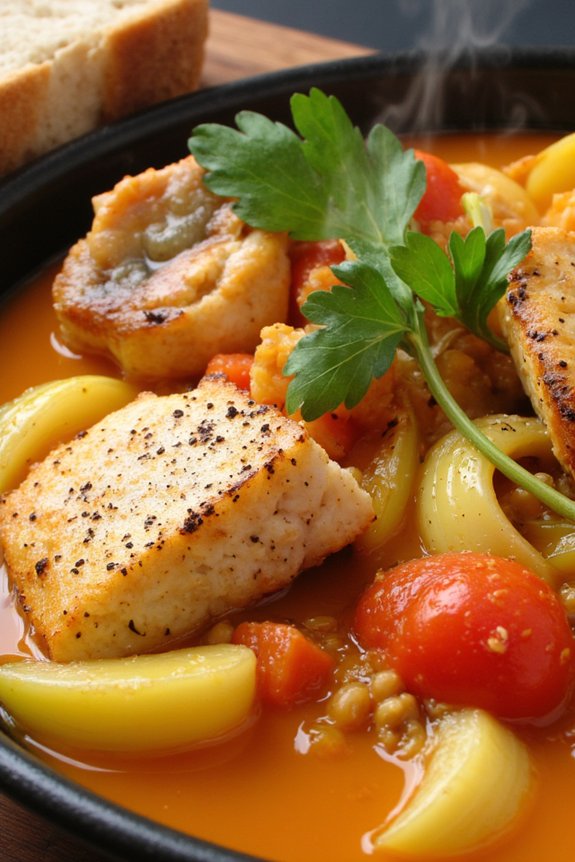
Bouillabaisse is a traditional Provençal fish stew originating from the port city of Marseille. While the authentic version is made with fresh fish, this recipe offers a convenient twist by using canned fish, making it accessible to everyone with a well-stocked pantry. This dish combines the rich flavors of the sea with aromatic herbs and spices, resulting in a hearty and comforting stew that’s perfect for any occasion.
Using canned fish not only simplifies the preparation process but also reduces the cooking time noticeably. Despite the substitution, the bouillabaisse retains its distinctive taste, delivering a burst of flavors with every spoonful. This recipe is designed to serve 4-6 people, making it an ideal choice for a family meal or a small gathering with friends.
Ingredients:
- 2 cans (approx. 14 oz each) of mixed fish (such as tuna, salmon, and sardines)
- 1 tablespoon olive oil
- 1 large onion, finely chopped
- 2 cloves garlic, minced
- 1 leek, thinly sliced
- 1 fennel bulb, thinly sliced
- 1 teaspoon saffron threads
- 1/2 teaspoon dried thyme
- 1/2 teaspoon dried rosemary
- 1/2 teaspoon dried oregano
- 1 bay leaf
- 1 can (14 oz) of diced tomatoes
- 4 cups fish or vegetable broth
- 1/2 cup dry white wine
- Salt and pepper to taste
- 1/4 cup fresh parsley, chopped
Cooking Instructions:
- Prepare the Aromatics: In a large pot, heat the olive oil over medium heat. Add the chopped onion, garlic, leek, and fennel, and sauté until the vegetables become soft and translucent, about 5-7 minutes.
- Add the Spices: Stir in the saffron, thyme, rosemary, oregano, and bay leaf. Cook for another minute to allow the spices to release their fragrance.
- Incorporate Tomatoes and Liquid: Add the diced tomatoes and their juices, stirring to combine with the vegetables and spices. Pour in the fish or vegetable broth and the white wine. Bring the mixture to a gentle simmer.
- Cook the Base: Let the stew simmer for about 20 minutes, allowing the flavors to meld together. Stir occasionally to prevent sticking and adjust the seasoning with salt and pepper to taste.
- Add the Canned Fish: Drain the canned fish and gently add them to the pot. Be careful not to break the fish into small pieces; you want to maintain some chunks for texture. Simmer for an additional 10 minutes to heat through.
- Finish and Serve: Remove the bay leaf and discard. Ladle the bouillabaisse into bowls, garnish with fresh parsley, and serve hot with crusty bread on the side.
Extra Tips:
When making bouillabaisse with canned fish, opt for high-quality canned fish to guarantee the best flavor. The choice of fish can be varied based on availability or preference.
If you prefer a smoother texture, feel free to blend part of the soup before adding the fish. This can create a richer broth. Additionally, saffron is a key ingredient that provides a unique flavor and color to the dish, so try not to skip it.
If saffron is unavailable, a pinch of turmeric can be used as an alternative for color, though the flavor will differ slightly. Enjoy your bouillabaisse with a glass of the same white wine used in the cooking for a well-paired meal.
Gratin Dauphinois With Potatoes and Cream
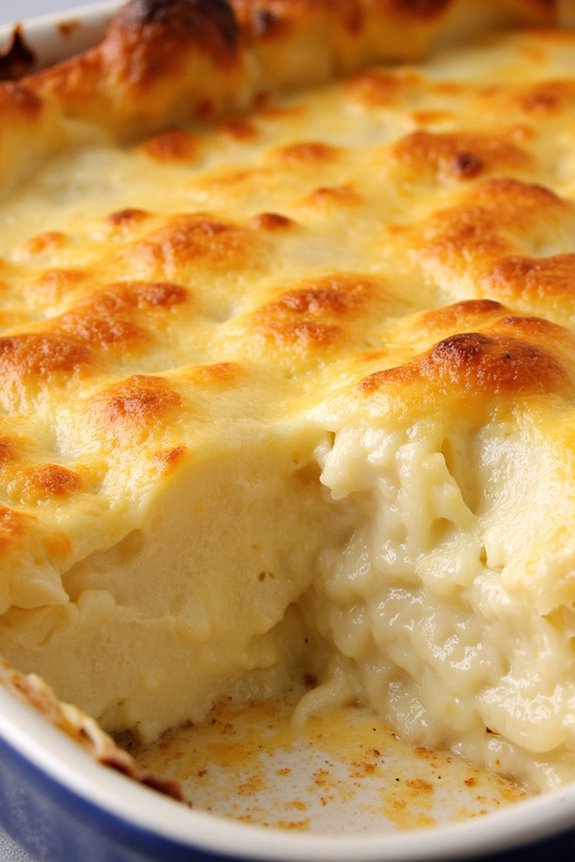
Gratin Dauphinois with Potatoes and Cream is a classic French dish that embodies comfort and elegance in every bite. This dish, originating from the Dauphiné region in southeastern France, is a simple yet sophisticated preparation that combines thinly sliced potatoes with rich, creamy layers. The dish is baked until golden and bubbling, offering a luscious texture and a savory flavor profile that’s both satisfying and indulgent.
Perfect for family gatherings or as an accompaniment to a festive meal, Gratin Dauphinois is a versatile side dish that pairs beautifully with a variety of main courses. The combination of tender potatoes and rich cream makes it a crowd-pleaser, appealing to both traditional and contemporary palates. Preparing this dish is a wonderful way to bring a touch of French cuisine to your kitchen, delighting your guests with its rich flavors and comforting warmth.
Ingredients (Serves 4-6):
- 2 pounds of potatoes (Yukon Gold or Russet)
- 2 cups heavy cream
- 2 cloves garlic, minced
- 1 cup grated Gruyère cheese
- 2 tablespoons unsalted butter
- Salt and pepper to taste
- Nutmeg, a pinch (optional)
Cooking Instructions:
- Preheat the Oven: Begin by preheating your oven to 350°F (175°C). This will guarantee that the gratin bakes evenly once it’s assembled.
- Prepare the Potatoes: Peel the potatoes and slice them into thin rounds, approximately 1/8 inch thick. A mandoline slicer can be helpful for achieving uniform slices that cook at the same rate.
- Infuse the Cream: In a saucepan over medium heat, combine the heavy cream, minced garlic, salt, pepper, and a pinch of nutmeg. Bring the mixture to a simmer, allowing the flavors to meld together for about 5 minutes. Be careful not to boil the cream.
- Layer the Dish: Butter a 9×13 inch baking dish generously to prevent sticking. Arrange a layer of sliced potatoes on the bottom of the dish. Pour a portion of the cream mixture over the potatoes, followed by a sprinkle of Gruyère cheese. Repeat this process, layering potatoes, cream, and cheese until all ingredients are used, finishing with a layer of cheese on top.
- Bake the Gratin: Cover the dish with aluminum foil and place it in the preheated oven. Bake for 45 minutes, then remove the foil and continue baking for an additional 15-20 minutes, or until the top is golden brown and the potatoes are tender when pierced with a fork.
- Rest and Serve: Allow the gratin to rest for 10 minutes before serving. This will help the layers set and make it easier to slice.
Extra Tips:
For an extra depth of flavor, consider adding a sprinkle of fresh thyme or rosemary between the layers. If you prefer a slightly crispier top, you can broil the gratin for a minute or two after baking, but keep a close watch to prevent burning.
Confirm that you use a high-quality Gruyère cheese for the best results, as it adds a nutty, savory richness that complements the creamy potatoes. Finally, if you’re preparing this dish in advance, you can assemble it and refrigerate it until you’re ready to bake, making it a convenient option for entertaining.
Chocolate Mousse With Pantry Basics
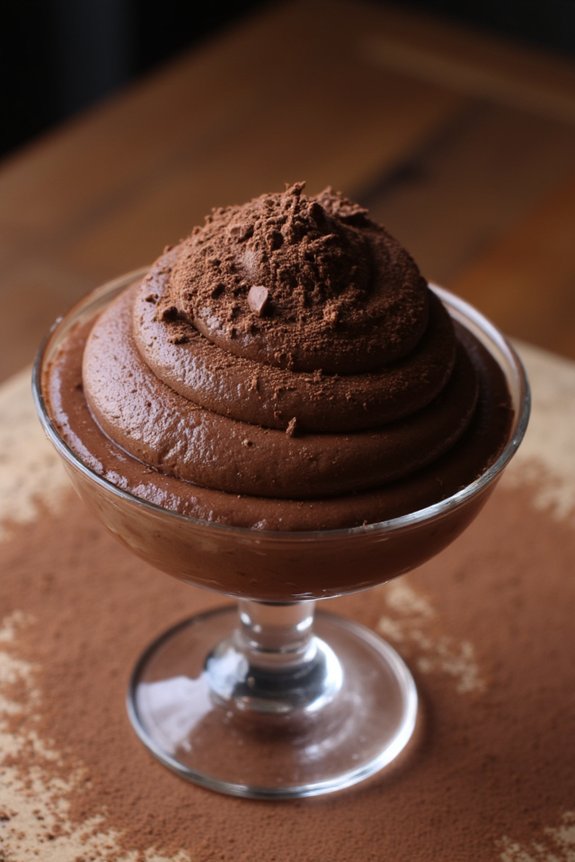
Chocolate mousse is a classic French dessert that epitomizes elegance and simplicity. With just a few staple ingredients often found in your pantry, you can whip up a delightful treat that’s sure to impress any guest. This recipe relies on the natural richness of chocolate combined with the lightness of whipped cream to create a decadent yet airy dessert.
Perfect for dinner parties or a special night in, this chocolate mousse recipe serves 4-6 people, making it ideal for family gatherings or intimate occasions. The key to achieving the perfect texture lies in carefully folding the ingredients to maintain the mousse’s signature lightness. So, gather your pantry essentials and get ready to indulge in this timeless French classic.
Ingredients (Serves 4-6):
- 200g of dark chocolate (at least 70% cocoa)
- 3 large eggs, separated
- 1/4 cup (50g) granulated sugar
- 1 cup (240ml) heavy cream
- 1 teaspoon vanilla extract
- A pinch of salt
Cooking Instructions:
- Melt the Chocolate: Begin by breaking the dark chocolate into small pieces and place them in a heatproof bowl. Set the bowl over a pot of simmering water, making sure the bottom of the bowl doesn’t touch the water. Stir occasionally until the chocolate is fully melted and smooth. Remove from heat and let it cool slightly.
- Whip the Cream: In a large mixing bowl, pour in the heavy cream and vanilla extract. Using an electric mixer, whip the cream until soft peaks form. Be careful not to over-whip, as you want the cream to remain light and airy. Set aside in the refrigerator.
- Prepare the Egg Mixture: In a separate bowl, beat the egg yolks with the granulated sugar until the mixture becomes pale and slightly thickened. Slowly add the cooled melted chocolate to the egg yolk mixture, stirring continuously to combine.
- Beat the Egg Whites: In another clean bowl, add a pinch of salt to the egg whites and beat with an electric mixer until stiff peaks form. This step is essential for giving the mousse its light texture.
- Combine Ingredients: Gently fold the whipped cream into the chocolate mixture, being careful not to deflate the cream. Next, fold in the beaten egg whites, one-third at a time, using a spatula to incorporate them gently until no white streaks remain.
- Chill the Mousse: Spoon the chocolate mousse into individual serving dishes or one large serving bowl. Cover with plastic wrap and refrigerate for at least 2 hours, or until set.
Extra Tips:
When making chocolate mousse, the quality of the chocolate is vital, as it forms the base flavor of the dessert. Opt for high-quality dark chocolate with at least 70% cocoa for a rich and intense taste.
Additionally, make sure all mixing bowls and utensils are completely dry when beating egg whites, as any moisture can prevent them from reaching the desired stiffness.
For a touch of elegance, consider garnishing the mousse with shaved chocolate, a dollop of whipped cream, or fresh berries just before serving.
