

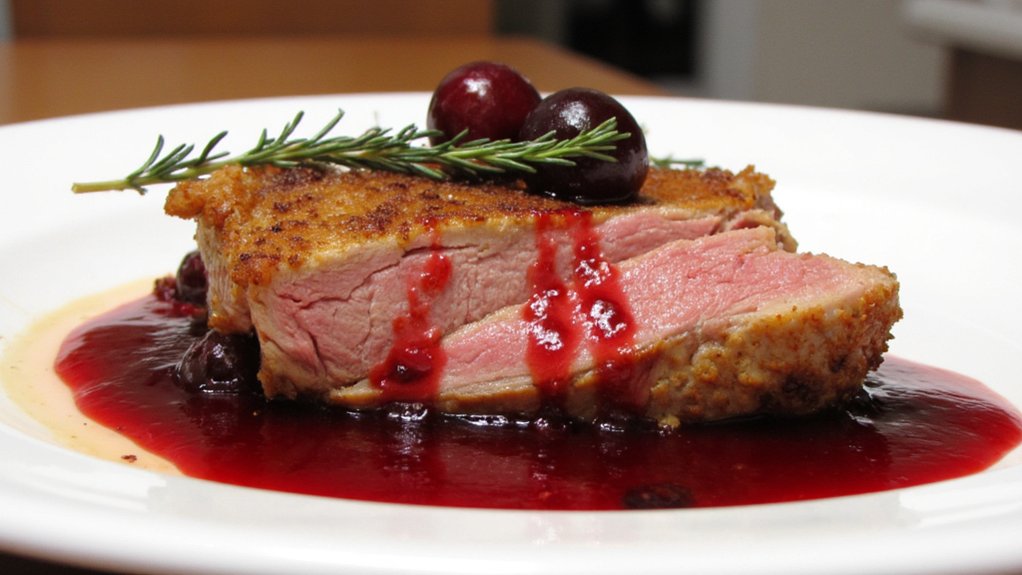
Hey there, lovely food enthusiasts!
Today, I’m sharing some fabulous French duck recipes that will elevate your dinner table.
From the rich flavors of Duck Confit to the citrusy delight of Duck À L’Orange, these dishes are sure to impress.
Ready to explore these mouthwatering recipes?
Let’s get cooking and make some magic in the kitchen!
Duck Confit: A Timeless Classic
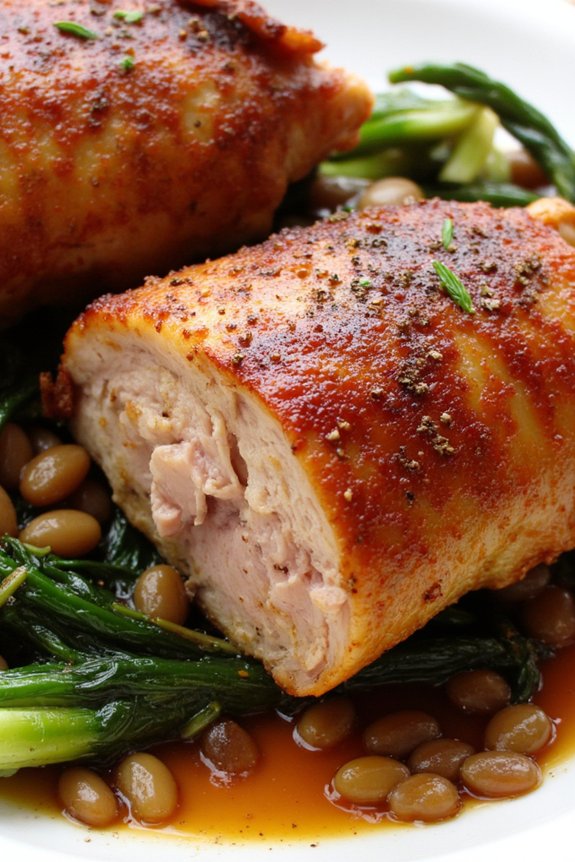
Duck Confit is a traditional French dish that stands as a representation of the art of slow cooking and preserving. Originating from the Gascony region, this method involves salt-curing duck legs and then slowly cooking them in their own fat. This process not only infuses the meat with rich flavors but also results in an incredibly tender texture that practically melts in your mouth.
The dish is typically served with crispy skin and accompanied by sides like garlic potatoes or a simple green salad to balance the richness of the meat. The beauty of Duck Confit lies in its simplicity and depth of flavor, making it a sought-after dish in French cuisine.
The slow-cooking technique allows the duck to absorb the aromatic herbs and spices, while the fat guarantees that the meat stays moist and succulent. Although the preparation requires a bit of patience, the end result is well worth the effort. Whether you’re looking to impress your dinner guests or simply want to indulge in a classic French meal, Duck Confit is a perfect choice.
Ingredients for 4-6 people:
- 4 duck legs
- 1/4 cup kosher salt
- 4 cloves garlic, crushed
- 4 sprigs fresh thyme
- 2 bay leaves
- 1 teaspoon black peppercorns
- 4 cups duck fat (or enough to submerge the duck legs)
- Optional: 1 cup white wine (for deglazing)
Cooking Instructions:
- Prepare the Duck Legs:
- Rinse the duck legs under cold water and pat them dry with paper towels. Place them in a large dish or baking tray.
- Season the Duck:
- In a small bowl, mix the kosher salt, crushed garlic, fresh thyme, bay leaves, and black peppercorns. Rub this mixture all over the duck legs, making sure they’re evenly coated. Cover with plastic wrap and refrigerate for at least 12 hours, preferably overnight.
- Preheat the Oven:
- Preheat your oven to 225°F (110°C). Rinse the duck legs under cold water to remove the excess salt and seasonings. Pat them dry again with paper towels.
- Cook the Duck:
- Place the duck legs in a deep, oven-proof dish or Dutch oven. Pour the duck fat over the legs, making sure they’re completely submerged.
- Slow Cook the Duck:
- Transfer the dish to the preheated oven and let the duck legs cook for about 2 to 3 hours, or until the meat is tender and easily pulls away from the bone.
- Crisp the Skin:
- If serving immediately, remove the duck legs from the fat and place them on a baking sheet. Increase the oven temperature to 400°F (200°C) and roast for an additional 15-20 minutes, until the skin is golden and crispy.
- Deglaze the Pan (Optional):
- If desired, deglaze the pan with white wine to create a simple sauce. Scrape off any browned bits from the bottom of the pan and reduce the liquid by half over medium heat.
Extra Tips:
When making Duck Confit, it’s essential to use a good quality duck fat, as it imparts a lot of flavor to the dish. If you can’t find it in stores, you can render your own from duck trimmings or purchase it online.
The confit process can be extended by storing the cooked duck in its fat in the refrigerator for up to a month, allowing the flavors to intensify over time. Additionally, always make certain the duck legs are fully submerged in fat during cooking to prevent drying out.
For a traditional touch, serve the Duck Confit with sautéed greens or a side of lentils for a complete French dining experience.
Duck À L’orange: a Citrus Delight
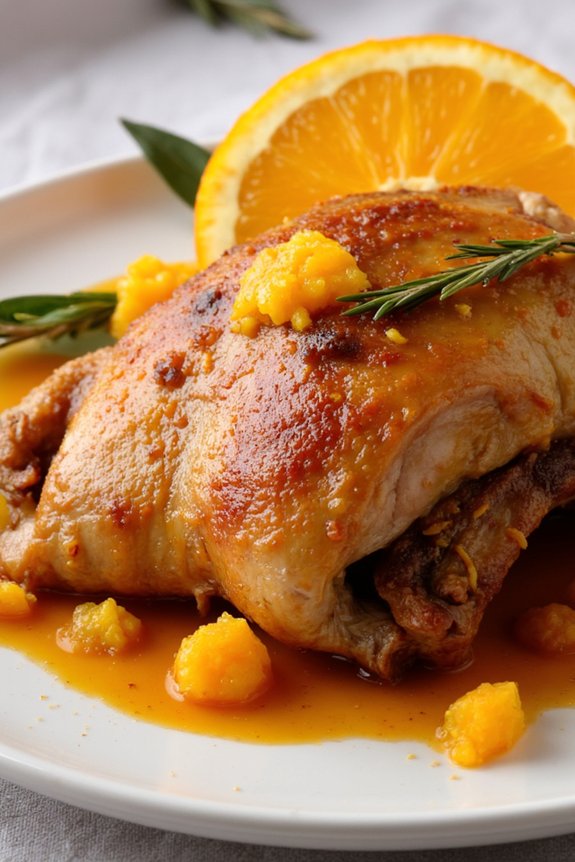
Duck À L’orange is a classic French dish that combines the rich flavor of duck with the tangy zest of oranges, creating a delightful harmony of tastes. This dish is a demonstration of the French culinary tradition of balancing rich proteins with bright, acidic flavors. The duck is cooked until the skin is perfectly crispy and golden, while the meat remains tender and juicy. The accompanying orange sauce is a blend of sweet and sour, complementing the duck beautifully.
Serving this dish is an excellent way to impress guests with a sophisticated and elegant meal. Duck À L’orange is best served with simple side dishes, such as roasted potatoes or steamed green beans, to allow the flavors of the duck and sauce to shine. When preparing this dish, using fresh, high-quality ingredients is crucial to achieve the best results. The following recipe will guide you through the process of making Duck À L’orange for 4-6 people.
Ingredients:
- 1 whole duck (about 5-6 pounds)
- Salt and freshly ground black pepper
- 2 tablespoons of vegetable oil
- 1 cup fresh orange juice
- 1/2 cup chicken stock
- 1/4 cup Grand Marnier or Cointreau
- Zest of 1 orange
- 2 tablespoons of white wine vinegar
- 2 tablespoons of sugar
- 2 tablespoons of unsalted butter
- 1 tablespoon of cornstarch mixed with 2 tablespoons of water (optional, for thickening)
- Fresh orange segments for garnish
Cooking Instructions:
- Prepare the Duck: Preheat your oven to 400°F (200°C). Pat the duck dry with paper towels and season the cavity and skin generously with salt and pepper. Truss the duck with kitchen twine to guarantee even cooking.
- Sear the Duck: In a large ovenproof skillet or roasting pan, heat the vegetable oil over medium-high heat. Place the duck, breast side down, in the skillet and sear for about 5 minutes until the skin is golden and crispy. Turn the duck over and sear the other side for an additional 5 minutes.
- Roast the Duck: Transfer the skillet to the preheated oven. Roast the duck for about 1 hour and 30 minutes, or until the internal temperature reaches 165°F (74°C). Baste occasionally with the pan juices to keep the meat moist.
- Make the Orange Sauce: While the duck is roasting, prepare the sauce. In a saucepan, combine the orange juice, chicken stock, Grand Marnier, orange zest, white wine vinegar, and sugar. Bring to a simmer over medium heat and cook until the mixture has reduced by half.
- Finish the Sauce: Whisk in the butter to add richness to the sauce. If you prefer a thicker sauce, stir in the cornstarch mixture and cook until the sauce thickens. Adjust seasoning with salt and pepper to taste.
- Carve and Serve: Once the duck is done, remove it from the oven and let it rest for 10 minutes before carving. Serve the duck with the orange sauce drizzled over the top and garnish with fresh orange segments.
Extra Tips:
For the best results, choose a duck that’s fresh and not frozen, as this will guarantee the best texture and flavor. Remember to let the duck rest after roasting to allow the juices to redistribute, resulting in a juicier and more flavorful dish.
If you don’t have Grand Marnier or Cointreau on hand, a good quality orange liqueur can be an excellent substitute. Finally, always taste the sauce before serving and adjust the seasoning if necessary to maintain a perfect balance of flavors.
Crispy Roasted Duck With Herbs
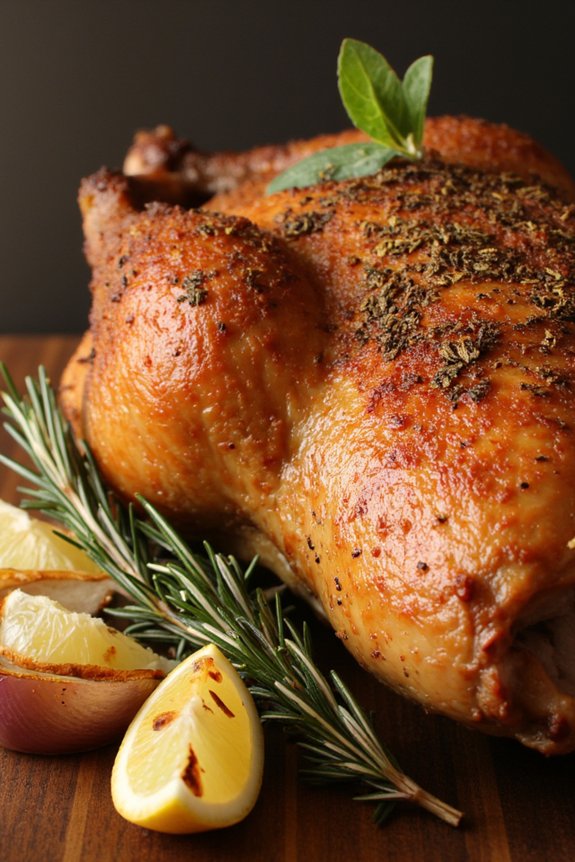
Crispy Roasted Duck With Herbs is a classic French dish that’s perfect for any special occasion or a cozy family dinner. This recipe highlights the natural flavors of the duck, enhancing them with aromatic herbs that infuse the meat with a delightful fragrance and taste. The crispy skin, combined with the tender and juicy meat, creates a luxurious dining experience that’s certain to impress your guests.
The key to mastering this dish is to focus on the preparation and cooking techniques that bring out the best in the duck while maintaining its moisture and flavor. To achieve the perfect Crispy Roasted Duck, it’s important to start with a high-quality duck and a selection of fresh herbs. The duck is seasoned with a blend of herbs and spices that penetrate the meat, assuring that every bite is packed with flavor.
This recipe is designed for 4-6 people, making it ideal for a small gathering or family meal. Once the duck is prepared and roasted to perfection, it can be served with a variety of sides, such as roasted vegetables or a fresh salad, to complete the meal.
Ingredients for 4-6 servings:
- 1 whole duck (about 4-5 pounds)
- 2 tablespoons olive oil
- 1 tablespoon salt
- 1 teaspoon black pepper
- 1 teaspoon garlic powder
- 1 tablespoon fresh thyme leaves
- 1 tablespoon fresh rosemary, chopped
- 1 lemon, sliced
- 2 cloves garlic, crushed
- 1 onion, quartered
- 1 cup chicken broth
Cooking Instructions:
- Preheat the oven: Start by preheating your oven to 375°F (190°C). This will assure that the duck cooks evenly and the skin becomes crispy.
- Prepare the duck: Remove any giblets from the cavity of the duck and pat the duck dry with paper towels. This helps to achieve a crispier skin. Trim any excess fat from the duck.
- Season the duck: Rub the duck all over with olive oil, assuring it’s evenly coated. Then, season it generously with salt, black pepper, and garlic powder. Don’t forget to season inside the cavity as well.
- Stuff the duck: Place the crushed garlic, onion quarters, lemon slices, thyme, and rosemary inside the cavity of the duck. These aromatics will infuse the duck with flavor while it roasts.
- Truss the duck: Using kitchen twine, tie the legs of the duck together. This helps the duck to cook more evenly and hold its shape during roasting.
- Roast the duck: Place the duck on a rack in a roasting pan, breast side up. Pour the chicken broth into the bottom of the pan to keep the duck moist during roasting. Roast the duck in the preheated oven for about 2 hours, or until the skin is golden brown and crispy, and the internal temperature reaches 165°F (74°C).
- Rest the duck: Once cooked, remove the duck from the oven and let it rest for 15 minutes before carving. This allows the juices to redistribute, assuring the meat remains juicy and tender.
Extra Tips: For an even crispier skin, you can increase the oven temperature to 425°F (220°C) for the last 15 minutes of roasting. Be sure to keep an eye on the duck to prevent burning.
Additionally, you can baste the duck with the pan juices every 30 minutes to add extra flavor and keep the meat moist. If you have time, marinating the duck in the herbs and spices overnight in the fridge will intensify the flavors.
Duck Breast With Red Wine Reduction
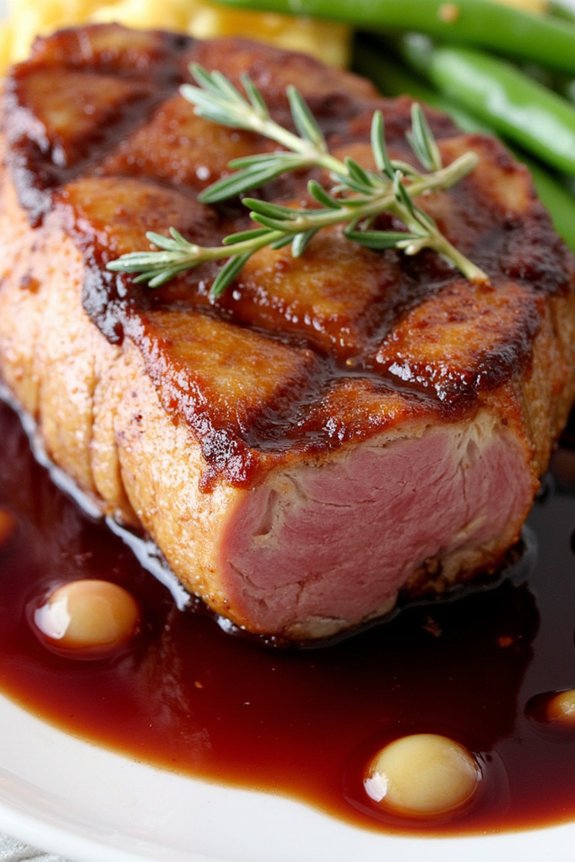
Duck Breast With Red Wine Reduction is a sophisticated French dish that showcases the rich flavors of duck paired with a luscious, deep red wine sauce. The tender, juicy duck breast is perfectly balanced by the tangy and slightly sweet red wine reduction, making it an ideal choice for a gourmet dinner. This dish is sure to impress your guests with its elegant presentation and complex flavors, offering a culinary experience that’s both satisfying and memorable.
Preparing Duck Breast With Red Wine Reduction requires attention to detail and patience, as the key to achieving the perfect dish lies in the cooking technique. The duck breasts are first seared to render the fat and achieve a crispy skin, while the red wine reduction is carefully simmered to develop a concentrated flavor. When done correctly, the result is a harmonious blend of textures and tastes that highlight the luxurious nature of this classic French recipe.
Ingredients for 4-6 servings:
- 4 duck breasts, skin-on
- Salt
- Black pepper
- 1 tablespoon olive oil
- 1 cup red wine (such as Pinot Noir or Merlot)
- 1 cup chicken stock
- 2 tablespoons balsamic vinegar
- 2 tablespoons honey
- 2 shallots, finely chopped
- 2 tablespoons unsalted butter
- Fresh thyme sprigs for garnish
Cooking Instructions:
- Prepare the Duck Breasts: Pat the duck breasts dry with paper towels and score the skin in a crosshatch pattern, being careful not to cut into the meat. Season both sides generously with salt and black pepper.
- Sear the Duck Breasts: Heat the olive oil in a large skillet over medium-high heat. Place the duck breasts skin-side down and cook for about 6-8 minutes, or until the skin is golden brown and crispy. Flip the breasts and cook for an additional 4-5 minutes for medium-rare, or longer if preferred. Remove the duck breasts from the skillet and let them rest for 5 minutes.
- Make the Red Wine Reduction: Pour off excess fat from the skillet, leaving about 1 tablespoon. Add the chopped shallots and sauté until translucent, about 2 minutes. Pour in the red wine and bring to a simmer, scraping up any browned bits from the bottom of the pan.
- Reduce the Sauce: Add the chicken stock, balsamic vinegar, and honey to the skillet. Continue to simmer until the sauce has reduced by half, which should take about 10-15 minutes. Stir in the butter until it’s melted and the sauce has a glossy finish.
- Serve: Slice the duck breasts thinly and arrange on a serving platter. Drizzle the red wine reduction over the top, and garnish with fresh thyme sprigs. Serve immediately for the best texture and flavor.
Extra Tips:
When cooking Duck Breast With Red Wine Reduction, remember to let the duck rest after searing to guarantee the juices redistribute throughout the meat, resulting in a more tender and flavorful dish.
Use a high-quality red wine for the reduction, as the flavor will concentrate and greatly affect the final sauce. If the sauce becomes too thick, you can thin it with a little more chicken stock.
Finally, keep an eye on the sauce as it reduces to prevent it from burning or becoming overly thick.
Duck Terrine With Pistachios
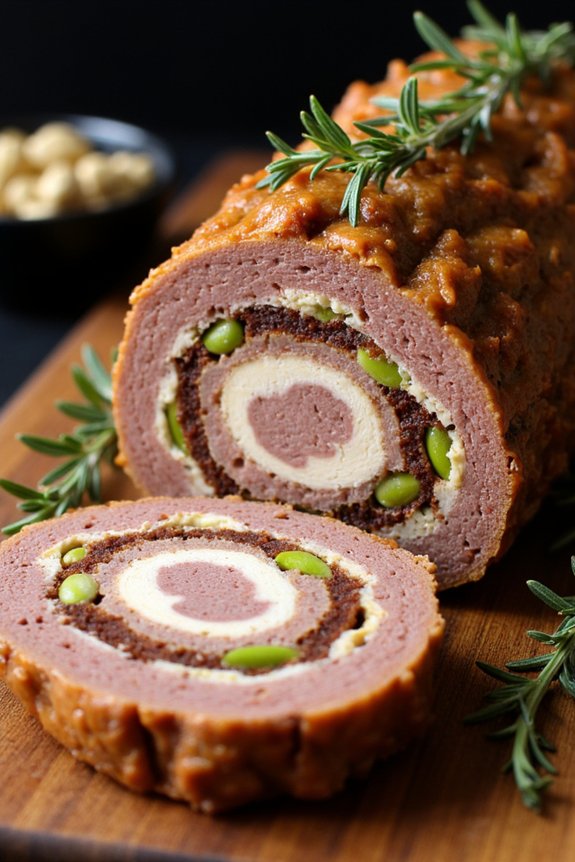
Duck Terrine With Pistachios is a classic French dish that brings together the rich, savory flavors of duck with the subtle sweetness of pistachios. This terrine is an elegant addition to any meal, making it a perfect choice for special occasions or a sophisticated dinner party. The combination of duck meat, liver, and pistachios creates a uniquely textured and flavorful dish that’s bound to impress your guests.
Preparing a terrine may seem intimidating, but with the right ingredients and step-by-step instructions, you can easily create this exquisite French delicacy in your own kitchen.
The key to a successful Duck Terrine With Pistachios is selecting high-quality ingredients and allowing the flavors to meld together as the terrine sets. The duck provides a rich, gamey base, while the pistachios add a delightful crunch and a hint of sweetness.
This dish is best served cold, sliced into portions and accompanied by crusty bread or a simple salad. Whether you’re a seasoned cook or a novice in French cuisine, this recipe will guide you through the process of creating a terrine that’s both delicious and visually appealing.
Ingredients for 4-6 servings:
- 1 pound boneless duck breast, skinless
- 1/2 pound duck liver, trimmed
- 1/2 pound pork fatback or bacon
- 1/2 cup shelled pistachios
- 2 tablespoons brandy
- 1 teaspoon salt
- 1/2 teaspoon black pepper
- 1/4 teaspoon ground nutmeg
- 1/4 teaspoon ground allspice
- 2 cloves garlic, minced
- 1 small onion, finely chopped
- 2 eggs, beaten
- Fresh thyme sprigs for garnish
Cooking Instructions:
- Prepare the Ingredients:
- Preheat your oven to 325°F (160°C). Cut the duck breast and pork fatback into small pieces. Trim and clean the duck liver, then set everything aside.
- Mix the Base:
- In a large bowl, combine the duck breast, duck liver, and pork fatback. Add the brandy, salt, black pepper, nutmeg, allspice, minced garlic, and chopped onion. Mix well until all the ingredients are evenly distributed.
- Incorporate the Eggs and Pistachios:
- Add the beaten eggs to the mixture, stirring until fully integrated. Gently fold in the pistachios, making sure they’re evenly dispersed throughout the mixture.
- Assemble the Terrine:
- Line a terrine mold or a loaf pan with parchment paper. Spoon the mixture into the mold, pressing down gently to remove any air pockets. Smooth the top with a spatula.
- Cook the Terrine:
- Cover the terrine with foil and place it in a larger baking dish. Fill the baking dish with hot water until it reaches halfway up the sides of the terrine mold. Bake in the preheated oven for 1 1/2 to 2 hours, or until the internal temperature reaches 160°F (71°C).
- Cool and Set:
- Remove the terrine from the oven and let it cool to room temperature. Once cooled, refrigerate for at least 8 hours, preferably overnight, to allow the flavors to develop fully.
- Serve:
- Before serving, invert the terrine onto a serving platter and remove the parchment paper. Garnish with fresh thyme sprigs. Slice and serve with crusty bread or a simple salad.
Extra Tips:
For the best flavor, allow your Duck Terrine With Pistachios to set in the refrigerator for at least 24 hours before serving. This resting time allows the flavors to meld and intensify.
When slicing the terrine, use a sharp knife warmed under hot water for clean, even slices. If you can’t find duck liver, chicken liver can be used as a substitute.
Remember to taste the mixture before cooking and adjust the seasoning if necessary, as this will guarantee a well-balanced terrine.
Duck Pâté En Croûte
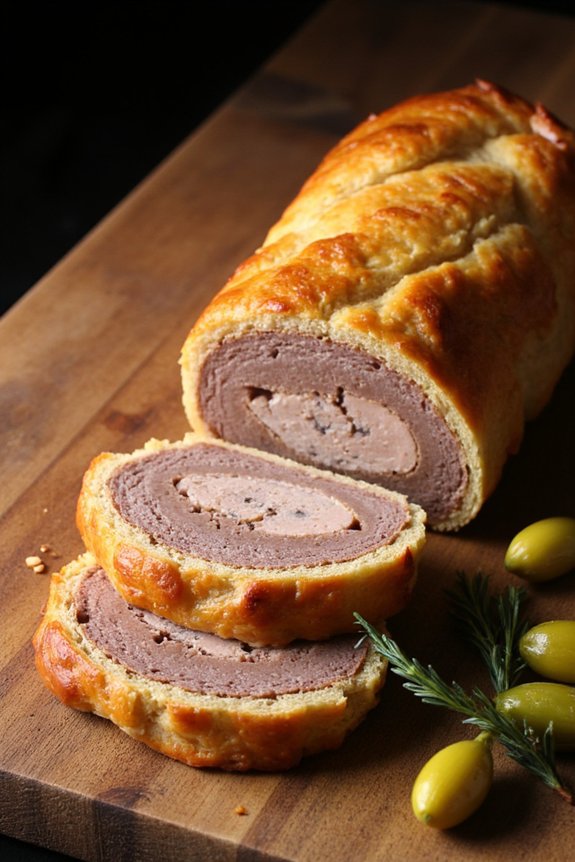
Duck Pâté En Croûte is a classic French delicacy that combines the rich flavors of duck with a buttery, flaky crust. This refined dish is perfect for showcasing your culinary skills at a dinner party or a special occasion. The pâté is made with ground duck meat, enhanced with aromatic herbs and spices, and then encased in a beautifully golden pastry shell. The end result is a savory masterpiece that delights the palate with each bite.
The preparation of Duck Pâté En Croûte requires attention to detail and a bit of patience, but the outcome is well worth the effort. The mixture of duck meat is often complemented with pork or veal, and seasoned with shallots, garlic, and a hint of brandy or cognac for added depth of flavor.
The pastry dough, traditionally made from scratch, is rolled out to encase the pâté mixture, guaranteeing a perfect bake that’s crisp on the outside and tender on the inside. When sliced, the pâté reveals a beautifully marbled interior, making it as visually appealing as it’s delicious.
Ingredients (Serves 4-6):
- 1 lb ground duck meat
- 1/2 lb ground pork
- 1/2 cup finely chopped shallots
- 2 cloves garlic, minced
- 1/4 cup brandy or cognac
- 1 tsp salt
- 1/2 tsp freshly ground black pepper
- 1/4 tsp ground nutmeg
- 1/4 tsp ground allspice
- 2 tbsp chopped fresh parsley
- 2 tbsp chopped fresh thyme
- 1 sheet puff pastry (store-bought or homemade)
- 1 egg, beaten (for egg wash)
Cooking Instructions:
- Prepare the Meat Mixture: In a large mixing bowl, combine the ground duck and pork. Add the chopped shallots, minced garlic, brandy, salt, pepper, nutmeg, allspice, parsley, and thyme. Mix well until all ingredients are evenly incorporated. Cover the bowl with plastic wrap and refrigerate for at least 1 hour to allow the flavors to meld.
- Preheat the Oven: Preheat your oven to 375°F (190°C) to make sure it’s hot enough to bake the pastry evenly.
- Roll Out the Pastry: On a lightly floured surface, roll out the puff pastry to a rectangle about 1/8 inch thick. Confirm it’s large enough to completely encase the meat mixture with some overlap for sealing.
- Assemble the Pâté: Remove the meat mixture from the refrigerator. Place it in the center of the rolled-out pastry, shaping it into a log. Fold the pastry over the meat, sealing the edges securely by pressing gently with your fingers. Trim any excess pastry if necessary.
- Apply Egg Wash: Transfer the wrapped pâté to a baking sheet lined with parchment paper. Brush the top and sides with the beaten egg to give it a beautiful golden color when baked.
- Bake the Pâté: Place the baking sheet in the preheated oven and bake for 45-50 minutes, or until the pastry is golden brown and the internal temperature of the meat reaches 160°F (70°C).
- Rest and Serve: Allow the pâté to cool slightly before slicing. This will help the slices hold their shape. Serve warm or at room temperature, accompanied by a side of cornichons or a simple green salad.
Extra Tips:
When preparing Duck Pâté En Croûte, confirm the meat mixture is well-chilled before assembling to make it easier to handle. If you’re short on time, store-bought puff pastry works well, but homemade will elevate the dish.
Additionally, scoring the top of the pastry gently with a knife before baking can create an attractive pattern and allow steam to escape. Finally, for a more rustic presentation, consider using a terrine mold rather than free-form shaping.
Duck Rillettes: A French Staple
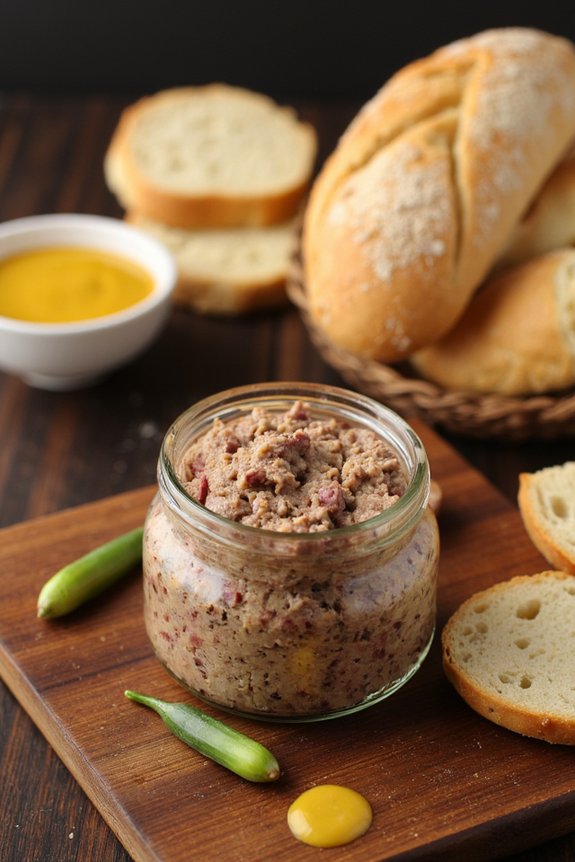
Duck rillettes are a classic French delicacy that offers a rich, savory flavor, perfect for spreading on bread or crackers. This dish is traditionally made by slow-cooking duck meat with herbs and spices until it becomes tender and easily shredded. The shredded meat is then blended with its own fat to create a smooth, pâté-like texture.
Duck rillettes are often enjoyed as an appetizer or part of a charcuterie board, showcasing the depth of flavor that comes from the carefully seasoned duck meat. Preparing duck rillettes at home allows you to control the flavors and create a dish that suits your taste. The process involves a few hours of slow cooking, but the end result is well worth the effort.
Once prepared, duck rillettes can be stored in the refrigerator and enjoyed over several days. To complete the dish, serve the rillettes with freshly baked baguette slices, cornichons, and a side of Dijon mustard for a truly authentic French experience.
Ingredients (Serves 4-6):
- 4 duck legs (with skin)
- 1 cup duck fat
- 2 garlic cloves, minced
- 1 teaspoon dried thyme
- 1 teaspoon dried rosemary
- 1 teaspoon salt
- 1/2 teaspoon black pepper
- 1 bay leaf
- 1/2 cup white wine
Instructions:
- Prepare the Duck Legs:
- Preheat your oven to 275°F (135°C). Pat the duck legs dry with paper towels to remove excess moisture, which helps in rendering the fat.
- Season the Duck:
- In a large oven-safe pot or Dutch oven, arrange the duck legs skin-side down. Sprinkle the minced garlic, thyme, rosemary, salt, and black pepper evenly over the legs. Tuck the bay leaf in between the legs.
- Add Fat and Wine:
- Pour the duck fat and white wine over the seasoned duck legs. The fat should cover the legs; if not, add more fat or a little water to guarantee they’re submerged.
- Slow Cook the Duck:
- Cover the pot with a lid and place it in the preheated oven. Let the duck cook slowly for about 3 to 4 hours, or until the meat is very tender and can be easily pulled apart with a fork.
- Shred the Duck:
- Remove the duck legs from the pot and let them cool slightly. Once cooled, remove the skin and bones, and shred the meat using two forks. Discard the bay leaf.
- Combine with Fat:
- In a bowl, mix the shredded duck meat with some of the cooking fat until you reach your desired consistency. The mixture should be moist but not overly oily.
- Store and Serve:
- Transfer the duck rillettes to a jar or container, pressing down to remove air pockets. Cover with a thin layer of duck fat to seal. Refrigerate for at least 4 hours before serving to allow the flavors to meld.
Extra Tips:
For the best flavor, prepare the duck rillettes a day in advance to let the flavors fully develop. If you prefer a smoother texture, you can blend a portion of the shredded meat with fat in a food processor before mixing it back into the rest.
Duck rillettes can be kept refrigerated for up to two weeks if sealed properly under fat. Remember to bring the rillettes to room temperature before serving for the best spreadability and flavor.
Pan-Seared Duck Breast With Blackberry Sauce
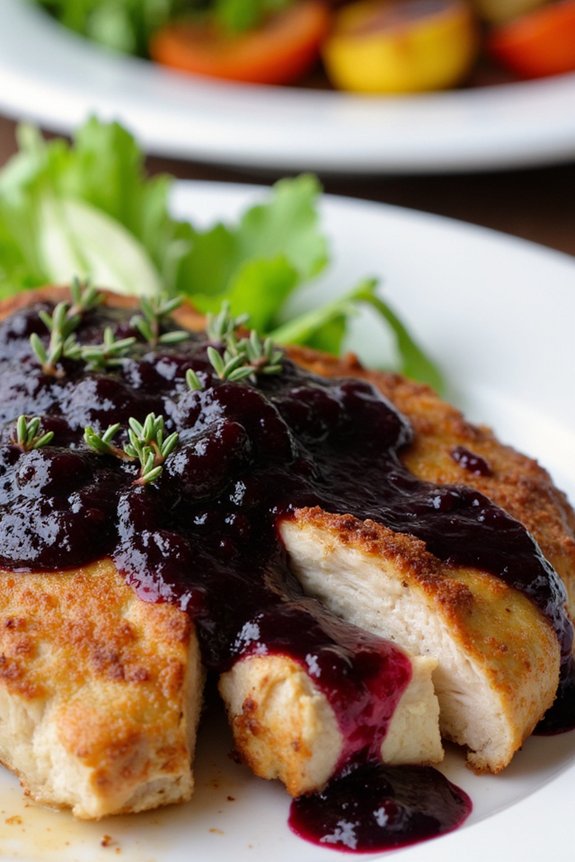
Pan-seared duck breast paired with a rich blackberry sauce is a delightful dish that brings together the savory flavors of duck with the sweet and tangy notes of fresh blackberries. This dish is a perfect choice for a special dinner, showcasing the elegance and simplicity of French cooking.
The duck breast, with its crispy skin and tender meat, beautifully complements the vibrant sauce, creating a harmonious balance that’s sure to impress your guests. This recipe is designed to serve 4-6 people, making it ideal for a small gathering or a family meal.
The process involves a few key steps to guarantee that the duck is cooked to perfection and the blackberry sauce is bursting with flavor. With a focus on quality ingredients and attention to detail, you can create a restaurant-worthy dish at home.
Ingredients:
- 4 duck breasts
- Salt and pepper, to taste
- 1 tablespoon vegetable oil
- 1 cup fresh blackberries
- 1/4 cup sugar
- 1/4 cup balsamic vinegar
- 1/2 cup chicken stock
- 2 tablespoons unsalted butter
- 1 teaspoon fresh thyme leaves
Cooking Instructions:
- Prepare the Duck Breasts: Score the skin of each duck breast in a crisscross pattern, being careful not to cut into the meat. Season the duck breasts generously with salt and pepper on both sides.
- Pan-Sear the Duck: Heat the vegetable oil in a large skillet over medium-high heat. Place the duck breasts skin-side down in the skillet. Cook for about 6-8 minutes, or until the skin is golden brown and crispy. Flip the duck breasts and cook for an additional 4-5 minutes for medium-rare, or until desired doneness. Remove the duck from the skillet and let it rest for 5 minutes before slicing.
- Make the Blackberry Sauce: In the same skillet, drain excess fat, leaving about 1 tablespoon. Add the blackberries, sugar, and balsamic vinegar. Cook over medium heat, stirring occasionally, until the blackberries break down and the sauce thickens, about 5 minutes.
- Finish the Sauce: Add the chicken stock to the skillet and bring the mixture to a simmer. Cook until the sauce reduces by half, about 5 minutes. Stir in the butter and thyme leaves until the butter is melted and the sauce is smooth.
- Serve: Slice the duck breasts and arrange them on a serving platter. Drizzle the blackberry sauce over the duck and garnish with additional thyme leaves if desired. Serve immediately.
Extra Tips:
When cooking duck breasts, it’s important to start with a cold skillet to render the fat slowly and achieve crispy skin.
Be patient with the sauce; allowing it to reduce will concentrate the flavors and create a luscious texture. If fresh blackberries aren’t available, frozen ones can be used, but make sure to thaw and drain them before cooking.
For an added touch, consider serving the duck with a side of roasted vegetables or a simple green salad to balance the richness of the dish.
Duck Cassoulet: A Hearty Stew
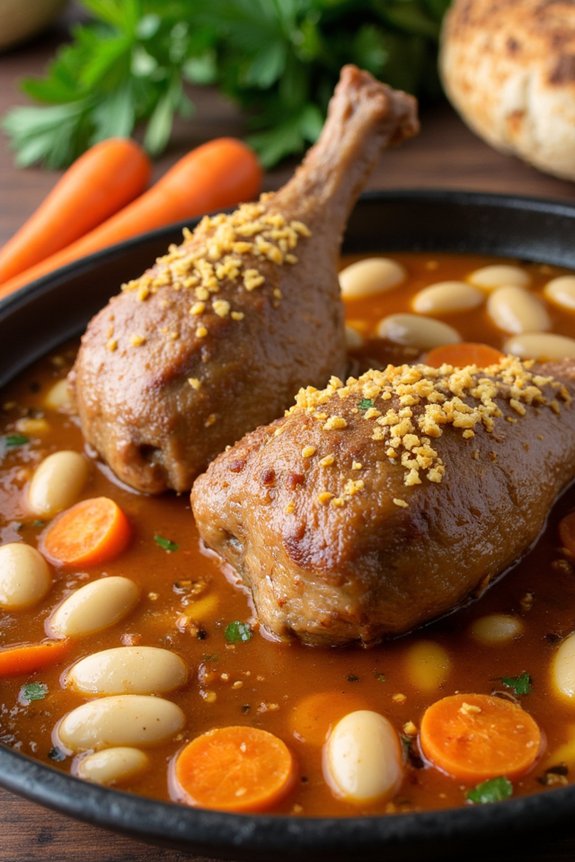
Duck Cassoulet is a classic French dish that embodies the essence of comfort food. This hearty stew is rich in flavor and steeped in tradition, originating from the Languedoc region of France. It’s a warming dish perfect for colder months, combining duck, pork, and white beans simmered to perfection in a savory broth. The slow-cooking process allows the flavors to meld together, creating a deeply satisfying meal that’s both rustic and elegant.
This recipe serves 4-6 people and is perfect for a cozy dinner gathering. The combination of tender duck meat with creamy white beans and aromatic herbs makes it an irresistible choice for those who enjoy robust flavors. While the preparation may take some time, the end result is well worth the effort. The Duck Cassoulet not only delivers on taste but also provides a glimpse into the rich culinary traditions of France.
Ingredients:
- 4 duck legs
- 2 tablespoons of duck fat or olive oil
- 1 pound of pork sausage, sliced
- 1 onion, chopped
- 2 cloves of garlic, minced
- 2 carrots, sliced
- 2 cups of dried white beans (such as cannellini or Great Northern), soaked overnight
- 4 cups of chicken or duck stock
- 1 cup of canned tomatoes, crushed
- 1 teaspoon of dried thyme
- 1 bay leaf
- Salt and pepper to taste
- 1 cup of breadcrumbs
- 1 tablespoon of fresh parsley, chopped (for garnish)
Cooking Instructions:
- Prepare the Duck Legs: Preheat your oven to 350°F (175°C). Season the duck legs with salt and pepper. In a large ovenproof pot or Dutch oven, heat the duck fat or olive oil over medium-high heat. Sear the duck legs until they’re golden brown on both sides. Remove them and set aside.
- Cook the Sausage: In the same pot, add the sliced pork sausage and cook until browned. Remove the sausage and set aside with the duck legs.
- Sauté Vegetables: Lower the heat to medium and add the chopped onion, minced garlic, and sliced carrots to the pot. Sauté until the onions are translucent and the carrots are slightly tender.
- Combine Ingredients: Add the soaked and drained white beans to the pot along with the chicken or duck stock, crushed tomatoes, dried thyme, bay leaf, and browned sausage. Stir well to combine.
- Simmer the Stew: Nestle the duck legs back into the pot, making sure they’re submerged in the liquid. Bring the mixture to a simmer.
- Bake the Cassoulet: Cover the pot with a lid and transfer it to the preheated oven. Bake for approximately 2 hours, or until the beans are tender and the duck meat is falling off the bone.
- Finish the Dish: Remove the pot from the oven and increase the temperature to 400°F (200°C). Sprinkle the breadcrumbs evenly over the cassoulet. Return the pot to the oven, uncovered, and bake for an additional 15-20 minutes, or until the breadcrumbs are golden and crispy.
- Garnish and Serve: Remove the bay leaf before serving. Garnish with freshly chopped parsley and serve the Duck Cassoulet hot.
Extra Tips:
To guarantee your Duck Cassoulet is full of flavor, it’s vital to use high-quality ingredients, particularly the duck and sausage. If you have the time, let the cassoulet sit overnight in the fridge and reheat it the next day; the flavors will deepen and improve.
Make sure to taste and adjust the seasoning before serving. Finally, serving the cassoulet with a side of crusty French bread can help soak up the delicious broth, enhancing the overall experience.
Duck Liver Mousse With Truffle
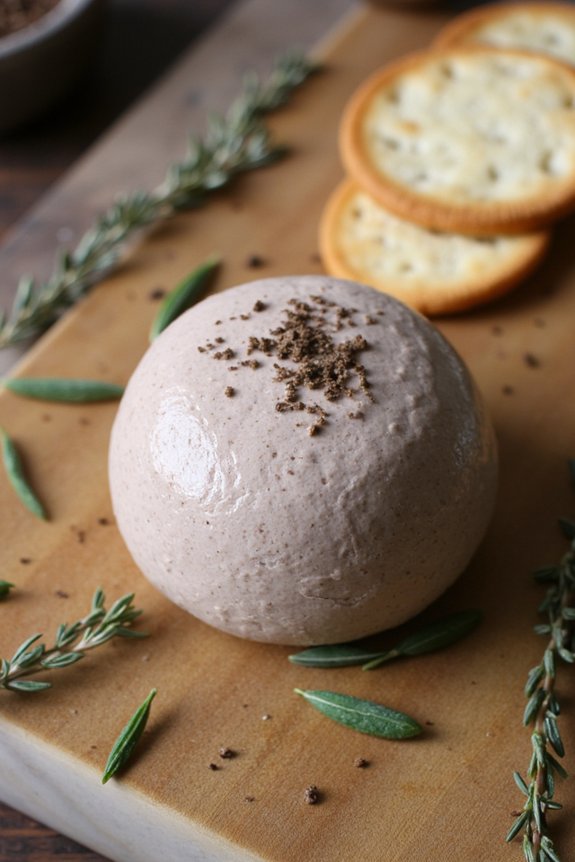
Duck Liver Mousse With Truffle is a luxurious and velvety dish that embodies the rich flavors of French cuisine. This exquisite appetizer combines the smoothness of duck liver with the earthy depth of truffles, creating a delicacy that’s bound to impress at any gathering. Perfect as a starter for a special occasion, this mousse pairs beautifully with crusty bread or delicate crackers, offering a taste of elegance with every bite.
Preparing Duck Liver Mousse With Truffle requires a bit of care and attention to detail, but the result is truly rewarding. The process involves gently cooking the duck liver, blending it into a silky mousse, and infusing it with the aromatic essence of truffles. Whether you’re a seasoned chef or an enthusiastic home cook, this recipe is designed to guide you through creating a dish that not only delights the palate but also showcases the artistry of French culinary traditions.
Ingredients (serves 4-6):
- 1 pound fresh duck livers, cleaned
- 2 tablespoons unsalted butter
- 1 medium onion, finely chopped
- 2 garlic cloves, minced
- 1/4 cup brandy or cognac
- 1/2 cup heavy cream
- 2 tablespoons truffle oil
- Salt and freshly ground black pepper to taste
- 1 tablespoon finely chopped fresh truffles or truffle paste
- 1 teaspoon fresh thyme leaves
- 1/4 teaspoon ground nutmeg
Cooking Instructions:
- Prepare the Duck Livers: Start by cleaning the duck livers, removing any sinew or connective tissue. Rinse them under cold water and pat dry with paper towels.
- Cook the Aromatics: In a large skillet over medium heat, melt the butter. Add the chopped onion and minced garlic, sautéing until the onion becomes translucent and soft, about 5 minutes.
- Cook the Duck Livers: Increase the heat to medium-high and add the duck livers to the skillet. Cook for about 5 minutes, turning occasionally, until the livers are browned on the outside but still pink inside. Be careful not to overcook them, as they should remain tender.
- Deglaze with Brandy: Carefully add the brandy to the skillet. If you’re comfortable, ignite the brandy with a long match to flambé, burning off the alcohol. Allow the flames to subside naturally.
- Blend the Mousse: Transfer the contents of the skillet to a blender or food processor. Add the heavy cream, truffle oil, salt, pepper, chopped truffles, thyme leaves, and nutmeg. Blend until the mixture is completely smooth and creamy.
- Chill and Set: Pour the mousse into a serving dish or individual ramekins, smoothing the top with a spatula. Cover with plastic wrap, pressing it directly onto the surface of the mousse to prevent a skin from forming. Refrigerate for at least 4 hours, or until set.
- Serve: Once chilled and firm, the mousse is ready to be served. Accompany with sliced baguette or crackers, and garnish with additional thyme leaves or a drizzle of truffle oil for added presentation.
Extra Tips: When preparing Duck Liver Mousse With Truffle, confirm that the duck livers are of high quality, as their freshness greatly affects the dish’s taste. If fresh truffles are unavailable, truffle paste or oil can be a suitable alternative, imparting that distinctive aroma.
Additionally, using a high-speed blender will help achieve the desired smoothness of the mousse. Be mindful of the temperature when cooking the livers to avoid a grainy texture; they should remain slightly pink inside for best results.
Honey-Glazed Duck With Thyme
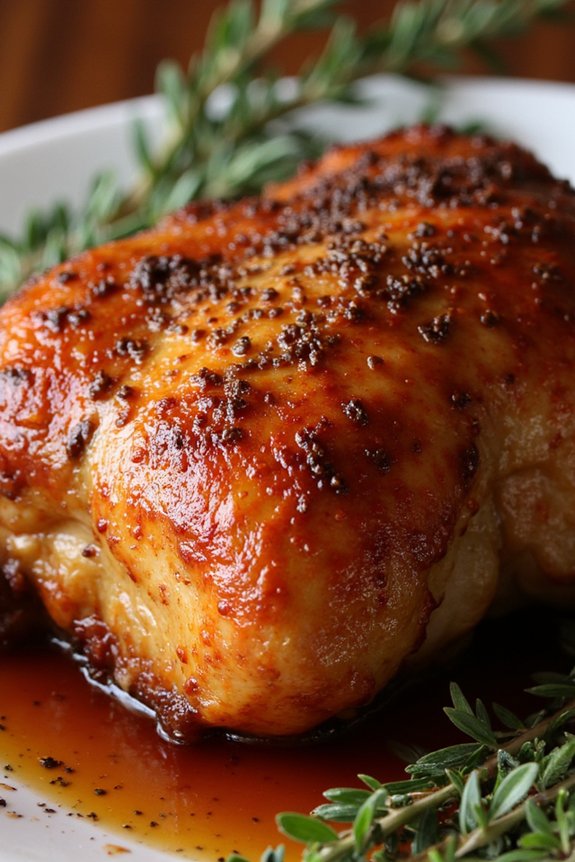
Honey-Glazed Duck With Thyme is a classic French dish that combines the rich, savory flavors of duck with the sweet, aromatic notes of honey and thyme. This recipe creates a beautiful balance between the tender, juicy meat and the caramelized glaze, making it a perfect dish for a special occasion or a luxurious dinner with family and friends.
By using simple ingredients that complement each other perfectly, this dish elevates the humble duck into a gourmet experience.
Preparing Honey-Glazed Duck With Thyme is straightforward, but the result is a dish that feels both sophisticated and comforting. The secret lies in using high-quality ingredients and taking your time to guarantee every component is cooked to perfection.
This recipe serves 4-6 people, making it ideal for a small gathering or an intimate dinner party. The following instructions will guide you through the process of creating this delectable French dish.
Ingredients:
- 1 whole duck (about 4-5 pounds)
- 1/4 cup honey
- 2 tablespoons fresh thyme leaves
- 4 cloves garlic, minced
- Juice of 1 lemon
- Salt and freshly ground black pepper to taste
- 2 tablespoons olive oil
- 1 cup chicken stock
- 1/2 cup dry white wine
Cooking Instructions:
1. Prepare the Duck: Rinse the duck under cold water and pat dry with paper towels. Remove any excess fat from the cavity and trim the wingtips if desired. Season the duck generously with salt and pepper, both inside and out.
2. Create the Glaze: In a small bowl, combine the honey, minced garlic, lemon juice, and thyme leaves. Mix until well blended. This mixture will serve as the glaze for the duck, infusing it with a sweet and herbal flavor.
3. Sear the Duck: Heat the olive oil in a large oven-safe skillet or roasting pan over medium-high heat. Place the duck breast-side down in the pan and sear for about 5 minutes, until the skin is golden brown.
Turn the duck over and sear the other side for an additional 5 minutes.
4. Roast the Duck: Preheat your oven to 350°F (175°C). Once seared, place the duck breast-side up in the skillet or roasting pan. Brush the honey-thyme glaze generously over the entire duck. Pour the chicken stock and white wine into the pan around the duck.
5. Bake the Duck: Transfer the skillet or roasting pan to the preheated oven. Roast the duck for about 1.5 to 2 hours, basting with the pan juices every 30 minutes. The duck is done when the internal temperature reaches 165°F (74°C) and the skin is crisp and caramelized.
6. Rest and Serve: Remove the duck from the oven and let it rest for 10-15 minutes before carving. This allows the juices to redistribute, guaranteeing tender and moist meat. Carve the duck and serve with the pan juices on the side.
Extra Tips:
When preparing Honey-Glazed Duck With Thyme, it’s important to keep an eye on the duck as it roasts to guarantee the skin doesn’t burn. If necessary, cover the duck loosely with aluminum foil to prevent over-browning.
Additionally, you can enhance the flavors by adding a few sprigs of fresh thyme or slices of lemon to the cavity of the duck before roasting. This will impart even more aroma and flavor to the dish.
Finally, for an elegant presentation, garnish the carved duck with fresh thyme sprigs before serving.
Duck Parmentier: A Rustic Comfort
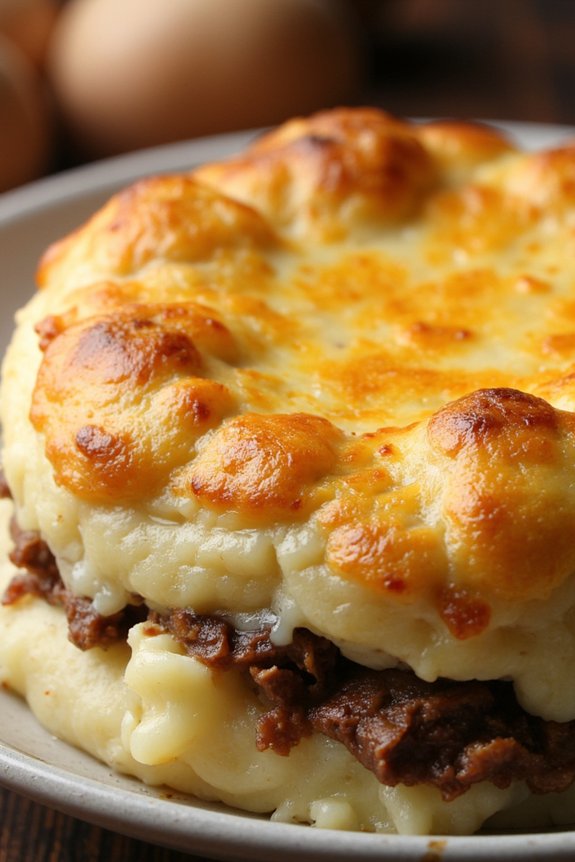
Duck Parmentier: A Rustic Comfort is a traditional French dish that combines tender duck confit with creamy mashed potatoes to create a comforting and hearty meal. This dish is perfect for a cozy dinner with family or friends and brings a touch of French countryside charm to your table. The rich flavors of the duck are beautifully complemented by the soft, buttery texture of the potatoes, making it a delightful culinary experience.
The key to a successful Duck Parmentier is using high-quality duck confit and preparing the mashed potatoes to a smooth, creamy consistency. The dish is then layered and baked until golden and bubbly, offering a satisfying balance of flavors and textures. Whether you’re a seasoned home cook or a beginner looking to impress your guests, this recipe is sure to become a favorite in your repertoire.
Ingredients (Serves 4-6):
- 4 confit duck legs
- 2 pounds potatoes (such as Yukon Gold)
- 1 cup milk
- 4 tablespoons unsalted butter
- Salt and freshly ground black pepper, to taste
- 1 tablespoon olive oil
- 1 onion, finely chopped
- 2 cloves garlic, minced
- 1/2 cup chicken stock
- 1/4 cup fresh parsley, chopped
- 1/2 cup grated Gruyère cheese
Instructions:
- Prepare the Duck: Preheat your oven to 375°F (190°C). Remove the duck confit legs from their packaging and gently scrape off any excess fat. Place them in a baking dish and roast for about 15-20 minutes or until the skin is crispy and the meat is heated through. Once done, let them cool slightly, then shred the meat, discarding the skin and bones.
- Cook the Potatoes: While the duck is roasting, peel and dice the potatoes. Place them in a large pot of salted water and bring to a boil. Cook until they’re tender, about 15-20 minutes. Drain the potatoes and return them to the pot.
- Make the Mashed Potatoes: Heat the milk and butter in a small saucepan until the butter is melted. Pour the mixture over the drained potatoes and mash until smooth and creamy. Season with salt and pepper to taste.
- Sauté the Aromatics: In a large skillet, heat the olive oil over medium heat. Add the chopped onion and garlic, sautéing until they’re soft and translucent, about 5 minutes. Add the shredded duck meat to the skillet and stir in the chicken stock. Cook for an additional 5 minutes, allowing the flavors to meld. Stir in the chopped parsley.
- Assemble the Parmentier: In a baking dish, spread half of the mashed potatoes in an even layer. Top with the duck mixture, then spread the remaining mashed potatoes over the duck. Sprinkle the Gruyère cheese evenly over the top.
- Bake the Dish: Place the assembled dish in the preheated oven and bake for 25-30 minutes, or until the top is golden brown and the dish is heated through. Allow it to cool slightly before serving.
Extra Tips:
For an even more flavorful Duck Parmentier, consider adding a splash of white wine to the sautéed duck mixture for added depth. If you prefer a richer mashed potato, you can substitute some of the milk with heavy cream.
Additionally, to achieve a perfectly crisp top layer, you can place the dish under the broiler for a few minutes at the end of baking. Serve this dish with a simple green salad or crusty bread for a complete meal. Enjoy!
Duck Magret With Cherry Sauce
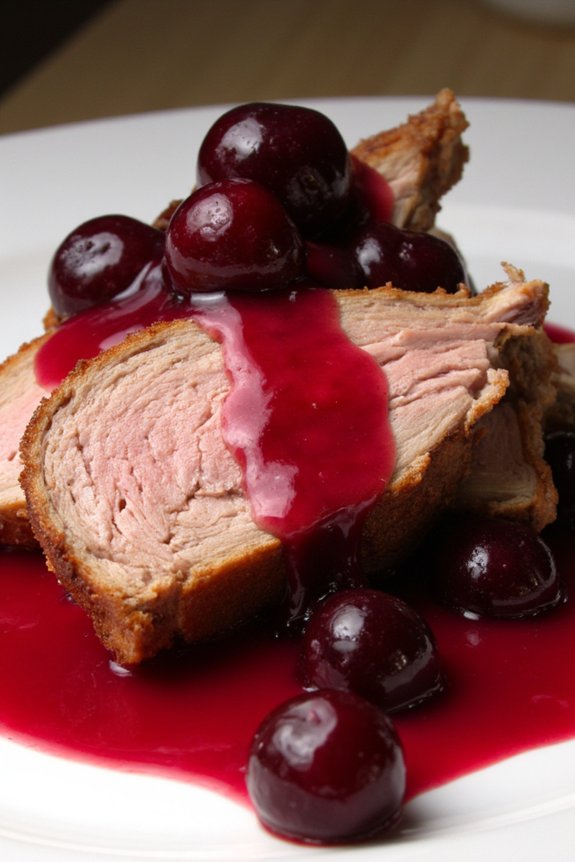
Duck Magret With Cherry Sauce is a delightful French dish that combines the rich, savory flavor of duck breast with the sweet and tangy taste of cherry sauce. This dish is perfect for a special occasion or a dinner party, as it not only impresses with its delicious flavor but also with its elegant presentation.
The duck magret is typically pan-seared to achieve a crispy skin while keeping the inside juicy and tender. The cherry sauce, made with fresh or frozen cherries, adds a vibrant color and a burst of flavor that beautifully complements the duck.
To make this dish, you’ll need duck magrets, which are the breast fillets of Moulard or Muscovy ducks. These ducks are known for their rich flavor and tender meat, making them ideal for this recipe. The cherry sauce is made by simmering cherries with a few other ingredients to create a luscious sauce that enhances the duck’s natural flavor. This recipe serves 4-6 people, making it suitable for a family meal or a small gathering.
Ingredients for 4-6 people:
- 4 duck magrets (duck breasts)
- Salt and freshly ground black pepper
- 2 cups fresh or frozen cherries, pitted
- 1/2 cup red wine
- 1/4 cup balsamic vinegar
- 2 tablespoons honey
- 1 tablespoon olive oil
- 1 shallot, finely chopped
- 2 tablespoons unsalted butter
Cooking Instructions:
- Prepare the Duck Magrets: Pat the duck magrets dry with paper towels. Using a sharp knife, score the skin in a crosshatch pattern, being careful not to cut into the meat. Season both sides with salt and freshly ground black pepper.
- Cook the Duck: Place the duck breasts skin-side down in a cold, ungreased skillet. Turn the heat to medium and let the fat render out slowly, cooking the skin until crispy and golden brown, about 6-8 minutes. Flip the duck breasts and cook for an additional 3-4 minutes for medium rare. Remove the duck from the pan and let it rest on a cutting board, skin-side up.
- Prepare the Cherry Sauce: In the same skillet, remove all but 1 tablespoon of duck fat. Add the olive oil and shallot, and sauté over medium heat until the shallot is soft and translucent, about 2 minutes. Stir in the cherries, red wine, balsamic vinegar, and honey. Simmer the mixture over medium-low heat until the cherries are soft and the sauce has thickened, about 10-12 minutes.
- Finish the Sauce: Remove the skillet from the heat and stir in the butter until melted and the sauce is glossy. Taste and adjust seasoning with salt and pepper as needed.
- Serve: Slice the duck breasts thinly against the grain and arrange on a serving platter. Spoon the cherry sauce over the top. Serve immediately with your choice of sides.
Extra Tips:
When cooking duck magrets, it’s important to start with a cold pan to allow the fat to render slowly, resulting in a crispier skin. This method helps to prevent the skin from becoming greasy.
If you prefer a thicker sauce, you can mash some of the cherries while they cook to release more of their juices. Additionally, if fresh cherries aren’t available, good-quality frozen cherries work just as well in this recipe.
The key to a perfect duck magret isn’t to overcook the meat; it should remain pink in the center for ideal tenderness and flavor.
