

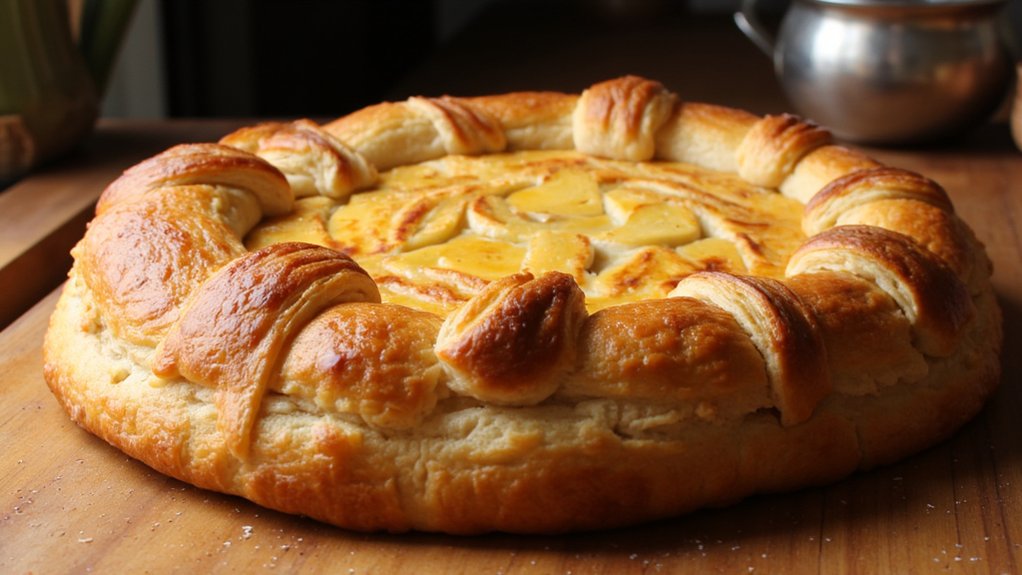
Looking to sprinkle a little magic into your holiday celebrations? French cuisine has a way of making every occasion feel special. Picture the aroma of Coq Au Vin filling your home and the elegance of Duck À L’Orange on your table. These dishes aren’t just about taste; they’re about creating lasting memories. Let’s explore these delightful recipes and bring a touch of France to your festivities.
Coq Au Vin
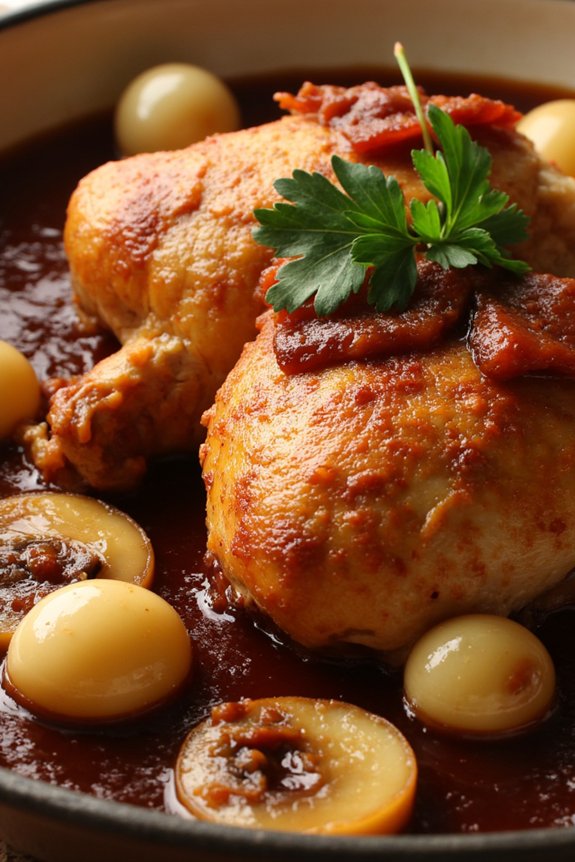
Coq Au Vin, a classic French dish, is the perfect choice for a romantic holiday meal. Translating to “rooster in wine,” this recipe showcases the tender flavors of chicken simmered in a rich red wine sauce, enhanced with mushrooms, onions, and bacon. Originating from the Burgundy region of France, Coq Au Vin is a reflection of the art of slow cooking, allowing the flavors to meld together beautifully.
Whether you’re celebrating a special occasion or simply indulging in a cozy dinner, this dish is sure to impress with its depth of flavor and aromatic allure.
To enjoy this delightful dish, it’s important to choose a good quality red wine, as it serves as the primary flavor base. The recipe traditionally uses rooster, but chicken is commonly substituted for availability and tenderness. Paired with crusty bread or creamy mashed potatoes, Coq Au Vin makes for a wonderful centerpiece to any romantic meal.
Cooking this dish requires patience and attention to detail, but the end result is a heartwarming and sumptuous feast that captures the essence of French culinary tradition.
Ingredients for 4-6 servings:
- 3 pounds chicken thighs and drumsticks
- Salt and freshly ground black pepper
- 2 tablespoons olive oil
- 4 ounces bacon, diced
- 1 large onion, diced
- 2 cloves garlic, minced
- 2 tablespoons all-purpose flour
- 2 cups red wine (preferably Burgundy or Pinot Noir)
- 1 cup chicken broth
- 2 tablespoons tomato paste
- 1 bay leaf
- 1 teaspoon fresh thyme leaves
- 8 ounces button mushrooms, sliced
- 1 tablespoon butter
- 12 pearl onions, peeled
- 2 tablespoons chopped fresh parsley
Cooking Instructions:
- Prepare the Chicken: Season the chicken pieces with salt and pepper. In a large Dutch oven or heavy pot, heat olive oil over medium-high heat. Add the chicken pieces, skin-side down, and brown them in batches to avoid overcrowding. Once browned, remove the chicken from the pot and set aside.
- Sauté Bacon and Aromatics: In the same pot, add the diced bacon and cook until crispy. Remove the bacon and set aside, leaving the rendered fat in the pot. Add the diced onion and garlic to the pot, sautéing until the onions are soft and translucent.
- Create the Sauce: Sprinkle the flour over the onion and garlic mixture, stirring to coat. Cook for about 1-2 minutes to remove the raw flour taste. Gradually pour in the red wine, scraping up any browned bits from the bottom of the pot. Add the chicken broth, tomato paste, bay leaf, and thyme. Stir well to combine.
- Simmer the Chicken: Return the browned chicken pieces and bacon to the pot, ensuring they’re submerged in the liquid. Bring to a simmer, cover the pot, and reduce the heat to low. Allow the chicken to cook gently for about 45 minutes, or until tender.
- Cook the Mushrooms and Pearl Onions: While the chicken cooks, melt the butter in a skillet over medium heat. Add the mushrooms and pearl onions, cooking until the mushrooms are golden brown and the onions are tender. Set aside.
- Combine and Finish: Once the chicken is tender, add the cooked mushrooms and pearl onions to the pot. Continue to simmer uncovered for an additional 10-15 minutes to allow the flavors to meld together and the sauce to thicken slightly.
- Garnish and Serve: Remove the bay leaf and transfer the Coq Au Vin to a serving dish. Garnish with chopped fresh parsley before serving. Serve hot with crusty bread or mashed potatoes.
Extra Tips:
When cooking Coq Au Vin, it’s important to give the dish time to develop its flavors. If possible, prepare the dish a day in advance and allow it to rest overnight in the refrigerator; the flavors will intensify and improve.
Additionally, make sure that you use a wine that you enjoy drinking, as the wine will greatly impact the taste of the dish. If pearl onions are difficult to find, you can substitute them with chopped regular onions, though they won’t have the same visual appeal.
Finally, make sure to taste the sauce before serving and adjust the seasoning as needed to suit your preference.
Bouillabaisse
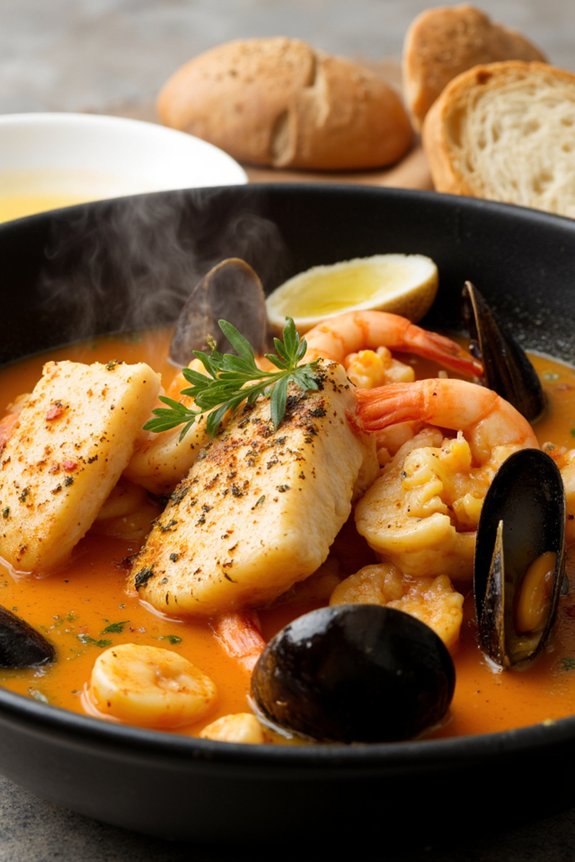
Bouillabaisse is a traditional Provençal fish stew originating from the port city of Marseille. This dish combines a variety of fish and shellfish with a flavorful broth infused with aromatic herbs and spices. Known for its rich taste and hearty ingredients, Bouillabaisse is often enjoyed as a highlight of romantic French holiday meals. The combination of seafood, tomatoes, and saffron creates a distinct bouquet of flavors that will transport you to the Mediterranean coast with every bite.
The secret to an authentic Bouillabaisse lies in the freshness of the seafood and the quality of the broth. Traditionally, Bouillabaisse is served with a side of rouille, a garlicky mayonnaise-like sauce, and crusty bread to soak up the delicious broth. Perfect for serving 4-6 people, this recipe will guide you through creating this iconic French dish, ensuring a memorable dining experience for you and your loved ones.
Ingredients for 4-6 servings:
- 2 pounds of mixed fish (such as cod, snapper, and monkfish)
- 1 pound of mussels, cleaned and debearded
- 1 pound of clams, cleaned
- 1 pound of shrimp, peeled and deveined
- 1/2 cup of olive oil
- 2 onions, chopped
- 4 cloves of garlic, minced
- 2 leeks, white parts only, sliced
- 1 fennel bulb, sliced
- 4 ripe tomatoes, peeled and chopped
- 1 teaspoon of saffron threads
- 1 teaspoon of dried thyme
- 2 bay leaves
- Zest of 1 orange
- 1/2 cup of dry white wine
- 4 cups of fish stock
- Salt and pepper to taste
- 1 baguette, sliced
- Rouille sauce (optional)
Cooking Instructions:
- Prepare the seafood: Rinse the mussels and clams under cold water. Discard any that don’t close when tapped. Peel and devein the shrimp, then cut the fish into large chunks.
- Sauté the vegetables: In a large pot, heat olive oil over medium heat. Add the onions, garlic, leeks, and fennel, cooking until they’re soft and fragrant, about 8-10 minutes.
- Add tomatoes and aromatics: Stir in the chopped tomatoes, saffron threads, thyme, bay leaves, and orange zest. Cook for an additional 5 minutes, allowing the flavors to meld together.
- Deglaze with wine: Pour in the white wine, stirring to deglaze the pot. Let the mixture simmer for another 5 minutes to reduce slightly.
- Simmer the broth: Add the fish stock to the pot, bringing it to a gentle boil. Reduce the heat to low and let the broth simmer for 20 minutes, allowing the flavors to develop.
- Cook the seafood: Gently add the fish chunks, mussels, clams, and shrimp to the pot. Cover and simmer for 10-12 minutes or until the seafood is cooked through and the mussels and clams have opened. Discard any mussels or clams that remain closed.
- Season and serve: Taste the Bouillabaisse and adjust the seasoning with salt and pepper as needed. Serve hot with slices of baguette and a side of rouille sauce if desired.
Extra Tips:
For the best Bouillabaisse experience, use the freshest seafood available and avoid overcooking it to maintain its delicate texture. The dish’s flavor can be enhanced by preparing the broth a day in advance, allowing the ingredients to meld overnight.
Don’t forget to serve with a generous side of crusty bread to soak up the broth. If you prefer a thicker broth, consider blending a portion of the vegetables and returning them to the pot. Enjoy your culinary journey to the south of France with this timeless classic!
Beef Bourguignon
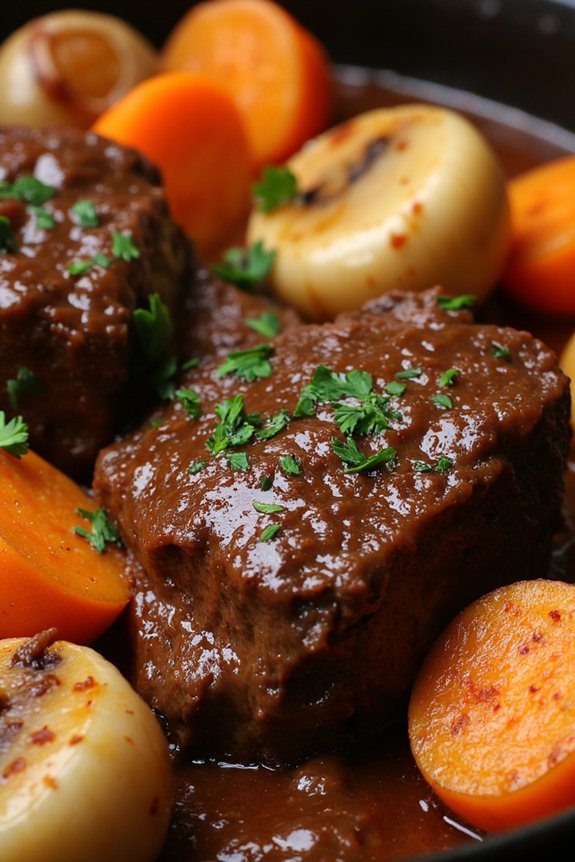
Beef Bourguignon, a classic French dish, is perfect for a romantic holiday meal. This rich, savory stew originates from the Burgundy region of France, known for its exquisite wine and cuisine. Traditionally cooked slowly to develop deep flavors, it features tender chunks of beef simmered in a red wine sauce enriched with onions, garlic, and a medley of herbs. The dish’s complexity and warmth make it an ideal choice for a special dinner, offering an authentic taste of France that can be enjoyed with a loved one or shared with friends.
Creating Beef Bourguignon requires patience and quality ingredients to achieve its signature taste. The key to this dish is in the slow cooking process, which allows the flavors to meld together, resulting in a luxurious, hearty stew. The recipe below serves 4-6 people, making it a wonderful option for an intimate gathering or a family dinner. As you prepare this dish, let the enticing aromas fill your kitchen, setting the stage for a memorable meal.
Ingredients for 4-6 servings:
- 3 tablespoons olive oil
- 6 ounces bacon, diced
- 3 pounds beef chuck, cut into 2-inch cubes
- 1 large onion, sliced
- 2 carrots, sliced
- 2 cloves garlic, minced
- 2 tablespoons all-purpose flour
- 3 cups red wine (preferably Burgundy or Pinot Noir)
- 2-3 cups beef stock
- 1 tablespoon tomato paste
- 1 teaspoon thyme
- 1 bay leaf
- Salt and pepper to taste
- 12 small pearl onions, peeled
- 1 pound mushrooms, quartered
- 2 tablespoons butter
- Fresh parsley, chopped (for garnish)
Cooking Instructions:
- Prepare the Ingredients: Begin by preheating your oven to 325°F (160°C). Pat the beef cubes dry with paper towels to guarantee they brown properly.
- Cook the Bacon: In a large ovenproof pot or Dutch oven, heat olive oil over medium heat. Add the diced bacon and cook until crispy. Remove the bacon with a slotted spoon and set aside, leaving the bacon fat in the pot.
- Brown the Beef: Increase the heat to medium-high. In batches, sear the beef cubes in the bacon fat until they’re browned on all sides. Remove and set aside with the bacon.
- Sauté the Vegetables: In the same pot, add the sliced onions and carrots. Cook for 5-7 minutes until they begin to soften. Add the minced garlic and cook for an additional minute.
- Thicken the Base: Sprinkle the flour over the vegetables, stirring to coat evenly. Cook for another 2 minutes to eliminate the raw flour taste.
- Deglaze and Simmer: Pour in the wine, stirring to deglaze the pot and scrape up any browned bits. Add the beef stock, tomato paste, thyme, and bay leaf. Return the bacon and beef to the pot. Bring the mixture to a simmer.
- Braise in the Oven: Cover the pot and place it in the preheated oven. Allow it to cook for about 2.5 to 3 hours, or until the beef is tender.
- Prepare Onions and Mushrooms: About 30 minutes before the beef is done, melt butter in a skillet over medium heat. Add the pearl onions and mushrooms, sautéing until they’re browned and soft.
- Combine and Finish: Once the beef is tender, remove the pot from the oven. Stir in the sautéed onions and mushrooms. Adjust seasoning with salt and pepper to taste. Let the stew rest for a few minutes before serving.
- Serve: Garnish with freshly chopped parsley and serve hot, perhaps with crusty bread or mashed potatoes.
Extra Tips:
For the best results, choose a wine that you enjoy drinking, as it will considerably impact the flavor of the dish. If you can, prepare Beef Bourguignon a day in advance; the flavors will deepen and meld overnight in the refrigerator. When reheating, do so gently over low heat to preserve the texture of the beef. Finally, remember to skim off any excess fat before serving, guaranteeing a balanced and delightful dish.
Duck À L’orange
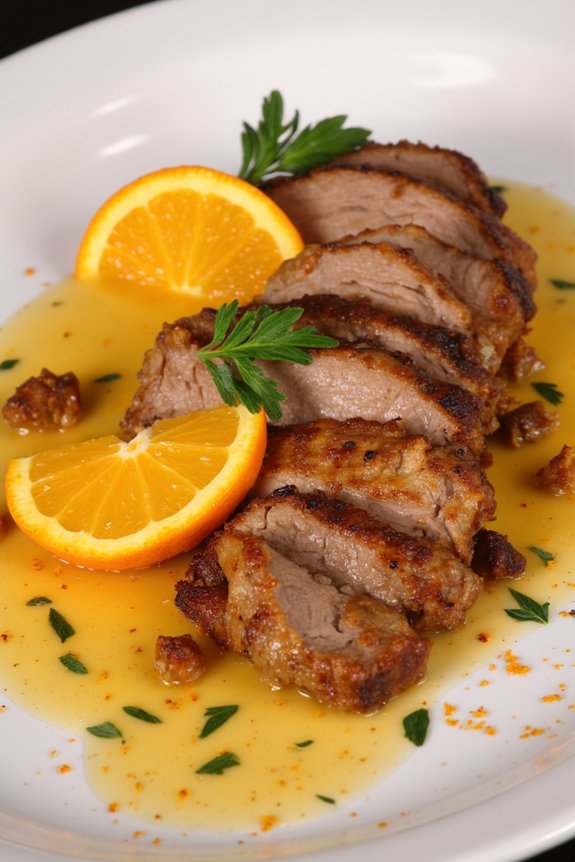
Duck À L’orange is a classic French dish that combines the rich, savory flavor of duck with a sweet and tangy orange sauce. This delightful entrée is perfect for a romantic holiday dinner, as its sophisticated taste and elegant presentation are sure to impress your loved ones.
The dish originated in France and has been a staple in French cuisine for centuries, known for its beautiful balance of flavors and textures. Duck À L’orange is a perfect example of how French cooking elevates simple ingredients to create an extraordinary dining experience.
Preparing Duck À L’orange requires some time and patience, but the results are well worth the effort. The key is to achieve a perfectly crispy skin on the duck while ensuring the meat remains tender and juicy. The orange sauce should be both sweet and slightly tart, providing the perfect complement to the rich flavor of the duck.
This recipe serves 4-6 people, making it a great choice for an intimate gathering or a special occasion.
Ingredients (Serves 4-6)
- 2 whole duck breasts, skin-on
- Salt and pepper, to taste
- 1 tablespoon olive oil
- 1 cup fresh orange juice
- 1/2 cup chicken stock
- Zest of 1 orange
- 2 tablespoons sugar
- 1/4 cup white wine vinegar
- 2 tablespoons Grand Marnier or other orange liqueur
- 2 tablespoons unsalted butter
- Orange slices and fresh herbs for garnish
Cooking Instructions
- Prepare the Duck: Preheat your oven to 400°F (200°C). Score the skin of the duck breasts in a criss-cross pattern, being careful not to cut into the meat. Season both sides with salt and pepper.
- Sear the Duck: In a large oven-proof skillet, heat the olive oil over medium-high heat. Place the duck breasts skin-side down and sear for about 5-7 minutes until the skin is golden brown and crispy. Flip the duck and sear the other side for an additional 3 minutes.
- Roast the Duck: Transfer the skillet to the preheated oven and roast the duck for about 8-10 minutes, or until the internal temperature reaches 135°F (57°C) for medium-rare. Remove from the oven and let the duck rest for at least 5 minutes before slicing.
- Make the Orange Sauce: In a medium saucepan, combine the orange juice, chicken stock, orange zest, sugar, and white wine vinegar. Bring to a boil over medium heat, then reduce the heat and simmer until the sauce is reduced by half, about 10 minutes.
- Finish the Sauce: Stir in the Grand Marnier and continue to simmer for another 2 minutes. Remove from heat and whisk in the butter until the sauce is smooth and glossy.
- Serve: Slice the duck breasts and arrange them on a serving platter. Drizzle with the orange sauce and garnish with orange slices and fresh herbs. Serve immediately.
Extra Tips
When cooking Duck À L’orange, it’s essential to achieve a crispy skin while keeping the meat succulent. Allow the duck to come to room temperature before cooking, as this helps the meat cook more evenly.
Use a sharp knife to score the skin, so the fat renders properly, resulting in a crispier texture. Additionally, be mindful not to overcook the duck; it should be pink and juicy on the inside.
If you prefer a thicker sauce, you can add a cornstarch slurry to the sauce during the final simmer. Finally, pairing the dish with a light, citrusy salad or roasted vegetables can add an invigorating balance to the meal.
Gratin Dauphinois
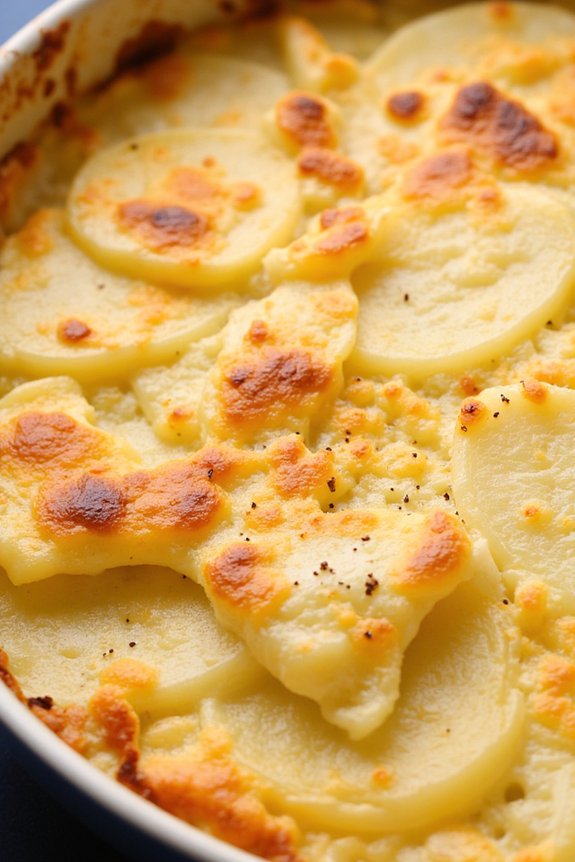
Gratin Dauphinois is a classic French dish that embodies the essence of comfort food with its rich, creamy texture and delicate flavor profile. This dish consists of thinly sliced potatoes baked in a luscious mixture of cream and milk, often infused with garlic and nutmeg, and topped with a golden, cheesy crust. It’s a perfect accompaniment to a romantic French holiday meal, serving as a luxurious side dish that pairs beautifully with roasted meats or enjoyed as a standalone delight.
The origins of Gratin Dauphinois can be traced back to the Dauphiné region in southeastern France, where this dish has been cherished for centuries. The key to a perfect Gratin Dauphinois is in the selection of the right potatoes and the slow, gentle cooking process that allows the creamy sauce to permeate the potatoes while forming a golden crust on top. With a few simple ingredients and a bit of patience, you can create this exquisite dish that will surely impress your loved ones.
Ingredients (serves 4-6 people):
- 2 pounds (approximately 900g) of Yukon Gold or Russet potatoes
- 2 cups (480ml) of heavy cream
- 1 cup (240ml) of whole milk
- 2 cloves of garlic, peeled and minced
- 1 teaspoon of salt
- 1/2 teaspoon of freshly ground black pepper
- 1/4 teaspoon of freshly grated nutmeg
- 1 cup (100g) of grated Gruyère cheese
- 1 tablespoon of unsalted butter, for greasing
Cooking Instructions:
- Preheat the Oven: Preheat your oven to 350°F (175°C). This guarantees the oven is at the right temperature for evenly baking the gratin.
- Prepare the Baking Dish: Grease a 9×13-inch baking dish with the tablespoon of unsalted butter. This prevents the potatoes from sticking and allows for easy serving.
- Slice the Potatoes: Peel the potatoes and slice them into 1/8-inch thick rounds using a mandoline slicer or a sharp knife. Uniform slices ensure even cooking.
- Prepare the Cream Mixture: In a medium saucepan, combine the heavy cream, milk, minced garlic, salt, pepper, and nutmeg. Heat gently over medium heat until just simmering, then remove from heat.
- Layer the Potatoes: Arrange a layer of sliced potatoes in the bottom of the prepared baking dish, slightly overlapping each slice. Pour a portion of the cream mixture over the potatoes, ensuring they’re well coated.
- Add Cheese and Repeat: Sprinkle a layer of grated Gruyère cheese over the potatoes. Repeat the layering process with the remaining potatoes, cream mixture, and cheese, finishing with a generous layer of cheese on top.
- Bake the Gratin: Cover the baking dish with aluminum foil and bake in the preheated oven for 45 minutes. Remove the foil and bake for an additional 30 minutes, or until the top is golden brown and the potatoes are tender when pierced with a fork.
- Cool and Serve: Let the Gratin Dauphinois rest for 10 minutes before serving. This allows the flavors to meld together and makes serving easier.
Extra Tips: To guarantee an even cook and prevent the dish from becoming too watery, make sure to pat the potatoes dry with a paper towel before adding them to the baking dish. For an extra burst of flavor, consider adding a sprig of fresh thyme or rosemary to the cream mixture while it heats. If Gruyère cheese is unavailable, you can substitute it with Emmental or Comté cheese for a similar taste profile. Finally, monitor the gratin closely during the final baking phase to avoid over-browning the cheese topping.
Ratatouille
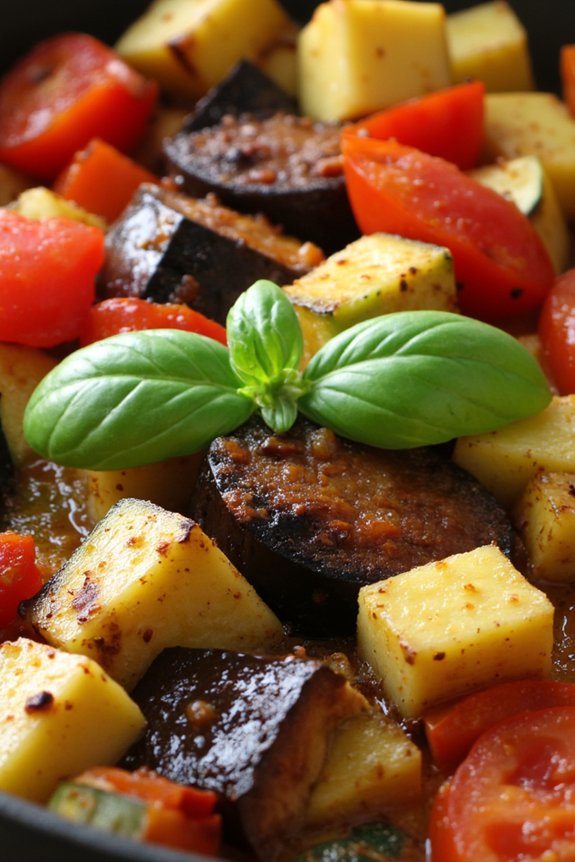
Ratatouille is a traditional Provençal stewed vegetable dish that has become a symbol of French country cooking. It’s a perfect choice for a romantic holiday meal, as it embodies the rich, rustic flavors of France. The dish isn’t only delicious but also visually appealing, with its vibrant array of colorful vegetables.
It’s typically served as a side dish but can easily take center stage as a main course, especially when paired with a crusty baguette or a serving of fluffy rice.
This recipe for Ratatouille is designed to serve 4-6 people, making it ideal for a cozy dinner with loved ones or a small holiday gathering. The combination of fresh vegetables such as zucchini, eggplant, peppers, and tomatoes, infused with the aromatic scents of garlic, thyme, and basil, creates a harmonious blend of flavors that’s certain to impress.
The slow cooking process allows the flavors to meld beautifully, resulting in a dish that’s both hearty and elegant.
Ingredients for 4-6 Servings:
- 1 large eggplant
- 2 medium zucchinis
- 1 red bell pepper
- 1 yellow bell pepper
- 1 large onion
- 4 ripe tomatoes
- 3 cloves garlic
- 1/4 cup olive oil
- 1 teaspoon fresh thyme leaves
- 1/2 teaspoon dried oregano
- Salt and black pepper to taste
- Fresh basil leaves for garnish
Cooking Instructions:
- Prepare the Vegetables: Begin by washing all the vegetables thoroughly. Dice the eggplant, zucchinis, and bell peppers into roughly 1-inch cubes. Chop the onion and tomatoes into similar-sized pieces. Mince the garlic cloves finely.
- Sauté the Vegetables: Heat half of the olive oil in a large, heavy-bottomed pot or Dutch oven over medium heat. Add the onions and garlic, cooking until the onions become translucent. Next, add the diced eggplant, stirring occasionally until it begins to soften, about 5-7 minutes.
- Add Remaining Vegetables: Add the zucchini and bell peppers to the pot, cooking until they start to soften, approximately 5 minutes. Stir in the tomatoes, fresh thyme, and dried oregano. Season with salt and black pepper to taste.
- Simmer to Perfection: Pour in the remaining olive oil and reduce the heat to low. Cover the pot and let the Ratatouille simmer for 30-40 minutes, stirring occasionally. The vegetables should be tender but not mushy, with the flavors well blended.
- Serve and Garnish: Once cooked, adjust the seasoning if necessary. Serve the Ratatouille warm, garnished with fresh basil leaves. It can be enjoyed on its own or paired with your choice of side.
Extra Tips:
When cooking Ratatouille, it’s important to cut the vegetables uniformly to guarantee even cooking. The key to a perfect Ratatouille lies in the quality and freshness of the vegetables, so try to use the best produce available.
Additionally, the dish can be made a day in advance, as the flavors deepen and improve with time, making it an excellent make-ahead option for busy holiday schedules. Don’t be afraid to experiment with different herbs or incorporate a dash of red wine for added depth.
Tarte Tatin
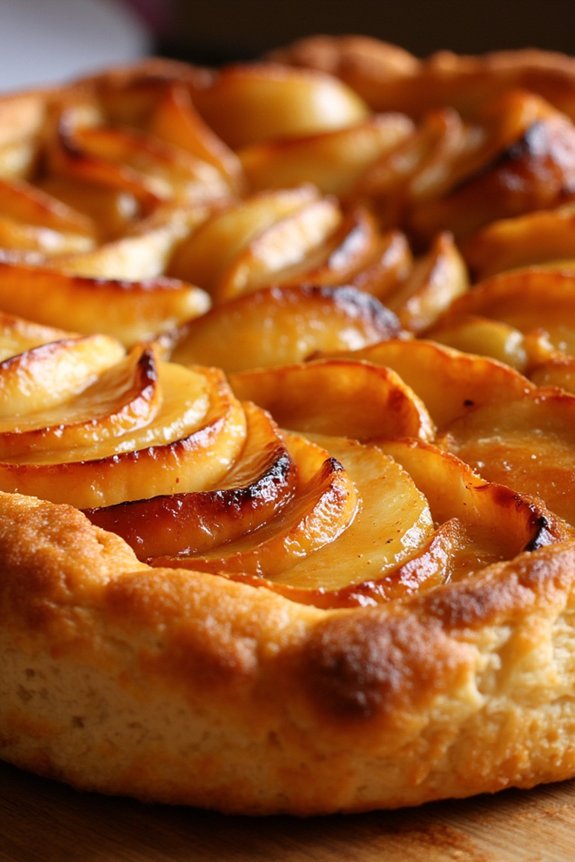
Tarte Tatin is a classic French dessert that combines the rich, buttery flavors of caramelized apples with a flaky, golden pastry crust. Originally created by accident in the late 19th century at the Hotel Tatin in Lamotte-Beuvron, this upside-down tart has become a beloved staple of French patisserie.
This decadent dessert is perfect for a romantic French holiday meal, providing a delightful balance of sweet, tart, and buttery flavors. Serve it warm with a dollop of crème fraîche or a scoop of vanilla ice cream for an irresistible treat.
Making a Tarte Tatin requires a bit of patience and care, but the results are well worth the effort. The process starts by cooking the apples in sugar and butter until they’re beautifully caramelized. This is followed by topping them with a layer of puff pastry and baking the whole thing until golden brown.
Ultimately, the tart is flipped onto a serving plate, revealing the glistening caramelized apples on top. It’s a dish that impresses not only with its taste but also with its dramatic presentation.
Ingredients (serving size: 4-6 people):
- 6 large firm apples (such as Granny Smith)
- 1 cup granulated sugar
- 1/2 cup unsalted butter
- 1 sheet of puff pastry
- 1 tablespoon lemon juice
- 1 teaspoon vanilla extract
- Pinch of salt
Instructions:
- Prepare the Apples: Peel, core, and quarter the apples. Toss them in a bowl with lemon juice to prevent browning and set aside.
- Caramelize Sugar: In an ovenproof skillet, melt the sugar over medium heat, stirring occasionally until it turns a deep amber color. This should take about 5-7 minutes. Be careful not to burn the sugar.
- Add Butter and Apples: Once the sugar has caramelized, add the butter to the skillet, stirring to combine. Carefully arrange the apple quarters in the skillet, cut side up. Sprinkle a pinch of salt over the apples and cook for about 10 minutes, turning occasionally, until the apples are tender and caramelized. Add the vanilla extract and stir gently to incorporate.
- Prepare the Pastry: Roll out the puff pastry on a lightly floured surface to fit the skillet. Drape the pastry over the apples, tucking the edges down around the inside of the skillet.
- Bake the Tart: Preheat the oven to 375°F (190°C). Place the skillet in the oven and bake for 25-30 minutes, or until the pastry is golden and puffed.
- Invert the Tart: Allow the tart to cool in the skillet for about 5 minutes. Carefully invert a serving plate over the skillet, and swiftly flip them over together to release the tart onto the plate.
Extra Tips: When making Tarte Tatin, choosing the right apples is essential; firmer varieties like Granny Smith or Honeycrisp keep their shape during cooking.
Verify your caramel isn’t too dark, as it can become bitter. If the apples release too much juice while cooking, let it evaporate to avoid a soggy tart. Finally, make sure the puff pastry is well-chilled before baking to achieve a perfect, flaky crust.
Bûche De Noël
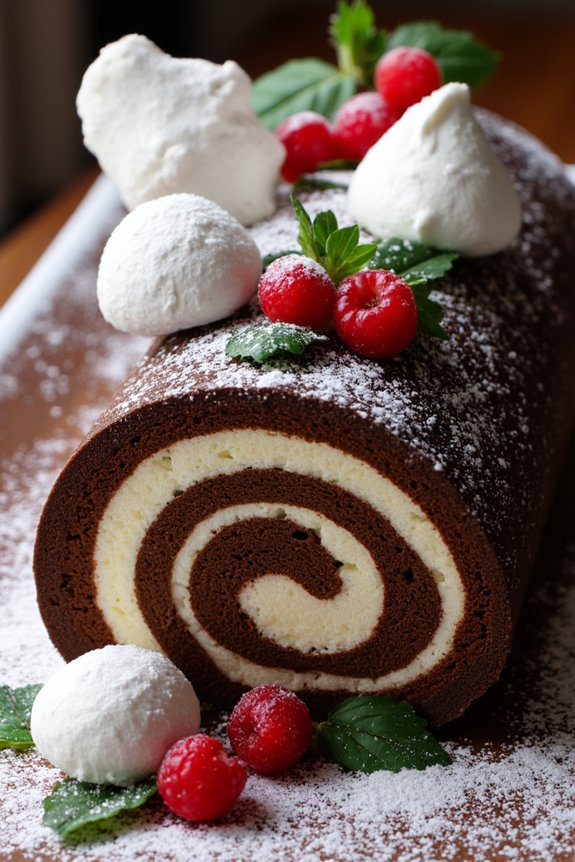
Bûche De Noël, also known as a Yule Log, is a classic French dessert traditionally served during the Christmas season. This delightful cake is designed to resemble a log, symbolizing the Yule log that families would burn on Christmas Eve as a sign of good fortune.
The dessert is a light and fluffy sponge cake rolled with a rich and creamy filling, often decorated with festive themes such as meringue mushrooms, berries, and powdered sugar to mimic snow. Its combination of flavors and textures makes it a centerpiece on the holiday table.
The process of creating a Bûche De Noël is as enchanting as the final presentation. The key to a successful Yule Log is mastering the art of rolling the sponge cake without cracking it, which can be achieved by rolling it while it’s still warm and flexible.
The filling can vary from a traditional chocolate buttercream to a lighter whipped cream, allowing for customization based on personal preference. The exterior is usually finished with a ganache or frosting, sculpted to resemble bark, and garnished with artistic touches that bring the wintery theme to life.
Ingredients (Serves 4-6)
- 1 cup all-purpose flour
- 1/2 cup cocoa powder
- 1 teaspoon baking powder
- 1/4 teaspoon salt
- 4 large eggs
- 3/4 cup granulated sugar
- 2 teaspoons vanilla extract
- 1/2 cup unsalted butter, melted
- 1/2 cup heavy cream
- 1/2 cup confectioners’ sugar
- 1/2 teaspoon vanilla extract (for filling)
- 1 cup semisweet chocolate chips
- 1/2 cup heavy cream (for ganache)
- Powdered sugar for dusting
- Optional: meringue mushrooms, fresh berries, mint leaves for decoration
Cooking Instructions
- Preheat the Oven and Prepare the Pan: Preheat your oven to 350°F (175°C). Line a 10×15-inch jelly roll pan with parchment paper, ensuring it covers the sides to prevent sticking.
- Mix Dry Ingredients: In a medium bowl, whisk together the flour, cocoa powder, baking powder, and salt. Set aside.
- Beat Eggs and Sugar: In a large bowl, beat the eggs and granulated sugar using an electric mixer on high speed until thick and pale, about 5 minutes. Stir in the vanilla extract.
- Combine Ingredients: Gradually fold the dry ingredients into the egg mixture until just combined. Gently fold in the melted butter until smooth.
- Bake the Sponge Cake: Pour the batter into the prepared pan, spreading it evenly. Bake in the preheated oven for 12-15 minutes, or until the cake springs back when lightly touched.
- Roll the Cake: While the cake is still warm, turn it out onto a clean kitchen towel dusted with confectioners’ sugar. Carefully peel off the parchment paper. Starting at one short end, roll the cake up with the towel and let it cool completely on a wire rack.
- Prepare the Filling: In a medium bowl, whip the heavy cream, confectioners’ sugar, and vanilla extract until stiff peaks form.
- Unroll and Fill the Cake: Once the cake is cool, gently unroll it and spread the whipped cream filling evenly over the surface. Roll the cake back up without the towel.
- Make the Ganache: Heat the heavy cream in a small saucepan until it just begins to simmer. Remove from heat and pour over the chocolate chips in a bowl. Let it sit for a minute, then stir until smooth.
- Decorate the Cake: Spread the chocolate ganache over the rolled cake, creating the appearance of bark using a fork. Dust with powdered sugar and decorate with optional meringue mushrooms, fresh berries, and mint leaves.
Extra Tips
When rolling the sponge cake, do it slowly and with care to prevent cracks. If any cracks do appear, they can be cleverly concealed with the ganache or decorations.
It’s important to let the cake cool completely before unrolling it to add the filling, as this helps maintain its shape. For a more intense flavor, consider adding a dash of espresso powder to the chocolate ganache.
Finally, making the decorative elements like meringue mushrooms ahead of time can save you stress on the day of assembly. Enjoy the process and let your creativity shine with this festive and impressive dessert!
Crème Brûlée
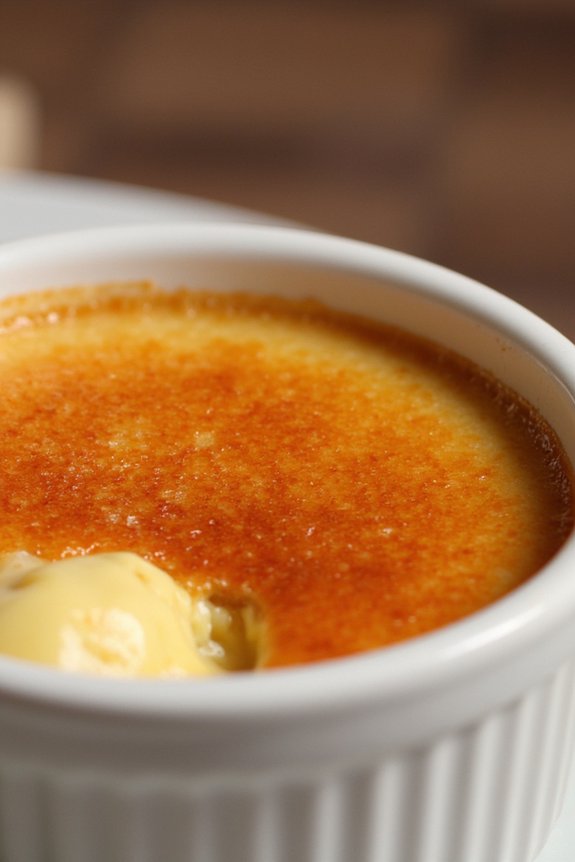
Crème Brûlée is a classic French dessert that exudes elegance and sophistication, making it a perfect choice for a romantic holiday meal. With its silky-smooth custard base and a crisp, caramelized sugar topping, this dessert is a delightful blend of textures and flavors. The gentle scent of vanilla fills the air as you crack through the caramelized layer to reveal the creamy goodness beneath.
Crème Brûlée isn’t only a treat for the taste buds but also a visual delight, with its golden-brown topping and custard nestled in a charming ramekin.
Creating the perfect Crème Brûlée requires attention to detail, but the result is well worth the effort. This dessert is all about balance – the richness of the cream, the subtle sweetness of the sugar, and the fragrant infusion of vanilla. Ideal for serving a small gathering, this recipe is designed for 4-6 people, guaranteeing everyone gets to enjoy a generous portion.
Whether you’re a seasoned cook or a beginner, following these steps will guide you to achieve the perfect Crème Brûlée.
Ingredients for 4-6 servings:
- 1 quart (4 cups) heavy cream
- 1 vanilla bean, split and scraped (or 1 teaspoon vanilla extract)
- 8 large egg yolks
- 1/2 cup granulated sugar
- 1/2 cup superfine sugar (for caramelizing)
Instructions:
- Preheat the Oven: Begin by preheating your oven to 325°F (163°C). This moderate temperature will allow the custard to cook evenly without scrambling the eggs.
- Infuse the Cream: In a medium saucepan, combine the heavy cream and the scraped vanilla bean (or vanilla extract). Heat the mixture over medium heat until it just begins to simmer. Remove from the heat and let it sit for about 15 minutes to allow the vanilla to infuse into the cream.
- Prepare the Egg Mixture: In a large mixing bowl, whisk together the egg yolks and granulated sugar until the mixture is pale and thick. This step guarantees that the sugar is well incorporated and the yolks are slightly aerated.
- Combine Cream and Eggs: Gradually whisk the warm cream into the egg yolk mixture. Do this slowly to prevent the eggs from cooking. Once combined, strain the mixture through a fine-mesh sieve to remove the vanilla bean and any egg solids, ensuring a smooth custard.
- Divide into Ramekins: Pour the custard mixture into 4-6 ramekins, filling them about three-quarters full. Place the ramekins in a large baking dish or roasting pan.
- Bake in a Water Bath: Pour hot water into the baking dish, filling it halfway up the sides of the ramekins. This water bath will help the custard cook gently and evenly. Bake for 40 to 45 minutes, or until the custards are set but still slightly jiggly in the center.
- Chill the Custard: Remove the ramekins from the water bath and let them cool to room temperature. Once cooled, refrigerate for at least 2 hours, or until well chilled.
- Caramelize the Sugar: Just before serving, sprinkle an even layer of superfine sugar over the top of each custard. Use a kitchen torch to melt and caramelize the sugar until it forms a golden, crispy layer. Allow the sugar to cool and harden for a minute before serving.
Extra Tips:
For the best results, use fresh, high-quality ingredients, especially when it comes to the vanilla. If you don’t have a kitchen torch, you can caramelize the sugar under a broiler. Just keep a close eye on it to prevent burning.
It’s vital to let the Crème Brûlée chill thoroughly before caramelizing the sugar, as this guarantees a firm custard underneath the crisp top. Enjoy your Crème Brûlée with a chilled glass of dessert wine for an extra touch of romance.
Soufflé Au Chocolat
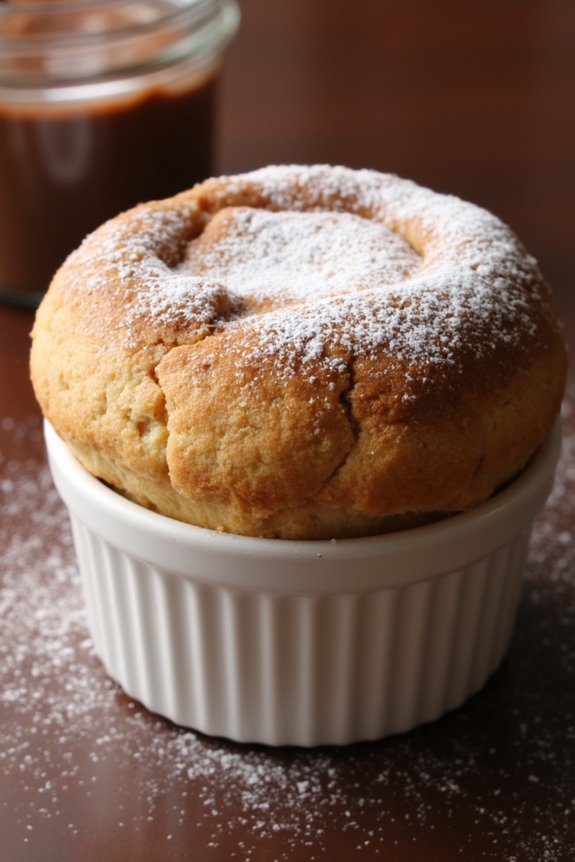
Indulge in the classic elegance of a Soufflé Au Chocolat, a quintessentially French dessert that’s perfect for a romantic holiday meal. This exquisite chocolate soufflé is renowned for its airy texture and rich, decadent flavor. It’s a dish that speaks of luxury and attention to detail, making it an ideal choice for an intimate dinner or a special occasion.
With a delicate balance of whipped egg whites and a luscious chocolate base, this soufflé promises to be the showstopper of your evening. Creating a Soufflé Au Chocolat might seem intimidating at first, but with careful preparation and precise execution, you can achieve a flawless result. The key to a successful soufflé is in the perfect blend of technique and timing, making sure that the dish rises beautifully in the oven and maintains its ethereal lightness.
Follow this recipe closely to bring a touch of French sophistication to your holiday table and delight your loved ones with a memorable dessert experience.
Ingredients (for 4-6 servings):
- 4 tablespoons unsalted butter, plus extra for greasing the ramekins
- 1/3 cup granulated sugar, plus extra for dusting
- 6 ounces bittersweet chocolate, chopped
- 4 large eggs, separated
- 1 teaspoon vanilla extract
- 1/4 teaspoon cream of tartar
- Pinch of salt
- Powdered sugar, for dusting
Cooking Instructions:
- Prepare the Ramekins: Preheat your oven to 375°F (190°C). Generously butter four 8-ounce ramekins, making sure the bottoms and sides are well-coated. Dust the inside of each ramekin with granulated sugar, tapping out any excess. This will help the soufflés rise evenly.
- Melt the Chocolate: In a heatproof bowl, set over a pot of simmering water (also known as a double boiler), melt the chopped bittersweet chocolate along with the 4 tablespoons of unsalted butter. Stir occasionally until smooth and fully melted. Remove from heat and let it cool slightly.
- Prepare the Egg Yolks: In a medium bowl, whisk together the egg yolks and 1/3 cup of granulated sugar until the mixture is pale and thick. Stir in the melted chocolate mixture and vanilla extract, mixing until well combined.
- Beat the Egg Whites: In a separate, clean, and dry bowl, beat the egg whites, cream of tartar, and a pinch of salt using an electric mixer on medium speed. Gradually increase the speed to high and beat until soft peaks form.
- Combine Mixtures: Gently fold one-third of the beaten egg whites into the chocolate mixture to lighten it. Carefully fold in the remaining egg whites in two additions, being cautious not to deflate the mixture.
- Fill the Ramekins: Divide the soufflé mixture evenly among the prepared ramekins, filling them to just below the rim. Smooth the tops with a spatula.
- Bake the Soufflés: Place the ramekins on a baking sheet and bake in the preheated oven for 15-18 minutes, or until the soufflés have risen and the tops are firm to the touch but still slightly wobbly in the center.
- Serve Immediately: Remove from the oven and dust with powdered sugar. Serve immediately for the best texture and presentation.
Extra Tips:
To make sure your soufflés rise perfectly, it’s important to have your egg whites beaten to just the right consistency; they should hold soft peaks. Be gentle when folding the egg whites into the chocolate mixture to maintain as much air as possible.
Additionally, avoid opening the oven door while baking, as this can cause the soufflés to collapse. For a delightful twist, consider adding a splash of liqueur or a pinch of espresso powder to the chocolate mix for enhanced flavor. Enjoy this divine dessert with a glass of sparkling wine for a truly romantic experience.
Galette Des Rois
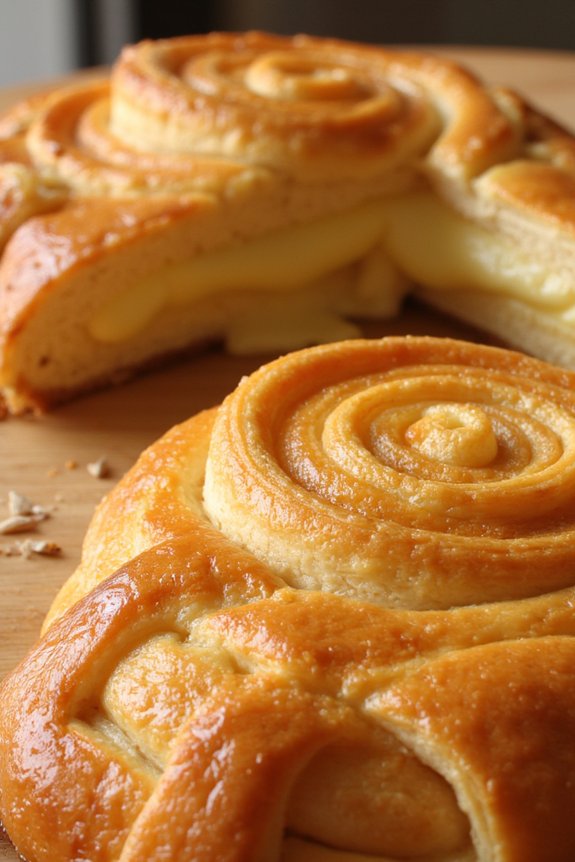
Galette Des Rois, also known as King’s Cake, is a traditional French pastry that’s typically enjoyed during the Epiphany celebration on January 6th. This delectable dessert consists of a flaky puff pastry filled with a rich almond cream known as frangipane. The tradition involves hiding a small figurine, known as a fève, inside the cake, and the person who finds it in their slice becomes “king” or “queen” for the day. This delightful pastry isn’t only a treat for the taste buds but also a fun and festive way to celebrate with family and friends.
The Galette Des Rois is a splendid way to bring a touch of French elegance to your holiday table. Its golden, crisp exterior gives way to a sweet, creamy almond filling that’s both aromatic and indulgent. Perfect for a gathering of 4-6 people, this recipe will guide you through creating your own Galette Des Rois from scratch. Whether you’re hosting a holiday party or simply wish to enjoy a taste of French tradition, this recipe will make your celebration truly special.
Ingredients for 4-6 people:
- 2 sheets of puff pastry
- 100g unsalted butter, softened
- 100g powdered sugar
- 100g almond meal
- 2 large eggs
- 1 teaspoon almond extract
- 1 egg yolk (for egg wash)
- 1 fève (small figurine or dried bean)
Cooking Instructions:
- Prepare the frangipane filling: In a medium bowl, combine the softened butter and powdered sugar. Mix until smooth and creamy. Add the almond meal, two eggs, and almond extract. Mix until all ingredients are well incorporated and the filling is smooth.
- Preheat the oven: Set your oven to 200°C (390°F) to guarantee it’s ready for baking once the galette is assembled.
- Roll out the puff pastry: On a lightly floured surface, roll out the puff pastry sheets to guarantee they’re slightly larger than the desired size of your galette. Use a plate or a cake tin as a guide to cut two equal circles from the pastry.
- Assemble the galette: Place one circle of pastry on a baking sheet lined with parchment paper. Spread the frangipane filling evenly over the pastry, leaving a 2cm (about 1 inch) border around the edge. Hide the fève somewhere in the filling.
- Seal the pastry: Brush the border with a little water, then place the second pastry circle on top. Press down gently around the edges to seal the galette. Use a fork to crimp the edges for a decorative touch.
- Decorate and apply egg wash: With a sharp knife, lightly score the top of the galette with a pattern, such as spirals or crisscross. Be careful not to cut too deep. In a small bowl, mix the egg yolk with a splash of water, and brush this over the top for a beautiful golden glaze.
- Bake the galette: Place the galette in the preheated oven and bake for 25-30 minutes, or until the pastry is puffed and golden brown. Allow it to cool slightly before serving.
Extra Tips:
To guarantee your Galette Des Rois has a perfectly flaky crust, make sure your puff pastry remains cold until it goes into the oven. If the pastry warms up too much during assembly, consider chilling the assembled galette in the refrigerator for 15-20 minutes before baking. This will help the pastry maintain its shape and create those desirable layers.
Additionally, if you can’t find a fève, a small dried bean can be used as a substitute. Just remember to inform your guests about the surprise hidden inside their slice!
